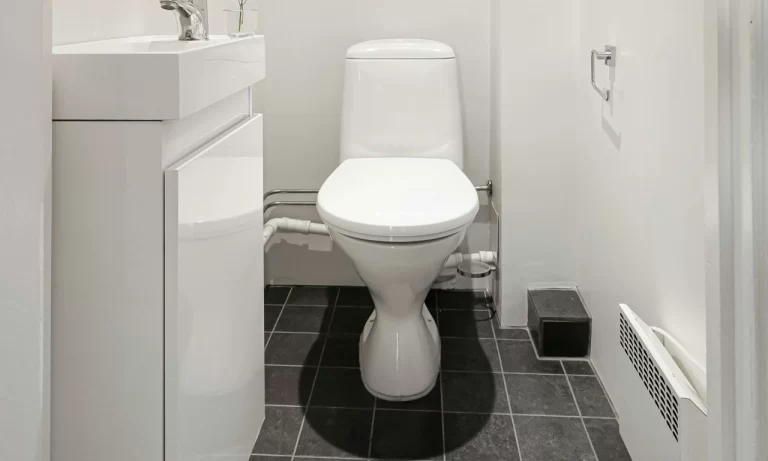
It is one of the smallest, least glamorous components in your entire bathroom — a short braided or ribbed tube running from the shut-off valve on your wall to the bottom of your toilet tank. Most homeowners have never given their toilet water supply line a second thought. That is completely understandable, right up until the moment it fails.
A burst or leaking toilet water supply line is one of the most common causes of significant bathroom water damage in Canadian homes. Unlike a slow drain clog or a running toilet that wastes water gradually, a supply line failure can release a substantial and continuous flow of water onto your bathroom floor in a very short period of time. Depending on how quickly it is caught and whether anyone is home when it happens, the resulting damage can range from a soaked bathmat to a flooded bathroom, damaged subfloor, and water leaking through to the ceiling of the room below.
The good news is that toilet water supply lines are inexpensive, straightforward to inspect, and not difficult to replace with the right know-how. Understanding how they work, what causes them to fail, and how to replace one before it becomes an emergency is exactly the kind of practical knowledge that saves Toronto homeowners from expensive, avoidable repairs.
Contact us today through our form or call +1 (416) 252-5557 for expert plumbing, drain, and related services in Toronto, Etobicoke, Mississauga, and across the GTA.
What Is a Toilet Water Supply Line?
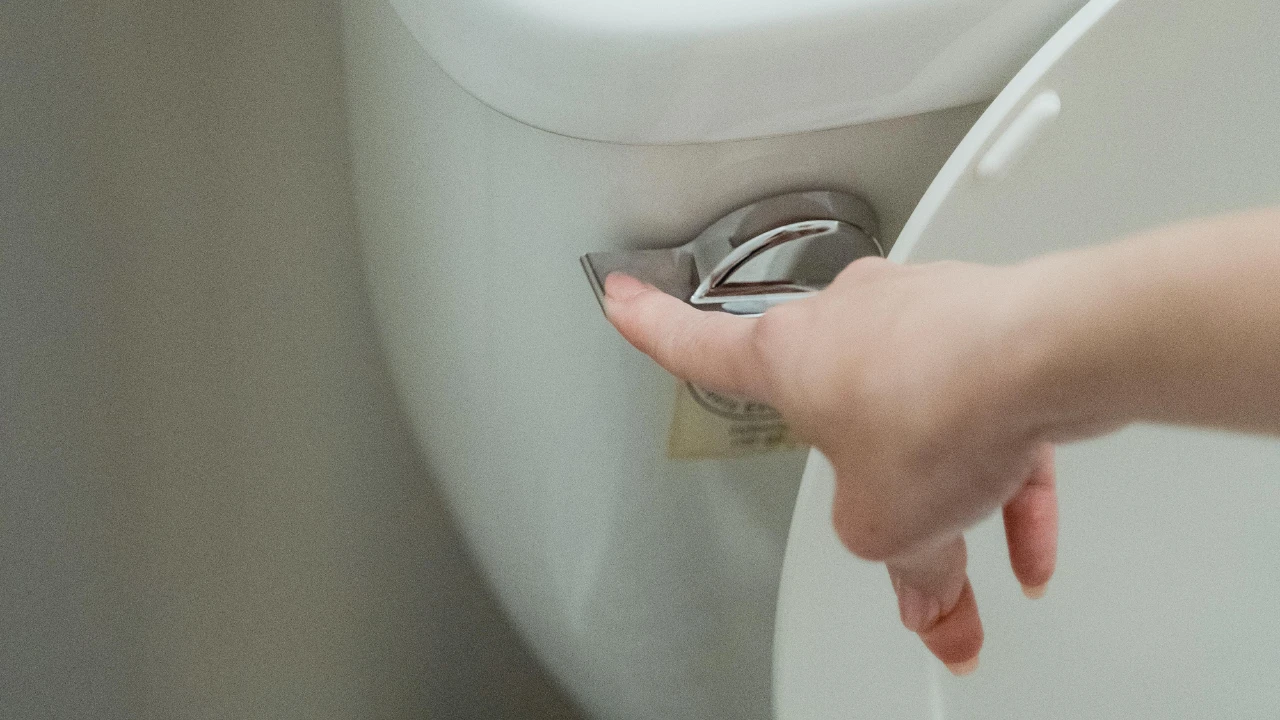
The toilet water supply line is the flexible tube that connects your home’s cold water supply — accessed through a shut-off valve mounted on the wall or floor behind the toilet — to the fill valve at the base of the toilet tank. Every time you flush, the tank empties and the supply line delivers fresh water to refill it. This cycle happens multiple times a day, every single day, which means the supply line is under constant, low-level stress for the entire lifespan of the toilet.
Supply lines are available in several different materials, each with its own strengths and weaknesses.
Braided Stainless Steel
The current standard for most residential installations and the material we recommend without hesitation. A braided stainless steel supply line has a flexible inner core — typically made of PEX or EPDM rubber — wrapped in a tight woven stainless steel jacket. The steel exterior provides excellent resistance to abrasion, kinking, and accidental impact, while the flexible core handles water pressure without cracking. These lines are durable, relatively affordable, and widely available at any hardware store in the GTA.
Polymer or Plastic Braided Lines
A step down from stainless steel, these lines have a plastic or nylon braid over the inner tube. They are lighter and slightly less expensive but also more vulnerable to cracking under UV exposure, temperature fluctuations, and physical stress. They are commonly sold in budget plumbing kits and are fine for short-term use, but we would not recommend them as a long-term solution in an active household.
Corrugated Chrome or Copper Tubes
Found primarily in older homes, these rigid or semi-rigid metal tubes were the standard before flexible braided lines became mainstream. They are extremely durable when undisturbed, but because they are not truly flexible, they are susceptible to cracking if the toilet shifts slightly — something that happens more than you might expect in homes with older, settling foundations. If your home still has corrugated supply lines, it is worth replacing them with braided stainless steel as a preventive measure.
PVC or Plastic Tubing
Occasionally found in older or budget installations. PVC supply lines become brittle over time, particularly in bathrooms that experience temperature swings, and they are prone to cracking at the connection points. If you have PVC supply lines in your home, replacement should be a near-term priority.
Common Causes of Toilet Supply Line Failure
Supply lines do not last forever, and understanding what causes them to fail helps you catch problems before they become emergencies.
Age and Material Degradation
The inner tube of a braided supply line is made of rubber or synthetic polymer, both of which degrade over time. Water pressure, temperature cycles, and simple age cause the material to become stiff, brittle, and eventually prone to cracking. Most manufacturers rate their supply lines for five to ten years of service life. In practice, many lines remain functional longer than that — but the risk of failure increases significantly after the ten-year mark, and the consequences of failure are serious enough that proactive replacement is always the right call.
Loose or Over-Tightened Connections
The supply line connects to the shut-off valve at one end and to the fill valve at the other using threaded compression fittings. If these connections are loose, water will slowly seep or drip from the joint. Conversely, connections that have been overtightened — a common DIY mistake — can crack plastic fittings or strip the threads, creating a leak that gets worse over time. A proper connection is hand-tight plus a quarter turn with a wrench, nothing more.
Hard Water Mineral Buildup
In the GTA, hard water leaves calcium and magnesium deposits on every surface it touches. Inside the supply line’s compression fittings, these deposits can cause the fittings to seize, making future disconnection difficult. They can also create micro-abrasions inside rubber seals that accelerate wear. If you notice white or grey crusty buildup around the connection points of your supply line, that is mineral scale and it deserves attention.
Kinking and Physical Damage
A supply line that has been bent sharply — often the result of moving the toilet for cleaning or other work — develops a stress fracture at the kink point that will eventually fail. Similarly, supply lines that have been nicked by cleaning equipment, compressed by storage items stacked in a cabinet, or otherwise physically disturbed are at elevated risk. Always check the full length of the line when inspecting for potential problems.
The Shut-Off Valve Itself
The supply line does not operate in isolation. The shut-off valve it connects to is equally prone to failure, particularly in older homes where the valve has not been operated in years. A valve that has seized open cannot be closed during an emergency, and valves with deteriorated washers or packing can leak around the stem even when fully closed. If your shut-off valve looks corroded, feels stiff, or shows any sign of moisture around the handle, it should be inspected and potentially replaced at the same time as the supply line.
Signs Your Toilet Supply Line Needs Attention
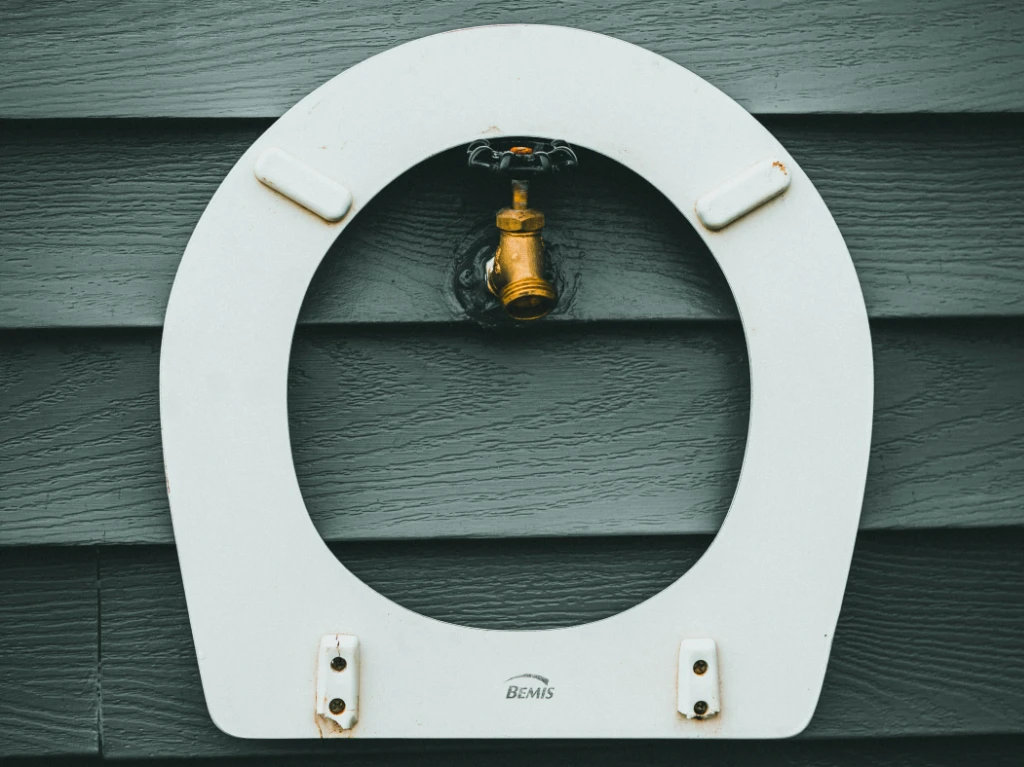
A failing supply line will usually give you warning signs before it fails completely. Make a habit of inspecting this component during your regular bathroom cleaning.
- Visible moisture or water stains on the floor behind or beside the toilet, particularly along the wall near the shut-off valve
- White mineral deposits or rust staining around the connection points at either end of the line
- The line feels stiff, cracked, or shows visible bulging along its length — a bulge in a braided line is a serious warning sign that the inner tube is failing under pressure
- A persistent hissing sound after the tank has finished refilling, which can indicate a slow leak at the fill valve connection
- The line is kinked at any point, even if there is no visible leak yet
- You cannot recall when the line was last replaced and the toilet has been in place for more than ten years
How to Replace a Toilet Water Supply Line
Replacing a toilet water supply line is one of the more accessible DIY plumbing tasks available to a homeowner with basic tools and a bit of patience.
What You Will Need
- Replacement braided stainless steel supply line (measure the existing line or bring it to the hardware store to match the length and fitting size — typically 3/8 inch compression on the valve end and 7/8 inch ballcock nut on the tank end, but always verify)
- Adjustable wrench or groove-joint pliers
- Small bucket and towels
- Teflon tape (optional but recommended)
Step 1: Shut Off the Water
Turn the shut-off valve clockwise until it stops. Flush the toilet to empty the tank and release pressure from the supply line. Have a towel ready — a small amount of water will remain in the line when you disconnect it.
Step 2: Disconnect the Old Line
Place the bucket under the connections to catch residual water. Use your wrench to loosen the nut at the shut-off valve end first, then the nut at the fill valve on the tank. Both connections should unthread by turning counterclockwise. Once both ends are free, remove the old line and inspect both the shut-off valve and fill valve threads for any damage or corrosion.
Step 3: Install the New Line
Thread the new line onto the fill valve at the bottom of the tank first — this end is harder to access and easier to start by hand before the line is fully connected at the other end. Then connect the other end to the shut-off valve. Both connections should be hand-tight first, then snugged with the wrench. Do not overtighten.
Step 4: Restore Water and Check for Leaks
Turn the shut-off valve back on slowly and allow the tank to fill. Watch both connection points closely for any sign of dripping or seeping. A dry, fully filled tank with no moisture at either fitting means the job is done correctly. Flush the toilet once and recheck.
Contact us today through our form or call +1 (416) 252-5557 for expert plumbing, drain, and related services in Toronto, Etobicoke, Mississauga, and across the GTA.
When to Call a Professional Plumber
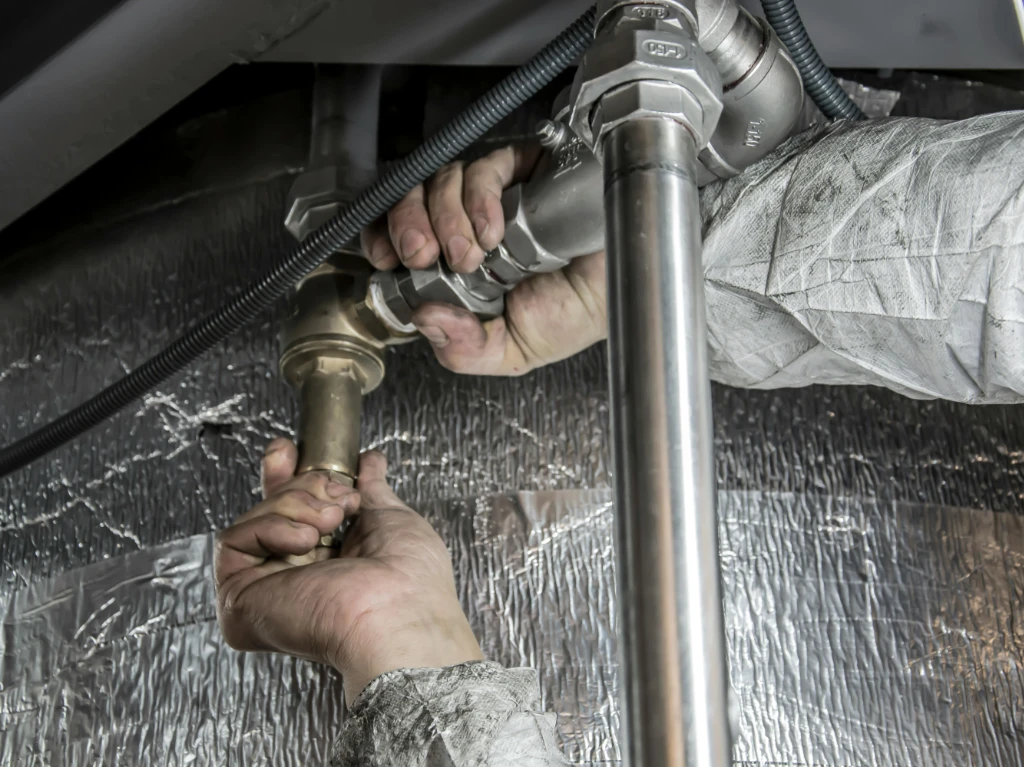
Supply line replacement is DIY-friendly under normal circumstances, but there are situations that call for a licensed plumber.
The Shut-Off Valve Is Corroded or Seized
If the valve behind your toilet will not turn, do not force it. A stuck valve can break off at the stem or crack at the body, which turns a simple supply line replacement into a much more involved repair. A plumber can replace the shut-off valve safely, often without shutting off the entire home’s water supply by using a line-stop tool at the main.
The Fill Valve Is Also Damaged
While you have the supply line disconnected, it is worth inspecting the fill valve inside the tank. If it is cracked, visibly corroded, or the line has been dripping at that connection point for some time, replacing the fill valve at the same time as the supply line is a sensible decision. A plumber can handle both in a single visit.
Water Damage Has Already Occurred
If a supply line failure has already caused water to pool on the floor, soak into the subfloor, or travel to a lower level of the home, the repair goes beyond replacing the line. Moisture that has penetrated the subfloor or wall cavity needs to be properly dried and assessed for mould risk. This is a job for a plumber working in coordination with a water damage remediation professional.
Preventive Habits That Extend Supply Line Life
A few simple practices significantly reduce the risk of an unexpected supply line failure.
- Inspect supply lines annually. Add it to your regular home maintenance checklist. A visual check takes thirty seconds and catches problems early.
- Replace supply lines proactively every eight to ten years, regardless of whether they appear damaged. The cost of a new line is trivial compared to the cost of water damage.
- Do not store items directly against the supply line in bathroom vanity cabinets. Physical contact and compression accelerate wear.
- Install an automatic water shut-off device. These sensors sit on the bathroom floor near the toilet and automatically close the supply line valve if they detect water. They are an excellent safeguard for vacation properties or any home where a slow leak could go unnoticed for an extended period.
- Address hard water. A whole-home water softener reduces mineral buildup at all your fixture connections and extends the life of supply lines, valves, and appliances throughout the house.
Absolute Draining & Plumbing: Fast, Reliable Toilet Repairs Across the GTA
Whether you need a toilet supply line replaced, a shut-off valve repaired, or a full bathroom plumbing inspection, Absolute Draining & Plumbing delivers fast, professional service to homeowners across Toronto, Etobicoke, Mississauga, and the surrounding GTA. With over 20 years of experience and a commitment to flat-rate, no-surprise pricing, we handle everything from small fixture repairs to complete plumbing overhauls.
Our licensed and insured technicians arrive equipped for the job, explain everything clearly before starting, and back their work with a 25-year warranty on drain repairs. We are available 24 hours a day, seven days a week — because plumbing problems do not keep business hours.
Contact us today through our form or call +1 (416) 252-5557 for expert plumbing, drain, and related services in Toronto, Etobicoke, Mississauga, and across the GTA.