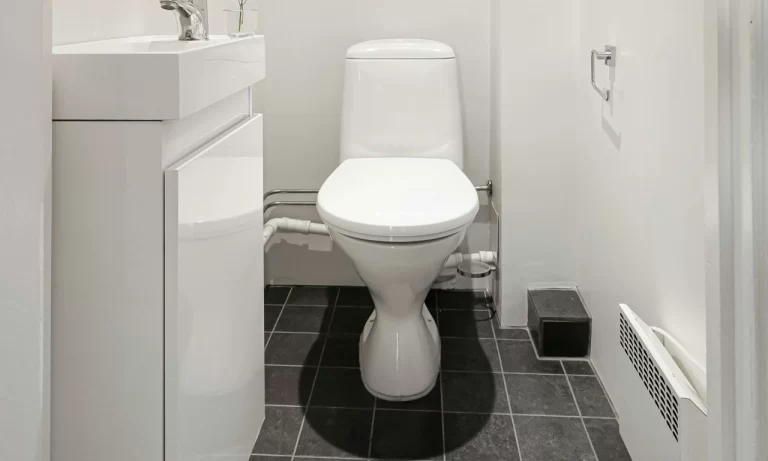
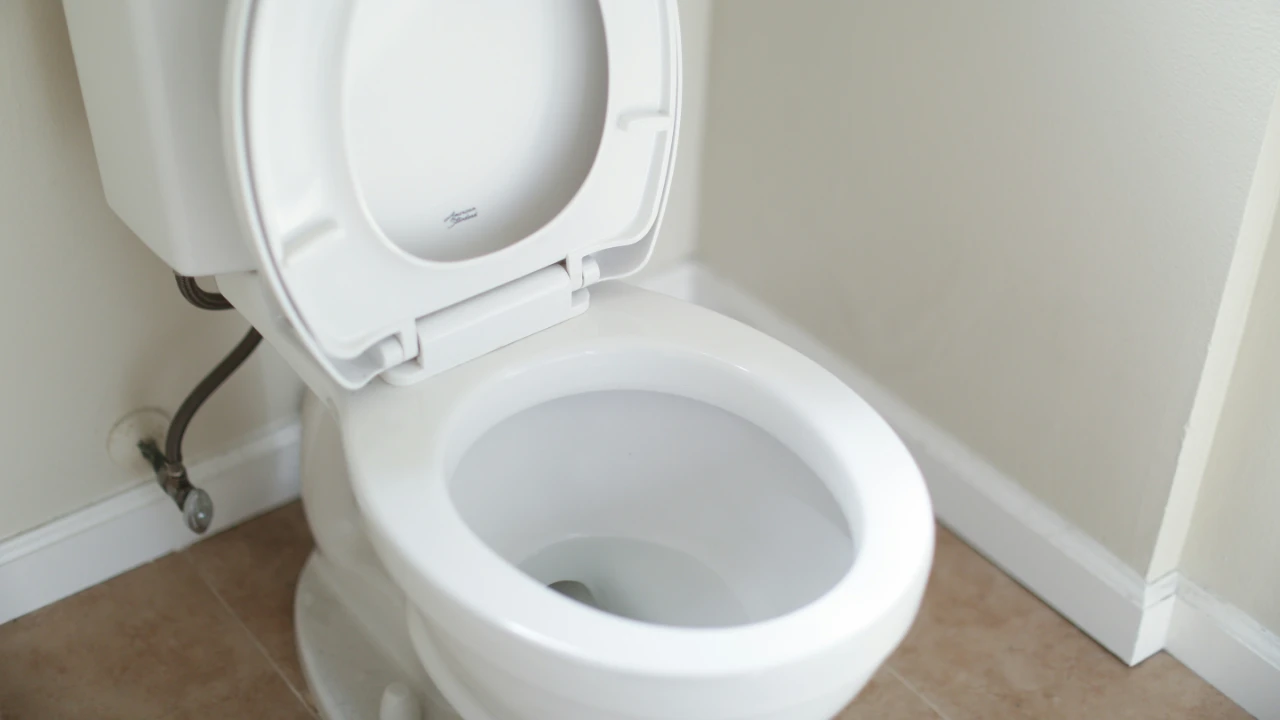
It is one of those plumbing terms that gets thrown around by contractors and home inspectors without much explanation. You might have heard it during a bathroom renovation quote, spotted it in a hardware store aisle, or come across it while troubleshooting a wobbly toilet. Whatever brought you here, the question is a fair one: what is a flange, and why should a homeowner care about it?
The short answer is that a flange is a connecting component — a flat rim or collar that joins two sections of pipe, or that secures a fixture to a pipe or surface. In the context of residential plumbing, the term almost always refers to one of two things: a toilet flange, which anchors your toilet to the floor and connects it to the drain pipe below, or a pipe flange, which joins sections of larger plumbing or mechanical systems. Both serve the same fundamental purpose — creating a stable, sealed connection between two components that need to work together reliably.
For most Toronto homeowners, the toilet flange is the one that matters most. It is a small component that does a critical job, and when it fails — which it eventually will in any home — the consequences range from a mildly annoying wobble to sewage leaking beneath your bathroom floor. Understanding what it is, how it works, and how to recognise when it needs attention is genuinely useful knowledge for any homeowner.
Contact us today through our form or call +1 (416) 252-5557 for expert plumbing, drain, and related services in Toronto, Etobicoke, Mississauga, and across the GTA.
What Is a Toilet Flange?
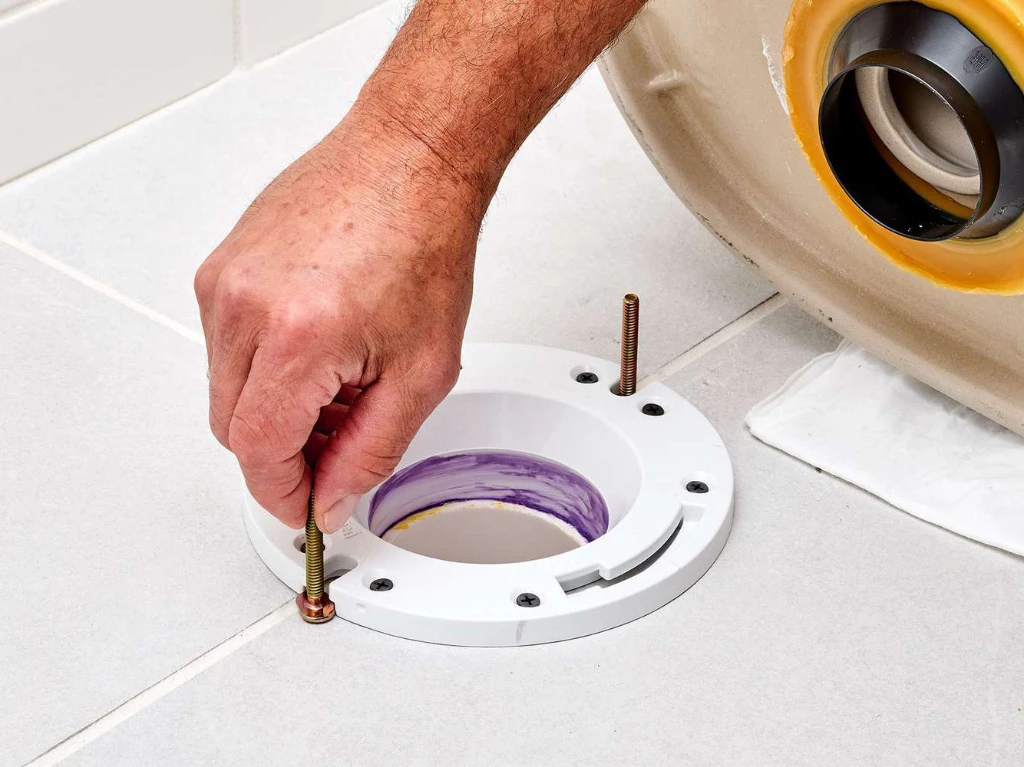
A toilet flange — technically called a closet flange — is the fitting that connects the base of your toilet to the drain pipe running through the subfloor. It serves two distinct functions simultaneously: it provides a mechanical anchor point that holds the toilet firmly to the floor, and it creates a sealed junction between the toilet’s waste outlet and the drain pipe so that sewer gases and wastewater cannot escape into your home.
The flange sits flat against the finished floor surface and is secured to the subfloor with screws. It has a round collar that fits into the top of the drain pipe below and a flat ring around the perimeter with slots or holes where the toilet bolts — called closet bolts or johnny bolts — slide in and lock into place. When the toilet is installed, those bolts pass up through holes in the toilet base and are tightened down with nuts, compressing a wax ring between the toilet’s horn and the flange surface to create a watertight seal.
Every toilet in every home sits on a flange. It is as fundamental to the installation as the toilet itself.
What Materials Are Toilet Flanges Made From?
Toilet flanges are manufactured in several different materials, and the right choice depends on the type of drain pipe in your home and when the home was built.
PVC Flanges
The standard in virtually all new residential construction today. PVC flanges are lightweight, corrosion-resistant, and straightforward to install. They are solvent-welded directly to PVC drain pipe and are compatible with the flexible wax rings and waxless gaskets used in modern toilet installations. PVC flanges are durable under normal conditions but can become brittle if exposed to physical stress or if they are installed improperly — particularly if the flange sits too high or too low relative to the finished floor surface.
ABS Flanges
Similar to PVC in function and application, ABS flanges are made from acrylonitrile butadiene styrene, a slightly more rigid plastic compound. They are connected to ABS drain pipe with ABS cement and are commonly found in homes built from the 1970s through the 1990s. ABS flanges are generally reliable but, like PVC, are vulnerable to cracking under physical stress or if the toilet is rocked repeatedly over time.
Cast Iron Flanges
Found in older Toronto homes — particularly those built before the 1960s — cast iron flanges are extremely durable and long-lasting under normal conditions. However, they are susceptible to rust and corrosion over decades of exposure to moisture, and a severely corroded cast iron flange can crumble at the bolt slots, making it impossible to secure the toilet properly. Replacement of a deteriorated cast iron flange typically involves transitioning to a PVC or stainless steel repair flange.
Stainless Steel or Brass Flanges
Less common in residential applications but used in commercial settings or in installations where maximum durability is required. Both materials offer excellent corrosion resistance and longevity.
What Is a Pipe Flange?
Beyond the toilet, flanges appear throughout residential and commercial plumbing in a different form. A pipe flange is a flat disc or ring with bolt holes around the perimeter, welded or threaded onto the end of a pipe. Two flanges facing each other — one on each pipe section — are bolted together with a gasket between them to create a strong, sealed joint that can be disassembled for maintenance or repair.
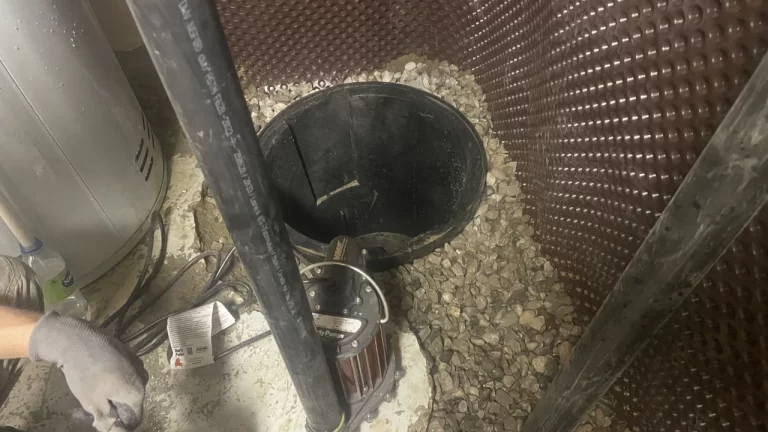
Pipe flanges are standard in larger commercial and industrial plumbing systems, as well as in the connections between major residential plumbing components such as water heaters, boilers, and sump pumps. In residential settings, you are most likely to encounter pipe flanges on the discharge side of a sump pump, on gas line connections, or on older cast iron drainage systems.
The key advantage of a flanged connection over a glued or soldered one is serviceability — a flanged joint can be unbolted and separated, making it far easier to replace a component or inspect the interior of a pipe without cutting into the system.
Why Toilet Flanges Fail
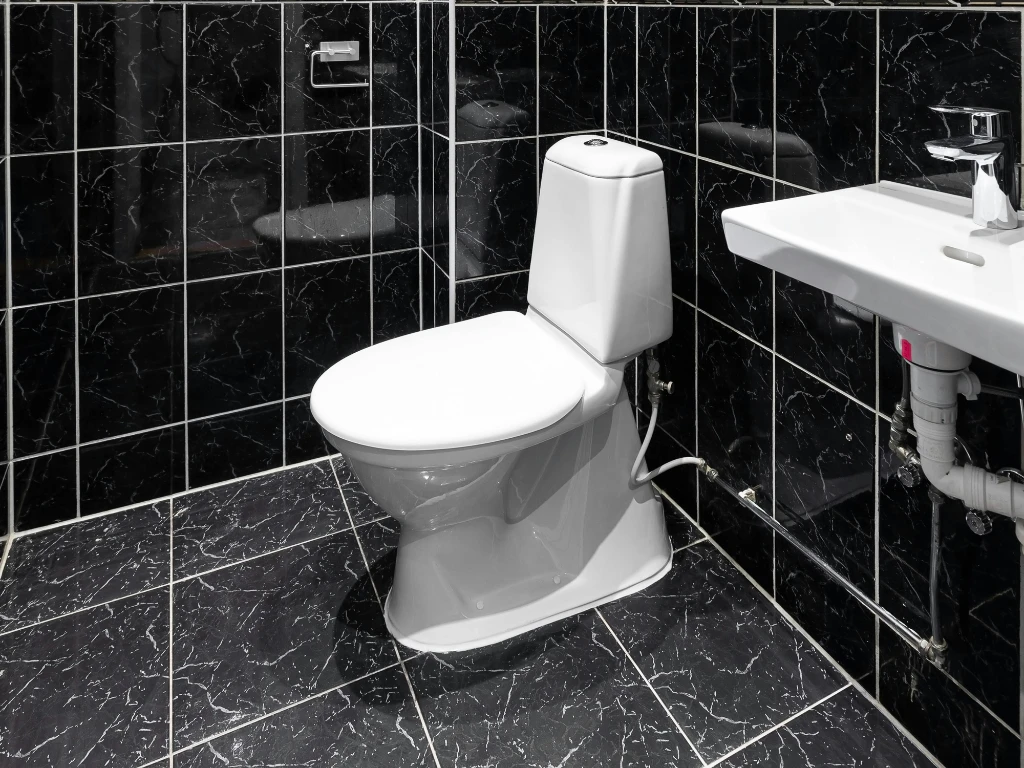
A toilet flange is designed to last for decades under normal conditions, but several factors can cause it to deteriorate or fail prematurely.
Physical Damage During Floor Work
One of the most common causes of flange damage in existing homes is bathroom renovation work — specifically, installing new tile or flooring without properly accounting for the flange height. If new flooring raises the finished floor level without raising the flange accordingly, the toilet sits too high above the flange surface, preventing the wax ring from sealing properly. Conversely, if a contractor cuts through the flange collar during subfloor work, the structural integrity of the connection is compromised.
Corrosion and Rust
In older homes with cast iron flanges, decades of exposure to moisture — both from condensation and from the occasional imperfect wax ring seal — leads to progressive corrosion. A rusted flange often fails at the bolt slots first, meaning the closet bolts can no longer grip firmly and the toilet begins to rock.
Rocking Toilets That Go Unaddressed
A toilet that wobbles even slightly is a toilet that is damaging its own flange. Every time the toilet rocks on its base, it applies lateral stress to the flange collar and gradually works the closet bolts loose in their slots. More importantly, a rocking toilet breaks the wax ring seal beneath it — often without any immediately obvious sign — allowing wastewater to seep out of the connection with each flush and accumulate beneath the floor.
Root Intrusion and Pipe Movement
In homes with older clay or cast iron drain pipes beneath the slab, root intrusion or pipe settlement can displace the drain pipe relative to the flange above it. Even a small amount of movement can crack the flange collar or break the solvent-welded joint between the flange and the pipe, creating a leak point below floor level.
Age and Material Fatigue
PVC and ABS flanges installed in homes from the 1980s and 1990s are now approaching or past the forty-year mark. While these materials are durable, repeated thermal cycling — the expansion and contraction caused by temperature changes in an unheated basement below the bathroom — can cause micro-cracking in the plastic over time. An annual inspection is the only reliable way to catch this type of degradation early.
Warning Signs of a Damaged or Failed Flange
Because the toilet flange sits beneath the toilet and under the finished floor, damage is not always immediately visible. These are the signs that should prompt a closer inspection.
- A toilet that rocks, wobbles, or shifts when you sit on it or apply lateral pressure. Even minor movement should be investigated immediately, not ignored.
- Water stains, soft spots, or discolouration on the ceiling of the room directly below a bathroom, which can indicate wastewater is escaping the flange connection and migrating through the subfloor.
- A persistent sewer gas odour in the bathroom that does not correlate with any obvious drain issue — a sign that the wax ring seal has been compromised and sewer gases are escaping around the base of the toilet.
- Water pooling at the base of the toilet after flushing, particularly at the front — a direct indication of a failed wax ring, which is usually the first component to fail when the flange beneath it is damaged.
- Loose or corroded closet bolts that will not tighten properly, indicating that the bolt slots in the flange ring have deteriorated.
- Visible cracks or rust on the flange ring itself when the toilet is removed for any reason.
Contact us today through our form or call +1 (416) 252-5557 for expert plumbing, drain, and related services in Toronto, Etobicoke, Mississauga, and across the GTA.
How a Toilet Flange Is Repaired or Replaced
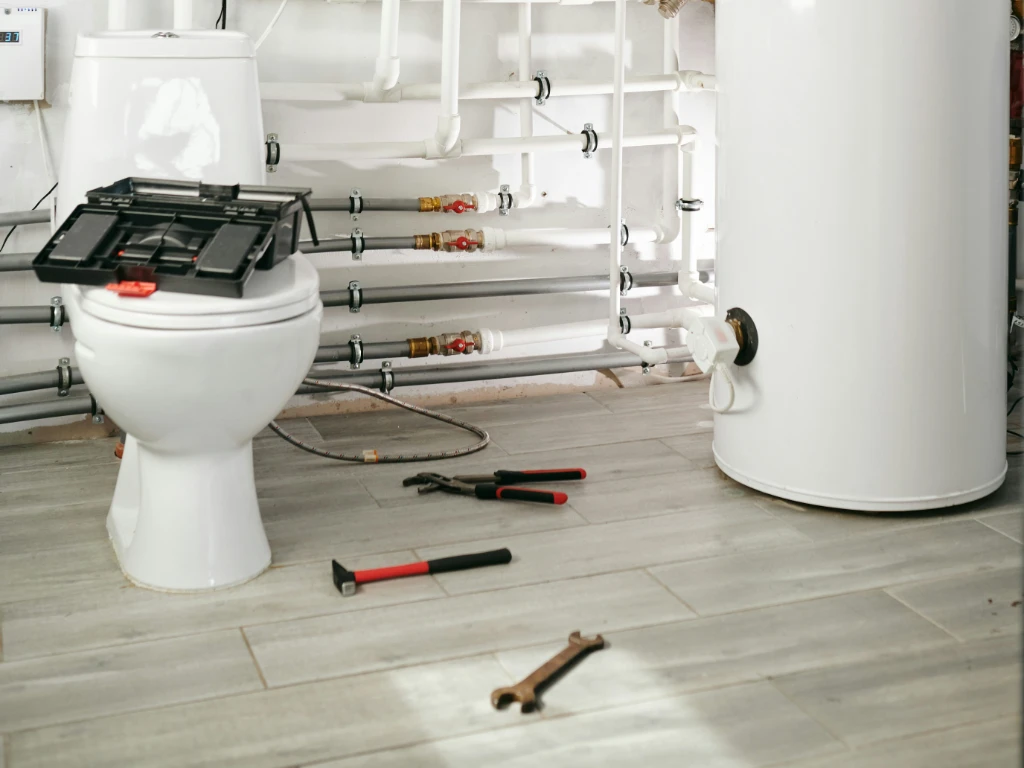
The appropriate repair approach depends on the type and extent of the damage.
Flange Repair Ring
For flanges with damaged or broken bolt slots — but an otherwise structurally sound collar — a repair ring can often solve the problem without full replacement. A stainless steel repair ring is placed over the existing flange and secured to the subfloor, providing new bolt slots at the correct position. This is a faster and less invasive solution than full replacement, and it works well when the flange collar itself is intact and properly connected to the drain pipe below.
Full Flange Replacement
When the flange collar is cracked, the connection to the drain pipe below is compromised, or a cast iron flange has corroded beyond the point where a repair ring can provide a solid anchor, full replacement is required. This involves removing the toilet, disconnecting or cutting the old flange from the drain pipe, and installing a new flange. On PVC systems, the new flange is solvent-welded into place. On older cast iron systems, a rubber fernco coupling or a specialty transition flange is used to connect the new PVC flange to the existing iron pipe.
A new wax ring — or a modern waxless gasket, which many plumbers now prefer for its adjustability and reusability — is installed at the same time as the flange is replaced, ensuring a fresh, reliable seal before the toilet is reset.
Flange Height Adjustment
If the flange sits too low relative to a newly installed tile floor, a flange extender or spacer ring can bring the connection surface up to the correct height. The flange surface should be at or very slightly above the finished floor level — never more than about six millimetres below it — to allow the wax ring to compress correctly and form a proper seal.
Why Flange Repairs Should Not Be Put Off
It is tempting to live with a slightly wobbly toilet or a faint bathroom odour that is easy to attribute to other causes. The reality is that a compromised toilet flange creates a category of damage that worsens silently and rapidly.
Wastewater escaping beneath the wax ring with every flush saturates the subfloor plywood, which swells, softens, and eventually rots. Once the subfloor is structurally compromised, the repair scope expands dramatically — from a flange and wax ring replacement to a subfloor repair and potentially tile removal and reinstallation. In severe cases, the damage extends to the floor joists below.
Catching a flange problem at the wobble stage costs a small fraction of what it costs to address it after the subfloor has been damaged.
Absolute Draining & Plumbing: Toronto’s Toilet and Drain Flange Experts
A toilet flange repair or replacement is not a complicated job in experienced hands, but it is also not one where guesswork pays off. Getting the flange height wrong, using an incompatible repair method, or failing to properly inspect the drain pipe below the flange can mean doing the job twice.
At Absolute Draining & Plumbing, our licensed technicians have been handling toilet flange repairs, replacements, and full bathroom drain work across Toronto, Etobicoke, Mississauga, and the GTA for over 20 years. We diagnose the issue correctly the first time, explain the repair clearly before starting, and back our work with a 25-year warranty on drain repairs. Flat-rate pricing, no hidden fees, and 24/7 availability for plumbing emergencies.
Contact us today through our form or call +1 (416) 252-5557 for expert plumbing, drain, and related services in Toronto, Etobicoke, Mississauga, and across the GTA.