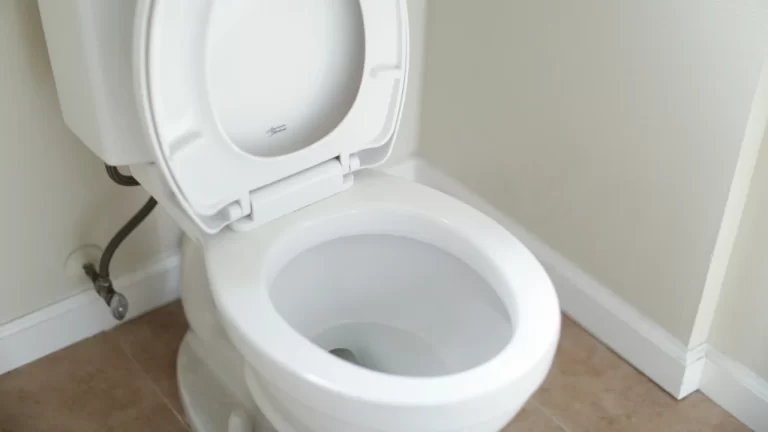
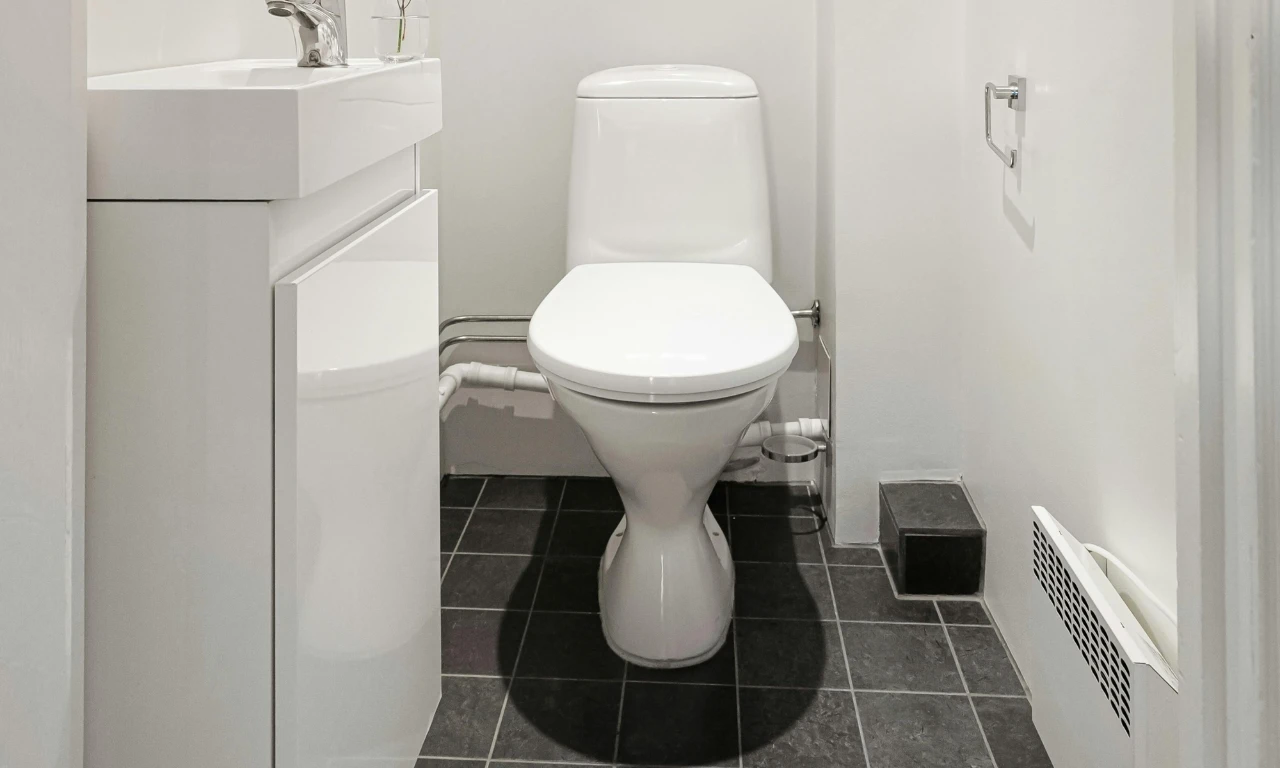
There is perhaps no household plumbing moment more stressful than watching the water in your toilet bowl rise instead of drain. Whether it happens in your own bathroom or — worse — in a guest bathroom mid-visit, a clogged toilet demands immediate attention. The instinct for most people is to flush again and hope for the best. Do not do that. A second flush on a blocked toilet is almost always what turns a minor inconvenience into a flooded bathroom floor.
Knowing how to plunge a toilet correctly is one of the most practical skills any homeowner can have. It costs nothing, takes less than five minutes when done right, and can save you a significant amount of stress and water damage. The catch is that most people are using the wrong type of plunger or the wrong technique — and then wondering why it is not working.
This guide walks you through exactly how to plunge a toilet effectively, what tools you actually need, the mistakes that make the job harder than it has to be, and the signs that tell you the clog is beyond what any plunger can fix. If you are a homeowner in Toronto or anywhere in the GTA, this is the one plumbing skill worth getting right.
Contact us today through our form or call +1 (416) 252-5557 for expert plumbing, drain, and related services in Toronto, Etobicoke, Mississauga, and across the GTA.
Why Toilets Clog in the First Place
Before you fix the problem, it helps to understand what you are dealing with. Toilet clogs happen for a number of reasons, and knowing the cause affects how aggressively you need to approach the solution.
1. Excess Toilet Paper
The most common cause by far. Using too much toilet paper in a single flush — or using a thicker, quilted variety — can create a dense mass that the drain cannot push through on its own. This type of clog is usually located close to the trap and responds well to plunging.
2. Non-Flushable Items
Wipes marketed as “flushable” are one of the most persistent sources of serious drain clogs. Unlike toilet paper, which breaks down rapidly in water, these wipes hold their structure and accumulate inside the drain line. Baby wipes, facial tissues, cotton pads, paper towels, and hygiene products all belong in the garbage — not the toilet. These clogs are often harder to clear and can build up further down the sewer line.
3. A Partially Blocked Trap
Every toilet has an internal S-shaped or P-shaped trap moulded into the porcelain at the base of the bowl. Its function is identical to the trap under a kitchen sink — it holds water to block sewer gases. Foreign objects, excessive toilet paper, or organic buildup can lodge in this trap and cause persistent slow flushing or a full blockage.
4. Hard Water Mineral Buildup
In the GTA, hard water is a fact of life for most homeowners. Over years of use, calcium and magnesium deposits can build up along the interior of the drain passage at the base of the toilet bowl, gradually narrowing the opening. This does not cause sudden clogs but can make the toilet far more susceptible to blockages from even a modest amount of paper.
5. A Problem Further Down the Line
If your toilet is clogging repeatedly despite normal use, or if other fixtures in the house are slow or backing up at the same time, the issue may not be in the toilet at all — it may be in the main drain line serving your entire home.
Choosing the Right Plunger

This is where most people go wrong before they even start. Not all plungers are created equal, and using the wrong one makes the job significantly harder.
There are two common types:
Cup plunger — This is the classic red rubber plunger with a flat, circular cup at the end. It works well on flat surfaces like kitchen sinks and tub drains. It does not work well on toilets because the flat cup cannot form a proper seal over the curved drain opening at the bottom of the bowl.
Flange plunger — This is the correct tool for toilets. It has the same rubber cup as a standard plunger, but with an additional soft rubber flap — called a flange — that folds out from the inside of the cup. That flange is specifically designed to fit into the toilet drain opening, creating the airtight seal you need to generate effective suction.
If you only have a cup plunger on hand, you can fold it inside-out to create a makeshift flange, but investing in a proper flange plunger is well worth the few dollars it costs.
How to Plunge a Toilet: Step-by-Step
Step 1: Stop the Toilet From Overflowing
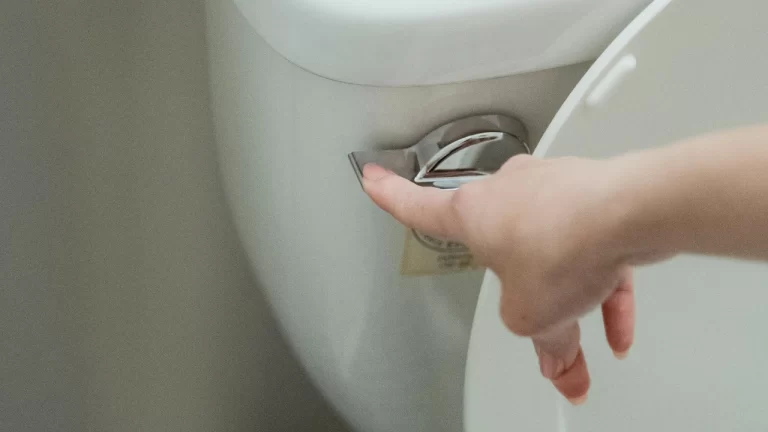
If the water level in the bowl is dangerously high and threatening to overflow, do not flush again. Instead, remove the lid from the toilet tank and press down on the flapper — the rubber valve at the bottom of the tank — to stop more water from entering the bowl. You can also shut off the water supply valve located on the wall behind the toilet by turning it clockwise.
Give the water level a few minutes to drop before you begin plunging. Working with an overfull bowl is messy and reduces the effectiveness of the seal.
Step 2: Suit Up
Sewage water contains bacteria. Put on rubber gloves before you start, and lay old towels or newspaper around the base of the toilet to catch any splash. If you have them, safety glasses are not overkill — vigorous plunging can send water upward unexpectedly.
Step 3: Warm Up the Plunger
A cold, stiff rubber plunger does not seal as effectively as a warm, pliable one. Run the plunger under hot tap water for 30 to 60 seconds before using it. This softens the rubber and allows it to conform better to the shape of the drain opening.
Step 4: Position the Plunger Correctly
Lower the plunger into the bowl at an angle, allowing it to fill with water as you submerge it. This is important — you want the plunger to be full of water, not air. Air compresses; water does not. A water-filled plunger transmits force directly to the clog rather than simply bouncing back.
Fit the flange into the drain opening and press down gently to form a firm seal. The cup should be fully submerged. If the bowl does not have enough water to cover the cup, add some from the tap rather than flushing.
Step 5: Plunge With the Right Technique
Begin with a slow, controlled downward push to fully seat the seal and push out any remaining air. Then use firm, rhythmic up-and-down strokes — pushing down and pulling back with equal force. The pull stroke is just as important as the push. The suction created on the upstroke is often what dislodges the clog, not the pressure going down.
Maintain the seal throughout. If you break the seal and lose suction, reposition and start again. Continue for 15 to 20 strokes before checking whether the water drains.
Step 6: Test and Repeat if Needed
If the water drains away after plunging, the clog has been cleared. Flush the toilet once to confirm that water flows freely. If it drains but slowly, there may still be partial blockage — repeat the process.
If the water level drops only slightly or not at all, reposition the plunger, ensure the seal is firm, and try again with more deliberate strokes. Most straightforward toilet clogs clear within two to three rounds of plunging.
Contact us today through our form or call +1 (416) 252-5557 for expert plumbing, drain, and related services in Toronto, Etobicoke, Mississauga, and across the GTA.
When Plunging Is Not Enough
Plunging works well for soft, compressible clogs near the trap. There are situations, however, where a plunger will simply not do the job — and continuing to try can make things worse.
A Solid Object Is Lodged in the Trap
Children’s toys, toothbrushes, soap bars, and other hard objects can lodge in the toilet trap in a way that no amount of plunging will dislodge. In fact, aggressive plunging can push the object further down the drain where it becomes much harder to retrieve. If you suspect a foreign object, a toilet auger — a flexible cable tool specifically designed for toilet drain access — is the appropriate next step. If that does not retrieve it, a plumber can remove the toilet from the floor to access the trap directly.
The Toilet Keeps Clogging After Every Few Uses
A toilet that clogs repeatedly under normal usage conditions is telling you something. It could be a partial obstruction that has never been fully cleared, a buildup of mineral scale narrowing the trap passage, a venting issue causing poor drain flow, or a problem in the branch drain line. None of these are solved by plunging, and all of them will keep getting worse until properly diagnosed.
Other Fixtures Are Slow or Backing Up
If your toilet is clogged at the same time as your kitchen sink is draining slowly or your basement floor drain is showing water, the blockage is in your main sewer line. This is a plumbing emergency. Stop using all water-based appliances in the house and call a licensed plumber immediately. A main line backup can cause raw sewage to back up through the lowest drain in your home, which is typically the basement floor drain.
You Have Used a Chemical Drain Cleaner
Chemical drain cleaners are generally not recommended for toilets. Most are formulated for sink drain clogs and can damage the rubber seals and gaskets inside your toilet’s flushing mechanism, as well as the wax ring at the base of the toilet. If you have already poured drain cleaner into the bowl, do not attempt to plunge — the splashing can expose you to caustic chemicals. Let a plumber handle it safely.
Prevention: Keeping Your Toilet Flowing Freely
A little routine care goes a long way in avoiding repeat clogs.
- Flush only toilet paper. No wipes — flushable or otherwise — no paper towels, no tissues, and no hygiene products. Post a small reminder inside the lid if you have young children or frequent guests.
- Use less toilet paper per flush. If you regularly use large amounts, flush once midway through rather than all at once.
- Address slow flushing early. A toilet that is starting to flush weakly is showing early signs of a developing blockage or a flushing mechanism issue. Both are much easier to deal with before they become a full clog.
- Clean under the rim regularly. Mineral deposits from hard water can accumulate under the toilet rim and in the trap passage, gradually restricting flow. A monthly clean with a toilet brush and a descaling cleaner keeps buildup in check.
- Have your main drain line inspected periodically. If you have large trees on your property or live in an older Toronto neighbourhood with clay sewer pipes, root intrusion is a real risk. An annual inspection catches these problems before they cause a backup.
Absolute Draining & Plumbing: Toronto’s Trusted Plumbing Team
When plunging does not solve the problem — or when you want to know for certain what is happening inside your drain line — Absolute Draining & Plumbing is ready to help. For over 20 years, we have been the team Toronto and GTA homeowners call when they need fast, reliable, no-nonsense plumbing service.
We use professional-grade drain cameras and equipment to diagnose the issue accurately the first time. Our flat-rate pricing means no surprises on your invoice, and we back our drain repair work with a 25-year warranty. Whether it is a simple toilet clog, a main line backup, or a full drain inspection, our licensed and insured team is available 24/7.
Contact us today through our form or call +1 (416) 252-5557 for expert plumbing, drain, and related services in Toronto, Etobicoke, Mississauga, and across the GTA.