Most people use their kitchen or bathroom sink dozens of times a day without giving a single thought to how it actually works. It is one of those household fixtures that operates so reliably, for so long, that its inner workings remain completely invisible — right up until something goes wrong. Then, suddenly, you are crouched under the cabinet with a flashlight, trying to figure out which part is leaking and what it is even called.
Understanding the parts of a sink is genuinely practical knowledge. It helps you communicate clearly with a plumber, diagnose minor issues before they become major ones, make informed decisions about repairs versus replacements, and carry out basic maintenance tasks with confidence. Whether you are dealing with a dripping faucet, a slow drain, or a leak you cannot quite locate, knowing the vocabulary and function of each component puts you in a far better position to address it.
This guide covers all the key parts of a kitchen and bathroom sink — from the basin and faucet down through the drain assembly and the pipes beneath the cabinet — along with what each component does, how it tends to fail, and what to watch for as a homeowner.
Contact us today through our form or call +1 (416) 252-5557 for expert plumbing, drain, and related services in Toronto, Etobicoke, Mississauga, and across the GTA.
The Basin
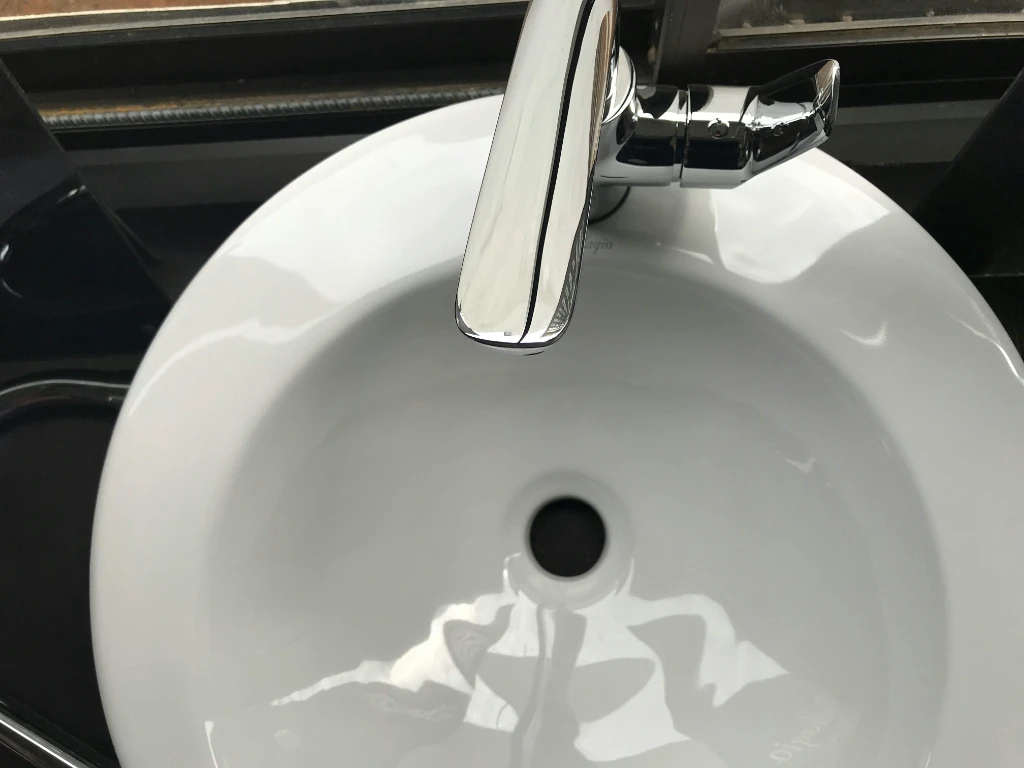
The basin is the bowl-shaped receptacle that holds water — the part of the sink you actually see and use every day. Basins come in an enormous range of materials, configurations, and mounting styles, and the type of basin you have affects how the other components are installed and accessed.
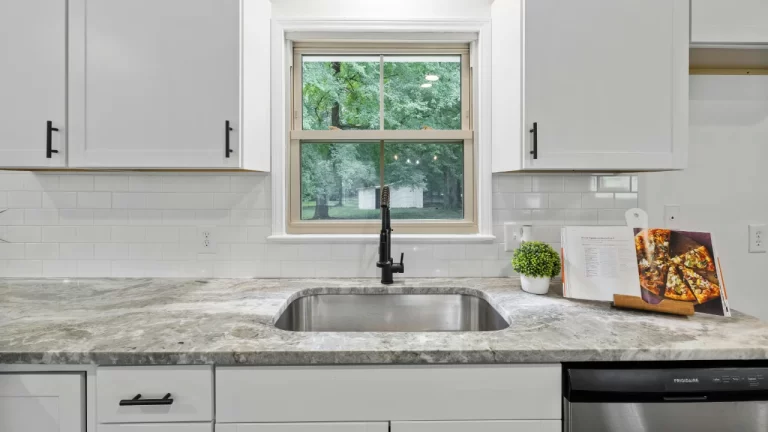
Undermount basins are installed beneath the countertop surface, with the countertop material extending to the edge of the opening. These are popular in modern kitchens because there is no lip to catch water or food debris, making them easier to clean.
Drop-in or top-mount basins sit in a hole cut into the countertop with a rim that rests on the surface. They are the most common type in Canadian homes and the easiest to install or replace.
Pedestal and wall-mounted basins, found primarily in bathrooms, expose the drain and supply connections rather than concealing them in a cabinet. They require the same plumbing components as any other sink but leave everything more visible and accessible.
The basin itself rarely fails in a dramatic way, but it can develop hairline cracks — particularly in ceramic or porcelain — that allow water to seep into the countertop or cabinet below. Chips and crazing in porcelain can also harbour bacteria in a kitchen environment. A basin in poor condition is worth replacing rather than patching.
The Faucet
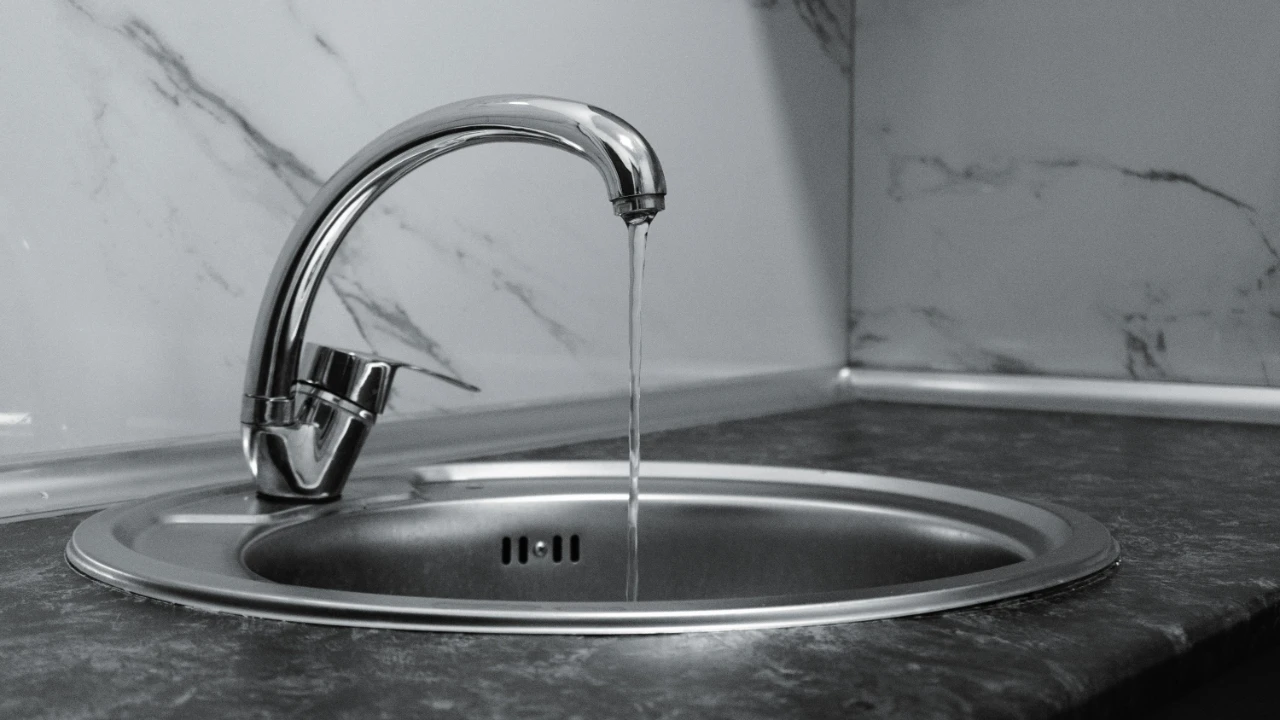
The faucet is the fixture that controls the flow and temperature of water into the basin. It is one of the most complex components of the sink in terms of internal mechanics and one of the most frequently repaired.
Modern residential faucets fall into a few broad categories based on their internal valve mechanism.
Ball faucets use a rotating ball with ports that align with the hot and cold inlets to mix water. They are common in single-handle kitchen faucets and are recognisable by their rounded cap above the handle. Ball faucets have multiple small internal parts — springs, seats, and O-rings — that wear out over time and cause dripping.
Cartridge faucets use a replaceable cartridge to control water flow and temperature. They are found in both single- and double-handle configurations and are among the easiest faucets to repair, since the cartridge is a single replaceable unit rather than an assembly of small components.
Ceramic disc faucets use two ceramic discs that rotate against each other to control flow. They are extremely durable and require very little maintenance, though the discs themselves can crack if exposed to freezing temperatures or sharp impact.
Compression faucets are the oldest type, commonly found in older Toronto homes. They use a rubber washer that is pressed against a seat to stop water flow. The washer degrades over time and needs periodic replacement — the classic cause of a dripping tap.
Faucet Handles
The handles are what the user interacts with to control the faucet. Single-handle faucets control both flow and temperature through one lever or knob. Double-handle faucets have separate controls for hot and cold. Handle mounting can be deck-mounted — installed through holes in the sink basin or countertop — or wall-mounted, which is more common in utility and commercial settings.
The Aerator
The aerator is the small screen fitting threaded onto the end of the faucet spout. It mixes air into the water stream, reducing flow rate while maintaining the perception of good pressure, and produces a consistent, splash-free stream. Aerators are one of the most maintenance-neglected parts of a sink — in the GTA’s hard water environment, mineral deposits can clog the screen significantly within a year or two, reducing flow noticeably. Unscrewing and soaking the aerator in white vinegar is a two-minute fix that most homeowners never think to do.
The Sprayer
Many kitchen sinks include a side sprayer or a pull-out sprayer integrated into the faucet head. The side sprayer connects to the faucet’s water supply through a diverter valve inside the faucet body. When the sprayer trigger is pressed, the diverter redirects water from the main spout to the sprayer hose. A common issue with older side sprayers is a worn diverter valve that causes reduced pressure from the main spout even when the sprayer is not in use.
Pull-out and pull-down sprayer heads, which are built into the faucet and extend on a retractable hose, have become the more popular choice in modern kitchens. The hose can develop cracks or kinks over time and the spray head itself can accumulate mineral deposits that affect the spray pattern.
The Sink Drain Assembly
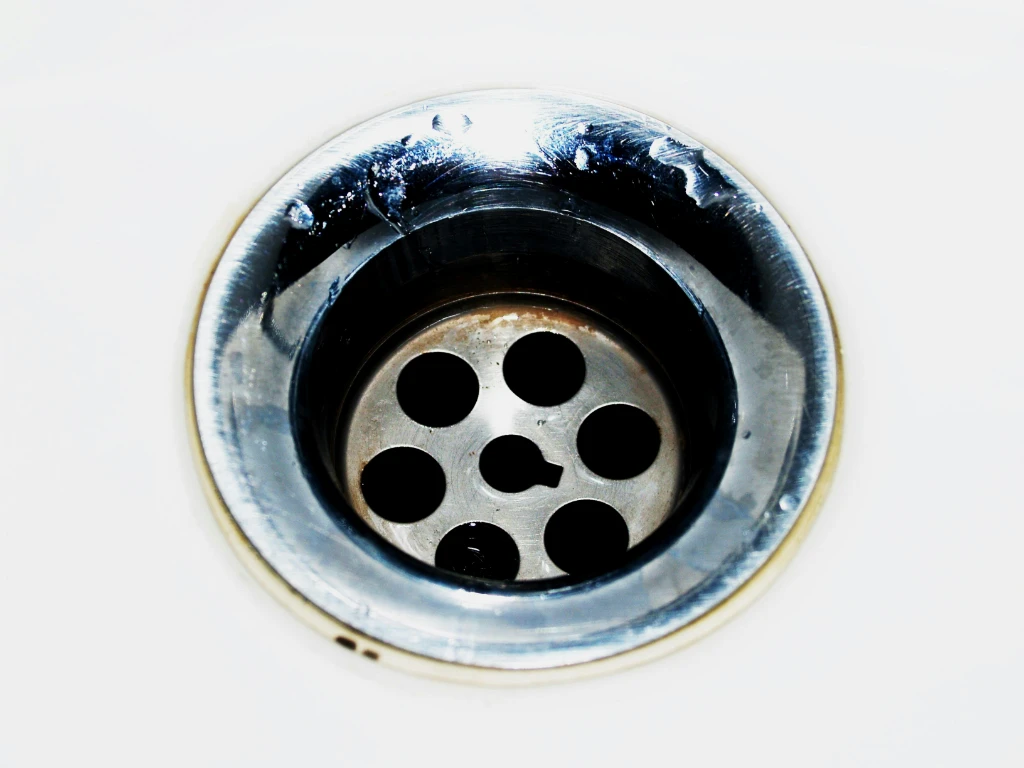
The drain assembly is the set of components that controls water flow from the basin into the drain pipe. It is where most visible leaks and slow-drain issues originate.
The Drain Flange and Strainer
The drain flange is the visible metal ring set into the drain opening at the bottom of the basin. In a kitchen sink, it typically includes a removable strainer basket that catches food debris. In a bathroom sink, the drain flange is part of the pop-up drain assembly. The flange is sealed to the basin with plumber’s putty or a rubber gasket and connects to the drain tailpiece below. A dried-out or deteriorated putty seal is a common cause of leaks directly beneath the drain opening.
The Pop-Up Drain Assembly
In bathroom sinks, the drain is typically controlled by a pop-up stopper — a plug that opens and closes the drain via a lift rod on the back of the faucet body. The lift rod connects to a pivot rod inside the drain pipe through a clevis strap and spring clip arrangement. This entire linkage is called the pop-up assembly, and while it is clever in design, it has several small components that can loosen, corrode, or come out of adjustment over time. A bathroom drain stopper that no longer stays up or down is almost always a pop-up assembly adjustment — usually a five-minute fix with a screwdriver.
The Drain Tailpiece
The tailpiece is the straight section of pipe that drops vertically from the drain flange down to the P-trap below. It is typically made of PVC or chrome-plated brass and connects to the drain flange with a slip nut and washer. The tailpiece on a kitchen sink may include a side inlet where the dishwasher drain hose connects, which is an important detail to note during any drain work. Cracks or loose slip nut connections at the tailpiece are a frequent source of under-sink drips.
The P-Trap
The P-trap is the curved section of pipe beneath the sink — the U-shaped bend that is visible when you open the cabinet. Its name comes from its resemblance to the letter P when viewed from the side. The P-trap serves a critical function: it retains a small amount of water at all times, which creates a barrier that prevents sewer gases from travelling back up through the drain and into your home.
P-traps are made from PVC, ABS, or chrome-plated brass. They connect to the tailpiece above and the drain line in the wall behind. Because of the curve, the P-trap is also the first place where heavy debris settles and accumulates, making it the most common site of sink clogs. P-trap connections are made with slip nuts and washers that allow for easy disassembly — cleaning or clearing the P-trap is one of the more accessible DIY drain tasks for homeowners comfortable with basic plumbing.
A P-trap that has dried out — which can happen in a sink that has not been used for an extended period, such as in a vacation property or a rarely used bathroom — will allow sewer gas to enter the room. Running water for a minute restores the water seal.
Contact us today through our form or call +1 (416) 252-5557 for expert plumbing, drain, and related services in Toronto, Etobicoke, Mississauga, and across the GTA.
The Drain Line and Wall Connection
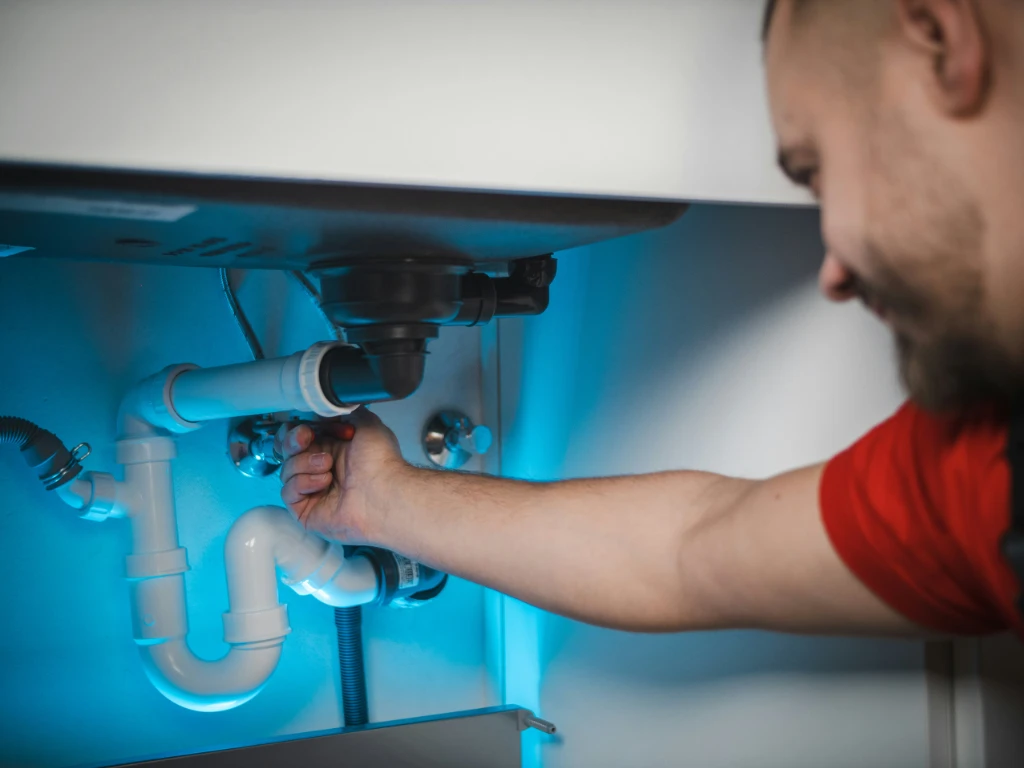
From the P-trap, a horizontal or slightly angled drain arm connects the trap to the drain line inside the wall — the stub-out. This connection is made with a slip nut fitting and must maintain a slight downward slope toward the wall to ensure water drains by gravity rather than pooling in the horizontal section. A drain arm installed level or with an upward slope will drain slowly and accumulate debris rapidly.
Inside the wall, the drain connects to the building’s branch drain line, which carries waste to the main drain stack and eventually to the municipal sewer.
The Water Supply Lines
The water supply lines deliver hot and cold water to the faucet. They run from the shut-off valves mounted on the wall or floor of the cabinet up to the faucet inlet connections above. Modern supply lines are typically braided stainless steel over a flexible inner core — durable, kink-resistant, and easy to install and replace. Older homes may have rigid copper or chrome supply tubes.
Each supply line is controlled by its own shut-off valve — one for hot and one for cold. These valves allow the faucet to be serviced without shutting off water to the entire house. Unfortunately, in many homes these valves are rarely operated and can seize or develop leaks around the stem over time. If your shut-off valves are stiff, corroded, or show any sign of moisture around the handle, they deserve attention before they fail at an inconvenient moment.
The Basket Strainer and Garbage Disposal Connection
In kitchen sinks, the basket strainer is the assembly connecting the basin drain to the tailpiece below. It includes the strainer body, which is sealed to the basin with plumber’s putty, and a locknut that secures it from below. Strainer bodies can corrode or develop cracks over time — particularly in stainless steel sinks where dissimilar metal reactions can occur at the rim — and the putty seal dries out and allows slow leaks after many years of service.
If the kitchen sink includes a garburator, the disposal unit mounts directly to the drain flange beneath one basin and connects to the drain tailpiece on one side. A dishwasher drain hose typically connects to the disposal unit as well, making the garburator a hub for several drain connections that all need to be checked when diagnosing a leak under the kitchen sink.
The Overflow
Many bathroom sinks — and some kitchen sinks — include an overflow opening: a small hole or slot near the top of the basin interior, just below the rim. The overflow prevents the sink from flooding if the tap is left running with the drain closed. Inside the sink body, a channel connects the overflow opening to the drain assembly below the stopper.
Overflow channels are a common source of unpleasant odours in bathroom sinks, as biofilm — a layer of bacteria and organic material — builds up inside the channel where it is difficult to reach with regular cleaning. A small bottle brush and a diluted bleach or vinegar solution pushed through the overflow opening handles this effectively.
Common Sink Problems and What They Tell You
With an understanding of all these components, diagnosing the most common sink problems becomes considerably more straightforward.
A drip from the faucet spout points to a worn internal valve component — a cartridge, washer, ball, or ceramic disc depending on the faucet type. A leak at the base of the faucet suggests deteriorated O-rings around the faucet body. Water pooling directly beneath the drain opening in the cabinet usually means the drain flange putty seal has failed. A leak at a slip nut joint in the P-trap or tailpiece means the washer inside that fitting has hardened and needs replacement. A slow drain that persists after cleaning the P-trap points to buildup further down the branch drain line.
None of these are unusual in a home that has seen years of daily use, and most are addressed efficiently by a licensed plumber with the right parts on hand.
Absolute Draining & Plumbing: Sink Repairs and Drain Services Across the GTA
Whether you are chasing down a mysterious drip under the cabinet, dealing with a persistent slow drain, or planning a kitchen or bathroom renovation that involves new sink installation, Absolute Draining & Plumbing brings over 20 years of experience to every job across Toronto, Etobicoke, Mississauga, and the surrounding GTA.
Our licensed and insured technicians diagnose sink and drain issues accurately, explain the repair clearly before starting, and back their work with a 25-year warranty on drain repairs. Flat-rate pricing with no hidden fees, and 24/7 availability for plumbing emergencies of any size.
Contact us today through our form or call +1 (416) 252-5557 for expert plumbing, drain, and related services in Toronto, Etobicoke, Mississauga, and across the GTA.