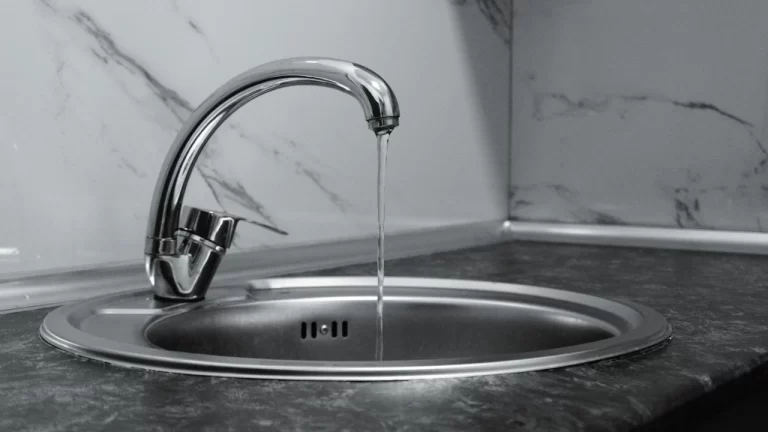
It always seems to happen at the worst possible moment — right after a big family dinner or just before you need to clean up for guests. You turn on the tap and instead of draining away, the water just sits there, rising slowly in the basin. A clogged kitchen sink is one of the most common plumbing complaints homeowners across the GTA deal with, and while it might seem like a minor annoyance, ignoring it can quickly lead to a full blockage, foul odours, and even water damage under your cabinets.
The kitchen sink takes more abuse than almost any other drain in the house. Grease, food scraps, dish soap, and coffee grounds go down it every single day. Over time, that buildup can narrow your drain pipe to the point where even a modest amount of water backs up. Understanding what is causing the clog — and how deep it sits in your plumbing — is what determines whether this is a quick five-minute fix or a job for a professional plumber.
This guide covers the most common causes of a clogged kitchen sink, practical DIY solutions you can try right now, the warning signs that point to a more serious drain problem, and long-term prevention strategies to keep water flowing freely in your Toronto home.
Contact us today through our form or call +1 (416) 252-5557 for expert plumbing, drain, and related services in Toronto, Etobicoke, Mississauga, and across the GTA.
Why Your Kitchen Sink Gets Clogged
Before reaching for the plunger, it helps to understand what you are actually dealing with. Kitchen sink clogs are almost never caused by one single event — they are the result of gradual buildup over weeks or months until the pipe can no longer keep up with normal water flow.
1. Grease and Fat Accumulation
This is the number-one culprit in kitchen drain clogs. When you pour hot cooking grease, bacon fat, or oily pan drippings down the drain, they flow freely in liquid form. But as they cool inside your pipes, they solidify and cling to the pipe walls. Every subsequent pour adds another layer until the passage narrows significantly. Even dish soap, while it helps break down grease on your plates, contributes to a sticky residue inside the drain over time.
2. Food Waste and Scraps
Even if you have a garburator, small food particles escape into the drain line regularly. Coffee grounds are particularly problematic — they do not dissolve and tend to clump together into a dense, paste-like mass inside the P-trap. Starchy foods like pasta and rice absorb water and swell inside the pipe, and fibrous vegetable scraps like celery or onion skins can wrap around each other and form a tangled blockage.
3. Soap Scum and Mineral Deposits
In areas with hard water — which includes much of the Greater Toronto Area — soap reacts with dissolved minerals in the water to form soap scum. This waxy substance coats the inside of drain pipes and progressively reduces their internal diameter. Combined with food particles and grease, it creates a particularly stubborn type of clog that resists simple flushing.
4. A Blocked P-Trap
The P-trap is the curved section of pipe directly beneath your sink — the U-shaped bend visible when you open the cabinet doors. Its job is to hold a small amount of water at all times, which creates a seal that prevents sewer gases from entering your home. Unfortunately, it is also the first place where heavy debris settles and accumulates. A clogged P-trap is one of the most frequent causes of a kitchen sink that drains slowly or not at all.
5. Deeper Drain Line Blockages
If the clog is not in the P-trap, it may be further down in the branch drain line or even in the main sewer line. These blockages are more serious and less accessible, and they are often accompanied by problems in other fixtures throughout the house.
Warning Signs Your Kitchen Drain Problem Is Getting Serious
A kitchen sink clogged to the point of standing water is obvious — but there are subtler signals worth paying attention to before things get that bad.
- Slow drainage that gradually worsens over days or weeks, even after you have cleared visible debris from the drain opening
- Gurgling sounds coming from the drain when water is running elsewhere in the house, such as the washing machine or a bathroom fixture
- Foul smell rising from the drain, which indicates decomposing food or organic matter trapped in the pipe
- Water backing up in other fixtures when the kitchen sink drains — for example, the floor drain in the basement showing water, or the toilet bubbling when the dishwasher runs
- Repeated clogs in the same drain despite regular cleaning, which suggests a structural issue such as a buildup in the main line or a partially collapsed pipe
That last point is important: if you are clearing your kitchen drain every few weeks only to have it clog again, you are treating the symptom rather than the cause.
DIY Solutions for a Clogged Kitchen Sink
For a straightforward clog located in or near the P-trap, there are several effective methods you can try at home before calling in a plumber.
Boiling Water
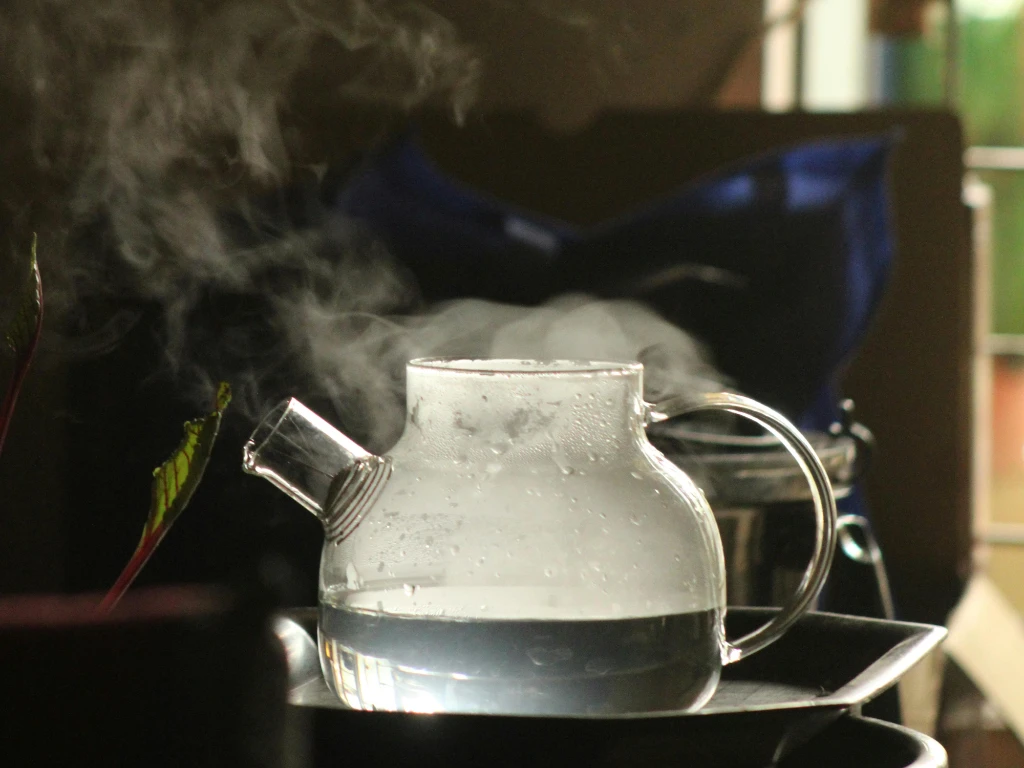
This is always the first thing to try. Boil a full kettle and slowly pour it directly down the drain in two or three stages, allowing the hot water to work on grease buildup between pours. This works best on fresh grease clogs and is completely safe for metal pipes. If you have PVC pipes, use very hot tap water rather than a full boil to avoid softening the joints.
Baking Soda and Vinegar
A classic combination that is genuinely effective for light to moderate buildup. Start by removing as much standing water from the sink as possible. Pour half a cup of baking soda directly down the drain, followed immediately by half a cup of white vinegar. Cover the drain opening with a cloth or stopper to direct the fizzing action downward rather than back up into the sink. Let it sit for 20 to 30 minutes, then flush with hot water. Repeat if needed.
This method is much gentler on your pipes than commercial chemical drain cleaners, which can corrode older metal pipes and damage the seals in PVC fittings over repeated use.
Plunging the Kitchen Drain
A cup plunger (the standard flat-bottomed type, not the flange plunger used for toilets) can generate enough suction to dislodge a blockage in the P-trap or branch line. If you have a double sink, plug the second drain opening with a wet cloth before plunging — this directs the pressure where you need it instead of dissipating it through the other basin. Give it ten to fifteen firm pumps and check whether drainage improves.
Cleaning the P-Trap Manually
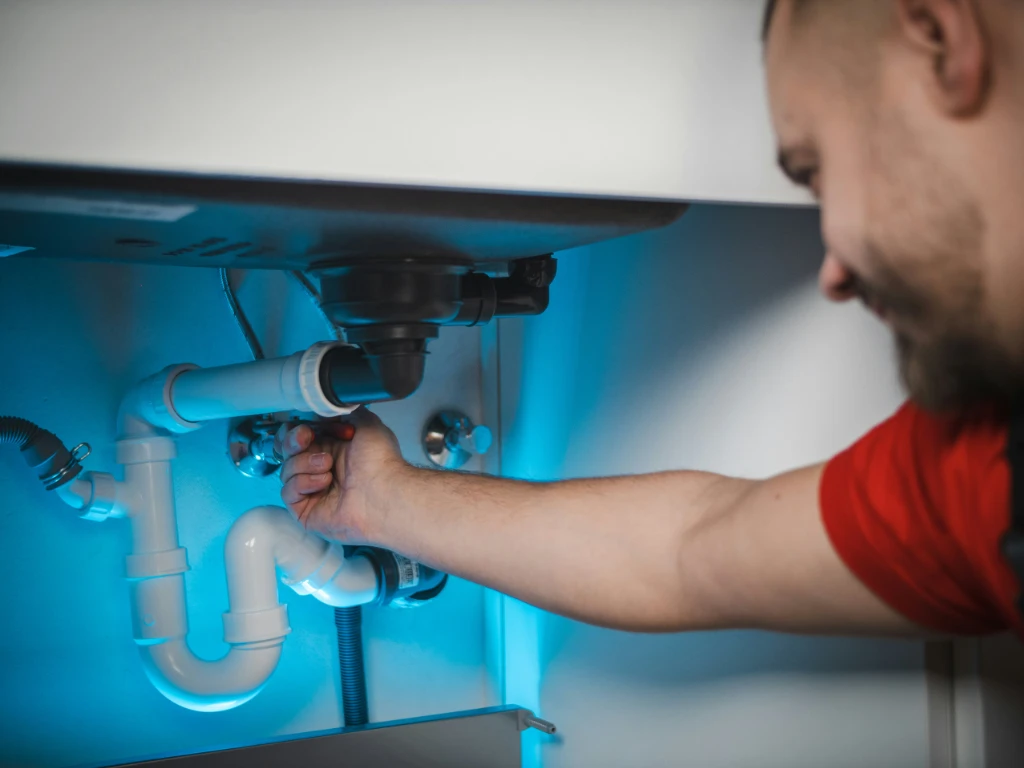
If the above methods do not clear the clog, the blockage is almost certainly sitting in the P-trap. Place a bucket under the curved pipe beneath the sink to catch the water. Use groove-joint pliers to loosen the slip nuts on either end of the trap (many modern P-traps can be hand-loosened). Remove the trap, clean out the debris — brace yourself, it is usually unpleasant — and rinse it thoroughly before reinstalling.
Make sure the slip nuts are snug when you reassemble, but do not overtighten them. Run water immediately to confirm there are no leaks at the joints.
Using a Drain Snake
If the P-trap is clear but the drain is still slow or blocked, the clog is sitting further down the line. Feed a manual drain snake (also called an auger) into the drain opening past the P-trap and advance it until you feel resistance. Rotate the handle to break through the obstruction or snag the material so you can pull it back out.
A snake is effective for clogs up to several metres down the drain line. Beyond that, or if you encounter significant resistance that will not break up, it is time to stop and call a professional — forcing the snake can damage older pipe joints.
Contact us today through our form or call +1 (416) 252-5557 for expert plumbing, drain, and related services in Toronto, Etobicoke, Mississauga, and across the GTA.
When to Call a Professional Plumber
DIY methods have their limits. There are situations where continuing to work on the drain yourself will make the problem worse or cause new damage.
Multiple Fixtures Are Affected
If your kitchen sink is backing up at the same time as your basement floor drain or bathroom fixtures, the blockage is in your main drain line — not the kitchen branch. Main line clogs require professional equipment such as a hydro-jet or motorised drain auger to clear safely.
Chemical Cleaners Have Already Been Used
If you have already poured commercial drain cleaner down the sink and the clog has not cleared, do not keep adding more. The caustic chemicals can pool in the pipe and create a hazard for anyone working on the drain afterward. Let a professional handle it with the proper protective equipment.
You Suspect a Damaged or Collapsed Pipe
Older Toronto homes — particularly those built before the 1980s — may still have cast iron or galvanised steel drain pipes that have corroded significantly over the decades. If your drain snake meets unusually soft resistance or you hear unusual sounds, there may be a structural issue that no amount of snaking will resolve. A camera inspection is the only way to know for certain.
The Clog Keeps Coming Back
Recurring clogs in the same drain within a short period are a red flag. It usually means there is a root intrusion, a significant grease accumulation deep in the line, or a pipe that is no longer properly sloped and is allowing debris to pool. A professional drain cleaning with a hydro-jet can fully restore the interior of the pipe in a way that a hand snake simply cannot.
Long-Term Prevention: Keep Your Kitchen Drain Clear
The most effective fix for a clogged kitchen sink is avoiding the clog in the first place.
- Never pour grease down the drain. Let cooking fat cool and solidify in a container, then dispose of it in the garbage.
- Use a drain strainer. A simple mesh basket over the drain opening catches food particles before they enter the pipe, and takes seconds to empty.
- Flush with hot water after every use. Running the hot tap for 30 seconds after doing dishes helps push residual grease further down the line and out of the system.
- Do a monthly baking soda and vinegar flush as a maintenance habit rather than waiting for a clog to develop.
- Be mindful of what goes into the garburator. Coffee grounds, eggshells, starchy foods, and fibrous vegetables all belong in the compost, not the drain.
- Schedule a professional drain cleaning annually. A plumber can hydro-jet the entire kitchen drain line, removing years of grease and mineral buildup before it becomes a problem.
Why GTA Homeowners Call Absolute Draining & Plumbing
At Absolute Draining & Plumbing, we have been clearing kitchen drains and solving plumbing problems for Toronto homeowners for over 20 years. We use professional-grade equipment — including high-pressure hydro-jetting and drain inspection cameras — to locate and clear blockages quickly, without guesswork.
Our flat-rate pricing means you know exactly what you are paying before we start. We are fully licensed, insured, and available 24/7 for plumbing emergencies across Toronto, Etobicoke, Mississauga, and the surrounding GTA. No hidden fees, no hourly surprises, and a 25-year warranty on drain repairs.
Whether you have a kitchen sink clogged beyond what any plunger can fix or you want a full drain cleaning to get ahead of the problem, our team is ready to help.
Contact us today through our form or call +1 (416) 252-5557 for expert plumbing, drain, and related services in Toronto, Etobicoke, Mississauga, and across the GTA.