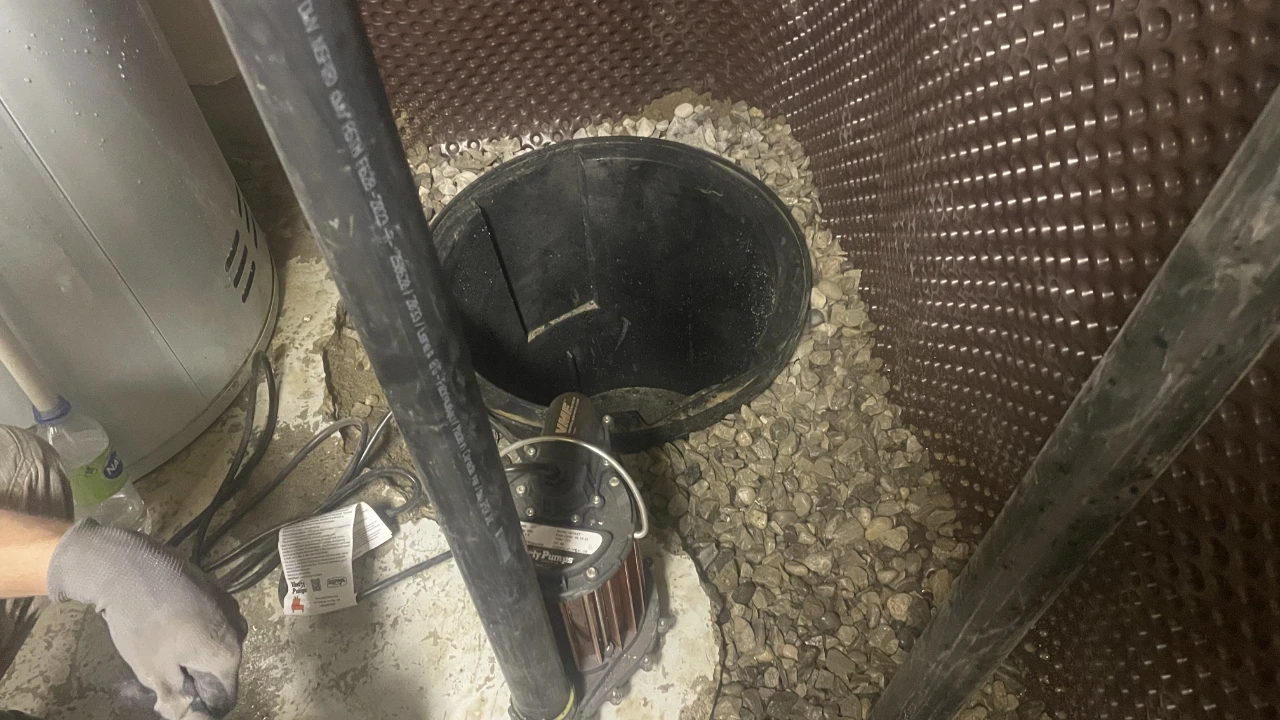
If you have ever bought a home in Ontario, there is a good chance your home inspector pointed to a cylindrical pit in the corner of your basement and said something along the lines of “that’s your sump pump — make sure it’s working.” Most homeowners nod along and promptly forget about it, right up until the moment their basement floods and someone asks them when they last tested it.
A sump pump is one of those pieces of home infrastructure that operates invisibly in the background, doing an important job that nobody thinks about — until it stops doing it. For homeowners in Toronto and across the GTA, where spring thaw, heavy rainfall, and aging municipal storm systems all conspire to push water toward your foundation, a functioning sump pump is not a luxury. It is one of the most important flood protection tools your home has.
So what does a sump pump do, exactly? How does it work, what are the signs that yours is failing, and how do you make sure it is ready when you actually need it? This guide answers all of those questions and gives you the practical knowledge to protect one of the most significant investments you will ever make.
Contact us today through our form or call +1 (416) 252-5557 for expert plumbing, drain, and related services in Toronto, Etobicoke, Mississauga, and across the GTA.
What Does a Sump Pump Do?
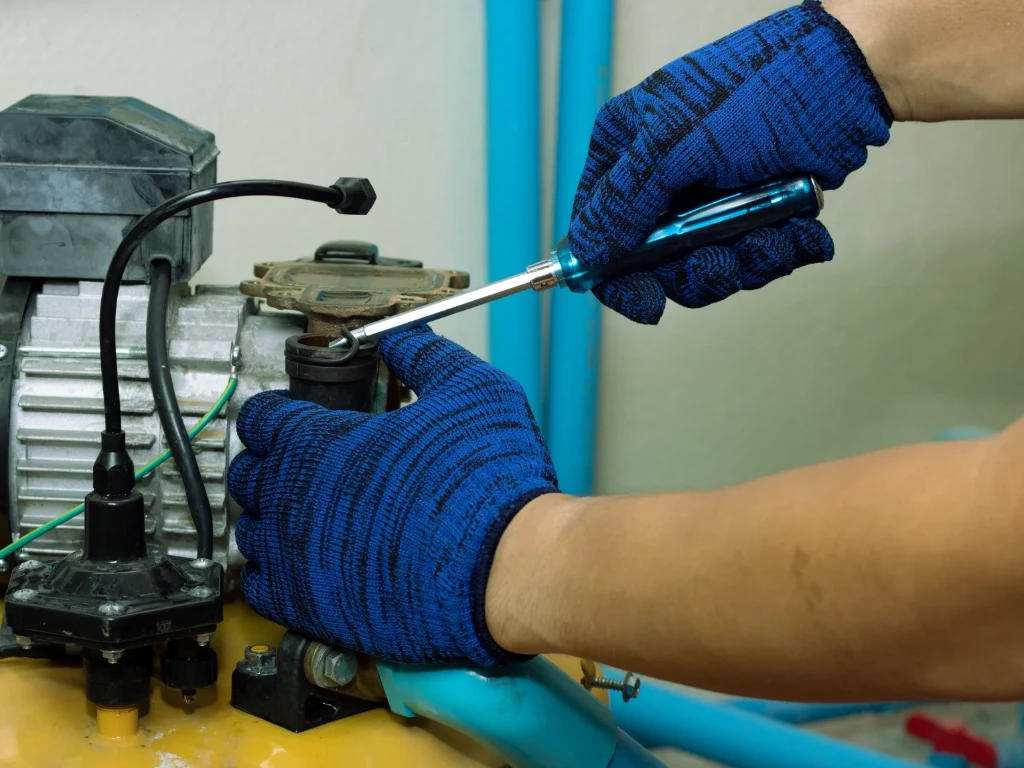
At its core, a sump pump collects groundwater that accumulates around and beneath your home’s foundation and pumps it away from the building before it can seep through the basement walls or floor and cause water damage.
Here is how the system works in practice. Around the perimeter of your basement, beneath the concrete floor, sits a network of drainage tile or weeping tile — a perforated pipe that collects groundwater as it migrates through the soil. That water is directed toward the sump pit, which is the cylindrical basin set into the lowest point of your basement floor. As groundwater rises, the pit fills. When the water reaches a set level, a float switch activates the pump, which then forces the water up through a discharge pipe and directs it away from your home — typically to a storm drain, a dry well, or a discharge point in your yard well away from the foundation.
The entire cycle happens automatically, often without the homeowner ever being aware of it. During a heavy spring rainstorm or a rapid snowmelt, a sump pump may cycle on and off dozens of times in a single day.
Why Sump Pumps Matter in the GTA
Toronto and the surrounding municipalities sit on land with soil conditions and a water table that make basement water infiltration a genuine and recurring concern. Clay-heavy soil, which is common throughout much of the GTA, does not drain well. Instead of allowing rainwater and snowmelt to percolate downward, clay soil holds moisture and redirects it laterally — directly toward the path of least resistance, which is often your foundation wall.
On top of that, the City of Toronto’s combined sewer system — which handles both stormwater and sanitary sewage in the same pipes — regularly becomes overwhelmed during significant rain events. When that happens, the system cannot accept additional stormwater runoff, and groundwater has nowhere to go except up. Without a functioning sump pump, that water ends up in your basement.
This is also why the City of Toronto has historically offered rebates for homeowners who install flood protection devices including sump pumps and backwater valves. The city has a direct financial interest in keeping basement flooding off its emergency response and insurance claim records.
Types of Sump Pumps
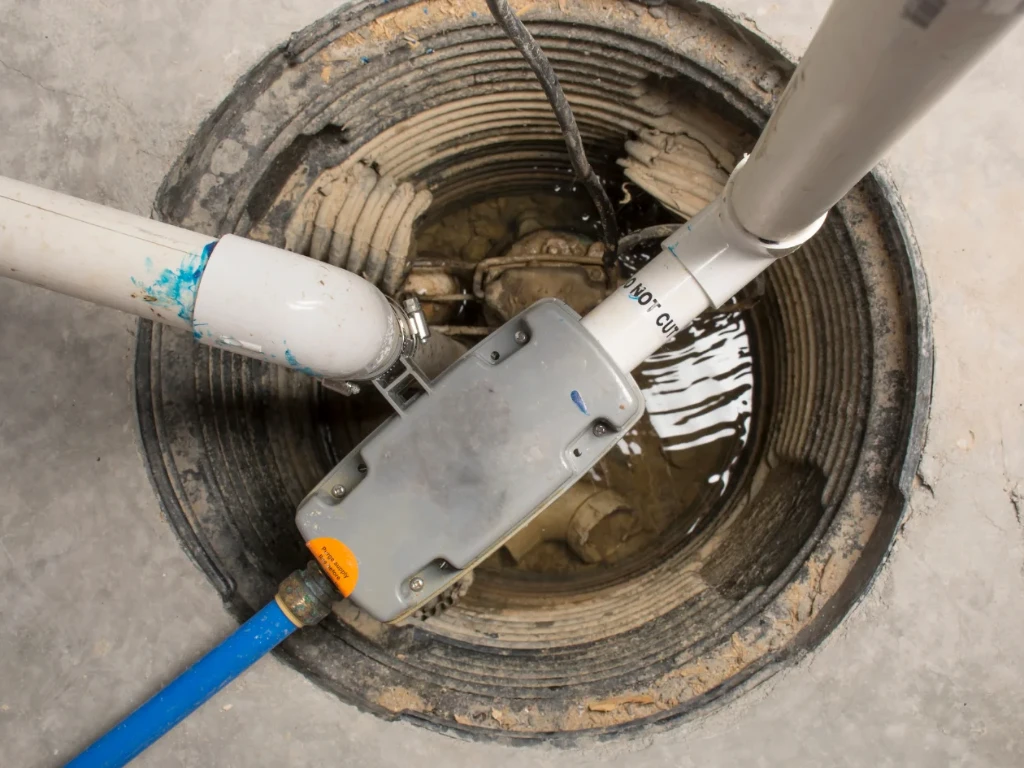
Not all sump pumps are the same, and understanding the difference helps you make better decisions about installation, replacement, and backup systems.
Submersible Sump Pumps
The most common type in modern residential construction. The motor and pump mechanism are housed in a single waterproof unit that sits submerged at the bottom of the sump pit. Because the motor is underwater, it runs more quietly and tends to handle larger volumes of water more effectively. Submersible pumps also take up less visual space since the entire unit is contained within the pit.
Pedestal Sump Pumps
An older design where the motor sits on a pedestal above the pit while the pump intake sits in the water below. Because the motor is not waterproofed for submersion, pedestal pumps are easier to access for maintenance and inspection. However, they are noisier, less powerful, and generally less well-suited to handling heavy water volumes. They are rarely installed in new construction but are still found in many older Toronto homes.
Battery Backup Sump Pumps
This is a secondary pump that operates on a battery rather than your home’s electrical supply. It is one of the most important additions any homeowner can make to their sump system. Here is the critical point: the times when you most need your sump pump — during a severe thunderstorm, for example — are also the times when power outages are most likely to occur. A battery backup pump activates automatically when the primary pump fails or when the power goes out, giving you continuous protection exactly when it matters most.
Water-Powered Backup Pumps
An alternative to battery backup, these units use the pressure of your home’s municipal water supply to drive the pump mechanism, requiring no electricity at all. They are reliable but do consume water during operation, which may be a consideration depending on your water rates.
Signs Your Sump Pump Is Failing
A sump pump that is struggling or on the verge of failure will usually give you advance warning — if you know what to look for.
- The pump runs continuously without cycling off, even during dry weather. This often points to a stuck float switch or a pump that is undersized for the volume of water your pit receives.
- The pump never runs at all, even during or after heavy rainfall. Test it by pouring a bucket of water into the pit and watching whether the float triggers the pump. If nothing happens, you have a problem.
- Unusual noise during operation — grinding, rattling, or loud humming suggests a worn impeller, debris caught in the intake, or a failing motor bearing.
- Visible rust or corrosion on the pump body or discharge pipe fittings, which can indicate that the unit is past its service life or that there is a persistent moisture issue in the pit area.
- Water in the basement despite the pump appearing to run. This can mean the discharge pipe is frozen or blocked, the pump’s capacity is no longer sufficient, or the check valve on the discharge line has failed and water is flowing back into the pit after each cycle.
- The pump is more than seven to ten years old. Most residential sump pumps have a practical service life of seven to ten years under normal operating conditions. Older units should be inspected regularly and replaced proactively rather than waiting for a failure during a storm.
Contact us today through our form or call +1 (416) 252-5557 for expert plumbing, drain, and related services in Toronto, Etobicoke, Mississauga, and across the GTA.
How to Test Your Sump Pump

Testing your sump pump takes about two minutes and should be done at least twice a year — ideally once before the spring thaw and once before the fall rainy season.
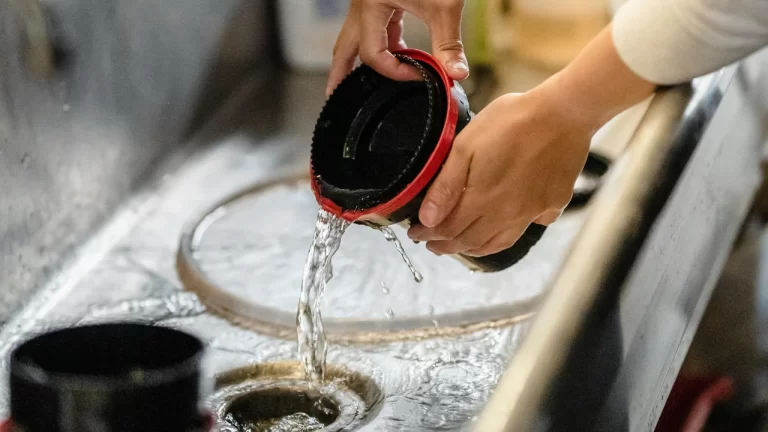
Start by locating your sump pit and removing the cover if there is one. Check that the float — the small ball or cylindrical mechanism attached to the side of the pump — can move freely and is not stuck against the pit wall or the pump body. Pour a slow but steady stream of water from a bucket into the pit. The float should rise with the water level and trigger the pump before the pit fills completely. You should hear the pump activate, see the water level drop, and confirm that water is exiting through the discharge pipe outside.
If the pump does not start, check that it is plugged in and that the circuit breaker has not tripped. If power is confirmed and the pump still does not respond, the float switch or the motor itself may have failed.
Also check the discharge pipe outlet outside your home. Make sure it is not blocked by debris, ice, or settled soil, and that it directs water well away from your foundation — a minimum of two to three metres is recommended.
Sump Pump Maintenance: What to Do Every Year
Like any mechanical device, a sump pump rewards a small amount of regular attention with years of reliable service.
- Clean the pit annually. Remove the pump and clear out any sediment, gravel, or debris that has accumulated at the bottom of the pit. A buildup of debris can clog the pump intake and cause the motor to overheat.
- Check the check valve. The check valve on the discharge pipe prevents water from flowing back into the pit after the pump turns off. If the valve is stuck open or has deteriorated, the pump will short-cycle repeatedly, wearing out the motor prematurely.
- Inspect the discharge pipe for ice. In a Canadian winter, the exterior portion of the discharge pipe can freeze solid, giving the pump nowhere to send the water. Installing a freeze-resistant discharge fitting or ensuring adequate slope on the pipe reduces this risk.
- Test the backup system. If you have a battery backup pump, test it separately by unplugging the primary pump and repeating the bucket test. Replace the battery according to the manufacturer’s schedule — typically every three to five years.
- Keep records. Note the pump’s installation date, model, and any service performed. This information is valuable when assessing whether a repair or full replacement makes more sense.
When to Repair vs. Replace Your Sump Pump
This is a question that comes up frequently, and the answer generally comes down to age and the nature of the problem.
If your pump is less than five years old and has a specific, identifiable issue — a failed float switch, a blocked intake, or a stuck check valve — repair is usually the right call. These are inexpensive fixes that restore a pump that still has years of service life ahead of it.
If the pump is seven or more years old, has been making noise, cycling irregularly, or has already required one repair, replacement is almost always the better investment. A new pump costs a few hundred dollars installed. A flooded basement can cost tens of thousands.
Long-Term Flood Protection: Beyond the Sump Pump
A sump pump is one layer of basement flood protection, but it works best as part of a broader strategy.
A backwater valve installed on your main sewer line prevents sewage from the city’s overwhelmed system from backing up into your home through your floor drains or toilets — a different and equally destructive type of basement flooding that a sump pump cannot address.
Window well covers prevent surface water from pooling against basement windows during heavy rainfall.
Proper grading around your foundation — ensuring the soil slopes away from the house rather than toward it — reduces the volume of water reaching your weeping tile system in the first place.
Together, these measures give Toronto homeowners a layered defence against the basement flooding that the GTA’s climate and aging infrastructure make an ongoing reality.
Absolute Draining & Plumbing: Sump Pump Installation, Repair, and Replacement
Whether you need a new sump pump installed, a failing unit replaced before the next big storm, or a full assessment of your home’s flood protection systems, Absolute Draining & Plumbing has the experience and equipment to get it done right. We have been protecting Toronto basements for over 20 years, and we understand exactly what GTA homes are up against.
We offer flat-rate pricing with no surprise charges, full licensing and insurance, and a 25-year warranty on drain repair work. We also assist homeowners with City of Toronto rebate applications for qualifying flood protection installations, so you get the maximum financial benefit available to you.
Do not wait until the next heavy rain to find out whether your sump pump is up to the job.
Contact us today through our form or call +1 (416) 252-5557 for expert plumbing, drain, and related services in Toronto, Etobicoke, Mississauga, and across the GTA.