If you run a restaurant, café, food truck, or any commercial kitchen in the Greater Toronto Area, grease trap cleaning is not optional — it is a legal requirement and a critical part of keeping your business operational. A neglected grease trap does not just smell bad. It backs up your drains, attracts pests, violates municipal bylaws, and can result in fines or a forced closure from the City of Toronto.
Yet despite how important grease traps are, they remain one of the most overlooked pieces of infrastructure in commercial food service. Out of sight beneath a counter or outside in a vault, they do their job quietly until they do not — and when they fail, they fail loudly, expensively, and at the worst possible time.
Whether you are a restaurant owner trying to stay on top of maintenance, a property manager overseeing a multi-tenant commercial building, or a homeowner who has recently discovered they have a small grease trap connected to their kitchen drain, this guide covers everything you need to know. We explain how grease traps work, why regular cleaning is non-negotiable, what the cleaning process actually involves, and how to find the right service interval for your specific situation.
Contact us today through our form or call +1 (416) 252-5557 for expert plumbing, drain, and related services in Toronto, Etobicoke, Mississauga, and across the GTA.
What Is a Grease Trap and How Does It Work?
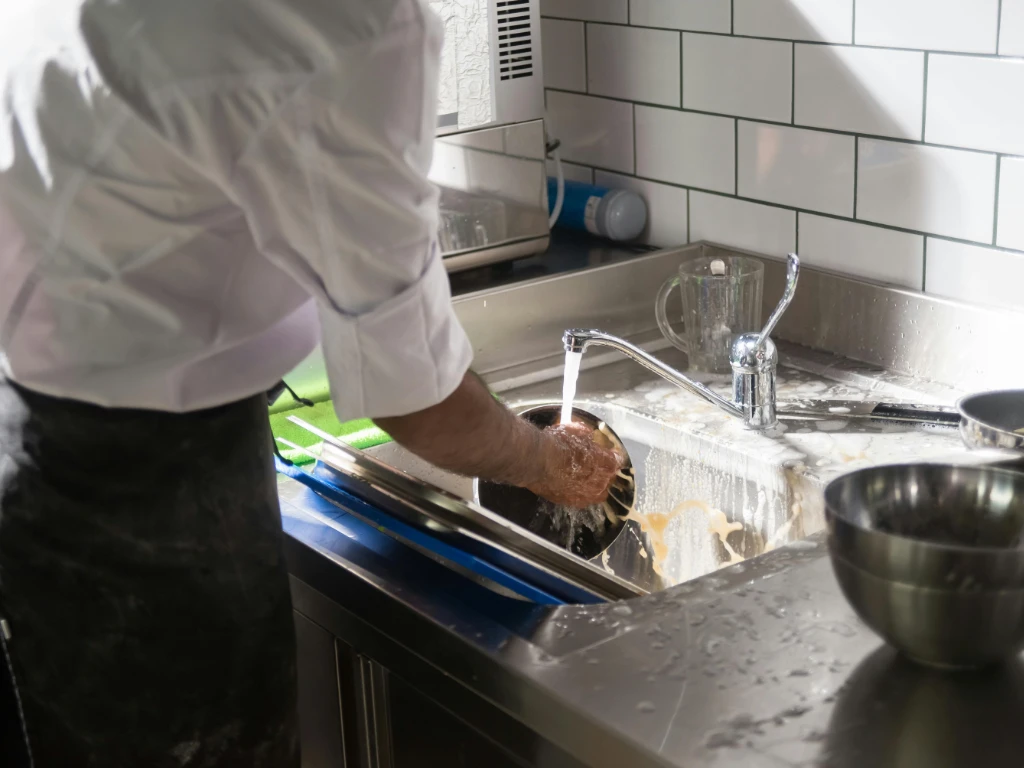
A grease trap — also called a grease interceptor — is a plumbing device installed in the drain line between your kitchen sinks and the municipal sewer system. Its sole purpose is to intercept fats, oils, and grease (commonly referred to in the industry as FOG) before they enter the sewer, where they would solidify and contribute to massive blockages in the city’s infrastructure.
The mechanics are straightforward. Wastewater from your kitchen flows into the grease trap, where it slows down significantly. Because fats and oils are less dense than water, they float to the top of the trap and are held there. Heavier solids — food particles and debris — sink to the bottom. The relatively clean water in the middle layer flows out through an outlet pipe and into the sewer system.
Over time, the layer of grease at the top and the layer of solids at the bottom both grow thicker. Once those layers occupy more than roughly 25 percent of the trap’s total volume, the device can no longer function effectively. Grease begins to pass through into the drain line, where it cools and hardens, causing the exact type of blockage the trap was designed to prevent.
This is why grease trap cleaning is not a one-time task. It is an ongoing maintenance requirement that needs to be performed on a regular, scheduled basis.
Signs Your Grease Trap Needs Cleaning Now
Even without a maintenance schedule in place, your grease trap will usually give you clear signals that it is overdue for a cleaning.
- Slow-draining sinks throughout the kitchen, particularly noticeable after peak service hours when large volumes of water have gone down the drain
- Foul, sulphurous odours coming from the drain, the area around the trap, or even from floor drains nearby — a sign that the organic material inside is decomposing and producing gases
- Grease appearing in floor drains or backing up into sinks, which indicates the trap has reached capacity and FOG is now bypassing it entirely
- Drain backups during service that slow your kitchen down and force staff to work around standing water
- Failed municipal inspection or a notice from the City of Toronto indicating your grease interceptor is not meeting discharge standards
- Visible grease in the outlet pipe when the trap lid is opened for inspection
If any of these signs sound familiar, grease trap cleaning should happen immediately — not at the end of the week.
How Often Should a Grease Trap Be Cleaned?
This is the question every restaurant owner asks, and the honest answer is: it depends on your kitchen’s output. There is no single schedule that works for every operation.
The industry standard rule of thumb is the 25 percent rule — clean the trap when the combined depth of the floating grease layer and the settled solids layer reaches 25 percent of the trap’s total liquid depth. In practice, most commercial kitchens in Toronto need grease trap cleaning anywhere from every four weeks to every three months, depending on the volume and type of cooking being done.
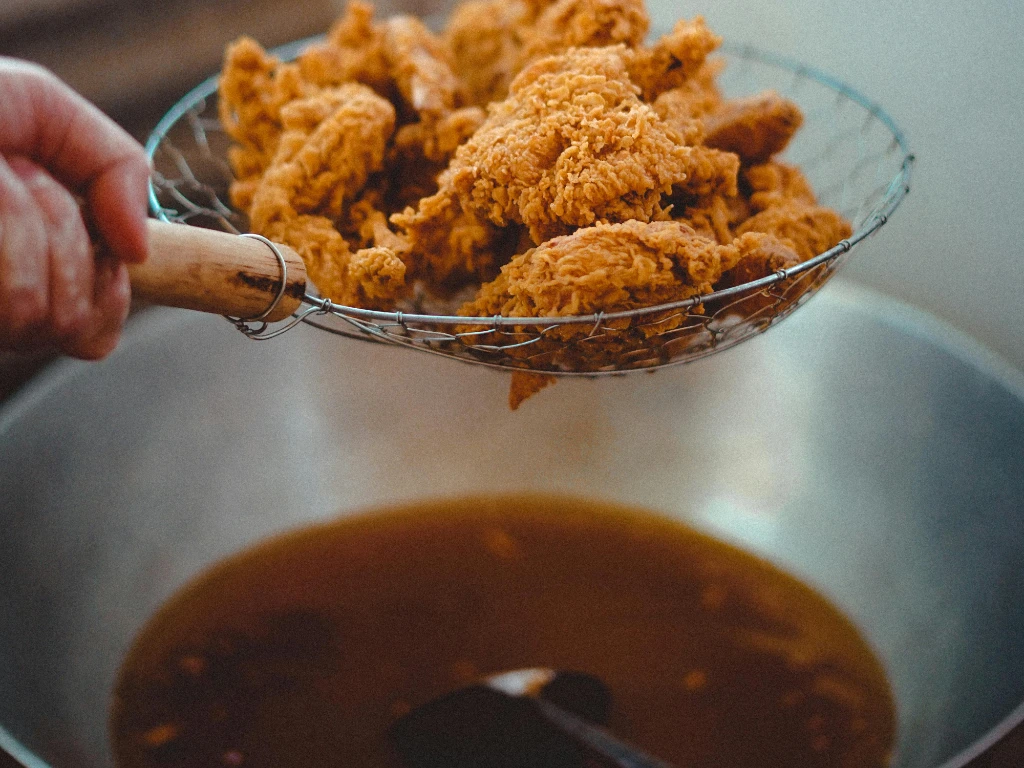
High-volume operations — busy restaurants, institutional kitchens, hotel food service, or anything involving deep frying — typically require monthly cleaning at minimum. Lower-volume kitchens with simpler menus may manage on a quarterly schedule.
The City of Toronto and the Toronto and Region Conservation Authority both have regulations governing grease interceptor maintenance for commercial food service operations. Keeping accurate cleaning logs — including dates, volumes removed, and service provider records — is required and is your first line of defence during a municipal inspection.
The safest approach is to have a professional assess your trap’s fill rate over the first few service intervals and establish a cleaning schedule based on actual usage data rather than guesswork.
What Does Professional Grease Trap Cleaning Involve?
Grease trap cleaning is not a job for a mop bucket and a pair of rubber gloves. Proper cleaning requires specific equipment, technical knowledge, and responsible disposal of the waste material removed.
Inspection and Measurement
A technician begins by opening the trap and measuring the depth of the grease cap on top and the solids layer on the bottom. This establishes whether the trap is at or beyond capacity and gives a baseline for setting the appropriate cleaning frequency going forward.
Pumping and Removal
The contents of the trap — grease, solids, and wastewater — are pumped out using a vacuum truck or portable pump into sealed containers. This material is classified as a liquid industrial waste product and must be transported and disposed of in accordance with Ontario environmental regulations. It cannot simply be poured down a drain or left in a regular waste bin.
Scraping and Manual Cleaning
After pumping, the interior walls, baffles, and inlet and outlet pipes of the trap are scraped and cleaned manually to remove hardened grease deposits that the pump cannot extract. This step is critical — skipping it leaves a coating of solidified FOG that accelerates the refilling of the trap and reduces its effective capacity.
Inspection of Baffles and Components
The inlet and outlet baffles inside the trap are inspected for damage or deterioration. A broken or missing baffle significantly reduces the trap’s ability to retain FOG and can allow grease to pass directly into the sewer line. Any damaged components should be repaired or replaced at this stage.
Rinsing and Reassembly
The trap is rinsed thoroughly, reassembled, and checked for proper flow before the technician signs off on the job. A proper service visit should include a written record of the service date, the volume removed, and the condition of the trap and its components.
Contact us today through our form or call +1 (416) 252-5557 for expert plumbing, drain, and related services in Toronto, Etobicoke, Mississauga, and across the GTA.
Common Mistakes That Lead to Grease Trap Problems
Even well-intentioned kitchen operators make errors that shorten the service life of their grease trap or create compliance headaches.
Using Biological Additives as a Substitute for Cleaning
There are products on the market that claim to dissolve grease inside the trap using enzymes or bacteria, eliminating the need for physical cleaning. This claim is misleading. While these additives can temporarily reduce odour, they do not actually remove the FOG from the trap — they break it down into smaller particles that pass more easily into the sewer line. In many municipalities, including Toronto, using these products as a substitute for proper cleaning can result in a compliance violation.
Pouring Hot Water or Degreasers Down the Drain
Some kitchen staff believe that flushing the system with boiling water or commercial degreasers helps keep the trap clean. In reality, hot water liquefies the grease cap inside the trap and pushes it past the outlet baffle and into the sewer line, exactly where you do not want it. Chemical degreasers do the same thing while also potentially degrading the rubber seals and gaskets inside the trap.
Ignoring the Cleaning Log Requirement
Under City of Toronto regulations, commercial food service operations are required to maintain grease interceptor maintenance records and make them available upon request during an inspection. Missing or incomplete records — even if your trap is in good condition — can result in a compliance notice and a fine.
Waiting for a Problem to Schedule a Cleaning
Reactive maintenance always costs more than scheduled maintenance. A grease trap that backs up during a Saturday dinner service does not just cost you the cleaning fee — it costs you the service interruption, potential health code scrutiny, and the emergency call-out rate.
Grease Trap Cleaning for Residential Properties
While most grease trap discussions focus on commercial kitchens, some residential properties — particularly older homes with large kitchen sink setups or properties that were previously used for food service — do have small grease traps or interceptors installed on their drain lines.
If you have noticed persistent grease-related clogs in your kitchen sink despite regular maintenance, or if a previous plumbing inspection identified a grease interceptor on your property, it is worth having it inspected and cleaned. Residential grease traps are smaller and less complex than commercial units but fail in exactly the same way when neglected.
Prevention: Reducing Grease Trap Load Between Cleanings
Proper kitchen habits extend the time between required cleanings and reduce your overall maintenance costs.
- Scrape all plates, pans, and cookware into the compost or garbage before rinsing. The less FOG that enters the drain, the slower the trap fills.
- Install drain strainers on all kitchen sinks to catch food solids before they reach the trap.
- Never pour liquid fryer oil or pan drippings down the drain. Collect used cooking oil in a sealed container for commercial recycling pickup — many services in the GTA offer this at no charge.
- Train kitchen staff on what should and should not go down the drain. A single staff member regularly pouring grease down the sink can cut your cleaning interval in half.
- Keep your cleaning log current. Staying organized means you never lose track of when your last service was and can demonstrate compliance immediately during an inspection.
Why Toronto Food Service Operators Trust Absolute Draining & Plumbing
At Absolute Draining & Plumbing, we have been providing professional grease trap cleaning and commercial drain services across Toronto and the GTA for over 20 years. We understand the regulatory environment, the time pressure of running a kitchen, and the importance of getting the job done right without disrupting your operation.
Our technicians arrive fully equipped, complete the cleaning efficiently, provide you with proper service documentation for your compliance records, and give you an honest assessment of your trap’s condition and recommended service frequency. We offer scheduled maintenance agreements so you never have to think about it — your trap gets cleaned on time, every time.
Flat-rate pricing, no hidden fees, full licensing and insurance, and a team that treats your business with the same respect we would want for our own.
Contact us today through our form or call +1 (416) 252-5557 for expert plumbing, drain, and related services in Toronto, Etobicoke, Mississauga, and across the GTA.