If you’ve ever walked into your basement after a heavy rain only to find damp walls or standing water, don’t worry. We’ve experienced that. Many Toronto homeowners face the same problem, and often the cause lies in poor drainage around the foundation. That’s where a weeping tile system comes in.
One of the best ways to keep your house safe from basement flooding and groundwater intrusion is to install weeping tiles. This drainage system keeps your basement dry and your house structurally sound by diverting water away from your foundation. As part of a complete basement waterproofing solution, a drainage pipe system is installed around the foundation to efficiently collect and redirect excess groundwater before it causes damage.
In this blog, we’ll go over what a weeping tile system is, how it works, the types of weeping tile installations available, and the overall installation process. We’ll also break down the maintenance and explain why professional installation is crucial for Toronto homeowners, whether you’re building a new home or addressing a recurring water issue. Understanding how weeping tiles work can save you from costly water damage and foundation repairs.
Contact us today through our form or call +1 (416) 252-5557 for expert plumbing, drain, and related services in Toronto, Etobicoke, Mississauga, and across the GTA.
What Is a Weeping Tile System?
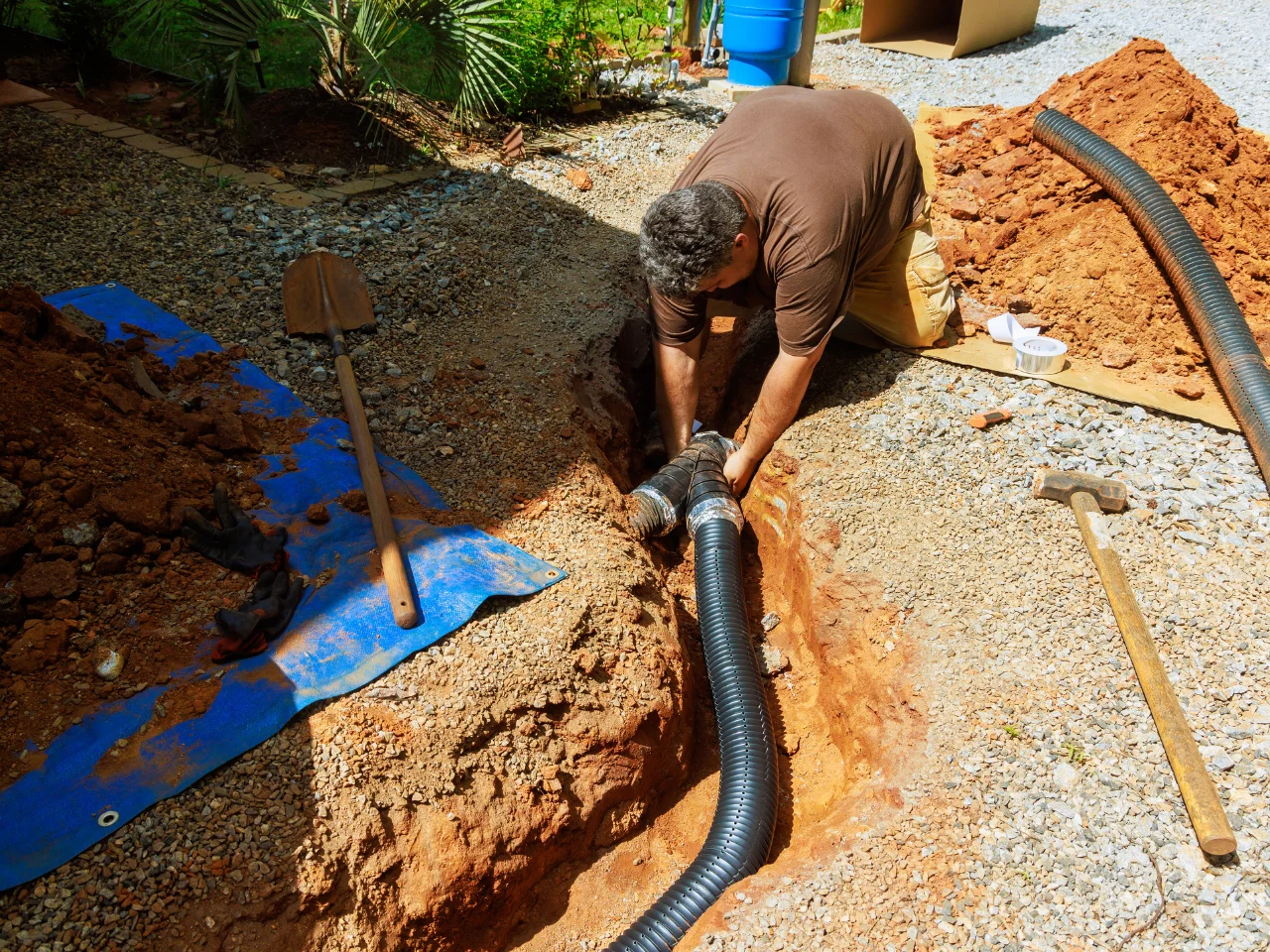
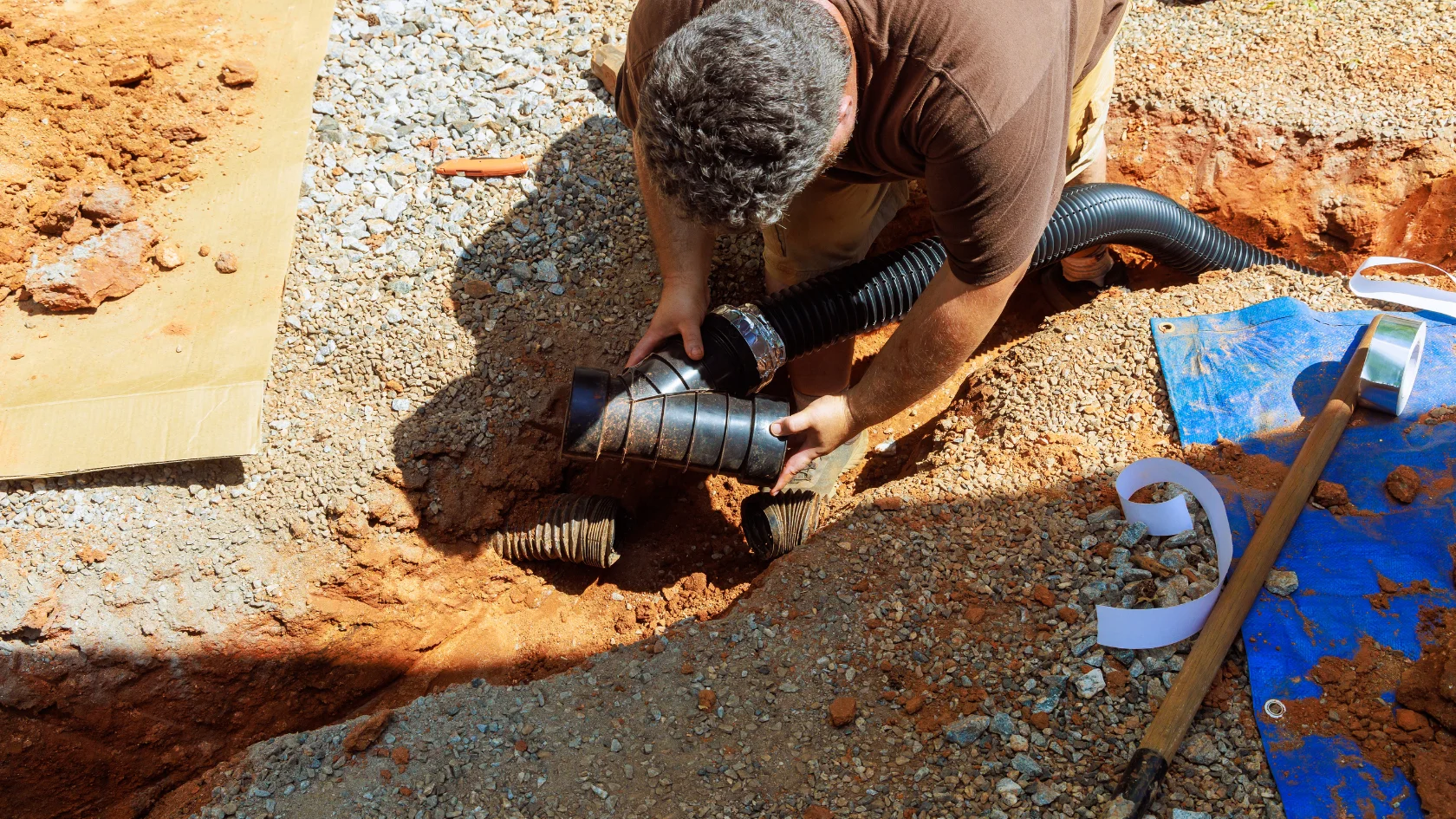
A weeping tile system, often referred to as a French drain system, is a network of perforated pipe installed around the perimeter of a home’s foundation. This weeping tile system is designed to gather and divert groundwater away from your house so that it doesn’t seep into your basement or erode your foundation walls.
Despite the name, weeping tiles aren’t actually made of tile. The term originated when drainage was accomplished with clay tiles. The most common materials for modern weeping tiles are PVC or corrugated plastic tubing with tiny holes that let water in. The pipe is buried underground, encircled by crushed stone or gravel, and occasionally covered with filter cloth to keep it from clogging.
Essentially, the system works like an underground gutter for your home’s foundation, which captures water before it causes damage.
How Does a Weeping Tile System Work?
Understanding how weeping tiles work is key to appreciating their importance. Here’s a simplified explanation.
- Collection: As rainwater or melted snow seeps into the soil, it builds up around your foundation. Water is diverted away from the foundation by the weeping tile, a perforated pipe that gathers this groundwater through tiny holes along its surface.
- Redirection: The collected water flows through the pipe due to gravity and the system’s natural slope, where the tile and gravel help filter out debris.
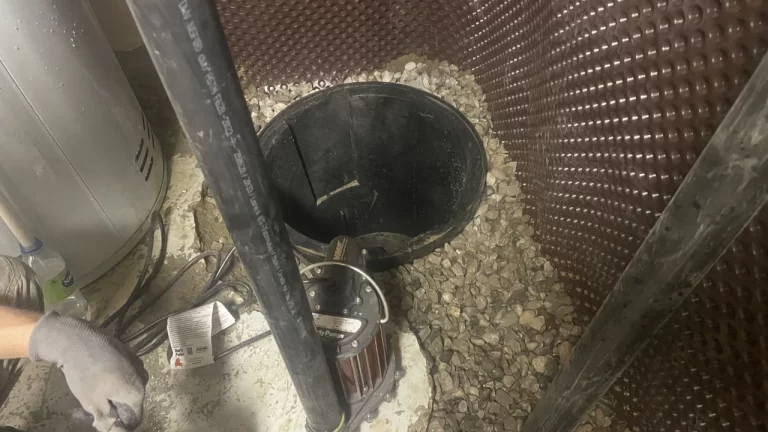
- Discharge: The water is directed away from the home, often into a sump pump, storm sewer, or a designated drainage area, keeping your home dry and protected from flooding.
This process helps reduce hydrostatic pressure (the force of water pressing against your foundation walls). By relieving that pressure, a properly functioning weeping tile system prevents cracks, leaks, and eventual basement flooding.
Why Homeowners Need Weeping Tiles
Toronto and the GTA experience frequent rainfall and rapid snowmelt, which can lead to excess groundwater pooling around homes. Water can seep through concrete joints or foundation cracks if there isn’t a suitable drainage system in place.
You may need a weeping tile installation if you notice any of the following:
- Persistent dampness or musty odours in your basement
- Water pooling near your home’s exterior walls
- Cracks or fractures in the foundation wall or basement floor
- Efflorescence (white mineral stains) on concrete
- A sump pump that runs constantly
- Visible signs of mould or mildew
Weeping tiles help prevent basement flooding, foundation damage, and water infiltration, all of which can cause expensive repairs down the road. In short, installing a weeping tile system is an investment in your home’s long-term health.
Types of Weeping Tile Systems
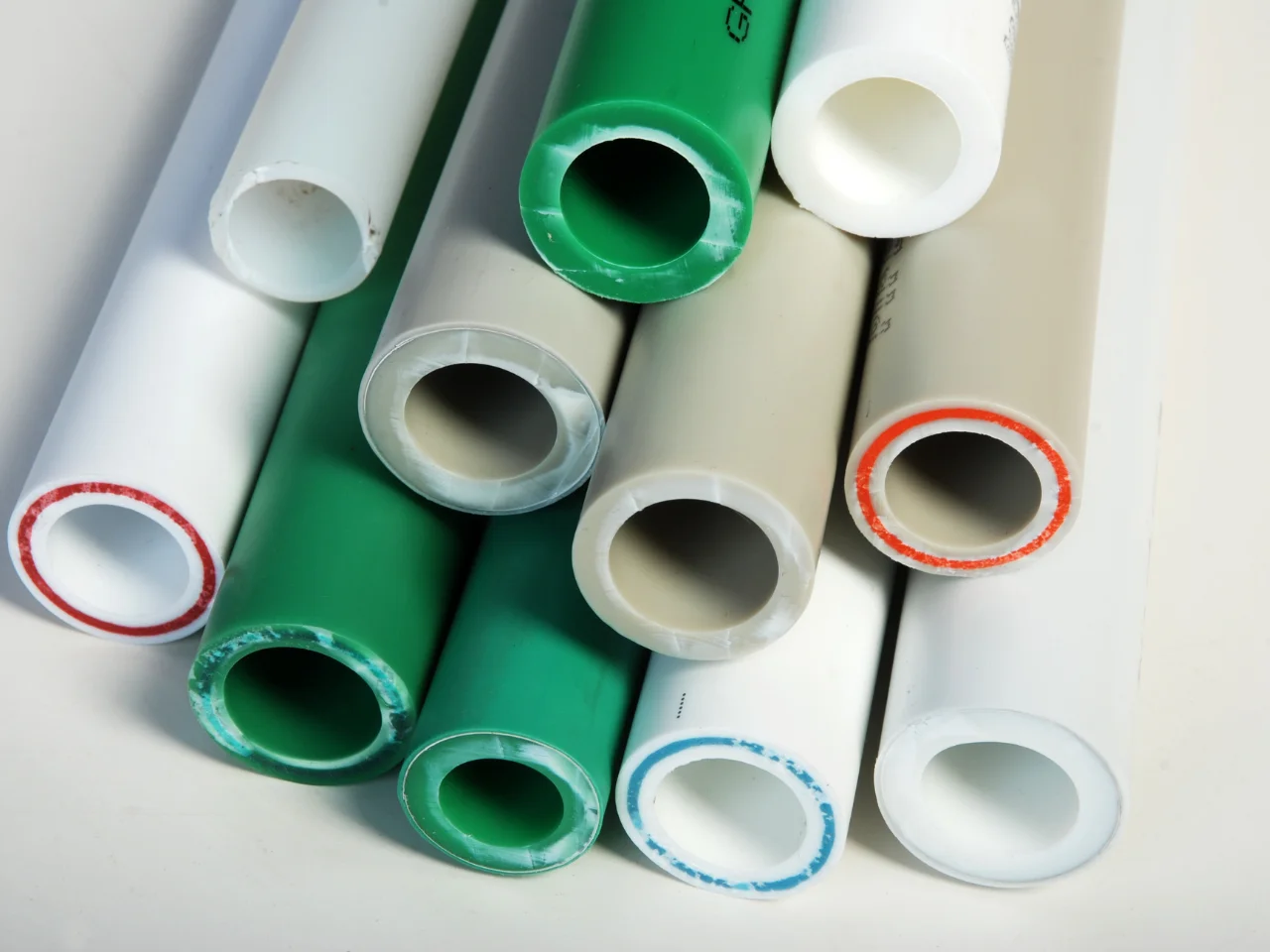
There are two types of installation on weeping tile systems, which are mainly exterior and interior. Each has a specific purpose depending on the nature of your drainage problems.
1. Exterior Weeping Tile System
An exterior weeping tile is typically installed around the outside perimeter of your home, near the foundation wall. It is designed to intercept water before it reaches your basement.
Contractors excavate the soil down to the foundation’s footing, apply waterproofing membranes, and lay a perforated pipe (usually PVC) in a gravel bed. The pipe is sloped to direct water toward a storm sewer, sump pump system, or drainage outlet. Exterior systems are ideal for new builds, foundation waterproofing, or major renovations where excavation is feasible.
2. Interior Weeping Tile System
Another type is the interior weeping tile installation. The interior weeping tile is installed beneath your basement floor, making it an effective solution for homes where exterior excavation isn’t practical. For example, if you live in a densely built urban area or have expensive landscaping.
A small trench is cut into the basement concrete floor along the perimeter. A weeping tile pipe is placed inside, surrounded by gravel and connected to a sump pump that discharges the collected water outside.
Both systems are effective, and many homeowners in Toronto combine interior and exterior weeping tiles for maximum protection against flooding.
The Weeping Tile Installation Process
Whether you’re installing an exterior or interior weeping tile system, professional installation is crucial for proper water flow and longevity. Here’s an overview of how a typical weeping tile installation process works.
- Inspection and Planning. A licensed plumber or waterproofing expert will inspect your home’s foundation, soil condition, and drainage issues. They’ll determine where water is entering and design the best system layout to direct it away from your home.
- Excavation or Concrete Cutting. For exterior systems, the contractor excavates around your home down to the footing level. For interior systems, they cut and remove a section of the concrete floor along the walls.
- Foundation Repair and Waterproofing. Before laying the weeping tile, cracks in the foundation wall or floor are repaired. To prevent moisture from leaking through the concrete, a waterproof membrane or coating is frequently added.
- Installing the Weeping Tile Pipe. A perforated pipe (typically 4-inch PVC or corrugated HDPE) is placed at the bottom of the trench, surrounded by gravel or crushed stone. This allows water to flow freely through the pipe while filtering out debris.
- Filter Fabric and Backfill. The pipe is wrapped with geotextile fabric to prevent soil and sediment from clogging the holes. The trench is then backfilled with gravel and soil, and the surface is restored.
- Sump Pump or Drain Connection. The system connects to a sump pump basin, storm sewer, or another approved outlet. The sump pump automatically discharges collected water away from your property.
A professional weeping tile installation ensures proper slope, water flow, and drainage, all key to preventing flooding and extending the lifespan of your foundation.
Contact us today through our form or call +1 (416) 252-5557 for expert plumbing, drain, and related services in Toronto, Etobicoke, Mississauga, and across the GTA.
Materials Used in Weeping Tile Systems
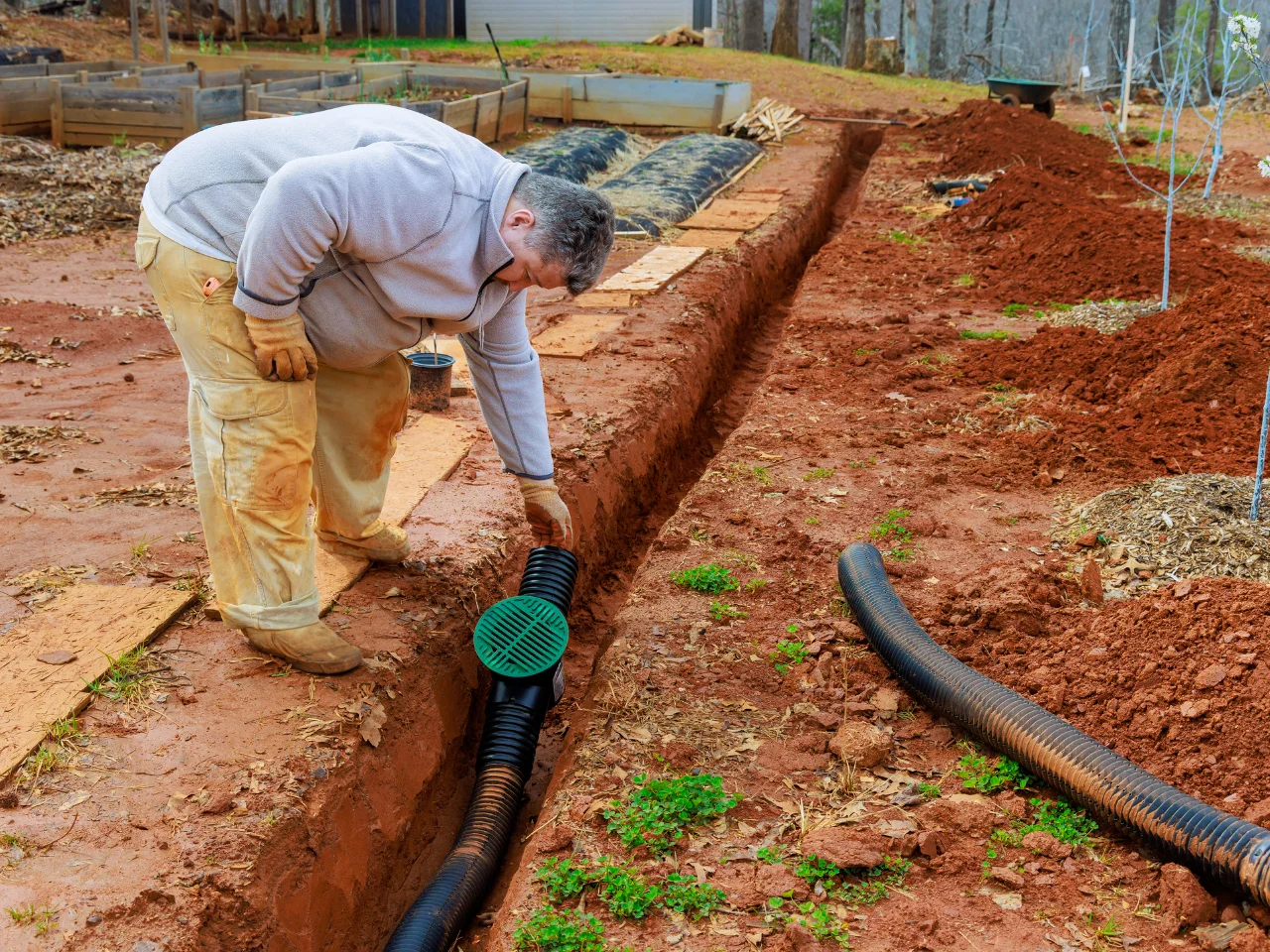
The proper materials are necessary for any drainage system’s performance and longevity. Here are the common materials used in weeping tile systems.
- Perforated PVC pipe: Strong, rigid, and resistant to collapse under soil pressure.
- Corrugated plastic pipe: Flexible and affordable, often used for small residential systems.
- Gravel or crushed stone: Provides a path for water to flow toward the pipe.
- Filter fabric: Keeps fine soil particles from clogging the system.
- Waterproof coatings or membranes: Protect the foundation walls during exterior installation.
High-quality materials, combined with expert installation, significantly reduce the risk of clogging and ensure your system lasts for decades.
Lifespan of Your Weeping Tile System
A properly installed weeping tile system can last anywhere from 30 to 50 years, sometimes even longer, with high-quality materials and proper maintenance. PVC and rigid HDPE pipes typically have a longer lifespan than older clay or corrugated options.
However, the system’s lifespan can be shortened by:
- Poor installation or improper slope
- Use of fine soil instead of gravel
- Absence of filter fabric (leading to clogs)
- Tree root intrusion or soil movement
Your drainage system will continue to function correctly for decades if you have your weeping tiles inspected on a regular basis by a qualified plumber.
Weeping Tile Maintenance: Keeping the System Working Properly
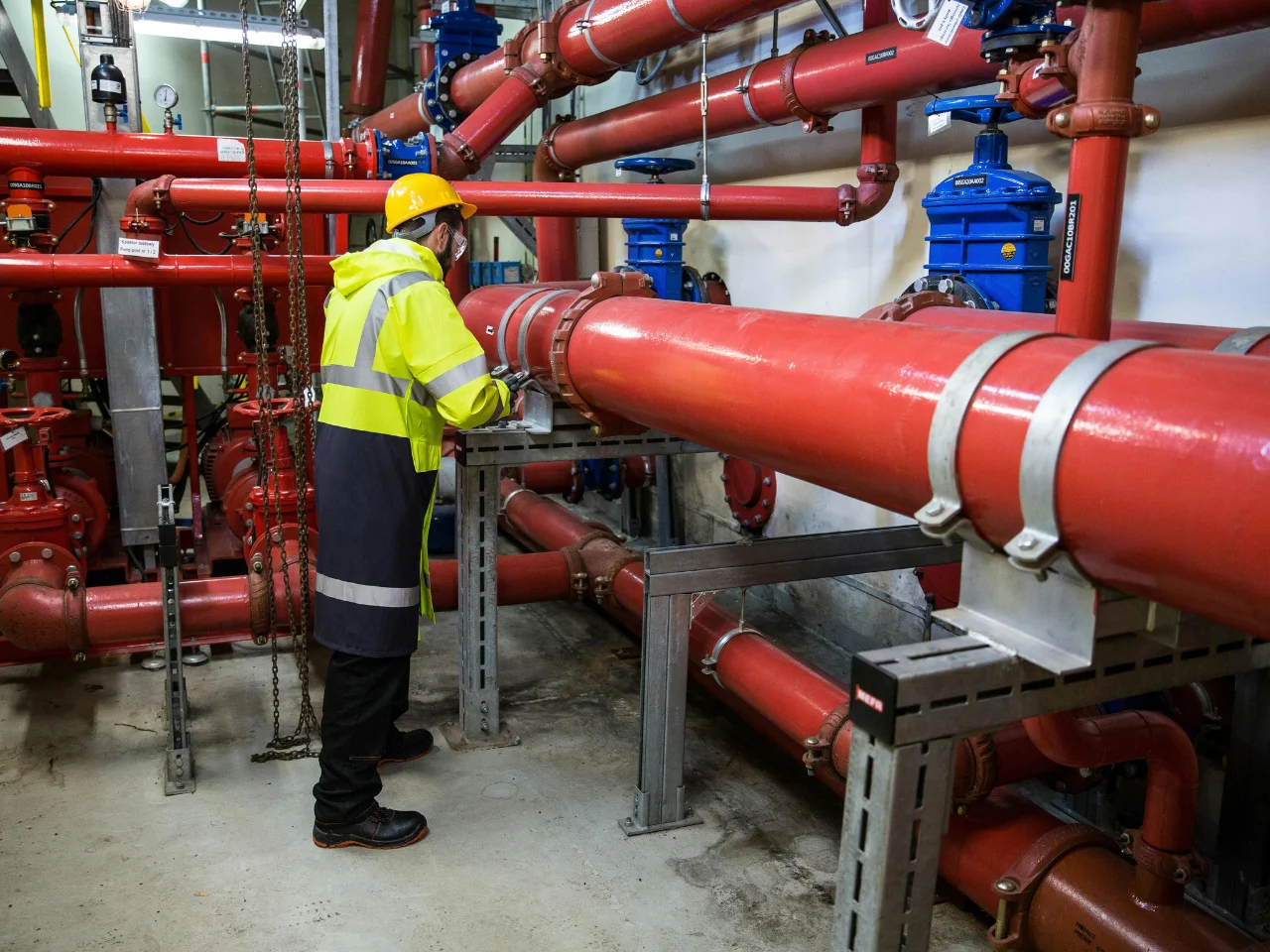
While weeping tiles are generally low-maintenance, periodic inspection can help detect potential issues early. Signs your weeping tile system needs attention.
- Standing water around your foundation
- A sump pump that runs continuously or not at all
- Basement leaks during or after rainfall
- Unusual moisture or mould growth on the basement walls
Maintenance tips:
- Make sure the gutters and downspouts divert water away from the house
- Keep surface drains and sump pits clear of debris
- Schedule a professional drain inspection every few years
- Consider a camera inspection if you suspect clogging or pipe damage
If your weeping tile system becomes clogged, a professional plumber can flush the lines using high-pressure water jets to restore flow.
Common Problems with Drainage Systems
Due to carelessness or subpar installation, drainage problems frequently affect homeowners. These are a few of the most prevalent issues:
- Clogged weeping tile pipe – Often caused by soil, roots, or iron bacteria buildup.
- Insufficient slope – Prevents water from flowing efficiently toward the sump pump or storm sewer.
- No proper discharge outlet – Without a sump pump or sewer connection, collected water remains in the pipe.
- Cracked foundation wall – Water entering through cracks bypasses the weeping system entirely.
- Improper backfill materials – Using dirt instead of gravel can lead to premature system failure.
Professional installation and maintenance help avoid these pitfalls. At Absolute Draining & Plumbing, our experts ensure your weeping tile installation is correctly designed to keep water away from your home’s foundation.
How Weeping Tile and French Drain Systems Work Together
Weeping tile and French drain are frequently used interchangeably because of their close relationship. A weeping tile pipe is usually placed at the base of a trench filled with gravel as part of a French drain system. They work together to create a comprehensive drainage system that gathers and reroutes groundwater.
To put it briefly:
- The perforated pipe is the weeping tile.
- The entire system (pipe + gravel + fabric + exit) is the French drain.
Both methods are intended to lower foundation pressure, stop basement flooding, and divert water away from your house. They fulfill the same vital function whether they are placed outdoors or indoors: keeping your house dry.
Why Professional Weeping Tile Installation Matters

Installing a weeping tile system isn’t a simple DIY project. Excavating, grading, waterproofing, and accurate slope calculations are all part of it. Errors may result in foundation damage or drainage issues.
Employing a qualified plumber like Absolute Draining & Plumbing entitles you to:
- Certified expertise with over 20 years of experience in the GTA
- Flat-rate pricing with no hidden costs
- Warranty-backed installation and long-term reliability
- Complete waterproofing solutions that include backwater valves and sump pumps
Installing weeping tiles professionally ensures that your system is tailored to your property, taking into account everything from soil conditions to municipal drainage regulations.
Protect Your Home with Expert Weeping Tile Installation
Although water damage and basement flooding can happen at any time, they can be avoided with the proper weeping tile system. Whether you need an exterior or interior installation, Absolute Draining & Plumbing provides expert solutions to protect your home and foundation for many years to come.
Our Toronto plumbers are experts in sump pump systems, waterproofing foundations, and installing weeping tiles. From inspection and permits until the last cleanup, we handle everything, making the process easy and stress-free.
Contact us today through our form or call +1 (416) 252-5557 for expert plumbing, drain, and related services in Toronto, Etobicoke, Mississauga, and across the GTA.