Did you know that the average water heater holds between 150 to 225 litres of pressurized water just waiting for a tiny crack to escape? More than simply a small annoyance, a leaky water heater is a ticking time bomb that, if left unchecked, might cause serious water damage to your house.
Water collecting around the base of a gas or electric water heater typically indicates that a component has worn out or that corrosion has taken hold of the water tank. In the Greater Toronto Area, where temperature fluctuations can put extra stress on our plumbing systems, knowing how to react when your water heater starts leaking is an essential skill for every homeowner.
In this blog, we will walk you through everything you need to know about a water heater leaking. We’ll go over how to find the source of the water leak, what you need to do right away to turn off the electricity and water supply, and typical causes of water heater leaks. We’ll also discuss when a simple repair will suffice and when it is time to consider a new water heater replacement.
Contact us today through our form or call +1 (416) 252-5557 for expert plumbing, drain, and related services in Toronto, Etobicoke, Mississauga, and across the GTA.
Identifying a Hot Water Heater Leak
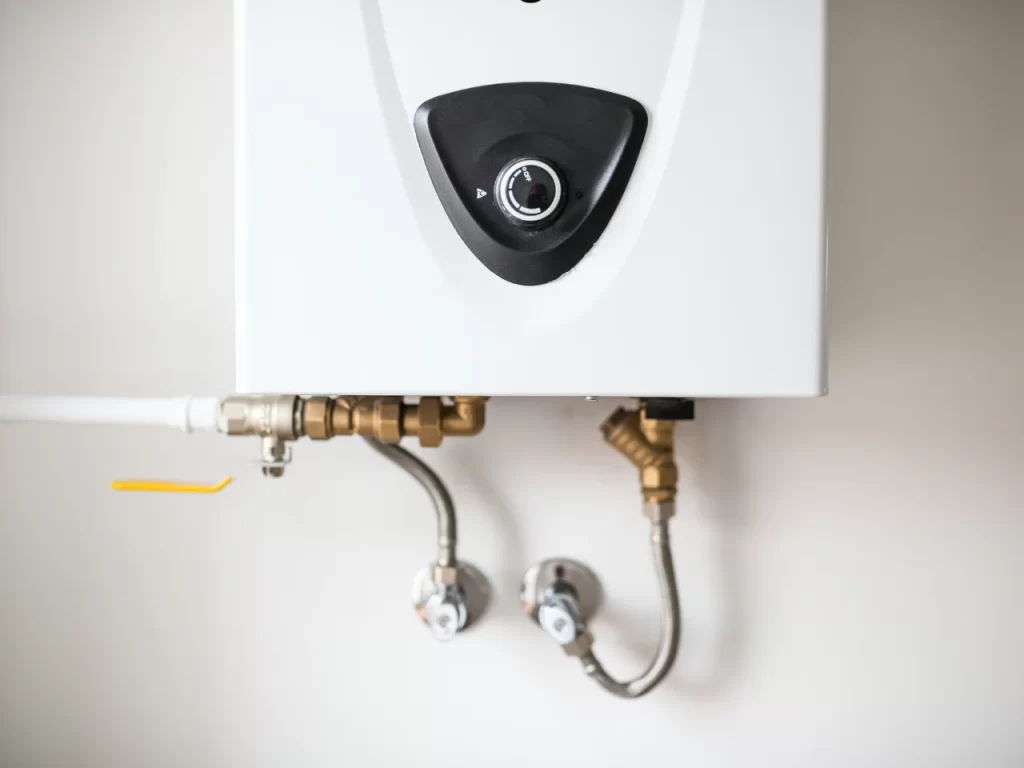
Make sure the water on the floor is truly coming from the heater before you panic. Condensation on the cold water pipes might occasionally trickle down, giving the impression that the water heater is leaking when it’s not. However, you should do more research if you see water continuously gathering or pooling around the unit.
Common Signs of a Leak
Aside from the obvious puddle, there are subtle signs that your water heater starts leaking before a flood occurs. You might hear strange hissing or dripping noises coming from inside the tank. You might also see rusty stains or crusty mineral buildup on the top of the heater or at the base of the heater. If your water pressure has suddenly dropped or you find yourself running out of hot water faster than usual, these are red flags that water is leaking somewhere in the system.
Sources of Water Around the Heater
To find the culprit, you need to look at specific “hot spots” where water heaters can leak:
- The T&P Valve: The temperature and pressure relief valve is a safety device. If the T&P valve is leaking, you’ll see water and steam discharging through the pipe attached to the side or top.
- The Drain Valve: This valve, which is used to flush the unit, is situated close to the bottom of the tank. If it doesn’t close properly, you’ll see water dripping from the nozzle.
- Pipe Connections: Check the cold water inlet and hot water outlet at the top of your water heater.
- The Tank Itself: If you see water leaking from the bottom and it isn’t coming from a valve, the water heater tank may have an internal crack.
Why Is My Water Heater Leaking?
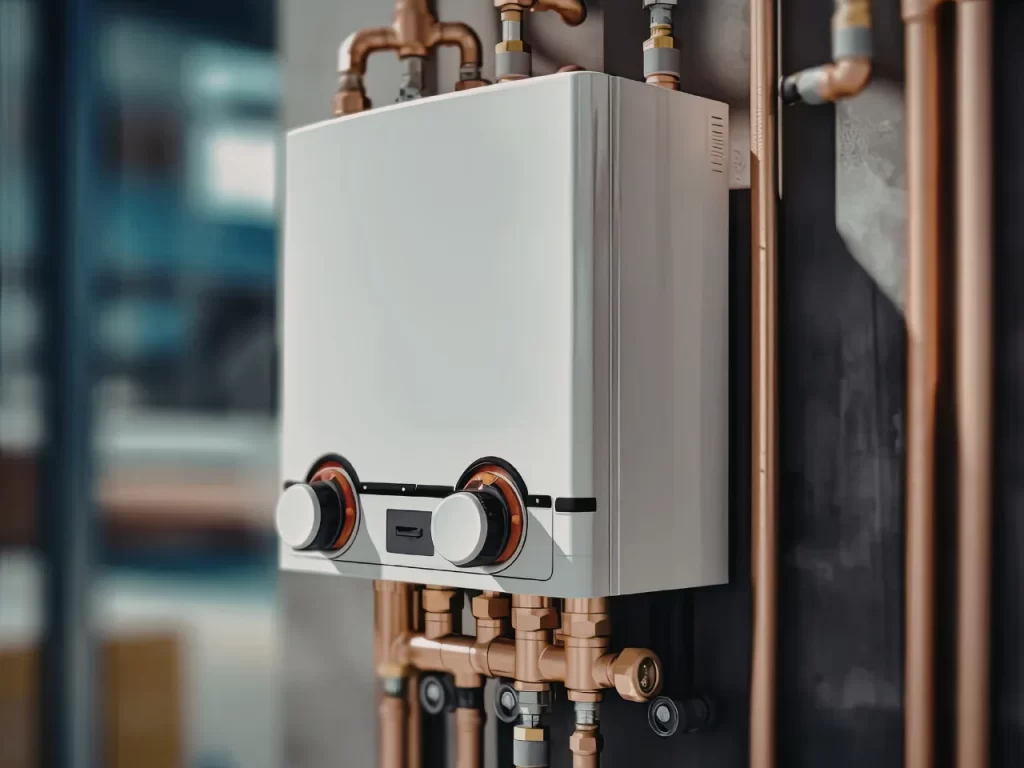
Understanding the reasons behind a water heater leaking can help you determine if the fix is a DIY job or if you need a professional water heater repair. The average lifespan of a water heater is eight to twelve years; if it is older than ten years, the reason is usually just normal wear and tear.
Corrosion and Rust
The most common cause a water heater has for failing is internal corrosion. Most water tanks are made of steel. While they have an internal lining and an anode rod to prevent rust, these eventually fail. Once rust takes hold inside the tank, it creates pinhole leaks. Unfortunately, if the water heater tank is corroding, a new water heater is usually the only solution, as you cannot “patch” a tank.
Pressure Inside the Tank
If the water pressure in your home is too high or if the temperature is set too high, it creates excessive pressure inside the tank. This forces the T&P valve to release water to prevent the tank from bursting. While the valve is just doing its job, a constantly leaking valve near the water heater indicates an underlying pressure issue.
Loose Fittings and Connections
Sometimes, the hot water heater leaks are caused by nothing more than a loose nut. The metal expands and contracts with time due to the continuous heating and cooling, which may cause the pipe connections to become loose. Look at the water inlet and hot water exit points. If you see moisture there, it might just need a quick tightening.
What to Do When the Heater Starts Leaking
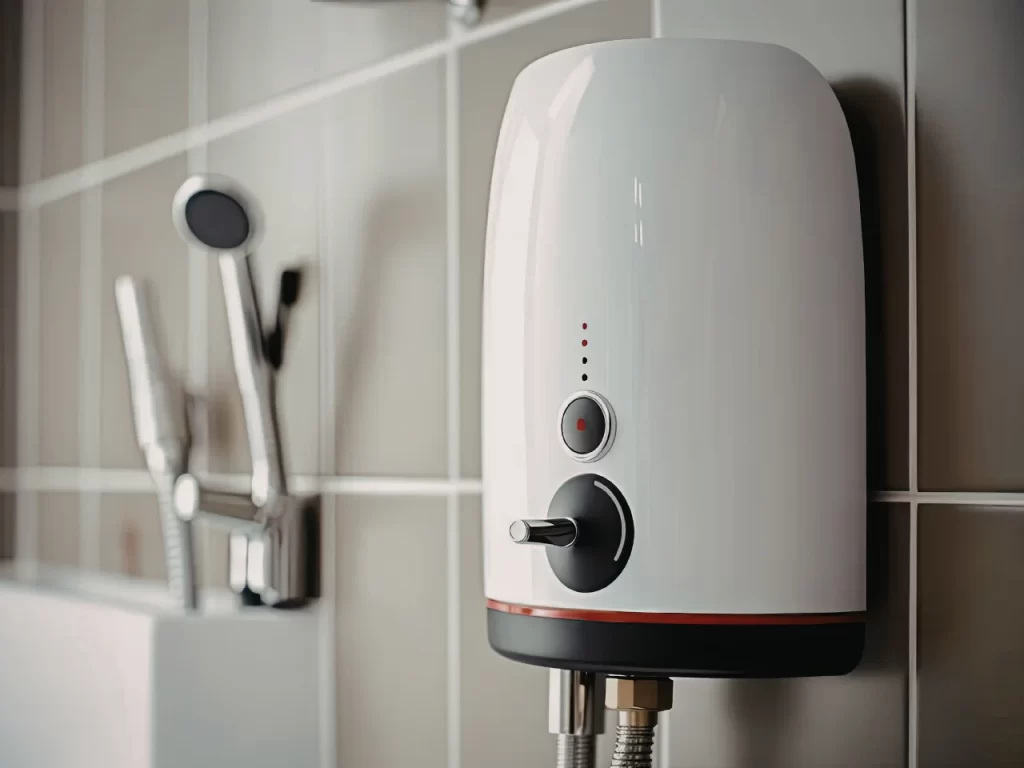
If you find a significant hot water heater leak, you need to act fast to prevent water damage to your home.
1. Shut Off the Power or Gas Supply
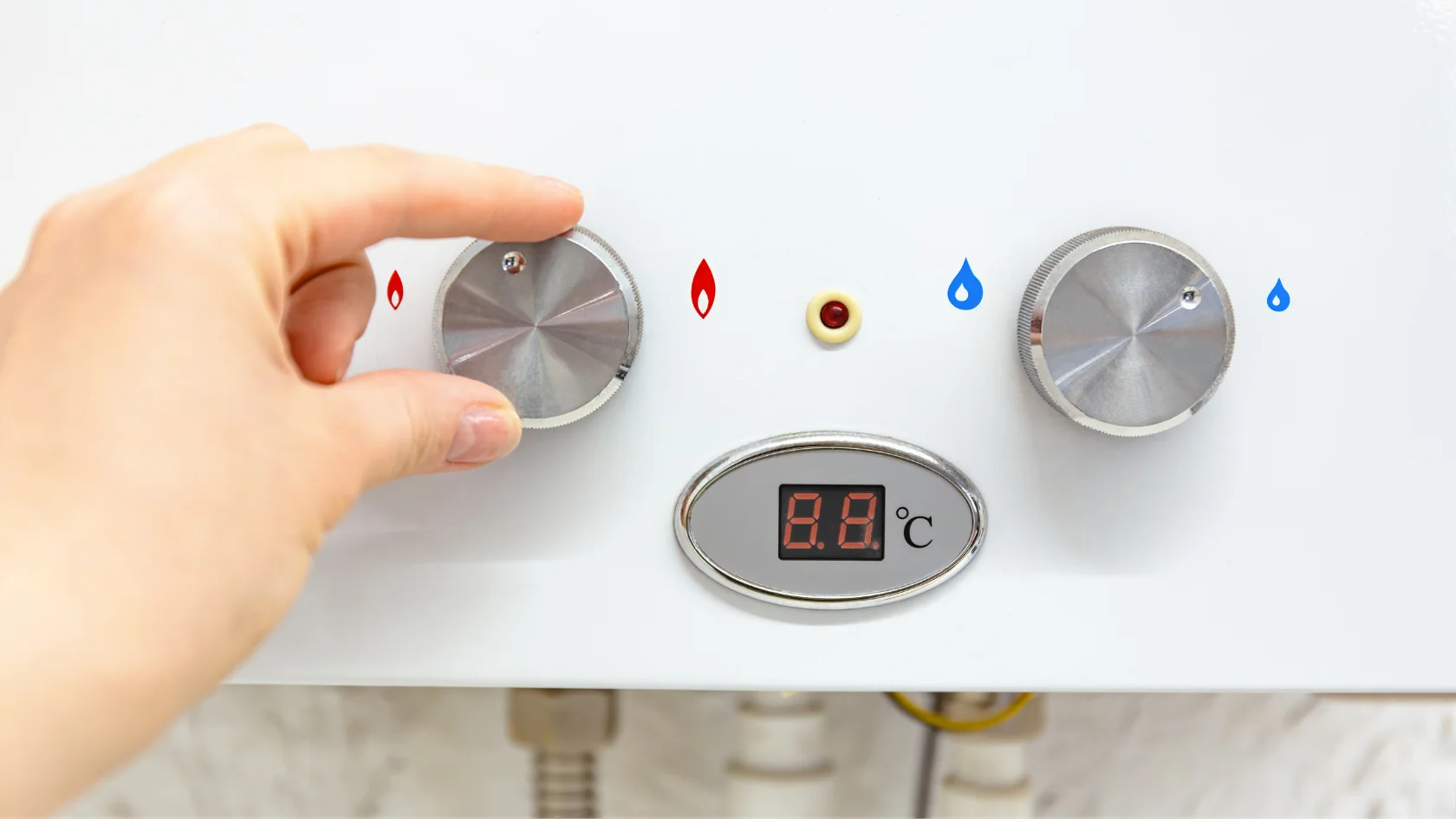
Safety first. If you have an electric water heater, go to your breaker panel and switch off the dedicated breaker. Locate the gas supply line and switch the valve to the “OFF” position if you have a gas water heater. This keeps the device from overheating when empty or the heating elements from burning out.
2. Turn Off the Water Supply
To stop the leak from getting worse, you must stop the water flow. On the cold water inlet line, look for the valve (typically the one marked “cold” or with a blue handle). To turn off the water supply, turn it clockwise. If that valve is stuck or leaking, you may need to turn off the main water supply for the entire house.
3. Drain the Tank (If Necessary)
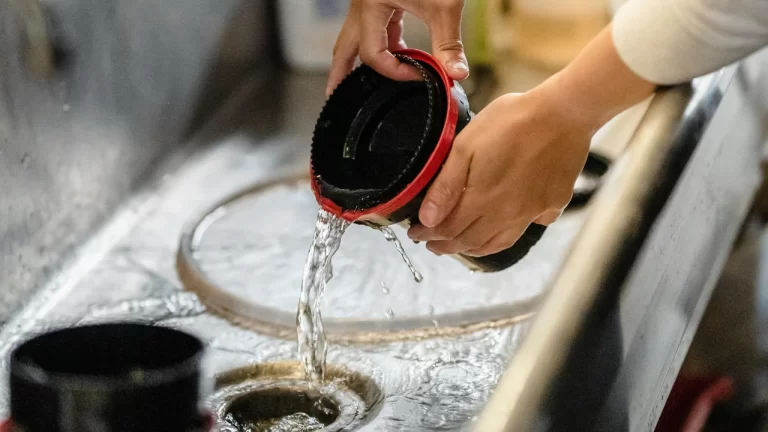
If the leak is coming from the bottom of the tank, you may need to empty the water tank to stop the flooding. Connect a garden hose to the heater’s base drain valve, then run the other end outdoors or to a floor drain. In order to facilitate the smooth discharge of steam and water, open the drain valve and a hot water faucet somewhere in the house.
Contact us today through our form or call +1 (416) 252-5557 for expert plumbing, drain, and related services in Toronto, Etobicoke, Mississauga, and across the GTA.
Diagnosing the Location: Top vs. Bottom
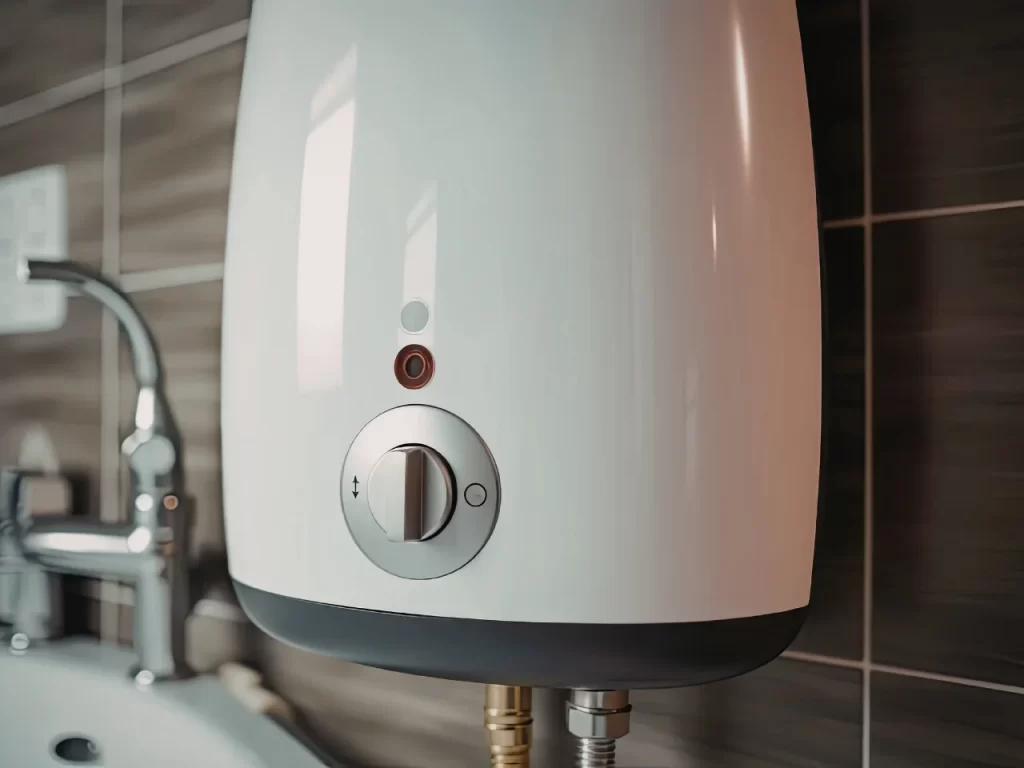
The location of the leak tells a story. Knowing whether it is leaking from the top or leaking from the bottom helps a plumber provide an accurate quote for repair.
Leaking from the Top
When you see water pooling on the top of the water heater, the fix is often affordable.
- Cold Water Inlet and Hot Water Outlet: The fittings connecting the main water lines to the heater may have failed.
- T&P Valve: If the leak originates from the top of the heater where the safety valve is threaded, the valve is leaking and needs to be replaced.
Leaking from the Bottom
If you notice water at the base of your water heater, it could be one of two things:
- The Drain Valve: A simple fix. The drain valve may just need tightening or replacing.
- Internal Tank Failure: This is the worst-case scenario. If the water is coming from underneath the outer jacket of the heater, the internal water tank has likely cracked. In this case, water heater replacement is inevitable.
Repair Options vs. Water Heater Replacement
When your water heater is leaking, you have to decide: do I fix it or replace it? At Absolute Draining & Plumbing, we always aim for the most cost-effective solution for our Toronto customers.
When to Choose Water Heater Repair
If your unit is relatively young (under 8 years old) and the leak is coming from a replaceable part, like a valve, a pipe, or a heating element, a repair is the way to go. Replacing the T&P valve or the drain valve is a routine task that can extend the life of your unit by several years.
When to Replace Your Water Heater
If your water heater is over 10 years old and is leaking from the bottom, it is usually more logical to replace it. Investing money into a tank that is already corroding is like putting a bandage on a sinking ship. A new water heater will be more energy-efficient, lowering your monthly utility bills and providing the reliability you need during a cold Ontario winter.
How to Prevent Water Heater Leaks in the Future
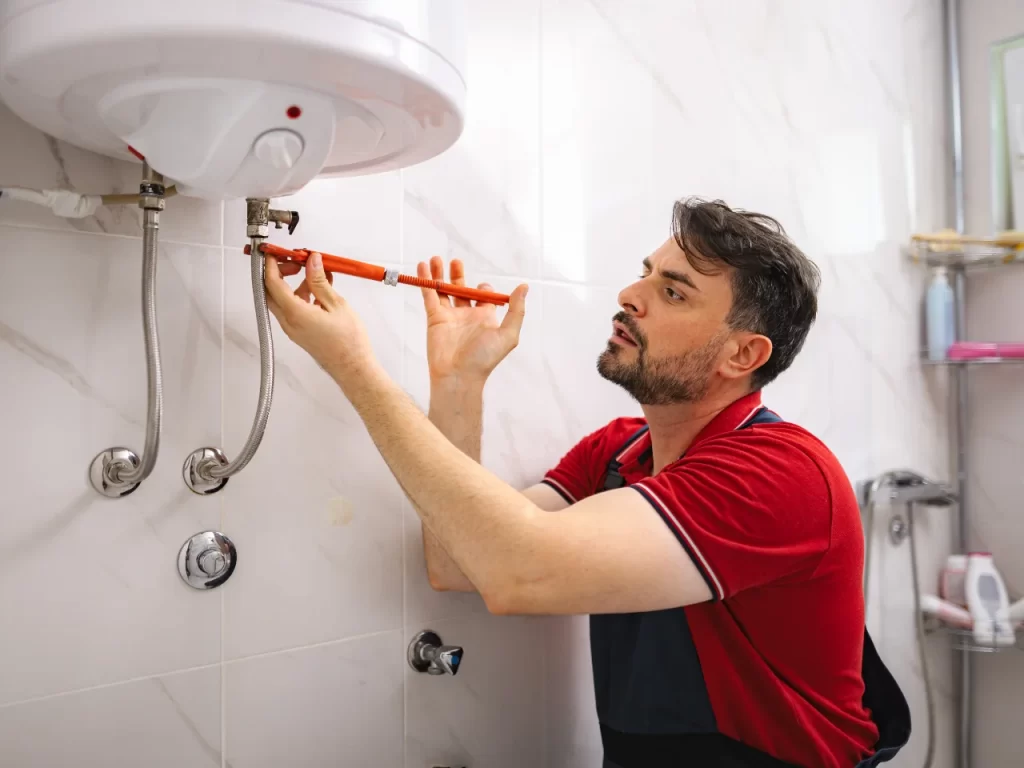
The best way to handle a water heater leak is to prevent it from happening in the first place. A little maintenance goes a long way in protecting the area around the heater.
Flush Your Water Heater Regularly
Over time, sediment and minerals from the cold water build up at the bottom of the tank. This sediment creates “hot spots” that can cause the metal to weaken and eventually lead the water heater to leak. You should flush your water heater at least once a year to remove water and sediment.
Check the Anode Rod
The anode rod is a “sacrificial” piece of magnesium or aluminum that hangs inside the tank. It is designed to corrode so that your tank doesn’t. If you don’t replace this rod every 3 to 5 years, the rust will move to the tank walls, causing a leaking water heater.
Install a Leak Detector
To prevent water damage in your home, consider installing an automatic leak detector. These small sensors sit near your water heater and will sound an alarm or even turn off the water supply automatically if they see water on the floor.
The Risks of Ignoring a Leak
It might be tempting to just put a towel down and ignore a small drip, but the risks of a leaking water heater are significant.
- Mould and Mildew: The ideal conditions for mould growth are created by water collecting around the base, which may have an effect on your home’s air quality.
- Structural Damage: Constant water leaking can rot the wooden subfloor or damage the foundation in your basement.
- Energy Waste: A leaking water heater has to work much harder to keep the remaining water and steam hot, leading to a spike in your gas or electric bills.
- Catastrophic Failure: A small leak can suddenly turn into a burst tank, releasing 40 to 60 gallons of hot water into your home in seconds.
Why Toronto Homeowners Trust Absolute Draining & Plumbing
When your hot water heater is leaking, you need a team that understands the urgency. Absolute Draining & Plumbing has been serving the Greater Toronto Area for over 20 years. We’ve seen every possible reason behind a water heater leaking, from simple valve failures to major tank bursts in commercial buildings.
You won’t ever have to worry about the clock running while we’re working because we provide flat-rate pricing. Our licensed plumbers will explain exactly why your water heater may be failing and provide you with an honest recommendation—whether that’s a quick repair or a full water heater replacement. Plus, if you need a new water unit, we can help you navigate the plumbing rebate process to ensure you get the best value for your investment.
Don’t Let a Leak Damage Your Home
A water heater leaking is a problem that only gets worse with time. If you notice water around your unit, don’t wait for the puddle to become a flood. Quick action can mean the difference between a straightforward repair and water damage to your house that costs thousands of dollars.
Keep your home safe and your showers hot. If your hot water heater is leaking, or if your heater is over 10 years old and you want a preventative inspection, we are here to help. Our team at Absolute Draining & Plumbing provides 24/7 emergency services across Toronto and the GTA.
Contact us today through our form or call +1 (416) 252-5557 for expert plumbing, drain, and related services in Toronto, Etobicoke, Mississauga, and across the GTA.