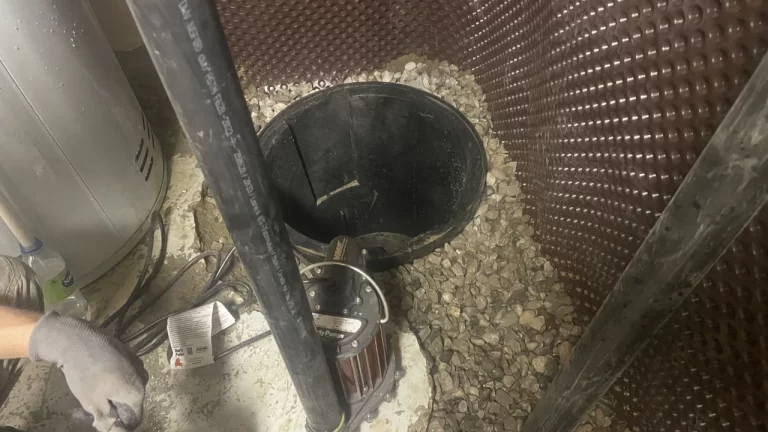
A single sump pump can remove more than 7,500 litres of water from your foundation in a single day during a typical spring thaw in Toronto. That would be the equivalent of sleeping upstairs while draining a medium-sized backyard pool one bucket at a time. It is a massive job for one machine, which is why most Toronto homeowners are caught off guard when that “marathon runner” finally hits its limit.
In this blog, we are going to dive deep into everything you need to know about sump pump lifespan. We’ll cover the average years of service you can expect, the critical signs that your pump is failing, and practical maintenance tips to keep your basement dry. Knowing how long your sump pump will last is the first step to avoiding expensive water damage to your house, regardless of whether it is a pedestal or submersible kind.
Contact us today through our form or call +1 (416) 252-5557 for expert plumbing, drain, and related services in Toronto, Etobicoke, Mississauga, and across the GTA.
What is the Average Sump Pump Lifespan?
If you are wondering how long sump pumps typically work, the general rule of thumb is 7 to 10 years. However, this isn’t a hard and fast number. In the Greater Toronto Area, our weather can be quite unpredictable. Between heavy spring thaws and intense summer thunderstorms, a pump in a Toronto home might work much harder than one in a drier climate.
The type of pump you place in your sump pit has a significant impact on how long your unit lasts. Some are built for longevity, while others are designed for high-volume power. Understanding which one you have will help you determine when it’s time to consider a replacement.
Pedestal vs. Submersible Sump Pumps
The design of your system plays a huge role in its longevity.
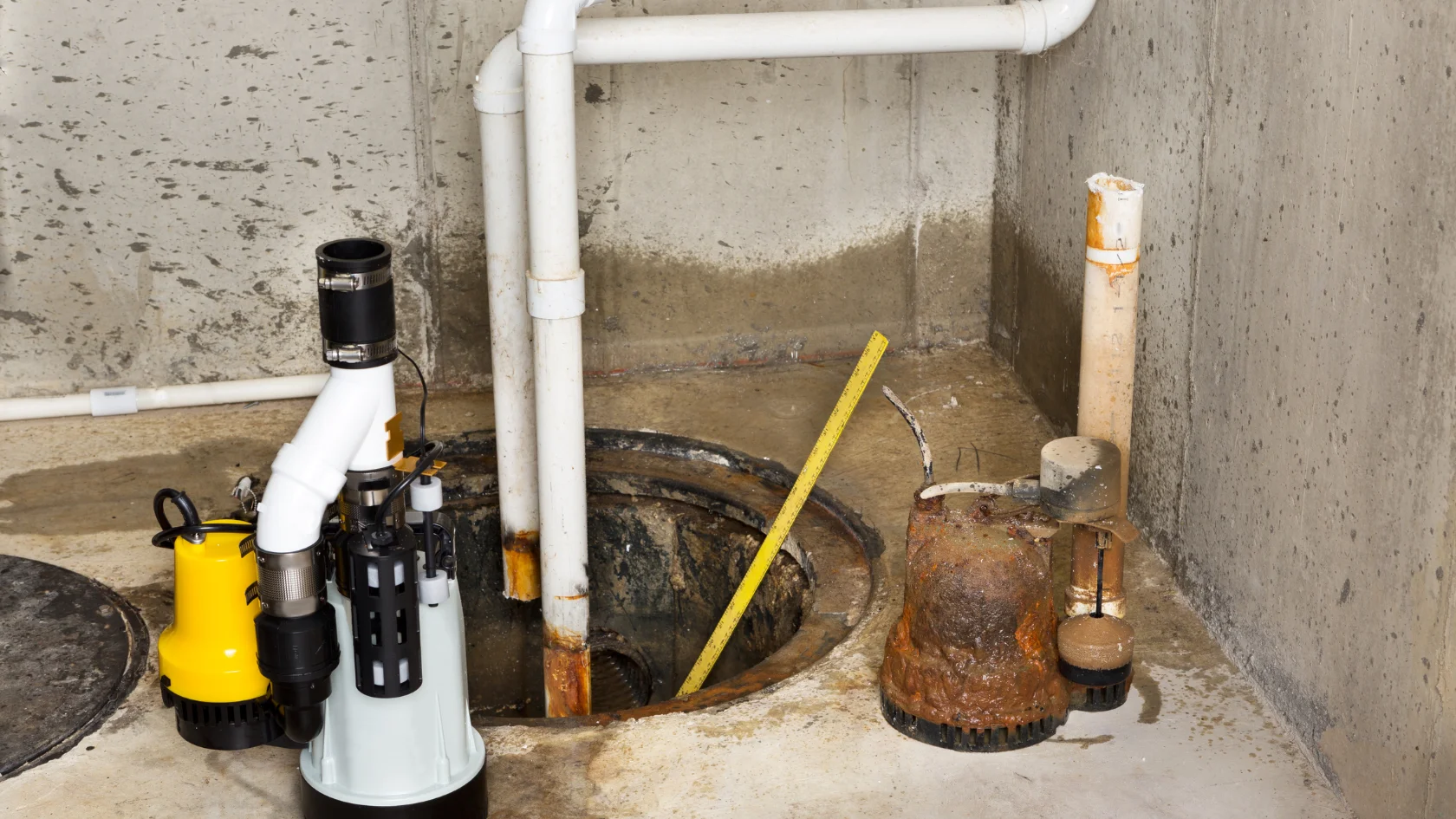
- Pedestal Pumps: These have a motor that sits on a column above the basement floor, kept out of the water. Because the motor stays dry, pedestal pumps often last longer, and sometimes up to 15 years. However, they are louder and can be less powerful.
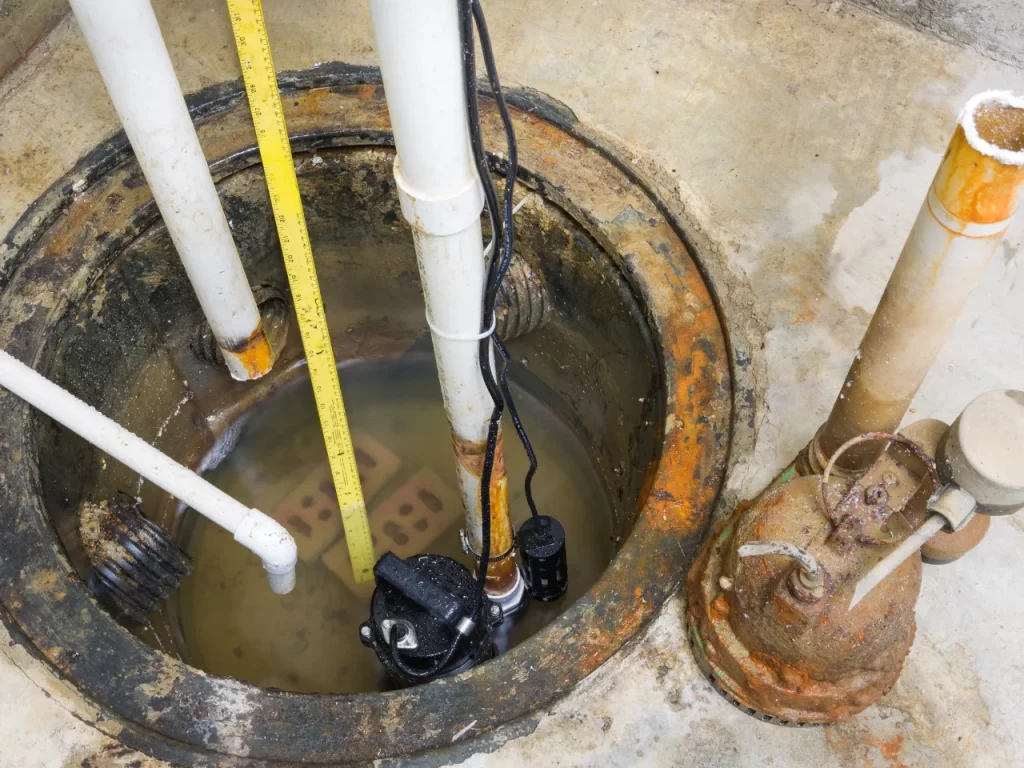
- Submersible Sump Pumps: These units are installed down inside the pit. Being immersed all the time can cause rust and engine damage, even though submersible pumps are quieter and better at handling large quantities of water during heavy rain. You can generally expect submersible sump pumps to last closer to the 7-year mark.
5 Critical Signs of Sump Pump Failure
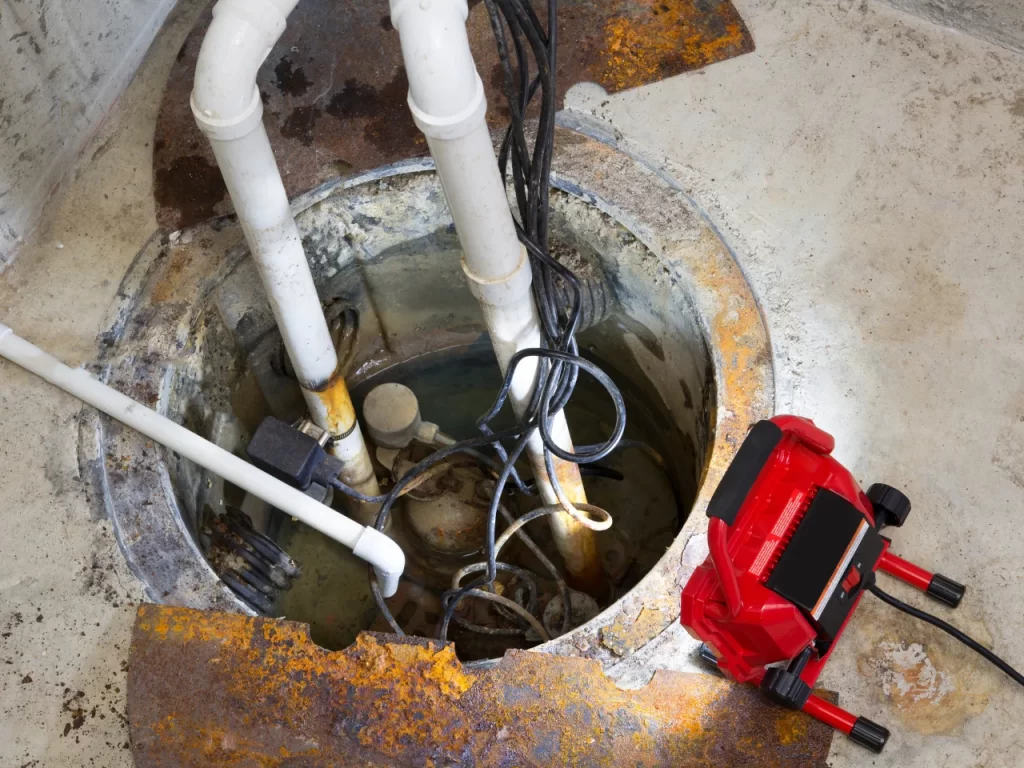
You don’t want to wait until your basement stays dry no longer to realize there is a problem. Being proactive means watching for signs of wear before a total breakdown occurs. In a city like Toronto, where the water table can shift rapidly after a heavy thaw, a failing pump is a liability you can’t afford. If you notice any of the following, it might be time for a new sump.
1. Strange Noises
If your pump is running and starts making strange noises, like grinding, rattling, or thumping, it’s a major red flag. A healthy pump should hum quietly; it shouldn’t sound like a blender full of rocks.
- Grinding or Screeching: This often indicates that the bearings are worn out or the impeller (the fan-like part that pulls water in) is jammed with dirt and debris.
- Rattling: This could mean the unit is hitting the side of the sump pit or that internal components have shaken loose. Ignoring these sounds usually leads to a seized motor just when you need it most during heavy rain.
2. Excessive Vibrations
A pump that vibrates violently when it runs is often suffering from a bent or damaged impeller. Because the impeller is responsible for moving the water, even a slight bend can throw the whole unit out of balance.
Think of it like a tire out of alignment on your car; the faster it spins, the more damage it does to the surrounding parts. This unnecessary wobbling puts immense strain on the drive shaft and will eventually burn out the motor. If your pump is shaking the discharge pipes or the basement floor, it is a clear sign that the internal hardware is failing.
3. Frequent Cycling
Does your sump pump frequently turn on and off, even when there isn’t much water in the pit? This is known as “short-cycling.” While it might seem like the pump works fine because it’s moving water, this constant “on-off” action is brutal on the electrical components.
This issue typically stems from two things:
- Float Switch Issues: The float switch might be improperly adjusted or snagged, telling the pump to start too early.
- Incorrect Sizing: If the pump is too small to handle the inflow, or conversely, too powerful for the size of the pit, it will cycle rapidly. Constant cycling is one of the fastest ways to shorten a sump pump’s lifespan, leading to an early breakdown.
4. Visible Rust and Corrosion
Since submersible pumps spend their lives underwater, a little bit of discolouration is normal. However, significant rust or white “calcified” buildup on the casing is a warning that the protective seals are degrading.
When rust eats through the outer shell, water can seep into the motor housing. Once moisture hits the electrical windings, the pump fails to activate or causes a short circuit. If you see flakes of rust in the water or a pitted texture on the pump’s body, it’s time for a replacement before the structural integrity of the unit is compromised.
5. The Pump Runs Constantly
If the pump runs even when the sump pit is empty, you have a serious problem. A pump is designed to move water and then rest; if it never stops, the motor will overheat and fail.
- Stuck Float: Often, the float gets stuck against the wall of the pit or tangled in a wire, keeping the “on” switch engaged.
- Check Valve Failure: If the check valve is broken, water that was just pumped out will flow right back into the pit as soon as the pump stops, triggering it to turn on again immediately. This non-stop operation not only spikes your hydro bill but also ensures that you will need to replace your sump much sooner than expected.
Contact us today through our form or call +1 (416) 252-5557 for expert plumbing, drain, and related services in Toronto, Etobicoke, Mississauga, and across the GTA.
Factors That Shorten a Sump Pump’s Lifespan
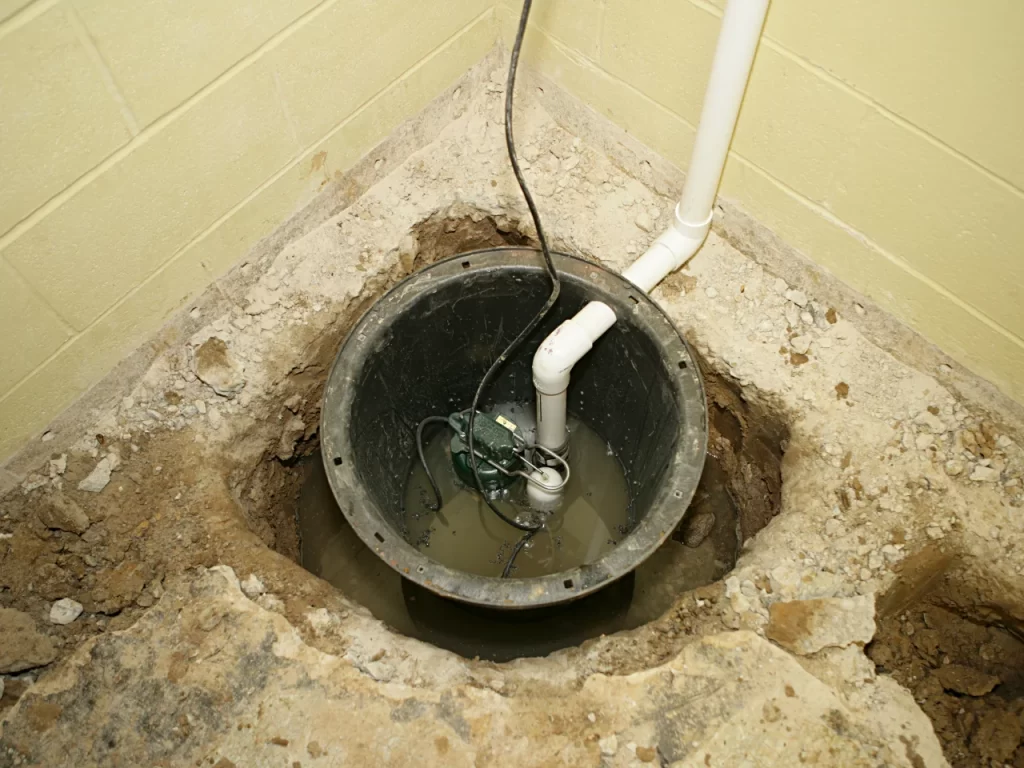
Why do some sump pumps last a decade while others fail after three years? Several environmental and mechanical factors impact how your sump pump’s lifespan plays out.
Frequency of Use and Water Table
If you live in an area of Toronto with a high water table, your pump might cycle dozens of times a day. The more a pump works, the faster the mechanical parts wear out. Replacing your sump pump every 7 years is a safer bet for high-usage homes.
Quality of Installation
A poorly plumbed system can cause major issues. If the discharge pipe is too small or has too many bends, the pump may have to work twice as hard to push water from your basement. At Absolute Draining & Plumbing, our plumbers ensure every new sump pump is installed to maximize efficiency and longevity.
Power Outages and Surges
Toronto storms often bring power outages. If your pump fails to activate because the power is out, your basement is at risk. Furthermore, power surges when the electricity returns can damage the delicate electronics inside a new sump.
The Importance of a Battery Backup System
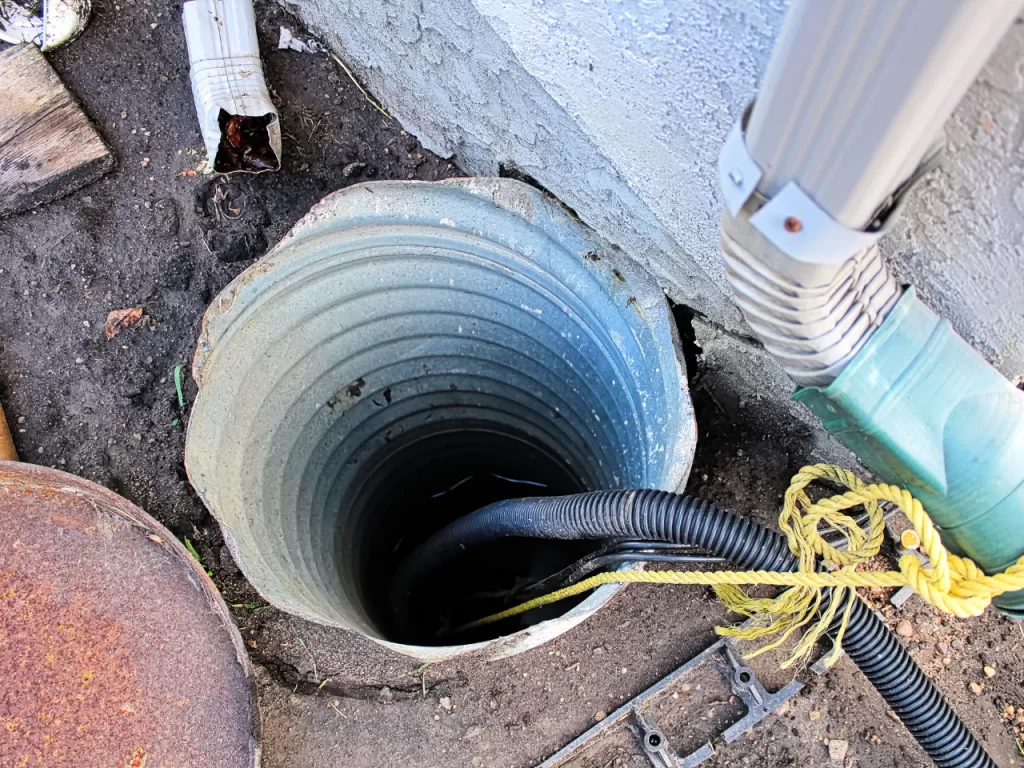
One of the best ways to get peace of mind is to install a backup system. A battery backup is essentially a second pump that sits in the sump pit alongside your main unit.
If the primary pump fails to activate or the power goes out, the backup pump takes over. Battery backup pumps typically have a battery lifespan of 3 to 5 years. It is vital to check these regularly, as a dead battery in a backup sump is useless when the heavy rain starts.
How Regular Maintenance Extends Sump Pump Life
You shouldn’t handle your pump system any differently than you would drive your car for ten years without an oil change. The key to a long lifespan for a sump pump is routine maintenance.
1. Quarterly Cleaning
Every few months, take a look at your sump pit. Clear away any accumulated dirt and debris. If clogs form around the pump, they can prevent the float switch from moving or block the intake.
2. Annual Professional Inspection
Once a year, it is wise to schedule an appointment with a professional plumber. We can perform a detailed check, including:
- Checking for debris in the impeller.
- Testing the battery backup charge.
- Ensuring the float moves freely.
- Checking the discharge line for obstructions.
When It’s Time for a Replacement
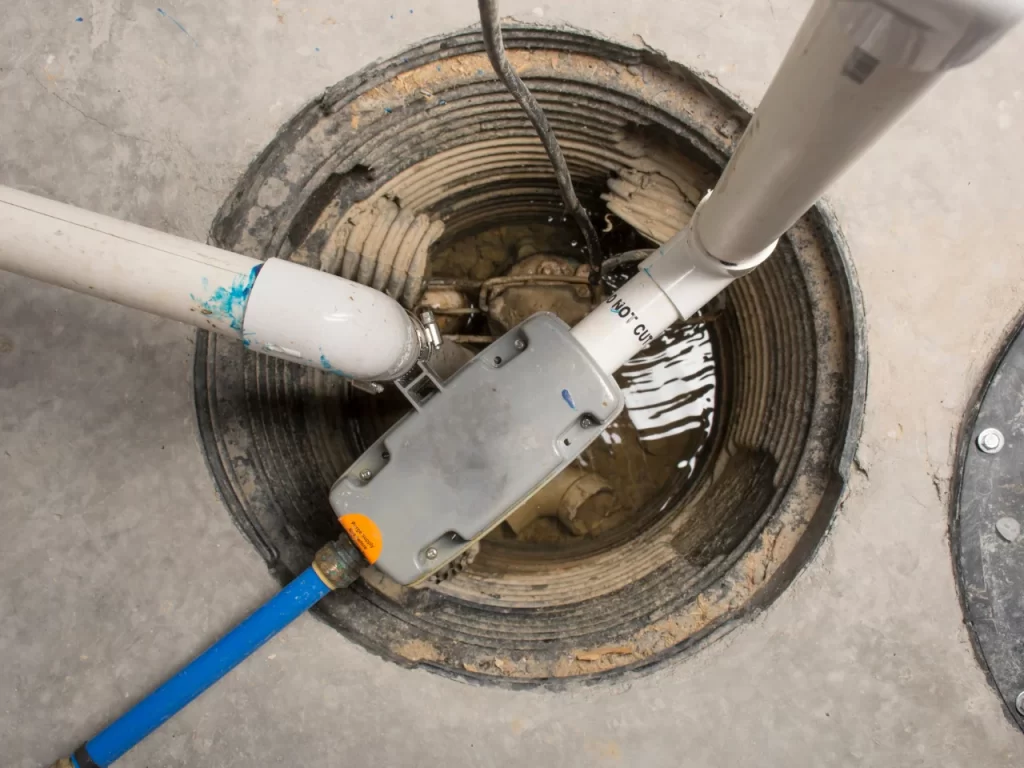
If your unit is approaching the 7 to 10 years mark, you should start looking at pump options. It is much cheaper to replace a pump on your own terms than to deal with the aftermath of basement flooding and water damage.
Choosing the Right Sump Pump for Your Home
When looking for the best sump pump, don’t just purchase the cheapest one on the shelf. You want a powerful pump made of cast iron rather than plastic. A high-quality submersible unit can handle the tough Toronto winters and heavy spring thaws much better than a bargain-bin model.
Calculating the Cost
While a new sump is an investment, compare that to the cost of water damage to your home. Replacing carpets, drywall, and furniture, not to mention mould remediation, can cost tens of thousands of dollars. A professional sump pump repair or replacement is a fraction of that cost.
Protect Your Toronto Home from Water Damage
The sump pump’s lifespan isn’t something you should gamble with. In a city like Toronto, where the weather can change suddenly, your sump pump must always be in optimal condition.
If your unit is making noise, acting strangely, or is over a decade old, it’s time to take action. At Absolute Draining & Plumbing, we have over two decades of experience helping homeowners across the GTA keep their basements dry. We offer flat-rate pricing, free consultations, and even assistance with local plumbing rebates.
Contact us today through our form or call +1 (416) 252-5557 for expert plumbing, drain, and related services in Toronto, Etobicoke, Mississauga, and across the GTA.