
If you’ve recently moved to a rural property or a home outside the reach of Toronto’s municipal sewer lines, you might have noticed a strange white pipe sticking out of your lawn or a heavy concrete lid buried in the backyard. It might be a little intimidating to deal with a septic tank for the first time, especially when you discover that you are solely responsible for treating the waste in your house.
A septic tank is essentially an underground, watertight container that acts as a private, mini-wastewater treatment plant for your home. It is an essential part of an on-site wastewater treatment system that is made to manage everything that flows down your drains, including the toilet and kitchen sink. Your property may be subject to serious environmental risks and costly repairs if your septic system isn’t working properly.
In this blog, we are going to dive deep into everything you need to know about your household septic system. We will go over how a septic system functions, the various kinds of septic tanks that are available (such as concrete and polyethylene septic tanks), and the crucial maintenance procedures needed to keep your sewer substitute functioning well for many years.
Contact us today through our form or call +1 (416) 252-5557 for expert plumbing, drain, and related services in Toronto, Etobicoke, Mississauga, and across the GTA.
How a Conventional Septic System Works
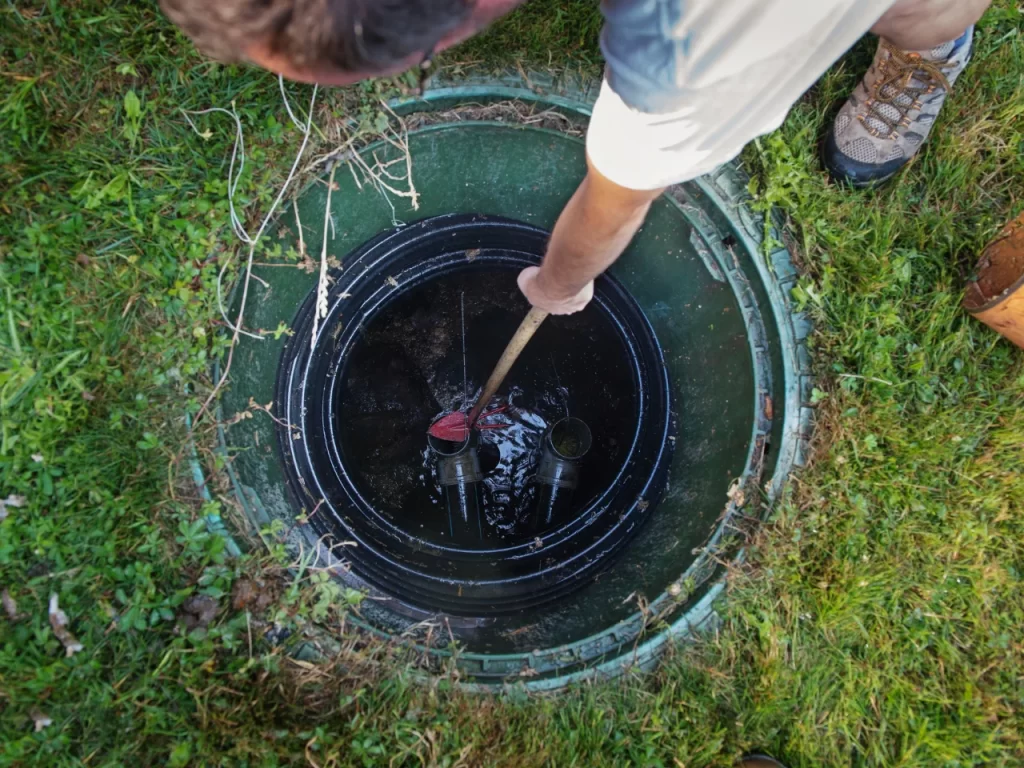
To understand how to care for your system, you first need to understand the mechanics of primary treatment. A conventional septic system works by using a combination of nature and simple engineering to treat wastewater before it ever reaches the groundwater.
When wastewater from your home, including wastewater from your toilets (blackwater) and sinks (greywater), leaves your house, it travels through a main sewer line into the septic tank. This septic tank is an underground chamber where the wastewater sits long enough for the solid material to separate from the liquids.
Three separate layers develop inside the tank:
- The Scum Layer: Oil and grease, along with lighter solids, float to the top.
- The Sludge Layer: Heavier solid waste sinks to the bottom of the tank.
- The Effluent Layer: This is the relatively clear liquid in the middle.
The organic matter in the sludge and scum is broken down by anaerobic bacteria, or bacteria that do not require oxygen to survive. Once the liquid reaches a certain level, the septic tank effluent exits the tank and moves toward the septic drain field (also called a leach field) for secondary treatment.
Choosing a Septic Tank: Materials and Design
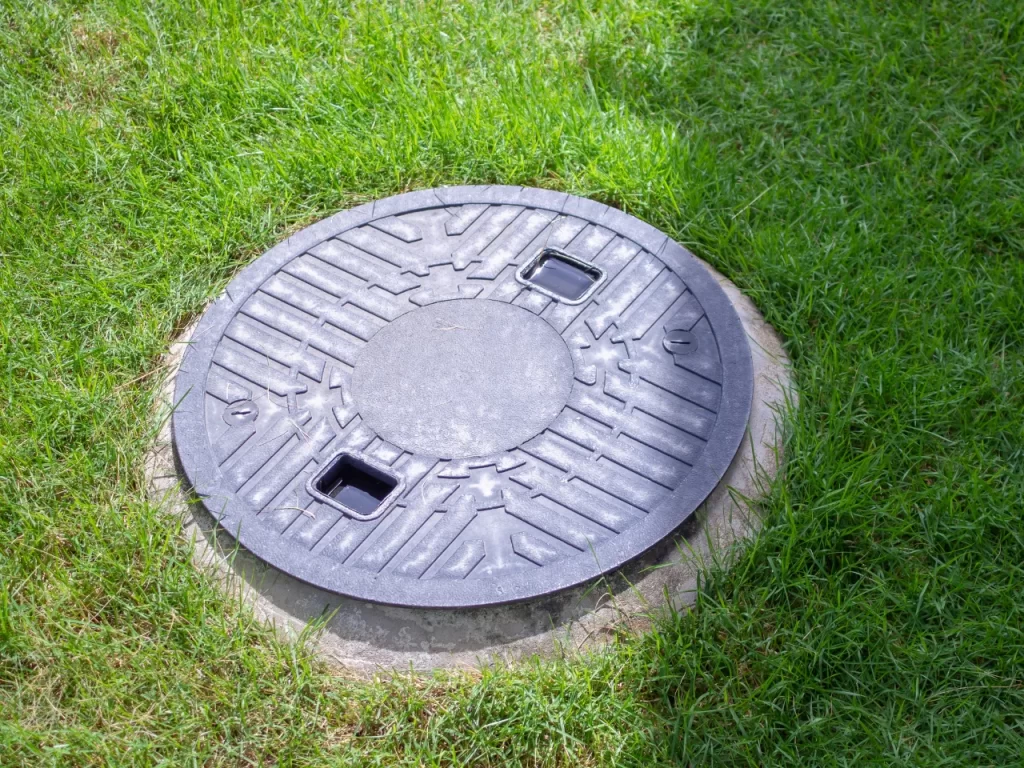
When you are looking to install a septic system or replace an old one, choosing a septic tank is your first big decision. Septic tanks come in different sizes and materials, each with unique advantages.
1) Concrete Septic Tanks
In Ontario, concrete septic units are the conventional option. Because of their extreme durability and weight, they won’t “floating” in the case that the water table rises. Because they are composed of concrete, they are extremely durable and, with proper care, can endure for decades. However, they are prone to cracking over very long periods and require heavy machinery for installation.
2) Polyethylene Septic Tanks
Polyethylene septic tanks (or plastic septic tanks) are becoming increasingly popular for residential septic use. These plastic tanks are much lighter than concrete tanks, making them easier to transport to remote cottages or tight lots. Polyethylene tanks are also resistant to the chemical reactions that can sometimes wear down concrete. Because these tanks are lightweight, they are often the go-to for new septic installations where site access is limited.
One-Compartment vs. Two-Compartment Tanks
A one-compartment tank is a single large chamber. However, many modern tanks have two compartments separated by a baffle wall. A two-compartment septic tank design is generally more efficient because it does a better job of preventing suspended solids from leaving the tank and entering the drain field.
Critical Components of a Septic System
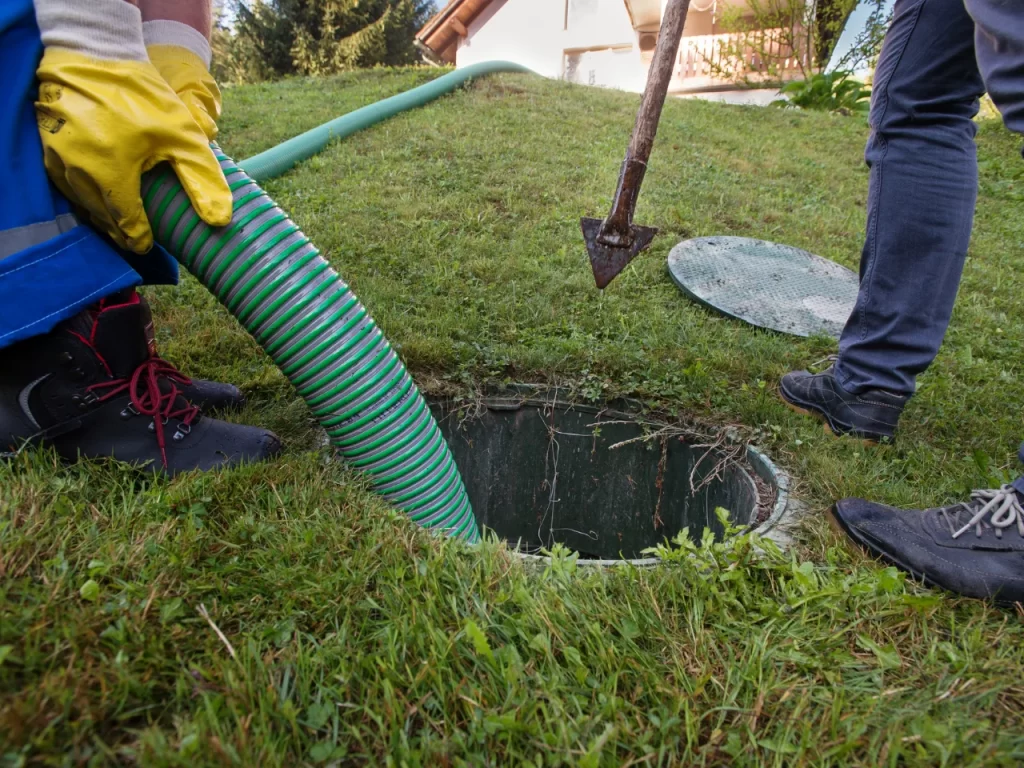
An entire septic system is made of several parts that must all function together. If one filter or pipe fails, the whole system can clog and back up into your home.
The Septic Tank Riser
A septic tank riser is a shaft made of polyethylene or concrete that extends from the tank’s access ports to the ground surface. Instead of having to dig up your lawn every time you need an inspection, the riser allows for easy access. We highly recommend installing a riser to save on labor costs during routine maintenance.
The Effluent Filter
The effluent filter is a small but mighty part of the treatment system. It is located at the outlet pipe and acts as a final screen to catch any small solid particles or scum from leaving the tank. If these solids escape, they will eventually clog the soil in your leach field, which is a very expensive problem to fix.
The Septic Pump
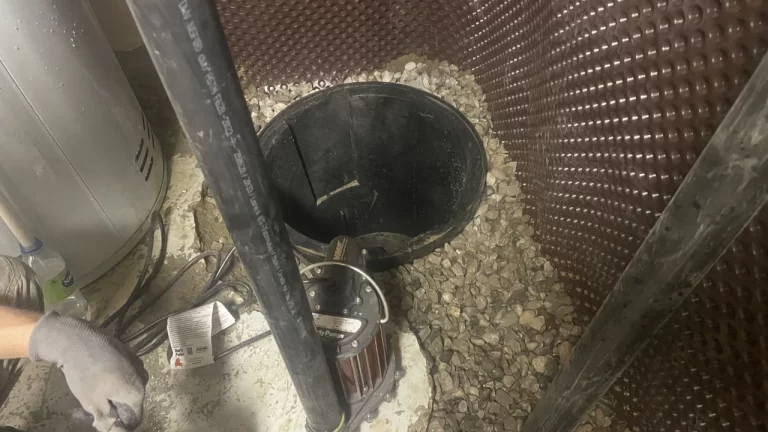
If your septic drain field is located at a higher elevation than your tank, you will need a septic pump. This pump sits in a separate holding tank or chamber and “pushes” the effluent up to the drain field using pressure.
Contact us today through our form or call +1 (416) 252-5557 for expert plumbing, drain, and related services in Toronto, Etobicoke, Mississauga, and across the GTA.
What Happens in the Septic Drain Field?
The septic drain field is where the real “cleaning” happens. Once the liquid (the effluent) leaves the tank, it enters a network of perforated pipes buried in trenches filled with gravel.
The liquid starts to seep through the gravel and into the natural soil as it exits the pipes. Aerobic bacteria, bacteria that require oxygen, take control in this situation. The pathogens and nutrients that are still present in the wastewater are consumed by these organisms. By the time the water reaches the groundwater, it has been naturally filtered and purified.
Signs Your Septic System Needs Attention
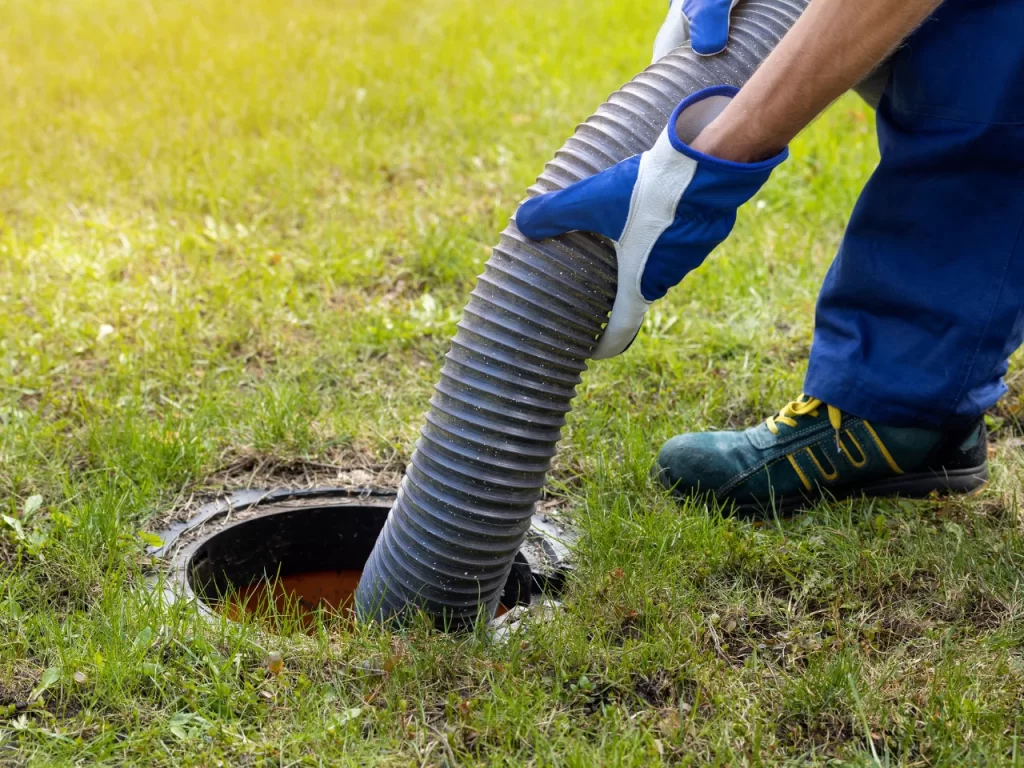
As a septic system owner, you need to be vigilant. Unlike a municipal sewer, if something goes wrong here, it’s your property that gets flooded. Watch out for these red flags:
- Slow Drains: If your toilet or sinks are draining slowly, it could be a sign of a clog or a full tank.
- Lush Green Grass: If the grass over your leach field is much greener and faster-growing than the rest of the yard, it might mean the field is being flooded with too much wastewater.
- Bad Odours: The smell of rotten eggs near the tank or drain field indicates that gases aren’t venting properly or the system is failing.
- Pooling Water: Standing water in the yard near the septic system is a major emergency.
Essential Maintenance: Pumping the Tank
The most important task for any homeowner with a septic system is pumping the tank. Over time, the sludge at the bottom of the tank and the scum at the top will build up. If these layers get too thick, there isn’t enough room for the wastewater to settle, and solids will be pushed out into the drain field.
Most experts recommend that you pump your tank every 3-5 years. The exact frequency depends on the size of your household and the size of your septic tank. For example, a family of five in a home with a small concrete septic tank might need to pump every 2 years, while a couple in a large home might last 5 years.
During a professional pump-out, the technician will remove all scum and sludge. This is also the best time to have your effluent filter cleaned and the baffles inspected.
Modern Septic Solutions: Advanced Treatment Systems
Sometimes, a conventional septic system isn’t an option. If you have a small lot, poor soil quality (it won’t percolate), or a high water table, you may need an advanced onsite wastewater treatment system.
These systems, like the Ecoflo biofilter, provide a higher level of primary wastewater treatment before the water ever hits the soil. Some even filter the wastewater using pieces of coconut husk or utilize UV light to destroy microorganisms. These solutions enable you to build on terrain that would otherwise be “unbuildable,” despite their more complicated design and installation.
Protecting Your Investment: Best Practices
Install a septic system once, and if you treat it right, you’ll never have to do it again. Here are the “golden rules” for every septic system owner:
- Watch What You Flush: Only human waste and toilet paper should go down the toilet. No “flushable” wipes, feminine hygiene products, or paper towels.
- Limit Chemicals: Paint thinners, bleach, and strong drain cleaners should not be poured down the sink. The anaerobic microorganisms that your treatment system depends on are killed by these substances.
- Manage Your Water: Too much water at once (like doing 10 loads of laundry in one day) can “flood” the tank, pushing solids into the leach field before they have a chance to settle.
- No Parking: Avoid parking cars or moving large machinery across your drain field or septic tank. This can crush the pipes or the polyethylene tanks and compact the soil, preventing proper drainage.
Why Professional Installation Matters
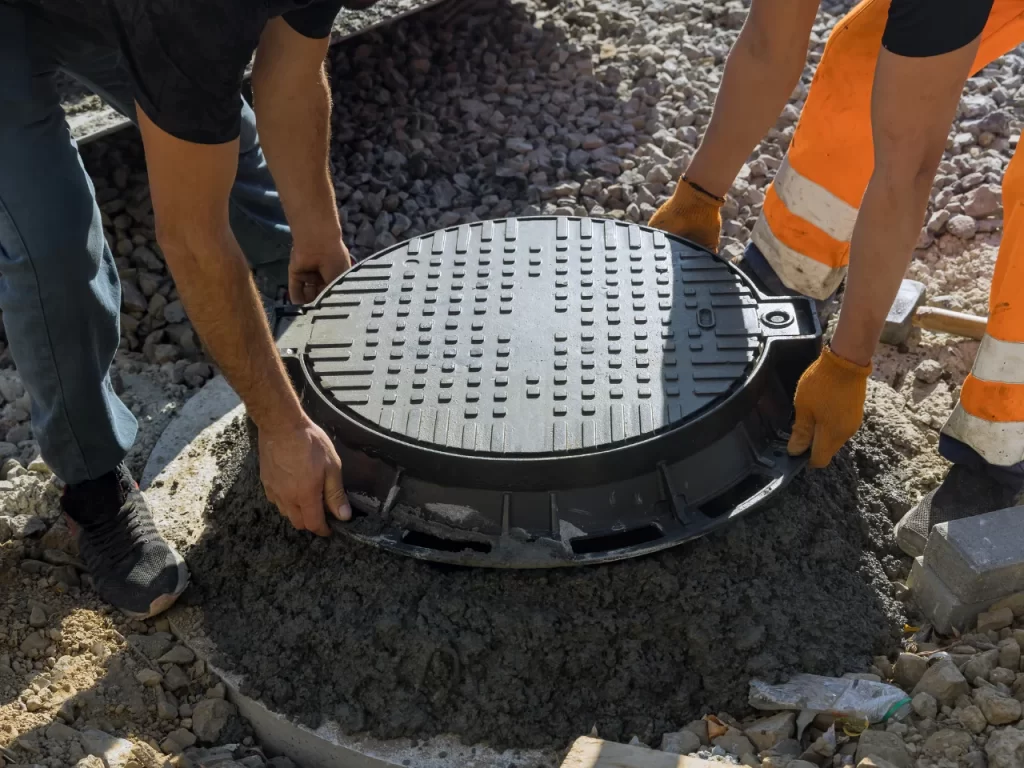
Prior to installation, a lot of work goes into the septic tank design. A certified septic professional must perform a “perc test” to see how quickly your soil absorbs water. They then calculate the size of the tank needed based on the number of bedrooms in your home.
At Absolute Draining & Plumbing, we understand that new septic tanks are a significant investment. Whether you are choosing a septic tank made of concrete or exploring polyethylene tanks, the design and installation must meet strict Ontario building codes. In addition to failing, a badly installed system may cause your house to lose value and result in fines from the Ministry of the Environment.
Why Choose Absolute Draining & Plumbing?
- 20+ Years Experience: We’ve seen every type of soil and drainage issue in the GTA.
- Flat-Rate Pricing: We provide clear, upfront costs for your septic solutions.
- Quality & Comprehensive Service: From pumping the tank to complete drain field restoration, we do it all.
Keep Your System Flowing with Absolute Draining & Plumbing
Understanding how your septic tank works is the first step toward avoiding a messy and expensive disaster. By knowing the difference between sludge and scum, keeping your filter clean, and making sure you pump your tank on time, you can protect both your property and the environment.
If you’re worried about a potential clog, need a septic tank riser installed, or are ready to schedule your routine maintenance, don’t wait for a backup to happen. A little bit of prevention today saves thousands of dollars in wastewater treatment system repairs tomorrow.
Do you not know when the last inspection or pumping of your septic tank took place? For a free consultation, call Absolute Draining & Plumbing right now. Our licensed team is ready to help you keep your septic system effective and healthy for many years to come.
Contact us today through our form or call +1 (416) 252-5557 for expert plumbing, drain, and related services in Toronto, Etobicoke, Mississauga, and across the GTA.