Did you know that the average Canadian household uses over 900 litres of water every single day? Every drop from your morning shower, the dishwasher cycle, and those 15 to 20 toilet flushes per day relies on a single pipe, usually no wider than 4 inches: your main sewer line.
All of your plumbing fixtures are immediately at risk when that one pipe breaks. A clogged main sewer line is a serious plumbing disaster that may cause thousands of dollars in water damage in a matter of hours, so it’s not just a small annoyance.
In this blog, we will provide a comprehensive look at the mechanics of your home’s waste system and provide actionable steps on how to clear a main sewer line clog yourself. We’ll cover the warning signs of a sewer line blockage, the essential tools you’ll need, like a sewer snake, and the safety precautions necessary to protect your home from sewage damage. While some stubborn clogs eventually require a professional plumber, many early-stage sewer line clogs can be managed with the right DIY approach.
Contact us today through our form or call +1 (416) 252-5557 for expert plumbing, drain, and related services in Toronto, Etobicoke, Mississauga, and across the GTA.
Understanding Your Main Sewer Line
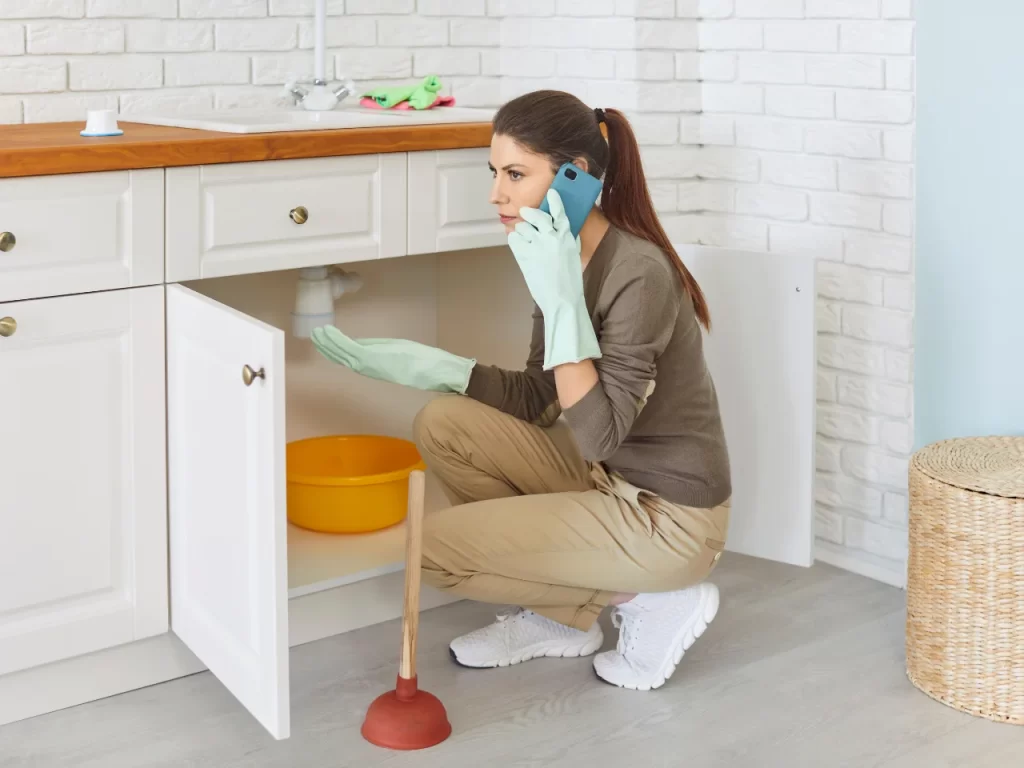
Before you grab a wrench or a snake, it is important to understand what you are dealing with. Your main sewer line is the primary pipe that carries all wastewater from your toilets, sinks, and showers out of your home and into the city sewer system or a private septic tank.
Unlike a simple clogged drain in a kitchen sink, a clog in the main line stops the flow for the entire plumbing system. When this pipe becomes obstructed, wastewater has nowhere to go but back up through the lowest drain opening in your home, which is often a basement floor drain or a laundry tub.
In Toronto’s older neighbourhoods, these lines are frequently composed of cast iron or clay, which are more likely to shift and shatter over time. When the integrity of the pipe is compromised, it creates the perfect environment for a clogged main sewer line to develop. Understanding the age and material of your main line is a vital first step before you try to clear any obstruction yourself.
Common Causes of a Clogged Sewer Line
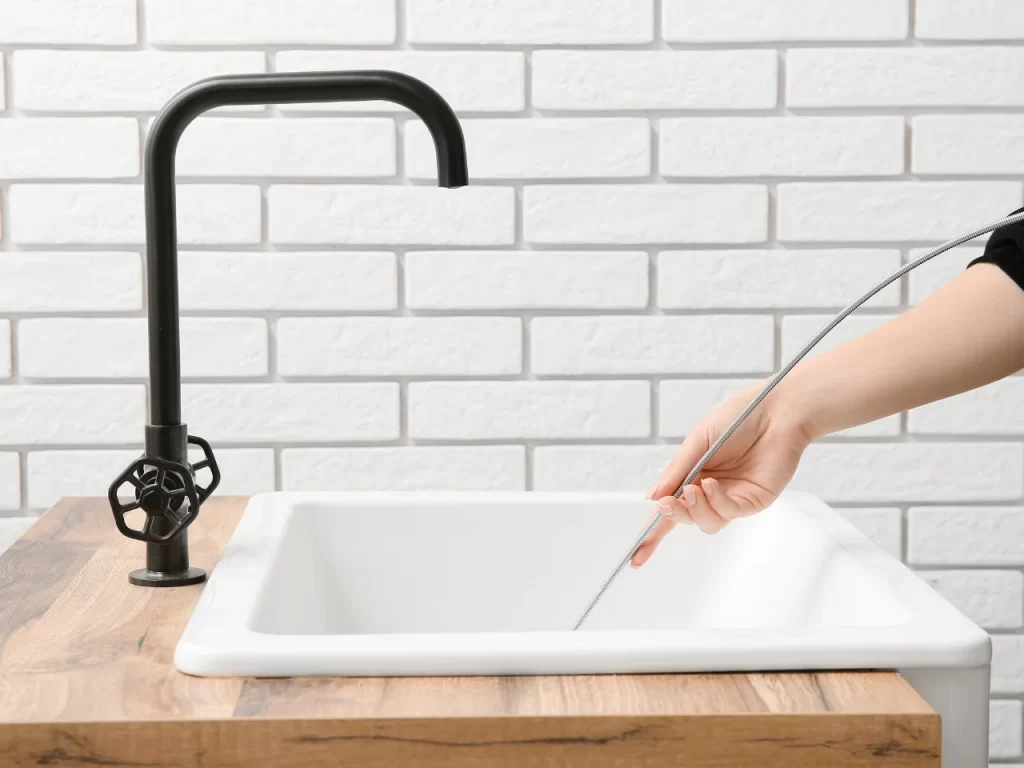
There are several reasons why your sewer line can get backed up:
- Tree Root Intrusion: Roots from trees near your sewer line seek out moisture and can enter through tiny cracks in the sewer pipes, eventually creating a massive blockage in the main.
- Debris and Buildup: Over time, a buildup of hair, soap scum, and “flushable” wipes (which aren’t actually flushable) creates a serious clog.
- Fat and Grease: Pouring grease down the sink drain leads to hardened deposits on the walls of the pipe.
- Structural Issues: Older sewer lines made of clay or cast iron can sag or collapse, leading to a clogged main sewer line.
Signs of a Clogged Main Sewer Line
How do you know if the problem is just a local clog or a clogged sewer main? Watch for these signs of a sewer line issue:
- Multiple Clogged Fixtures: If your kitchen sink, bathroom toilet, and laundry drain are all acting up at once, the issue is almost certainly the main drain line.
- Unusual Reactions: Flushing the toilet causes water to gurgle up into the bathtub, or running the washing machine causes the basement toilet to overflow.
- Foul Odours: A strong scent of sewage around your floor drains or in the yard is a primary sign of a clogged main.
- Slow Draining: If every drain in the house is slow draining, the sewer line is clogged or nearing a full backup.
How to Clear a Main Sewer Line Clog Yourself: Step-by-Step
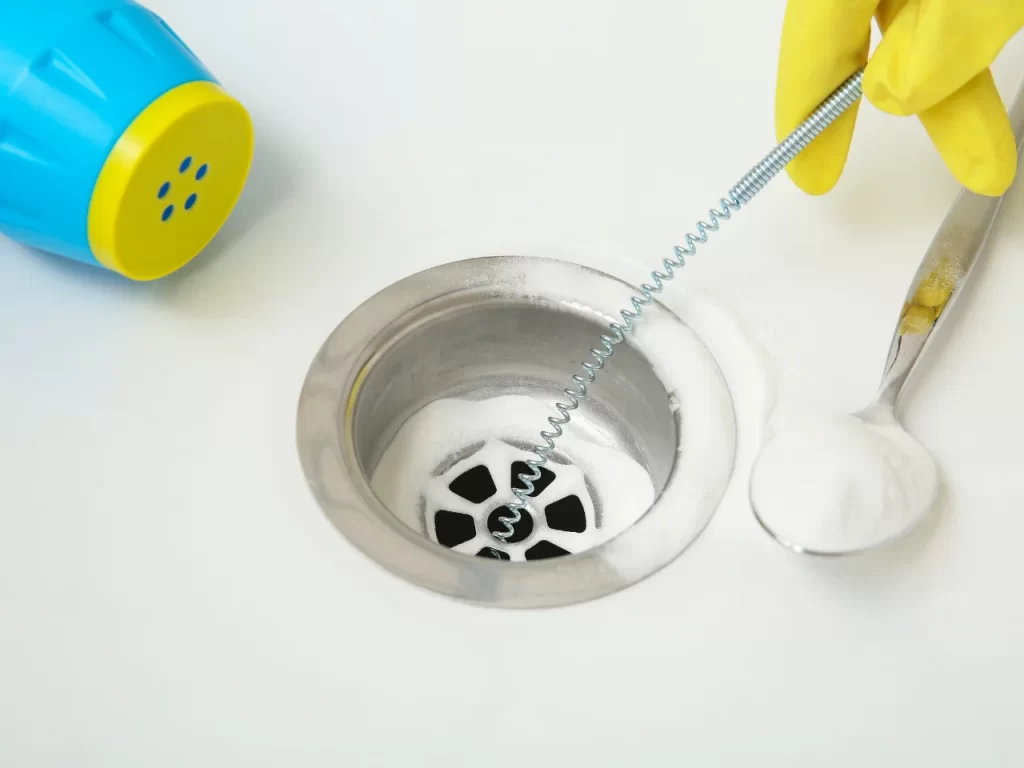
If you catch the problem early, you might be able to unclog your main sewer line without calling in the experts immediately. Here is the process for clearing the clog safely.
1. Locate the Main Cleanout
The first step to clear a main sewer line is finding the cleanout pipe. This is usually a 3- or 4-inch pipe with a screw-on cap, located either in your basement, crawlspace, or outside in the yard near the foundation.
Safety Warning: When you loosen the cap, be prepared for a backup of standing water to clear out of the pipe. Stand to the side so you aren’t hit by escaping sewage.
2. Use a Sewer Snake or Auger
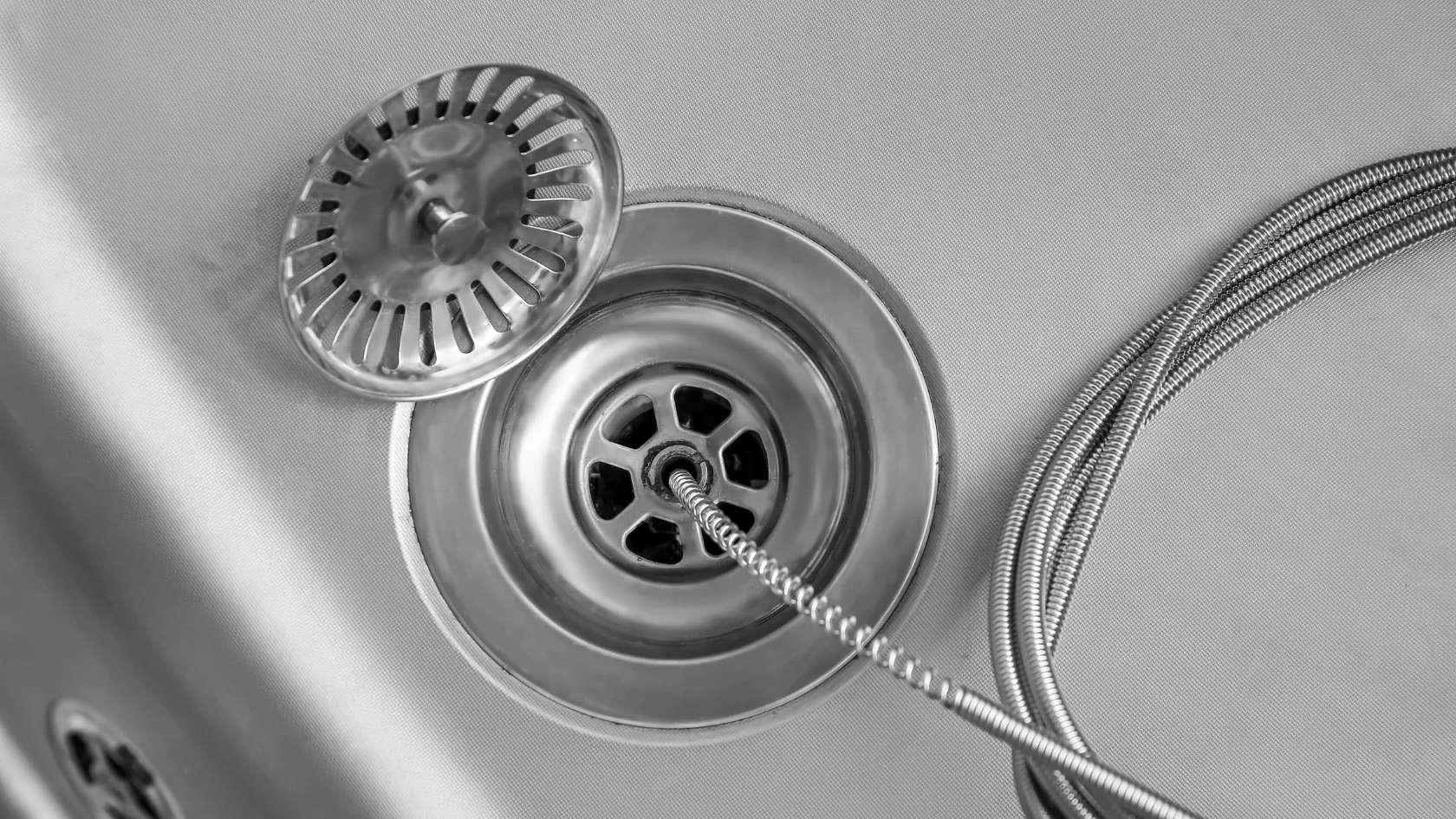
To unclog a main sewer line, a standard handheld drain snake won’t be enough. You will likely need to rent a heavy-duty plumbing snake or motorized sewer snake from a local hardware store.
- Insert the snake into the pipe. Feed the snake or auger into the cleanout opening.
- Manoeuvre the cable. Push the snake into the pipe until you feel resistance. This resistance is the clog.
- Dislodge the clog. Rotate the snake to chew through the debris or tree root obstruction.
- Retrieve and Repeat. Pull the snake back, clean off any debris, and feed it back in until the sewer line is flowing freely again.
3. Natural DIY Methods
For minor buildup, you can try to clear the line using non-toxic solutions.
- Baking Soda and Vinegar: Pour one cup of baking soda down the main drain, followed by one cup of vinegar. Let it sit for 30 minutes.
- Hot Water: Following the chemical reaction with a large amount of hot water can help dissolve grease-based sewer line issues.
Avoid using harsh chemical cleaners or commercial chemical drain cleaners. These can damage older sewer pipes and are often ineffective against a serious clog deep in the sewer system.
When to Call a Professional Plumber to Clear the Line
While learning how to clear a main sewer line clog yourself is a great skill, some situations are beyond the reach of a DIY snake. You should call a professional if:
- The clog is caused by heavy tree root growth that a standard snake cannot cut through.
- The pipe has collapsed or shifted.
- The sewage is backing up into your home and causing water damage.
- You have tried using a snake, and the blockage in the main remains.
At Absolute Draining & Plumbing, we use advanced technology like high-pressure water jetting (hydro-jetting) and camera inspections to safely clear the most stubborn clogs. If the size of the clog is too large for manual tools, our team can unclog the drain and perform a sewer line repair using no-dig technology, saving your lawn from excavation.
Professional Techniques for Clearing a Main Sewer Line
When a professional plumber arrives to unclog the main, they bring tools that the average homeowner doesn’t have access to.
Camera Inspections
Before we unclog a sewer line, we often use a waterproof camera to see exactly what is happening inside the pipe. This allows us to determine if the clogged drain is caused by a simple clog or a more permanent issue like a broken pipe.
Hydro-Jetting
If the sewer line needs a deep cleaning, we use high-pressure water to blast away years of buildup and grease. This is the most effective way to keep your sewer line clean for the long term.
Preventing Future Sewer Line Clogs
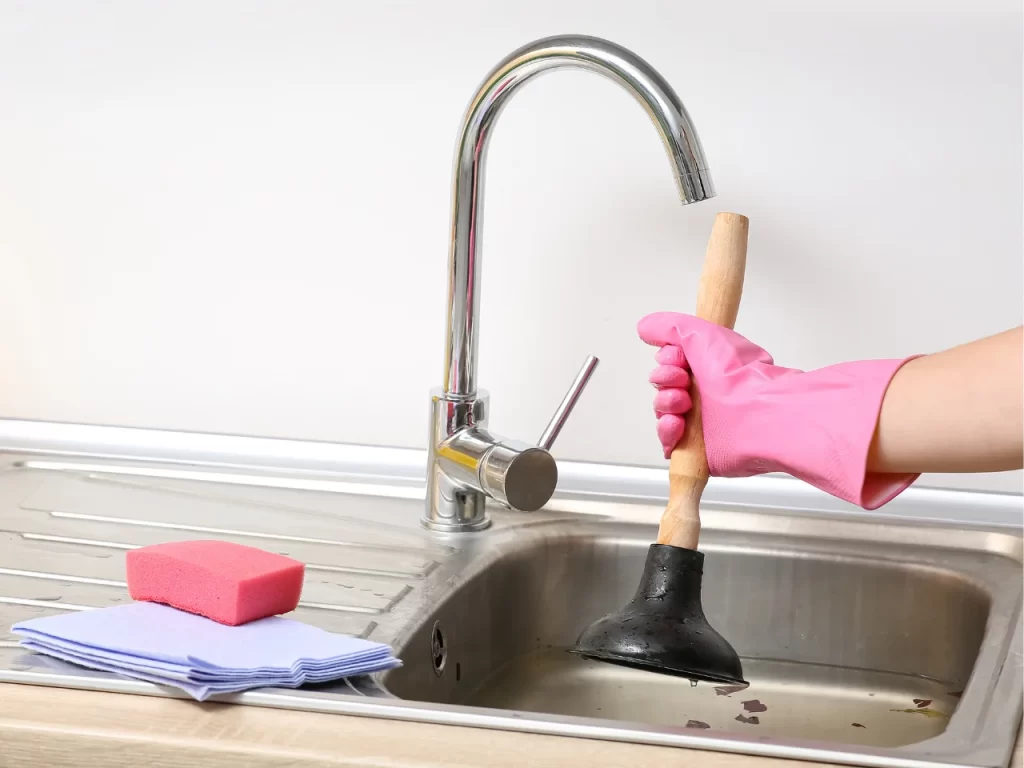
The objective is to maintain your sewer system functioning properly so you never have to deal with a clogged sewer line again after you have successfully unclogged the main.
Regular Inspections and Maintenance
Don’t wait for a backup to think about your plumbing system. Regular inspections by a licensed technician can identify small sewer line issues before they become emergencies. At Absolute Draining & Plumbing, we recommend a professional check-up every two years, especially for older Toronto homes.
Proper Disposal Habits
The easiest way to keep your sewer line clear is to be mindful of what goes down the drain.
- Use a drain strainer: Place a drain strainer to catch hair and food particles in your sinks and showers.
- Never flush wipes: Even if they say “flushable,” they are a leading cause of sewer line blockage.
- Avoid grease: Instead of throwing cooking fats down the sink drain, gather them in a jar.
Tree Root Management
If you have large trees near your sewer line, consider having a plumber perform regular maintenance with a root-killing foaming agent. This prevents roots from entering the sewer line and causing a clogged main sewer line.
The Cost to Clear a Clogged Sewer Line
The cost to clear a main line depends heavily on the size of the clog and the method used. A simple snake job might be affordable, while sewer line repair or hydro-jetting represents a larger investment. However, ignoring a clogged main will eventually lead to massive water damage and expensive restoration costs.
Absolute Draining & Plumbing offers flat-rate pricing, meaning the price we quote is the price you pay. We also assist with plumbing rebate paperwork for devices like backwater valves, which can help prevent future sewage backups.
Trust Absolute Draining & Plumbing for Your Sewer Line Needs
Dealing with a clogged main is never fun, but you don’t have to face it alone. Whether you want to try to unclog a main sewer line yourself or you need an experienced professional plumber to clear a serious clog, we are here to help.
With over 20 years of experience serving Toronto and the GTA, our team has seen every type of sewer clog imaginable. We offer 24/7 emergency services, a 25-year warranty on drain repairs, and a lowest-price guarantee.
Contact us today through our form or call +1 (416) 252-5557 for expert plumbing, drain, and related services in Toronto, Etobicoke, Mississauga, and across the GTA.