A sudden cold snap can turn a calm winter morning into a plumbing emergency before you even make your first cup of coffee. When winter plumbing issues hit, homeowners often discover the problem only after damage has already begun.
Your home’s plumbing system is put under additional stress as temperatures in Toronto and the GTA plummet due to freezing temperatures, decreased water flow, and increased pipe pressure. During the winter, these problems can easily result in expensive repairs, water damage, and needless worry.
In this blog, we’ll break down the most common winter plumbing problems Toronto homeowners face, why they happen, and the steps you can take to prevent them. We’ll also share practical winter plumbing maintenance tips to safeguard your plumbing, protect your home, and know when to call a professional plumber. Whether you’re dealing with frozen pipes, clogged drains, or a struggling water heater, this guide will help you navigate the winter months with confidence.
Contact us today through our form or call +1 (416) 252-5557 for expert plumbing, drain, and related services in Toronto, Etobicoke, Mississauga, and across the GTA.
Why Winter Plumbing Problems Are So Common in Toronto
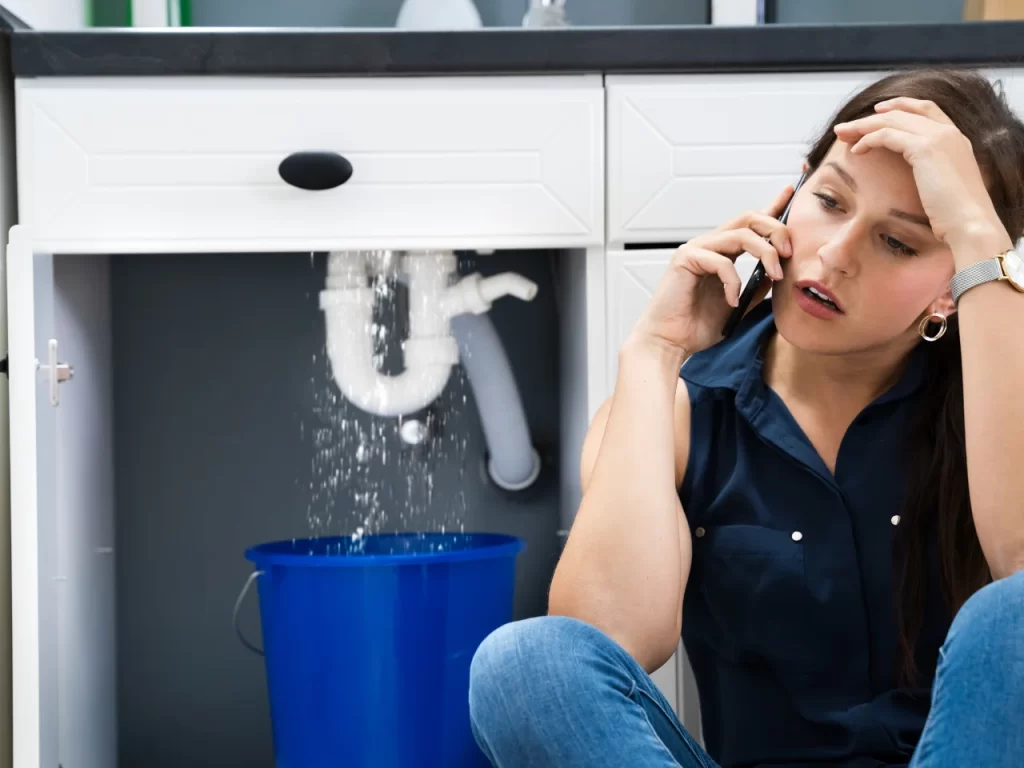
Cold weather puts extra pressure on your home’s plumbing system. As winter temperatures drop, water inside the pipes can freeze, expand, and block water flow. This creates an increase in pressure in the system — one of the leading causes of burst pipes.
The winter season also exposes plumbing to cold air, snow and ice, and unheated areas like basements, garages, and crawl spaces. When temperatures dip suddenly, even well-maintained systems can freeze, crack, or back up. Without regular maintenance and proper insulation, winter plumbing issues can escalate quickly and become costly repairs.
1. Frozen Pipes — The Most Common Winter Plumbing Problem
Frozen water pipes are the biggest plumbing concern for homeowners during the winter months. When water freezes inside a pipe, it expands. This expansion creates pressure that can easily cause a burst pipe.
Why Pipes Freeze
Pipes freeze when:
- They’re located in unheated areas like basements, crawl spaces, garages, and exterior walls.
- Insulation is inadequate or missing entirely.
- Temperatures drop quickly during a cold winter night.
- There is little to no water flow in the line.
When water freezes, it blocks the pipe, increasing pressure behind the freeze point. In many cases, the pipe bursts not where it’s frozen but several feet away due to the buildup of pressure.
How to Prevent Frozen Pipes
You can significantly reduce the risk of freezing pipes by:
- Insulating exposed pipes with foam or similar materials.
- Allowing warm air to travel around pipes, keep cabinet doors under kitchen and bathroom sinks open.
- Letting faucets drip slightly to keep water moving.
- Keeping interior temperatures consistent throughout the winter.
- Checking areas located in unheated spaces, such as the basement or garage, for vulnerable water lines.
Signs a Pipe Is Freezing
Watch for:
- Reduced water pressure
- Frost forming on exposed pipes
- Strange noises are coming from the plumbing system
- Slow or no water flow
If you suspect frozen water pipes, act immediately to prevent a burst pipe.
2. Burst Pipes — One of the Costliest Winter Plumbing Emergencies
A burst pipe is every homeowner’s nightmare. When freezing pipes finally give way, the sudden release of water can cause water damage in minutes. This kind of emergency frequently occurs without prior notice, particularly in concealed spaces like under floors or inside walls. Once the pipe ruptures, the damage spreads fast, risking mould growth, structural issues, and expensive repairs.
Why Burst Pipes Happen
A burst pipe is caused by:
- Frozen water expanding inside the pipe
- Excessive pressure buildup
- Sudden thawing
- Weak or aging pipes located in unheated areas
How to Reduce the Risk of a Burst Pipe
To prevent freezing pipes from turning into a burst pipe:
- Insulate exposed pipes thoroughly, especially those on exterior walls.
- Seal gaps and cracks where cold air can reach plumbing lines.
- Use a heating pad or heat tape on vulnerable pipe sections.
- Install a smart leak detection system for early warning signs.
- Schedule a plumbing inspection before the winter months begin.
3. Clogged Drains — A Surprising Winter Plumbing Issue
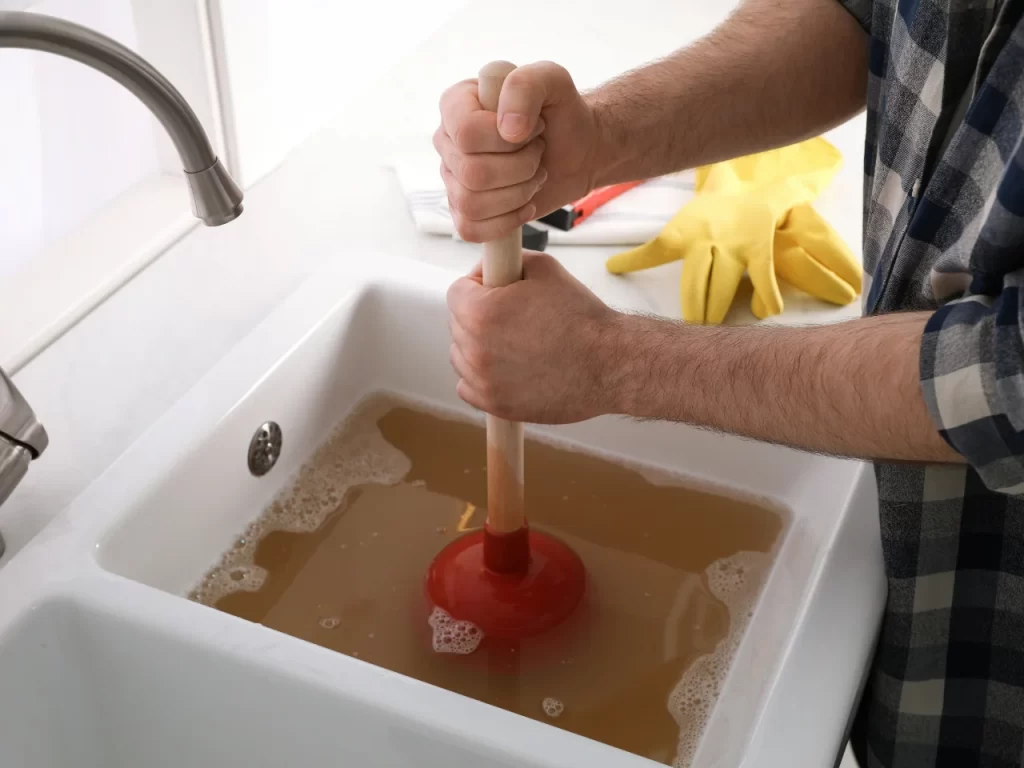
In the winter, you would anticipate frozen pipes, but clogged drains can cause just as much trouble. Grease, fats, and oils solidify more readily in cold weather, which might result in obstructions. Even tiny deposits can quickly solidify, limiting water flow and resulting in sluggish or clogged drains. If left unchecked, these obstructions may put strain on your pipes, resulting in leaks or offensive smells throughout your house.
Why Clogged Drains Are More Common During the Winter
Several factors contribute:
- Cooking more indoors during the winter season
- Pouring hot water down the drain, which cools and turns the grease into solid buildup
- Sediment buildup in the plumbing system
- Snow and ice are entering outdoor drains
Clogged drains can cause slow drainage, foul smells, and even backups.
Preventing Drain Blockages
Homeowners can prevent clogged drains by:
- Avoiding pouring grease, oils, or food scraps down the sink
- Using drain strainers
- Running hot water down the drain regularly (without grease)
- Scheduling regular maintenance for stubborn or recurring clogs
Clogged drains can cause bigger issues when temperatures drop, so prevention is key.
Contact us today through our form or call +1 (416) 252-5557 for expert plumbing, drain, and related services in Toronto, Etobicoke, Mississauga, and across the GTA.
4. Water Heater Problems in Cold Weather
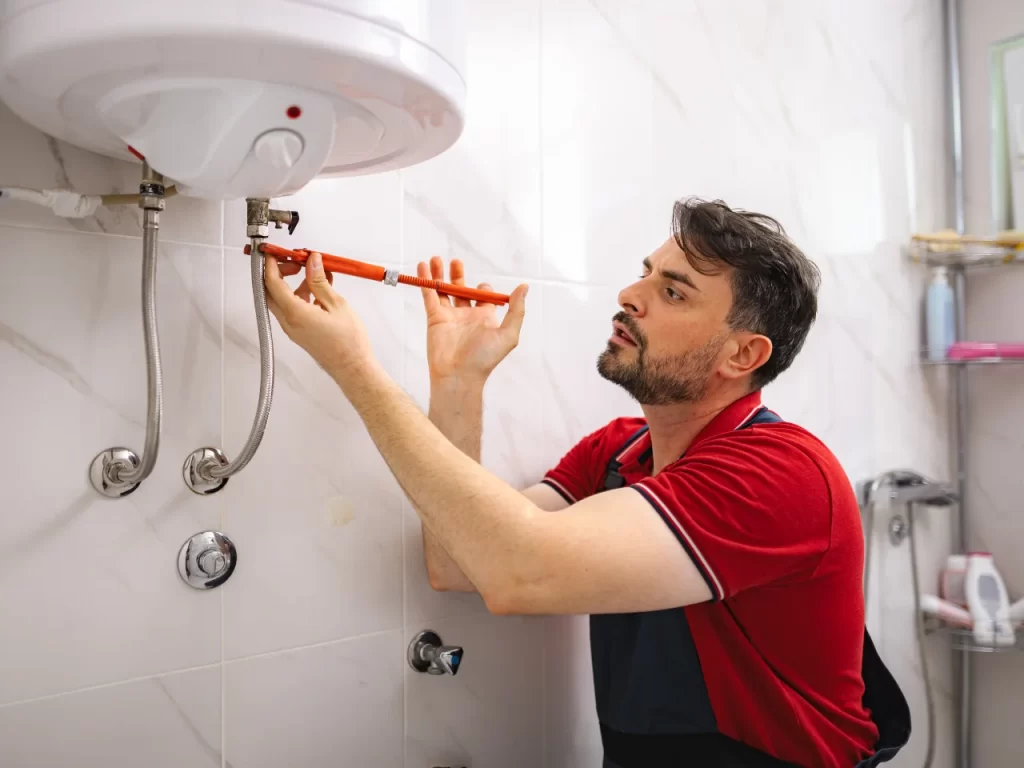
In the winter, your water heater has to work harder. Your heating system requires more time and energy to heat the tank since the water entering it is cooler. Existing problems like silt accumulation or worn-out parts may be exposed by this additional strain. Inconsistent hot water or total system failure could result from the increased workload if it is not addressed.
Common Winter Water Heater Problems
- Sediment buildup at the bottom of the tank
- Increased demand for hot water
- Fluctuating water pressure
- Slow heating times
When the water heater tank struggles, homeowners notice lukewarm water, inconsistent temperatures, or no hot water at all.
How to Prevent Water Heater Issues
To keep your water heater functioning throughout the winter:
- Flush the tank to clear sediment buildup
- Insulate the water heater tank and nearby pipes
- Check the thermostat setting
- Look for signs of corrosion or leaks
- Get regular maintenance from a licensed plumber
5. Outdoor Faucets and Hose Bibs — A Major Source of Winter Damage
Winter temperatures pose a serious threat to outdoor faucets and hose bibs. Because they are exposed to cold air and located outside the insulated areas of your home, they freeze much faster than indoor plumbing lines. Even a small amount of trapped water can expand, create pressure, and lead to cracks that cause leaks once temperatures rise again. This makes proper winterization essential for preventing costly water damage inside your home.
Why Outdoor Fixtures Freeze
Water freezes inside the fixture or hose when:
- Homeowners forget to disconnect outdoor hoses
- Water remains inside the faucet
- The valve isn’t shut off properly
- The faucet is located on an exterior wall with no insulation
This often leads to freezing, blockage, and sometimes damage to interior water lines.
How to Protect Your Outdoor Faucets
To prevent issues:
- Disconnect and store your outdoor hose
- Shut off the exterior valve
- Drain the faucet completely
- Install an insulated cover
- Check for leaks before winter begins
A frozen hose bib can easily cause flooding inside the home once temperatures rise.
6. Basement & Crawl Space Plumbing Problems
Plumbing lines in crawl spaces and basements are more likely to freeze since these regions are frequently unheated. These hidden spaces can experience drastic temperature drops during cold nights. Because homeowners rarely check these areas, issues can go unnoticed until a pipe bursts or leaks appear.
Common Issues in Unheated Areas
- Frozen pipes
- Low water pressure
- Condensation
- Pipe expansion
- Water damage from hidden leaks
How to Protect Pipes in These Areas
Homeowners can protect plumbing in unheated areas by:
- Adding insulation
- Sealing openings that let cold air enter
- Using heat tape
- Installing foam around pipes
- Keeping the heating system on consistently
Proper winter plumbing maintenance goes a long way in preventing freezing temperatures from affecting these parts of your home.
General Winter Plumbing Maintenance Tips
Throughout the winter, you can protect your plumbing with a few easy actions. Here are some crucial pointers for homeowners.
- Insulate exposed plumbing lines.
- Maintain steady indoor temperatures.
- Keep cabinet doors open under sinks.
- Let faucets drip slightly during freezing temperatures.
- Disconnect and drain outdoor faucets.
- Seal drafts to reduce cold air exposure.
- Check water pressure regularly.
- Look for early signs of plumbing issues.
- Avoid pouring grease down drains.
- Schedule a plumbing maintenance check with a professional plumber before winter.
By taking these precautions, you may lower the chance of freezing, blockages, or expensive repairs while maintaining the functionality of your plumbing system.
When to Call a Professional Plumber
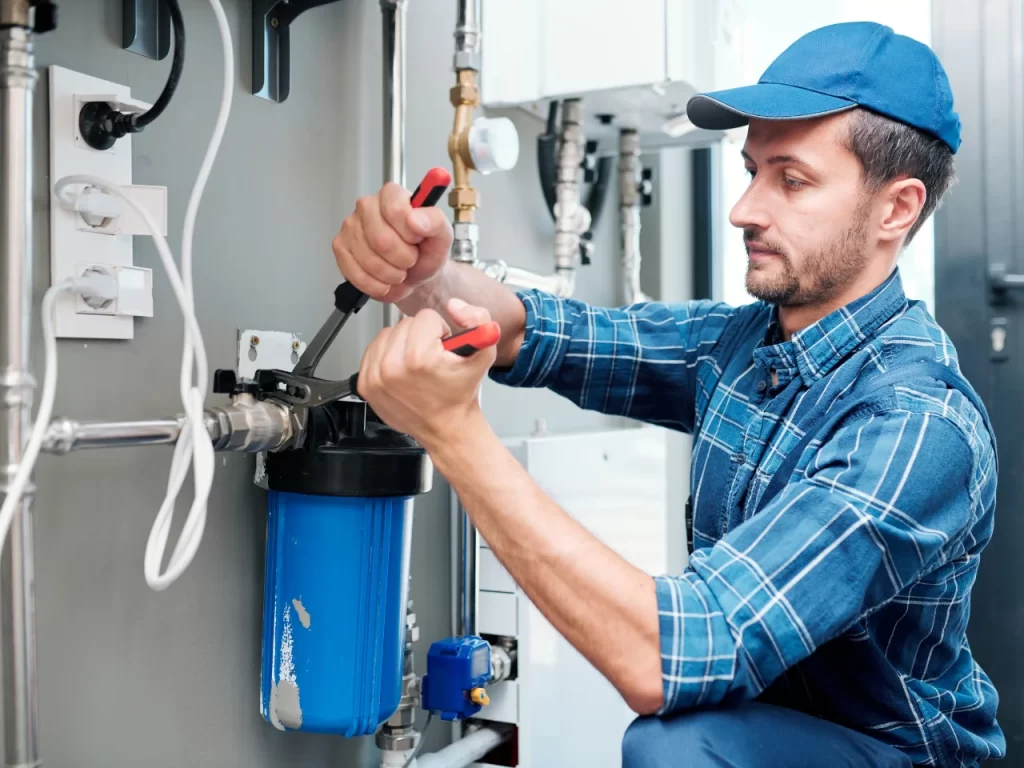
Winter plumbing problems can escalate quickly. If you notice:
- Frozen pipes
- Sudden drops in water pressure
- Water backing up
- A leaking or burst pipe
- A noisy water heater
- Persistent clogged drains
…it’s time to call a licensed plumber.
A professional can diagnose potential issues, thaw pipes safely, and prevent damage from spreading. Trying to fix winter plumbing issues on your own may worsen the situation, especially during freezing temperatures.
We at Absolute Draining & Plumbing are aware of how irritating wintertime plumbing problems can be for Toronto residents. With more than 20 years of experience managing everything from emergency burst pipe repairs to frozen pipes, our staff offers quick, dependable, and durable solutions that are customized to local winter conditions. We use high-quality and advanced equipment, as well as proven methods, to safeguard your plumbing system, restore appropriate water flow, and stop expensive damage before it gets worse. Absolute Draining & Plumbing is dedicated to keeping your home secure, cozy, and worry-free during the winter, whether you require a comprehensive inspection, an urgent repair, or seasonal maintenance.
Protect Your Home This Winter — Schedule Your Plumbing Service Today
The plumbing in your house may suffer significantly during the chilly winter months. If ignored, winter plumbing problems can result in expensive repairs and serious water damage, from frozen pipes and clogged drains to water heater problems and outdoor faucet troubles. Moreover, homeowners may safeguard their plumbing system throughout the winter season with appropriate insulation, routine maintenance, and preventative measures like unplugging hoses and insulating exposed pipes.
Our skilled plumbers at Absolute Draining & Plumbing can assist you if you’re seeing early warning signs of winter plumbing problems or want to make sure your house is ready for freezing conditions. We have been providing dependable winter plumbing maintenance, inspections, and repairs to Toronto households for more than 20 years in order to keep your plumbing safe throughout the season.
Stay ahead of the cold — protect your home, avoid costly repairs, and ensure your plumbing is ready for winter.
Contact us today through our form or call +1 (416) 252-5557 for expert plumbing, drain, and related services in Toronto, Etobicoke, Mississauga, and across the GTA.