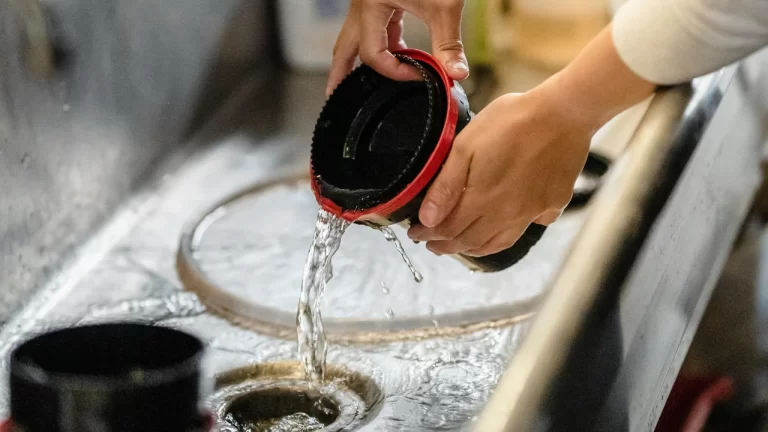
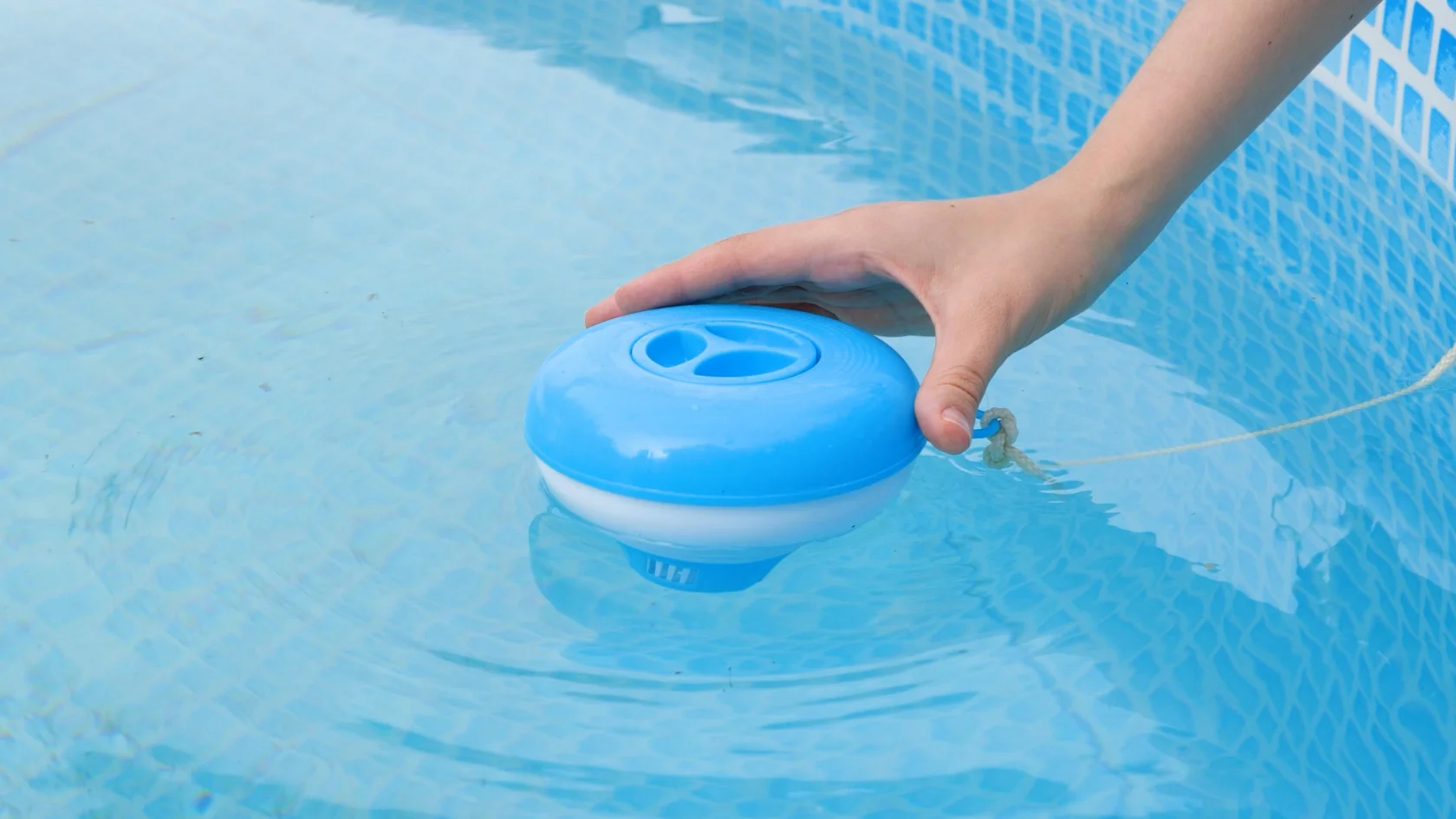
Nothing ruins a cold glass of water like the sharp, chemical scent of a public swimming pool coming from your kitchen tap. If your Toronto home smells more like a chlorine tank than a fresh spring, learning how to remove chlorine from water is the first step toward a better quality of life.
Chlorine is the primary tool used by municipal water treatment facilities to ensure that tap water remains safe from harmful bacteria and pathogens as it travels through miles of underground pipes. While chlorine is added to protect the public water system from waterborne diseases, the levels of chlorine remaining by the time the water reaches your tap can be off-putting. High chlorine levels often lead to a distinct chlorine taste and odour, and for some, it can even cause skin dryness or concerns about long-term health.
In this blog, we will discuss effective methods to remove chlorine, ranging from simple hacks like boiling water to professional water filtration systems. Whether you need to remove chlorine from drinking water for better coffee or want the best water filters to remove chemicals from your entire home, Absolute Draining & Plumbing has the expert insight to improve your water quality.
Contact us today through our form or call +1 (416) 252-5557 for expert plumbing, drain, and related services in Toronto, Etobicoke, Mississauga, and across the GTA.
Why Is There Chlorine in Your Water?
Before we look at ways to remove it, it is important to understand why chlorine in your water exists in the first place. For decades, public water systems have used chlorine as a disinfectant. It is an incredibly effective and low-cost way for municipal water providers to kill bacteria, viruses, and parasites that could otherwise make the public water supply a breeding ground for illness.
However, once the water reaches your home, the chlorine has already done its job. The residual amount of chlorine left over is what causes that “bleach-like” taste and smell of water. Moreover, disinfection byproducts are produced when organic matter in water combines with chlorine to make trihalomethanes. Many homeowners prefer to get rid of chlorine to avoid ingesting these byproducts and to enjoy cleaner water.
Common Methods to Remove Chlorine at Home
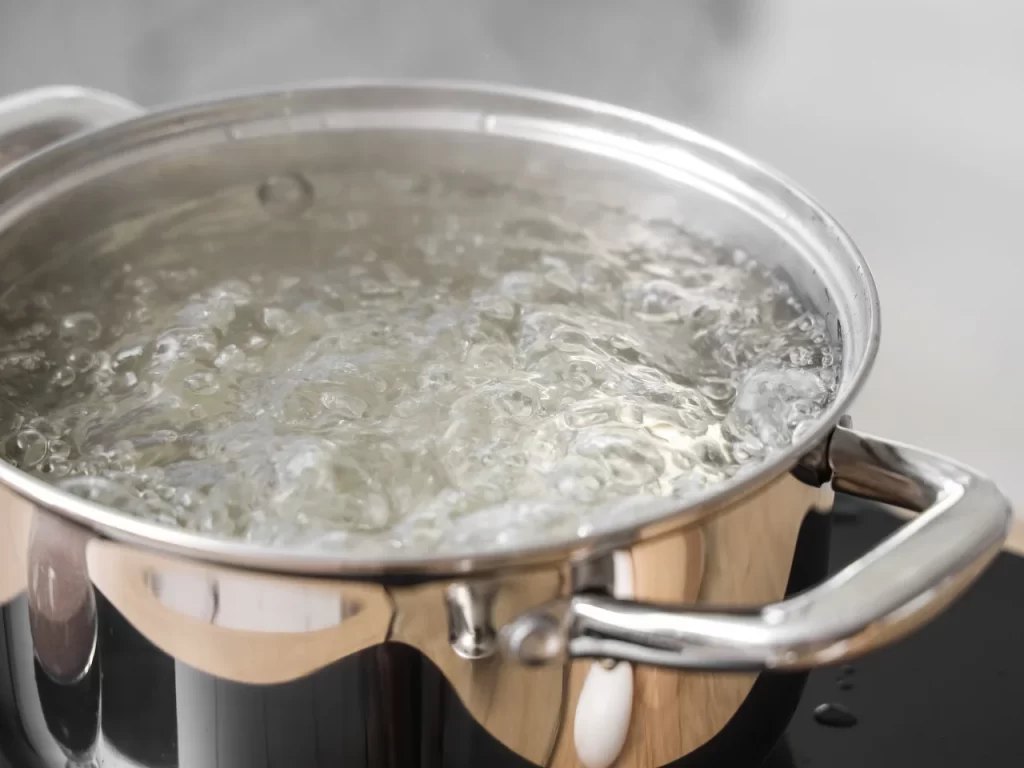
If you are looking for an effective method to remove chlorine, you don’t always need expensive equipment right away. There are several common methods to remove chlorine that you can try today using items already in your kitchen.
1. Boiling Your Tap Water
One of the fastest ways to remove chemicals is to simply boil the water. Because chlorine is a volatile element, it turns into chlorine gas and escapes when heated.
- How to do it: Bring your tap water to a rolling boil.
- Duration: Let the water boil for at least 15 to 20 minutes to ensure the chlorine molecules fully dissipate.
- Benefit: This not only removes chlorine but also kills any lingering biological contaminants, making the water safe for sensitive uses like baby formula.
2. The Evaporation Method (Letting it Sit)
If you aren’t in a rush, you can remove chlorine by evaporation. Simply leave a pitcher of water containing chlorine on the counter uncovered.
- The Process: Over time, exposure to the air will cause the chlorine to dissipate.
- Timeframe: It typically takes about 24 hours for most of the chlorine to evaporate.
- Pro Tip: If your city uses chloramine (a mix of chlorine and ammonia), this method won’t work, as chloramine takes much longer than chlorine to leave the water.
3. Using Vitamin C (Ascorbic Acid)
Surprisingly, Vitamin C is a highly effective way to reduce chlorine. It chemically neutralizes both chlorine and chloramine. You can find Vitamin C filters for showerheads or use food-grade powder for large volumes of water, such as when filling a bathtub or a small pool. It is an effective method to remove chlorine without changing the water’s pH significantly.
How to Remove Chlorine from Water Using Filtration
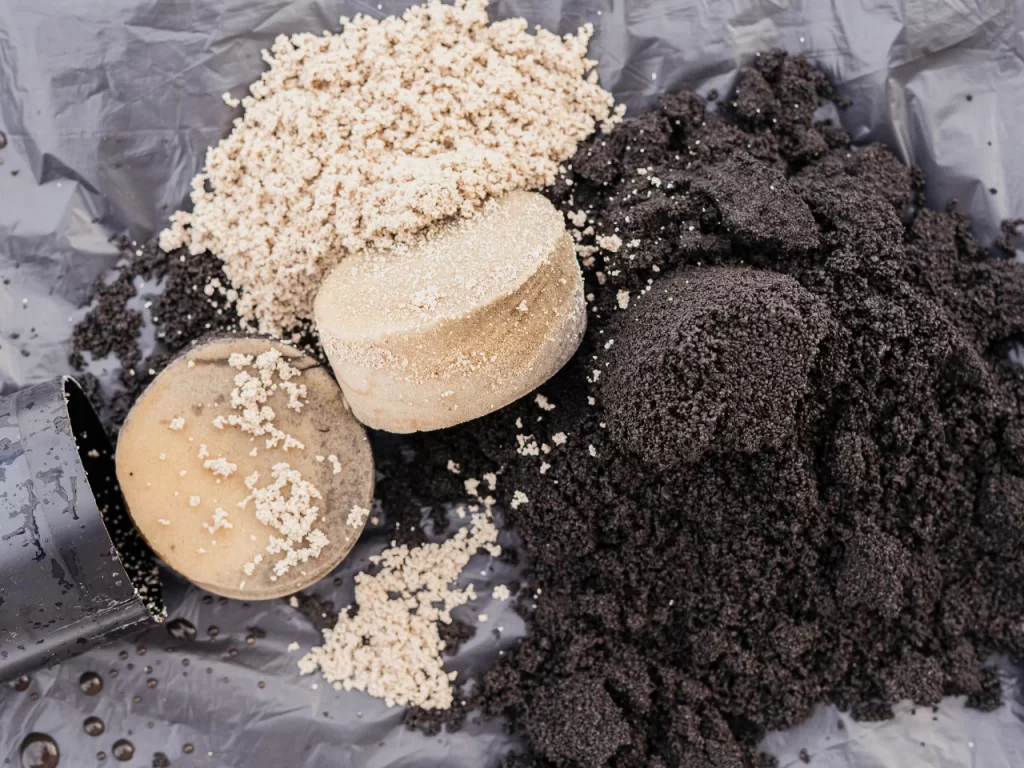
While manual methods work for small amounts, a dedicated water filter is the most convenient way to ensure clean water consistently. There are several types of water filters to remove chlorine, depending on your budget and the overall water quality you desire.
Activated Carbon Filters
The carbon filter is the “gold standard” for chlorine removal. When water passes through the carbon media, the chlorine molecules are trapped in the tiny pores of the carbon through a process called adsorption.
- Pitcher Filters: Popular and affordable, though they process small volumes of water at a time and require frequent cartridge changes.
- Faucet Mounts: Better-tasting water is available straight from the faucet for drinking and cooking, and it’s simple to install.
- Whole-House Systems: These ensure every drop of water in your water system, from the laundry room to the master bath, is filtered before it even reaches your faucet.
Reverse Osmosis Systems
A reverse osmosis (RO) water system is a more advanced water filtration technology. It uses a semi-permeable membrane to strip away almost everything from the water, including chlorine or chloramine, heavy metals, and salts. This is often considered the best water solution for those who want the highest purity for drinking water and want to remove chlorine from drinking water entirely.
Specialized Filters for Chloramine
It is vital to check your local water quality report to see if your municipality uses chlorine or chloramine. Chloramine is harder to remove than standard chlorine. A specific “catalytic” carbon filter is required if your water source contains chloramine, since regular carbon filters might not be as successful at breaking the ammonia bond.
Benefits of Removing Chlorine in Drinking Water for Your Home
Investing in a way to remove chlorine offers more than just a better sip of water; it impacts your entire household’s well-being and the longevity of your home.
Improved Taste and Odour
The most immediate change you’ll notice is the disappearance of the “swimming pool” smell. Better-tasting water encourages your family to stay hydrated and improves the flavour of tea, coffee, and cooked meals like pasta or soup. When you remove chlorine to improve the taste and smell of water, you’ll find yourself reaching for the tap more often than bottled water.
Healthier Skin and Hair
Chlorine exposure during showering can deplete your skin and hair of their natural oils, which results in dryness, dandruff, and itching. By removing chlorine from your water, you’ll likely notice softer hair and smoother skin. This is primarily beneficial for individuals with eczema or sensitive skin who find chlorinated water irritating.
Protection for Your Plumbing and Appliances
While chlorine is great for killing germs, it can be hard on your water system over time. Highly chlorinated water can accelerate the wear and tear on rubber seals, gaskets, and O-rings inside faucets and toilets. A whole-house water filtration system can help extend the life of these components and protect expensive appliances like your dishwasher and washing machine.
Contact us today through our form or call +1 (416) 252-5557 for expert plumbing, drain, and related services in Toronto, Etobicoke, Mississauga, and across the GTA.
Expert Troubleshooting: Is it Chlorine or Chloramine?
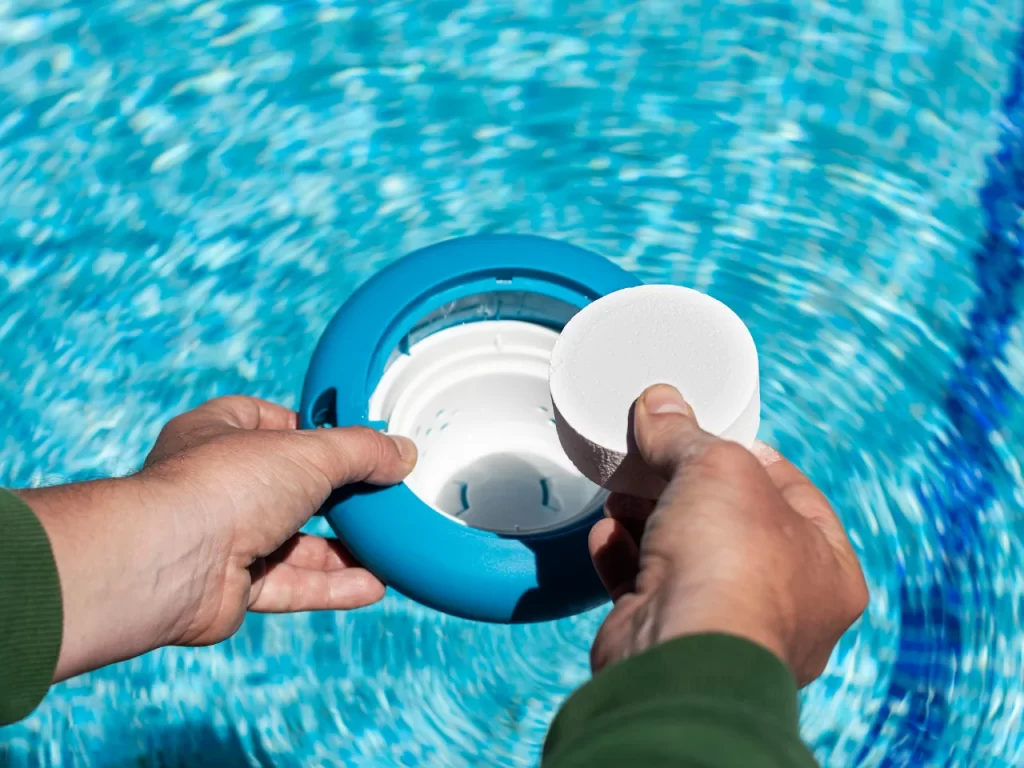
A major challenge in removing chlorine from your water is identifying exactly what the city has added. Many municipal water treatment facilities are switching from traditional chlorine gas to chloramine (a mixture of chlorine and ammonia).
Why Chloramine Matters
Chloramine is used because it is more stable and lasts longer than chlorine in the pipes, ensuring the water is still disinfected by the time it reaches the outskirts of the city. However, because it is more stable, it is also harder to remove.
- If you have chlorine, a simple carbon filter or boiling the water will work quickly.
- If you have Chloramine, you need a water filter with “catalytic carbon.” Standard carbon filters will be exhausted very quickly, trying to break the bond between the chlorine and ammonia.
At Absolute Draining & Plumbing, we can help you review your local water quality report to determine which chemical is present in your public water so you don’t waste money on a filter that isn’t effective at removing chlorine in its chloramine form.
Maintaining Your Chlorine Removal System
To make sure you keep getting cleaner water after installing a water filtration system, upkeep is essential.
Filter Replacement Schedules
Most water filters that remove chlorine rely on activated carbon. Over time, the carbon becomes saturated with chlorine molecules and can no longer “trap” them.
- Pitchers: Every 1–2 months.
- Under-sink Filters: Every 6 months.
- Whole-House Systems: Every 6–12 months, depending on the volumes of water used.
Signs Your Filter is Failing
If you notice the return of that familiar chlorine taste and odour, or if you see a drop in water pressure, it’s a sign that your water reaches its limit and the filter is clogged. Neglecting these changes can lead to water containing chlorine bypassing the filter entirely.
How Absolute Draining & Plumbing Improves Your Home’s Water
With over 20 years of experience serving Toronto and the GTA, Absolute Draining & Plumbing is your local authority on water quality. We understand that knowing how to remove chlorine from water is just the first step toward maintaining a healthy home plumbing environment. Our team provides professional installations and custom solutions to ensure your water filtration system is integrated seamlessly into your existing plumbing.
We take pride in our flat-rate pricing and transparency, explaining every step of the chlorine removal process so you know exactly what to expect. From assisting with municipal water rebates to offering 24/7 emergency support, our experienced plumbers are dedicated to keeping your water safe and clean. Our experts are here to help you achieve the best water quality for your family with no hidden fees or “BS.”
Actionable Guide: Choosing the Right Solution for Your Needs
Use this guide to determine your next steps based on your specific situation.
Situation A: “My coffee tastes like chemicals, but I’m on a budget.”
- Solution: Start with an activated carbon pitcher or a faucet-mounted water filter. These are the most cost-effective ways to remove chlorine for immediate consumption.
- Next Step: Ensure you set a calendar reminder to change the filter monthly to maintain better-tasting water.
Situation B: “My skin is itchy after every shower, and my hair feels brittle.”
- Solution: You need to remove chlorine at the point of entry. A showerhead filter is a quick fix, but a whole-house carbon filter is the only way to treat all the chlorinated water in your home.
- Next Step: Call a professional to test the levels in your water and see if a whole-house system is compatible with your current water supply line.
Situation C: “I want the absolute purest water for my family to drink.”
- Solution: Install a Reverse Osmosis (RO) water filtration system under your kitchen sink. This is the most effective method to remove chlorine, minerals, and other contaminants.
- Next Step: Pair this with a dedicated designer faucet for a permanent, high-end water system solution.
Situation D: “I’m worried about the long-term effects of disinfection byproducts.”
- Solution: Look for a system certified by the Water Quality Association. Systems that combine carbon by filtration with a multi-stage process are best at preventing organic matter in water from forming harmful byproducts.
- Next Step: Request a free consultation with Absolute Draining & Plumbing to map out a complete water treatment plan.
Take the First Step Toward Cleaner Water
Living in the GTA shouldn’t mean tolerating tap water that resembles a swimming pool. Absolute Draining & Plumbing is available to service and provide top-notch water treatment solutions throughout Toronto, whether you choose to boil the water, use a carbon filter, or purchase a professional water filtration system. We help ensure your water reaches your tap in its purest, freshest form—we do more than simply address leaks.
Contact us today through our form or call +1 (416) 252-5557 for expert plumbing, drain, and related services in Toronto, Etobicoke, Mississauga, and across the GTA.