Standing in the backyard of a beautiful GTA rural property, you might realize your new home relies on a well and septic system rather than municipal lines. Transitioning into the role of your own “utility manager” can be daunting, especially since a neglected system can lead to messy backups or contaminated drinking water.
In this blog, we are going through everything you need to know about owning and maintaining a well and septic system. We’ll go over how a septic tank functions, how to make sure your well water stays safe for your home, the significance of routine inspection procedures, and useful advice to keep your wastewater moving in the proper direction. Whether you are purchasing a home or have lived on a rural property for years, understanding these underground systems is the best way to protect your investment and your family’s health.
Contact us today through our form or call +1 (416) 252-5557 for expert plumbing, drain, and related services in Toronto, Etobicoke, Mississauga, and across the GTA.
Understanding the Basics of a Well and Septic System
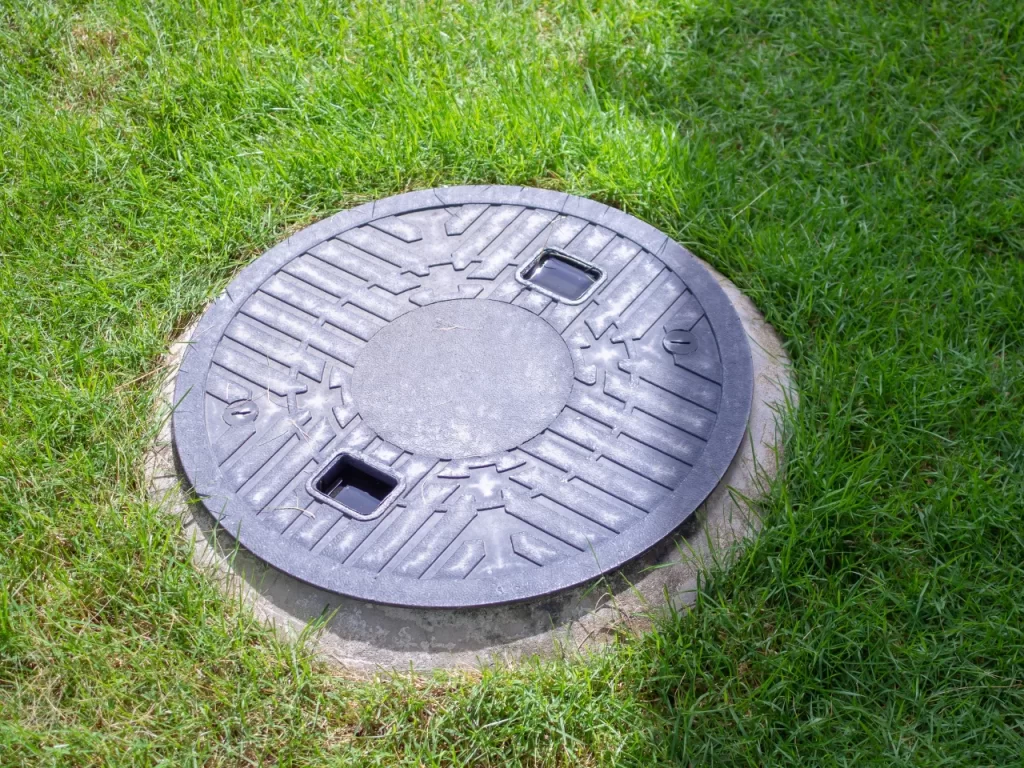
When you aren’t hooked up to the city sewer, your home operates on a private, on-site loop where the well provides clean water from an underground aquifer and the private on-site septic system processes all household wastewater. Waste from your toilet or washing machine drains into an underground septic tank, while a pump draws groundwater via a filter or water treatment unit for safe drinking water. Solid waste settles as sludge inside the tank, allowing the liquid effluent to exit onto a leaching bed where it is naturally filtered by the soil before being released back into the environment.
Because these systems are your private responsibility, maintenance is non-negotiable to prevent a crack, leak, or blockage that the municipality won’t fix for you. A well-functioning septic system stays out of sight and out of mind, but a neglected system can quickly contaminate groundwater. This puts your family’s safety as well as the surrounding environment at risk by allowing harmful microorganisms to directly contaminate your drinking water. Regular care is the only way to ensure this sustainable water cycle remains functional and safe for the long term.
The Components of a Healthy Water Well
Your well is more than just a hole in the ground; it is a complex piece of engineering designed to keep surface water and contaminants out. To keep your well water safe, you need to understand the physical parts of the structure.
Well Cap and Casing
The well casing is the pipe that lines the drill hole, and the well cap is the lid that seals it. A proper well cap should be at least 0.3m (12 inches) above the ground and must be watertight. If the well cap is cracked or sitting too low, bugs, rodents, or surface water runoff can enter the well, leading to immediate contamination.
Pump and Pressure Tank
The pump is the heart of your water system. Whether it is a submersible pump deep in the well or a jet pump in your basement, it moves water into a pressure tank. This tank ensures that when you turn on a faucet, the flow is consistent. If you notice your pump cycling on and off frequently, it’s a sign that you might need a repair or that your pressure tank has lost its “air charge.”
Aquifer
All well owners share a responsibility to protect the underground aquifer. This means ensuring that no source of contamination, like fuel tanks, manure, or heavy road salt, is located too close to the well. Generally, a well should be at least 15m (50ft) away from the well’s nearest contamination source, though 30m (100ft) is much safer.
How Your Septic System Processes Waste
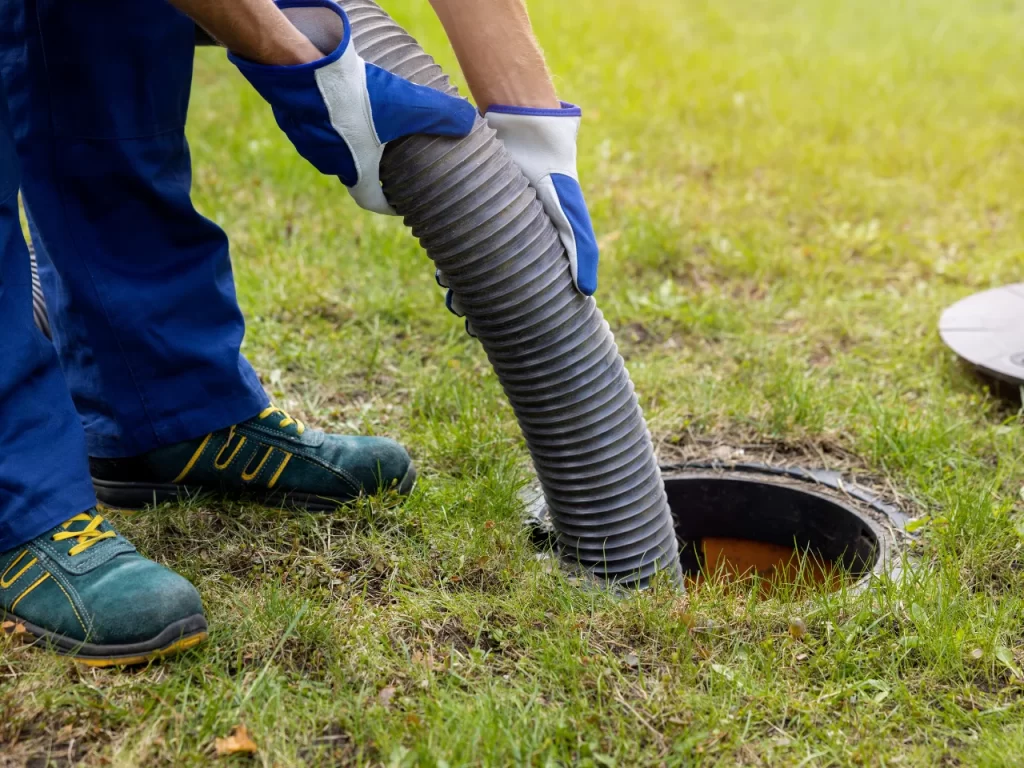
If the well brings water in, the septic system takes the waste out. Understanding how household wastewater travels through your property is the first step in preventing a “stinky” situation.
Septic Tank
When wastewater flows out of your house, it enters the septic tank. This is a large, underground container made of concrete, plastic, or fibreglass. Inside, the waste separates:
- Scum: Fats, oils, and grease that float to the top.
- Effluent: The middle layer of liquid that is relatively clear.
- Sludge: Heavier solid waste that sinks to the bottom.
Bacteria inside the septic tank work to break down the solids, but they can’t do it all. This is why the tank must be pumped regularly to remove the accumulated sludge.
Leaching Bed
A network of perforated pipes buried in soil and gravel carries the liquid wastewater out of the tank. This area is known as the leaching bed or tile bed. Before the water eventually returns to the groundwater system, the soil serves as a natural filter as the liquid seeps into the ground, eliminating dangerous microorganisms.
Contact us today through our form or call +1 (416) 252-5557 for expert plumbing, drain, and related services in Toronto, Etobicoke, Mississauga, and across the GTA.
Critical Maintenance: Every Three to Five Years
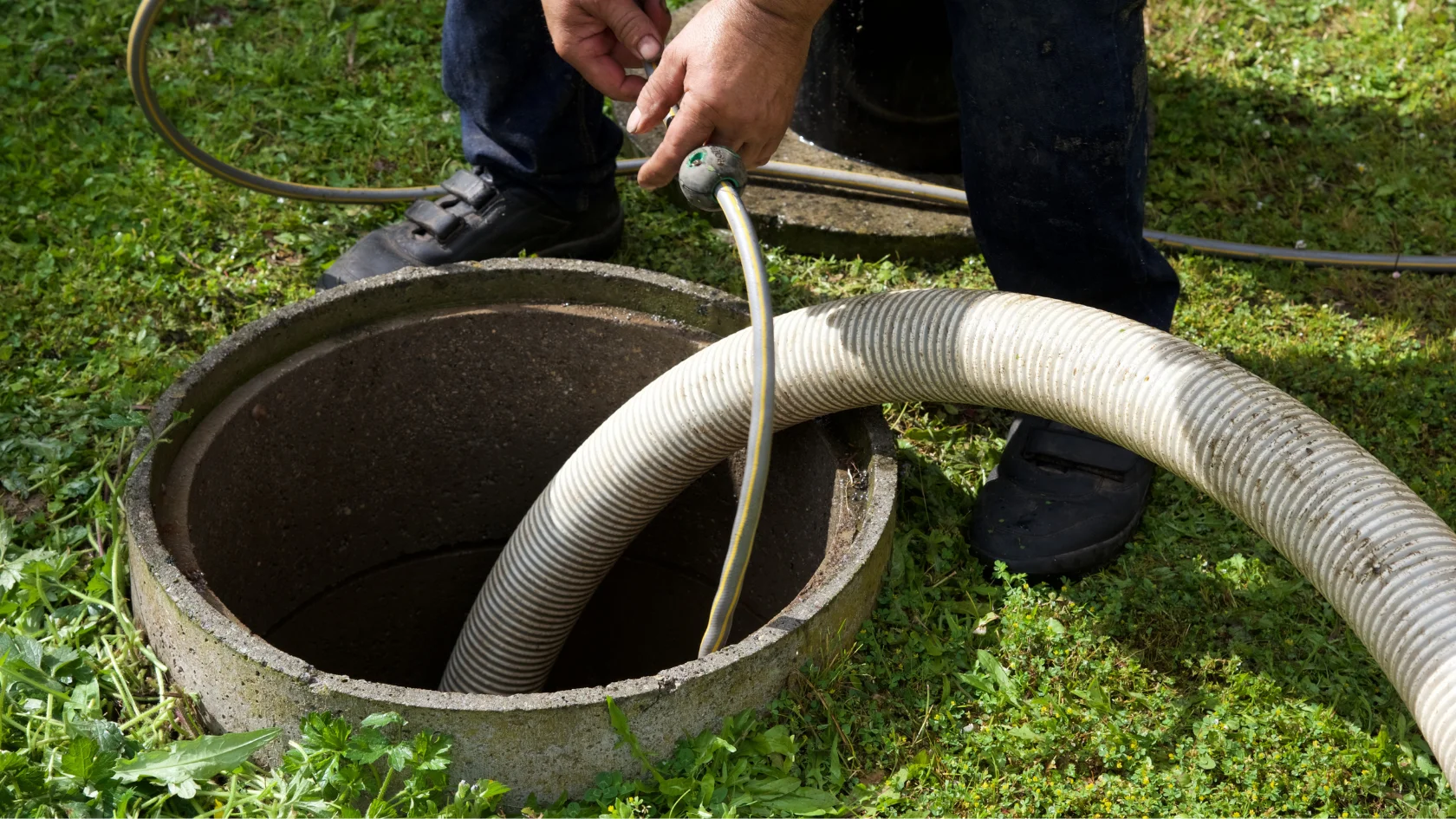
If there is one rule every homeowner with a well and septic system should live by, it is this: Get your tank pumped every three to five years. Over time, the sludge at the bottom of the septic tank builds up. If it isn’t removed, it will eventually reach the outlet pipe and flow into your leaching bed. Once solid waste enters the leaching bed, it clogs the soil, leading to a total system failure. A simple tank pumped every few years costs a few hundred dollars; a new leaching bed can cost $30,000 or more.
Signs Your Septic System Needs Attention
- Slow Drains: If your toilet, dishwasher, or washing machine is draining slowly, it might not be a simple clog in the plumb lines; it could be a full septic tank.
- Lush Grass: If the grass over your leaching bed is much greener and “spongier” than the rest of the yard, it usually means effluent is rising to the surface.
- Odours: A healthy septic system should not smell. If you catch a whiff of sewer gas, something is wrong.
- Backups: This is the worst-case scenario where household waste starts coming back up through the floor drain.
Protecting Your Water Quality and Testing
Living in a rural area means your drinking water isn’t monitored by a city plant. You are the one responsible for your water quality.
Regular Water Tests
You should perform a water test for bacteria at least three times a year. Your local public health unit often provides these tests for free or a nominal fee. They look for E. coli and total coliforms, which indicate if your well has been breached by waste or surface water.
Water Treatment and Filtration
Depending on your well water’s mineral content, you might need a water treatment system. Common issues in the GTA include:
- Hardness: Excess calcium and magnesium that scale up your pipes.
- Iron: Causes orange staining on sinks and clothes.
- Sulphur: Gives water a “rotten egg” smell.
Installing a professional filter or UV filtration system can ensure that even if a contaminant enters the system, your drinking water remains safe.
The Importance of a Professional Well and Septic Inspection
If you are purchasing a home with a well and septic system, a professional inspection is the most important part of your due diligence.
A licensed well contractor will check the well record (which should be registered with the Ministry of Environment) to see how deep the well was drilled and what the flow rate is. They will also look for cracks and leaks in the well casing and ensure the well cap is a modern, sanitary seal.
The Septic Inspection Process
A proper inspection of the septic system involves more than just looking at the grass. A technician will:
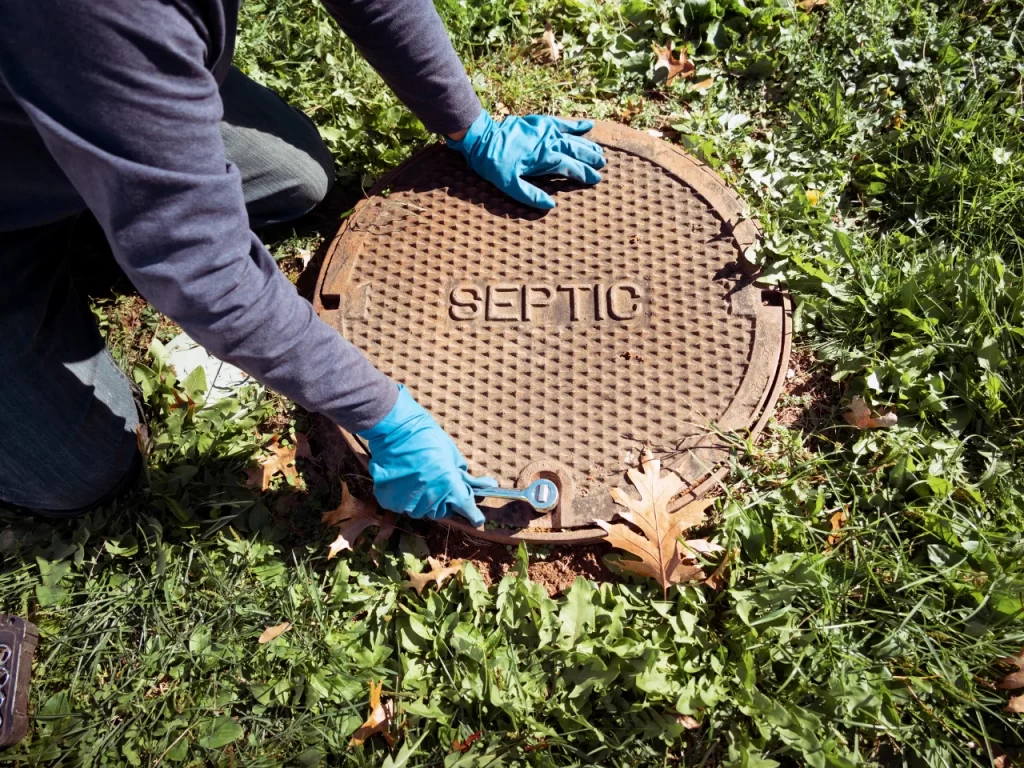
- Locate and open the hatch to check the sludge levels.
- Check the condition of the baffles (which prevent solids from leaving the tank).
- Examine the effluent filter to ensure it isn’t clogged with soap scum or hair.
- Run a “stress test” by flowing water into the system to see how the leaching bed handles the volume.
Best Practices for a Properly Maintained Household
To keep your well and septic system running for decades, you need to change a few household habits. Your septic system is a living ecosystem of bacteria, and it is surprisingly sensitive.
The only things that should go down your toilet are human waste and septic-safe toilet paper. Never flush:
- Baby wipes (even the “flushable” ones).
- Feminine hygiene products.
- Cooking grease or fats.
- Harsh chemicals or bleach (these kill the “good” bacteria in your septic tank).
Water Conservation Matters
Your septic system has a maximum daily capacity. If you run the dishwasher, three loads of laundry, and take three long showers all on the same day, you risk “flooding” the tank. This high flow can push solids out into the leaching bed. Spread out your water usage to give the system time to process the wastewater from your home.
Landscaping Around the Well and Septic
- Away from the well: Keep the area around the well clear of long grass and debris to discourage rodents from nesting near the well cap.
- Over the leaching bed: Only plant grass. Never plant trees or shrubs over the tiles, as the roots will grow into the pipe and cause a massive sewer backup.
- No Heavy Machinery: Never drive a car or park a tractor over your septic tank or leaching bed, as the weight can crack the tank or crush the pipes.
Dealing with Common Problems and Repairs
Even with the best care, components of a well and septic system will eventually reach the end of their lifespan. A typical septic system lasts about 20 to 25 years.
Identifying Cracks and Leaks
If you notice the water level in your septic tank is unusually low, it might mean the tank has a crack and is leaking raw wastewater into the soil before it can be treated. Conversely, if the level is too high, your leaching bed is likely saturated.
Abandoned Wells
If you have an old, unused well on your property, it is a direct “highway” for contamination to reach the groundwater. By law, these must be professionally decommissioned by a licensed well contractor to protect the local water source.
Upgrading Water Service
Many older GTA homes have small-diameter water lines or outdated pumps. If you find your water pressure is lacking, it might be time for a water service upgrade. At Absolute Draining & Plumbing, we use advanced technology to replace or repair underground lines with minimal excavation, ensuring your clean water reaches your home efficiently.
How Absolute Draining & Plumbing Can Help
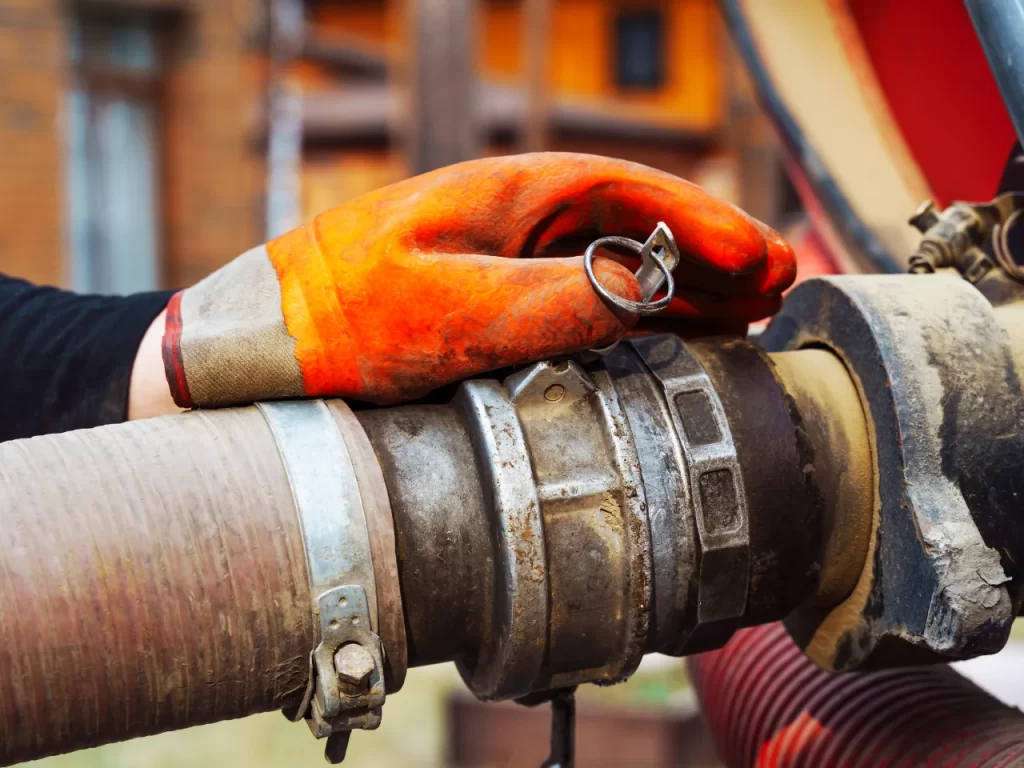
Managing a well and septic system doesn’t have to be a DIY nightmare. While many plumbing companies only handle city “grid” homes, our team has over 20 years of experience dealing with the unique challenges of Greater Toronto Area properties.
From performing a detailed inspection before you buy a new home to helping you understand water treatment options, we are here to ensure your systems are working properly. We take pride in being a Toronto-owned & operated company that offers flat-rate pricing and a 25-year warranty on drain repairs.
If you are worried about your well water quality or haven’t had your tank pumped in a few years, don’t wait for a flood to call us. We can help you navigate the complexities of on-site systems and even assist with any municipal rebates you might be eligible for regarding flood protection and backwater valves.
Ensure Your System is Built to Last
Your well and septic system is the foundation of your home’s health and comfort. By sticking to a schedule of testing your well water every season and ensuring your septic tank is properly maintained and tank was last pumped within the last five years, you avoid the high costs of emergency repair.
Contact us today through our form or call +1 (416) 252-5557 for expert plumbing, drain, and related services in Toronto, Etobicoke, Mississauga, and across the GTA.