If you’ve ever walked into a basement after a heavy rainfall and found water where it shouldn’t be, you know how stressful a backup can be. A backwater valve is one of the simplest ways to prevent that kind of mess — yet many homeowners don’t fully understand how it works or why it’s so important.
A backwater valve is a small plumbing device with a big job: it stops sewage and water from flowing back into your home through the main sewer line. When installed properly and kept in good condition, it can prevent thousands of dollars in water damage and protect your property during a storm, sewer overload, or municipal drainage issue.
In this blog, we’ll walk you through everything you need to know about backwater valves, including how they work, why they matter, where they’re installed, what maintenance they need, and how Toronto homeowners can benefit from rebate programs. We’ll also cover the different types of valves, common components like o-rings, flappers, floats, and the popular Mainline Fullport backwater valve. Whether you’re researching for the first time or looking to learn more about your current system, this guide will help you make an informed decision about protecting your home.
Contact us today through our form or call +1 (416) 252-5557 for expert plumbing, drain, and related services in Toronto, Etobicoke, Mississauga, and across the GTA.
What Is a Backwater Valve?

A backwater valve (sometimes called a sewer backwater valve, mainline backflow preventer, or ABS backwater valve) is a device installed in your drainage system that allows water and wastewater to flow only one way — out of your home and into the municipal sanitary sewer.
When the sewer system becomes overloaded and pressure builds up, wastewater can start reversing direction. Without a valve, this reverse flow can push sewage up through your floor drain, basement plumbing fixtures, or any pipe that connects to your main sewer line.
A backwater valve prevents this by using a flapper or flap mechanism that automatically closes when water starts flowing back toward your home. When the valve is in its open position, water moves freely. When backflow begins, the flap lifts and seals shut — often with the help of a float, o-ring, and angled design that supports a tight seal.
In short, a backwater valve prevents sewage from backing up into your home during a sewer overload.
Why Backwater Valves Are Essential for Toronto Homes
Toronto homeowners are no strangers to heavy rainfall, sudden rainstorms, and overloaded municipal sewer systems. With the weather becoming more unpredictable, even a few inches of water in a basement can create major headaches.
1. Sewer Overloads Happen More Often Than You Think
When too much water enters the system — whether from a storm, rainfall, or melting snow — municipal sewers can’t always handle the volume. That leads to water backup and increased pressure on every connected home.
A backwater valve protects against this without needing any action from you. It closes automatically, acting as the final barrier between your home and the city’s sewer issues.
2. Basements Are the First to Flood
Most homes in Toronto, Etobicoke, and the GTA have basements. That means most plumbing systems sit below grade, making them vulnerable to sewage backups.
A single sewer backup can damage:
- Flooring
- Walls
- Appliances
- Electrical systems
- Stored belongings
Installing a backwater valve gives you a reliable defence against water damage, mould growth, and costly repairs.
3. You May Be Eligible for City Rebates
Toronto’s Basement Flooding Protection Subsidy Program helps homeowners cover part of the cost of installing a backwater valve. A licensed plumber can help you with the application and ensure the installation meets municipal standards.
How a Backwater Valve Works in Your Plumbing System
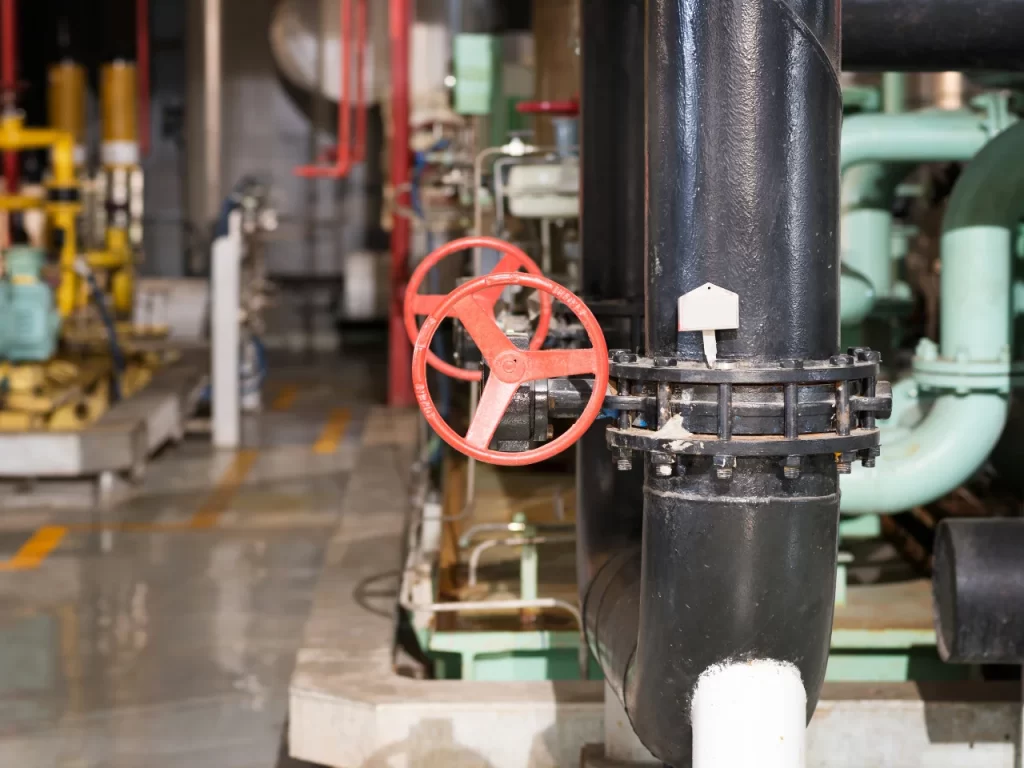
A backwater valve sits directly inside the main sewer line of your home. It’s typically installed near your cleanout, often located under the basement floor.
Here’s what happens during normal use versus a backup:
Normal Conditions (Open Position)
- Water and wastewater from your sinks, toilets, showers, and fixtures move through your drainage system.
- The flapper stays in the normally open position.
- Everything exits smoothly into the sanitary sewer.
Backflow Scenario (Valve Engages)
- If the sewer line becomes overloaded, wastewater begins flowing back.
- The pressure causes the float to lift.
- The flapper pivots upward, sealing shut against the o-ring.
- The seal prevents sewage from backing into your home.
The moment the pressure drops and the flowing water is moving in the correct direction again, the flap resets to the open position.
Where Is a Backwater Valve Installed?
A licensed plumbing professional typically installs the backwater valve:
- On your main sewer line, inside your home
- Under the basement floor
- Near the cleanout
- In a location that’s easily accessible for inspection and maintenance
Some older homes may require more extensive excavation because of cast iron or older clay pipes. Newer homes with ABS or PVC systems tend to be more straightforward.
Types of Backwater Valves Used in Toronto Homes
There are several types of valves used in residential plumbing, but the most common brands and designs include:
1. Mainline Fullport Backwater Valve
This is one of the most popular backwater valve models in Canada because of its reliable performance and homeowner-friendly design. It features a full-sized opening that allows wastewater to flow freely, reducing the risk of clogs or backups. You can quickly and easily determine whether the valve is operating correctly using the transparent top. Additionally, it helps shield your house from possible flooding by creating a tight, solid seal during times of high precipitation. Plus, its parts are easy to access, making routine maintenance far more convenient.
2. ABS Backwater Valve
This kind of valve is manufactured of sturdy ABS plastic, which is frequently utilized in contemporary systems and is resistant to corrosion.
3. Oatey and Canplas Backwater Valves
These manufacturers produce high-quality valves with different flap, float, and sealing styles depending on your drainage layout.
Each model is designed to ensure water is flowing freely during normal conditions while blocking sewage during overloads.
The Role of Key Components
Different models function slightly differently, but most include:
- Flapper / Flap: The moving part that closes during backflow.
- O-ring: Creates an airtight seal.
- Float: Helps detect rising wastewater and lifts the flap.
- Clear cover: Allows easy inspection without removing the whole lid.
- Screws and fasteners: Secure components and maintain alignment.
If any of these parts fail, the valve may not protect your home during a backup — which is why maintenance matters.
Signs Your Home Needs a Backwater Valve Installed

You should consider installing a backwater valve if:
- You’ve had water backup or sewage backups in the past
- You live in a flood-prone neighbourhood
- Your basement has a floor drain
- Your home sits lower than the street
- You rely on a sump pump
- Your area is known for sewer overloads during storms
- You’re renovating or waterproofing your basement
- You’ve noticed slow drains during rainstorms
Even if none of these apply, installing a backwater valve is still recommended for added protection — especially with weather becoming less predictable every year.
Contact us today through our form or call +1 (416) 252-5557 for expert plumbing, drain, and related services in Toronto, Etobicoke, Mississauga, and across the GTA.
Backwater Valve Installation: What to Expect
A backwater valve installation follows several steps.
- Drain Line Inspection. A licensed plumber conducts a camera drain line inspection to check for cracks, debris, and proper pipe slope, ensuring the chosen location is suitable for work.
- Excavation of the Basement Floor. The plumber cuts into the basement floor to access the main line.
- Cutting the Pipe. A section of the existing pipe (often cast iron or ABS) is removed.
- Installing the Valve. The plumber installs the valve while ensuring proper alignment, a tight O-ring seal, the correct slope, and full compliance with the manufacturer’s instructions.
- Municipal Inspection. A city inspector confirms the valve meets regulations.
- Restoring the Floor. The area is cleaned and the concrete is patched.
Usually, the entire task is finished in a single day.
Backwater Valve Maintenance: Why It Matters

A backwater valve only works if it’s maintained properly. Over time, debris, dirt, grease, and even small items in the wastewater can settle around the flap.
How Often Should You Inspect It?
At least once per year, plus after every major storm.
What Maintenance Involves
- Remove the cover
- Inspect the flapper, flap, o-ring, and float
- Clear out any debris
- Check that the flap moves freely
- Ensure the seal is intact
- Flush the system if needed
A plumber can provide full backwater valve maintenance, ensuring the valve stays in good condition and protecting your home long-term.
Common Issues to Watch For
Even a high-quality Mainline or Oatey valve can develop issues if not inspected regularly.
- Debris Blocking the Flapper – Small objects can prevent the flap from sealing.
- Damaged O-ring – Without a proper seal, sewage can leak through.
- Stuck Float – Prevents the valve from closing during backflow.
- Pipe Misalignment – Movement in the foundation can shift the system.
- Incorrect Installation – If not installed by a qualified plumber, the valve may not function properly.
Backwater Valves vs. Other Flood Protection Devices
Although they’re extremely effective, a backwater valve is just one part of a complete drainage and flood prevention plan.
- Sump pumps: Remove groundwater, not sewage.
- Floor drain plugs: Offer minimal sealing.
- Weeping tiles: Help manage external water, not sewer overloads.
A backwater valve is the only device designed specifically to prevent sewage from entering your home through the pipes.
Professional Backwater Valve Services You Can Trust

Protecting your home from sewage backups and basement flooding starts with proper backwater valve installation and maintenance. Absolute Draining & Plumbing has over 20 years of experience serving Toronto and the GTA, providing homeowners with reliable solutions to safeguard their plumbing and drainage systems.
Our team of licensed plumbing professionals handles everything from inspecting your main sewer line to installing ABS backwater valves, mainline fullport backwater valves, and floor drain backwater valve combos. We ensure the o-ring seals and flapper mechanisms are in good condition, giving your backwater valve the free movement it needs to prevent wastewater from flowing back into your basement.
Whether it’s installing new valves, inspecting old ones, or performing routine backwater valve maintenance, Absolute Draining & Plumbing combines professional expertise with clear, customer-friendly communication. In order to maximize your investment and prevent floods in your home, our skilled plumbers also offer advice on municipal standards, rebate programs, and regular maintenance.
Protect Your Home With a Backwater Valve
A backwater valve is one of the most reliable ways to protect your home from sewage backups, basement flooding, and costly repairs — especially in a city like Toronto where storms can overload the sewer system without warning. When installed correctly and maintained regularly, a backwater valve ensures wastewater can only flow one way and keeps your basement safe during heavy rainfall or municipal sewer issues.
If you want expert installation, a detailed inspection, or help maintaining your current system, reach out to the plumbing professionals at Absolute Draining & Plumbing. Our experienced team can assess your sewer line, recommend the right valve, handle the installation, and guide you through Toronto’s rebate process so your home stays protected year-round.
Contact us today through our form or call +1 (416) 252-5557 for expert plumbing, drain, and related services in Toronto, Etobicoke, Mississauga, and across the GTA.