We’ve all had that moment of panic during a summer thunderstorm where we realize we haven’t checked the float switch in months, and now the water table is rising faster than our peace of mind. For many homeowners in the Greater Toronto Area, especially those in older neighbourhoods or areas with high water tables, the threat of a flooded basement is a constant source of anxiety. One of the most effective lines of defence against this nightmare is a small but mighty device known as a sump pump.
But what is a sump pump, exactly, and how does it keep your property dry? In this blog, we will break down everything you need to know about these critical water systems. We will explore the different types of pumps available, how they integrate with your home’s foundation drainage, and why having a backup sump pump is a non-negotiable for Toronto residents. Whether you are dealing with a spring thaw or a summer downpour, understanding your drainage system is the first step toward a maintenance-free, dry home.
Contact us today through our form or call +1 (416) 252-5557 for expert plumbing, drain, and related services in Toronto, Etobicoke, Mississauga, and across the GTA.
What Is a Sump Pump?
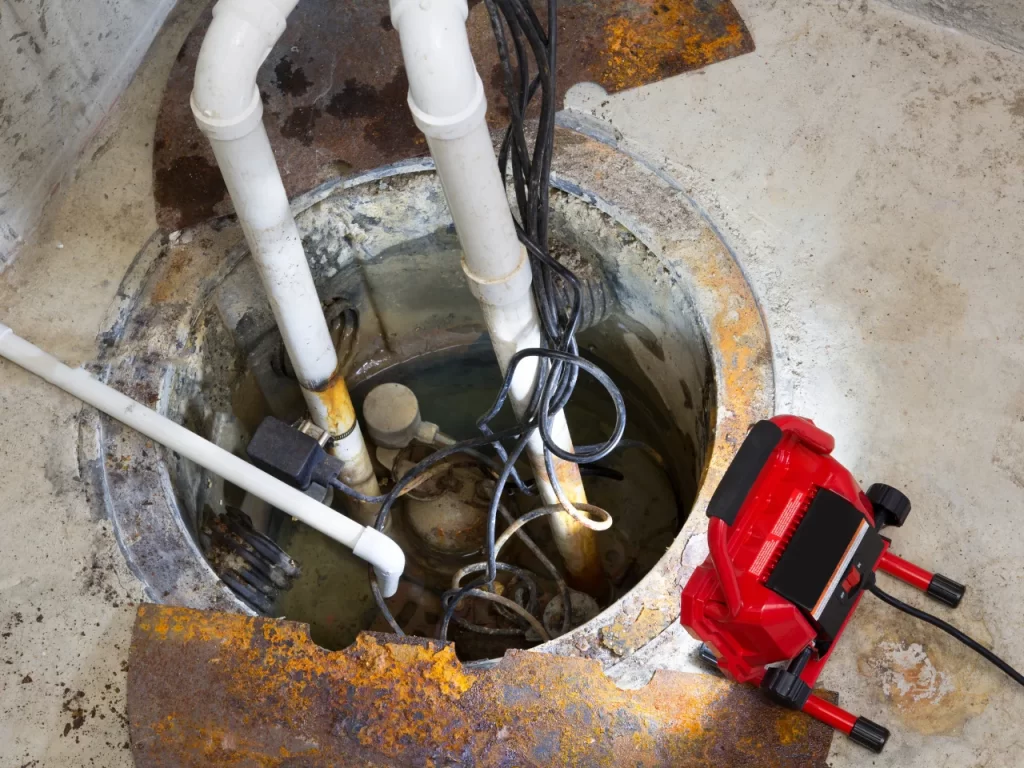
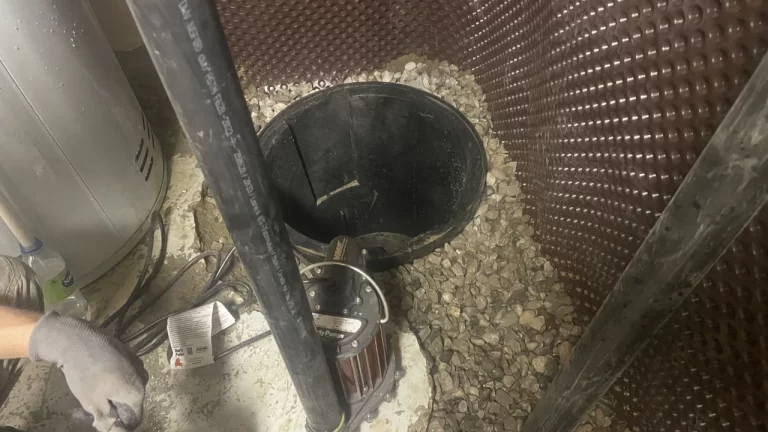
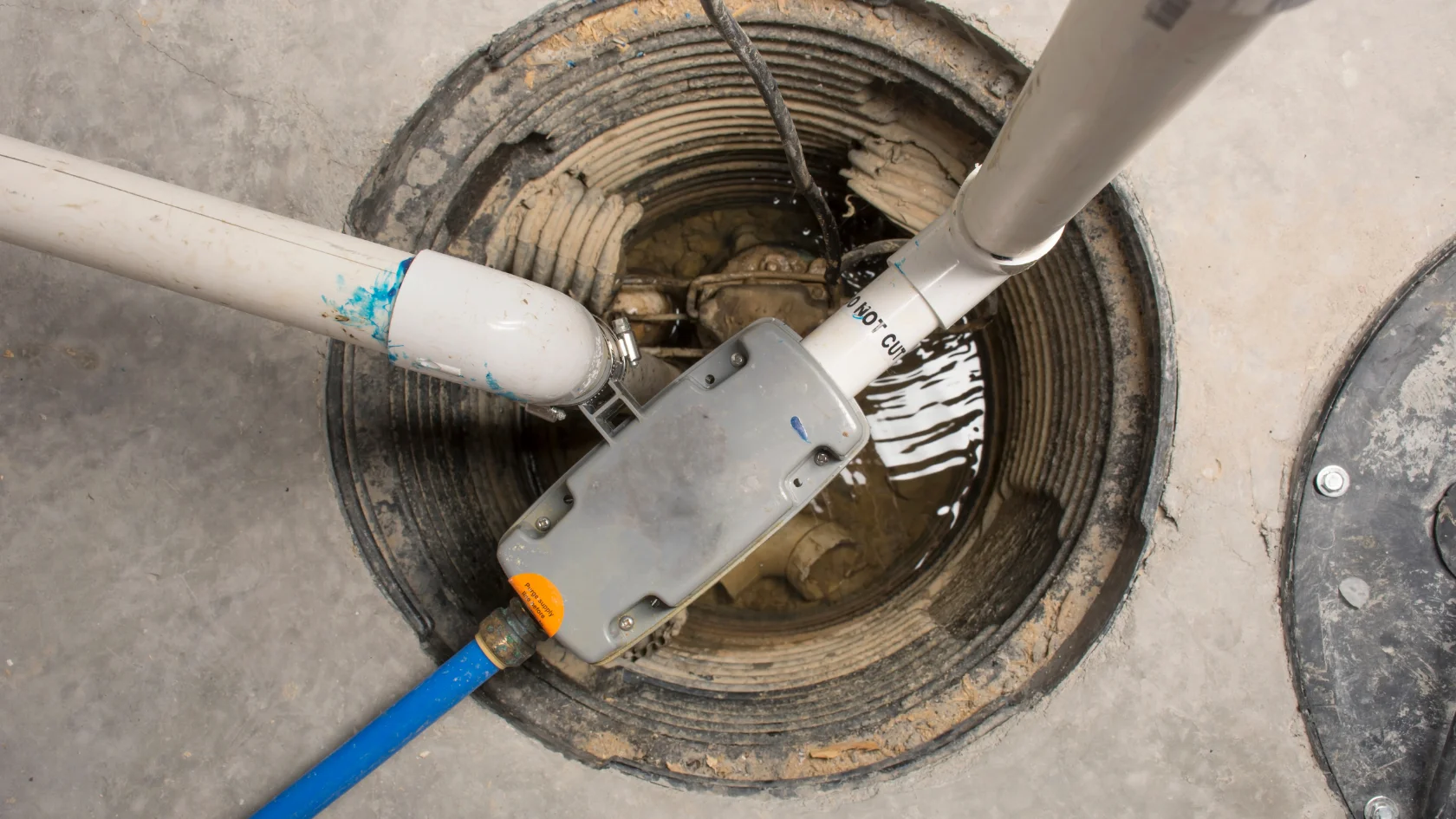
At its simplest, a sump pump is a naturally or artificially constructed pit designed to collect liquid, such as water, to prevent it from accumulating in unwanted areas. In a residential context, this is usually a sump pit (or sump basin) carved into the lowest point of your basement floor. The purpose of this pit is to capture groundwater before it can rise high enough to seep through cracks in the floor or walls.
Inside this pit sits the sump pump. This electrically powered device monitors the water level in the basin. The pump activates when the water reaches a certain level. In order to properly divert the flow away from the house and its foundation, it literally pumps the water out of the pit and directs it through a discharge pipe. Without this system, moisture may be forced into your living area by hydrostatic pressure, which is the pressure in the water surrounding your house. This could result in mould growth and structural problems.
How a Sump Pump System Works
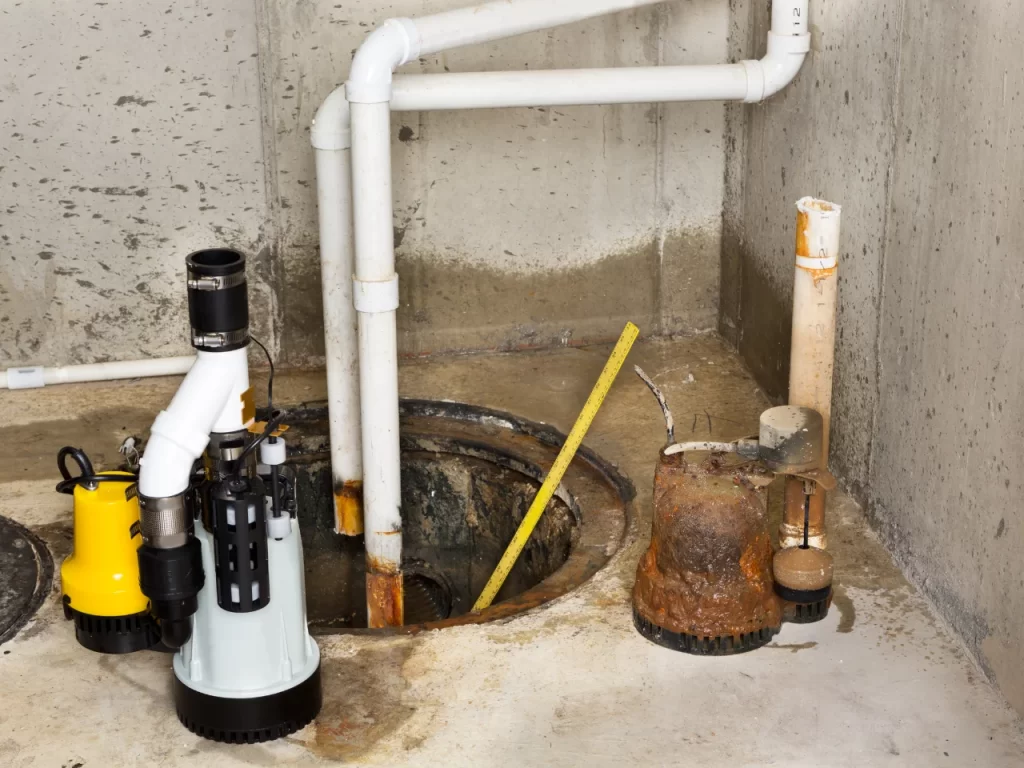
To appreciate the protection a sump pump provides, you have to look at the “hidden” network of your home. Most modern homes are built with French drains or weeping tiles installed around the perimeter of the home’s foundation. These perforated pipes collect groundwater and channel it toward the sump basin.
Float Switch
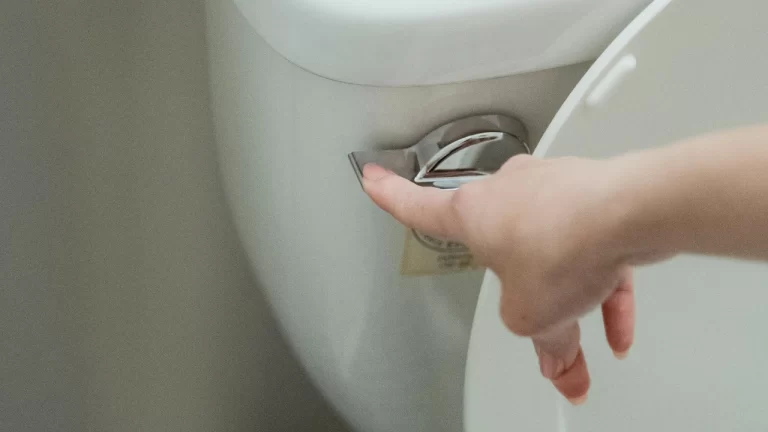
The “brain” of the pump is the float switch. Much like the mechanism in a toilet tank, the float rises as the water level rises and fills the pit. Once the water hits a certain point, it triggers the pump. This ensures the pump isn’t running constantly, which would put unnecessary strain on the pump and waste energy. Instead, it only activates when there is a real threat of rising water.
The Discharge Process
Once activated, the motor spins a fan-like component called an impeller. This creates centrifugal force, pushing the sump water up through the discharge line. This pipe is plumbed to lead the water to a designated drainage area, usually a lawn or a municipal storm sewer system, ensuring the liquid doesn’t just cycle back toward your foundation drainage.
Why Toronto Homeowners Need a Sump Pump
If you live in the GTA, you are likely familiar with the “Big Thaw.” During the spring, the combination of melting snow and heavy rainfall can cause a massive spike in the water table. This creates an increased water volume that the soil simply cannot absorb quickly enough.
1. Preventing Basement Flooding
Basement flooding can ruin finished walls, destroy appliances like your furnace or water heater, and lead to permanent water damage. Having a reliable primary sump pump acts as your first line of defence against these elements.
2. Reducing Hydrostatic Pressure
Even if you don’t see standing water, high water pressure against your basement floor and walls can lead the concrete to crack over time. By keeping the water level low in the soil immediately surrounding your house, the sump system protects the integrity of your home’s foundation.
3. Improving Indoor Air Quality
Damp basements are breeding grounds for mould and mildew. By ensuring that excess water is quickly removed, you maintain a drier environment, which significantly reduces the risk of respiratory issues caused by fungal growth.
Different Types of Sump Pumps
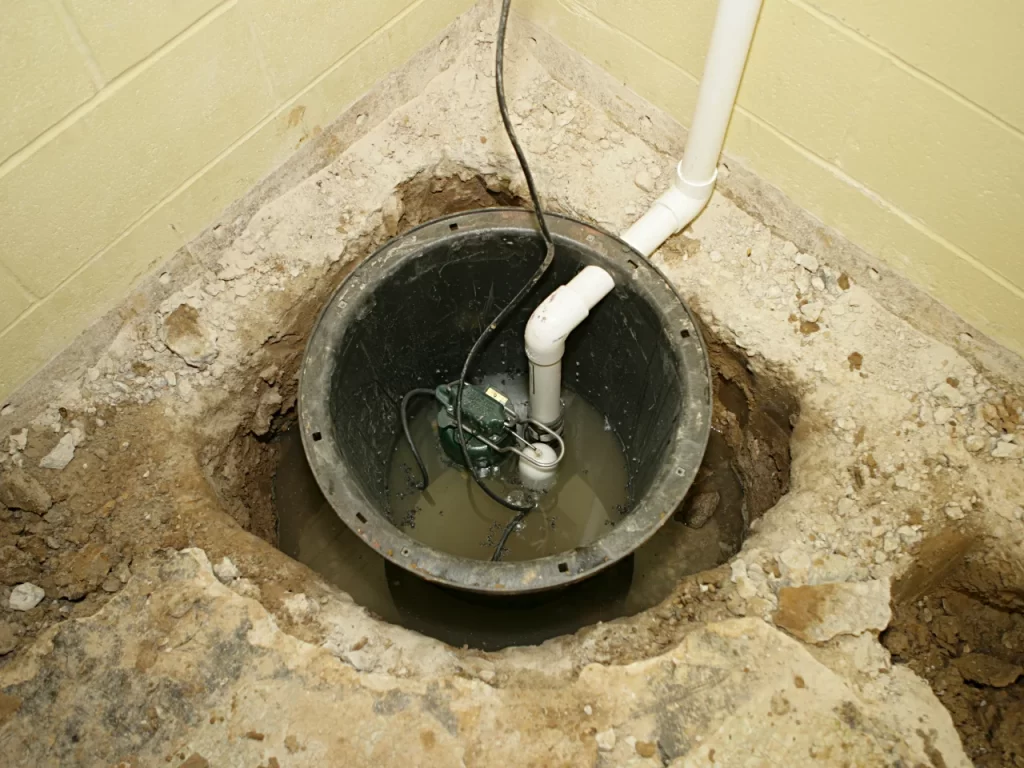
Not all pumps are created equal. Depending on the size of your basement, the water volume you deal with, and your budget, you might choose one of the following:
Submersible Sump Pumps
These are the most common in Toronto homes. The motor is contained in a waterproof housing and is submerged inside the sump pit.
- Pros: Quiet operation, more powerful for handling high water volumes, and less likely to clog.
- Cons: Generally more expensive and can be harder to access for maintenance.
Pedestal Sump Pumps
In this design, the motor sits on a “pedestal” above the sump basin, while the pump itself is at the bottom.
- Pros: Easier to repair and often has a longer lifespan because the motor stays dry.
- Cons: They are louder than submersibles and can be an eyesore in a finished basement.
Contact us today through our form or call +1 (416) 252-5557 for expert plumbing, drain, and related services in Toronto, Etobicoke, Mississauga, and across the GTA.
The Critical Importance of a Backup Sump Pump
One of the most common reasons for a flooded basement isn’t that the homeowner didn’t have a pump; it’s that the pump failure happened at the worst possible time. Most sump pumps run electrically. What happens during a severe thunderstorm when the power goes out?
This is where a backup sump pump becomes essential.
Battery Backup Sump Pumps
A backup pump equipped with a dedicated battery can keep your basement dry for several hours (or even days, depending on the model) during a power outage. These systems often include a water alarm that notifies you if the primary sump pump has failed and the backup has taken over.
Water-Powered Backup Pumps
For those on municipal water systems, a water-powered backup is an incredible “set it and forget it” solution. It uses the pressure in the water from your city lines to create a vacuum that pumps the water out of the pit. Since it doesn’t rely on batteries or electricity, it will work as long as your city water is running.
Critical Components of Your Sump Pump System
- The Float Switch. This acts as the “sensor” for the system. It detects the rising water level within the pit and triggers the pump to start. Automating the process prevents a basement overflow and ensures the motor isn’t running unnecessarily, which saves energy.
- The Check Valve. This is a one-way valve installed in the discharge pipe. Its job is to ensure that once water flows out of the pit, it can’t slide back down into the basin when the pump turns off. This prevents strain on the pump by stopping it from “short-cycling” (turning on and off repeatedly to pump the same water).
- The Discharge Pipe. This is the physical pipe (usually PVC) that channels the collected water outside. It is plumbed to carry the liquid at least 10–20 feet away from the home so that it doesn’t just seep back through the soil and into your foundation drainage.
- Backup Power Solutions. Whether it’s a battery backup or a water-powered backup, this secondary source of energy is your safety net. It ensures that your primary sump pump still has a way to protect your home during a power outage or a mechanical pump failure.
Common Signs You Need a Sump Pump Upgrade
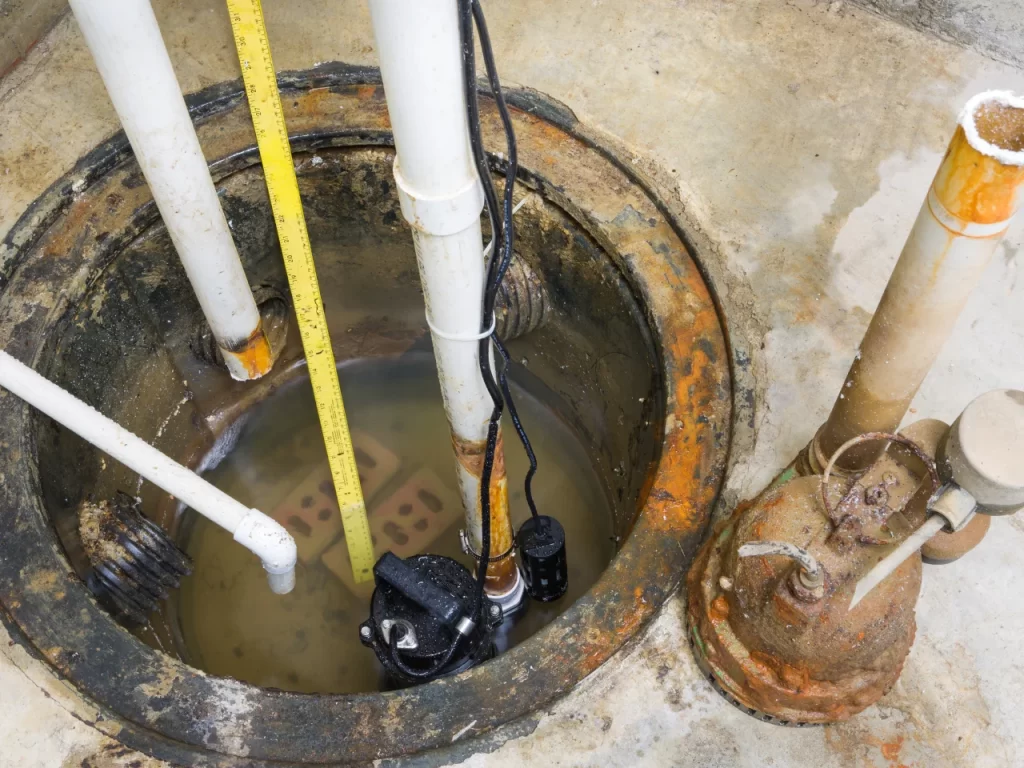
How do you know if your current system is up to the task? If you notice any of the following, it’s time to call a professional:
- The pump runs constantly. This could mean your pump is underpowered for the water volume, or the check valve is broken.
- Unusual Noises. Rattling or grinding sounds often indicate a failing motor or a bent float arm.
- Frequent Cycling. If the pump turns on and off every few seconds, the sump basin might be too small, or the water level is too low for the pump’s settings.
- Visible Rust. Corrosion can lead to pump failure at a critical moment.
- Old Age. Most pumps have a lifespan of 7–10 years. If yours is older, don’t wait for a flood to replace it.
Maintenance Tips to Protect Your Home
A small amount of preventative attention can significantly reduce the risk of flood damage.
Quarterly Checks
Fill the sump hole with a bucket of water every few months. Watch the float rise and ensure the pump turns on automatically. Listen for any strange noises and verify that the water is actually being discharged through the pipe.
Cleaning the Pit
Over time, dirt, gravel, and debris can settle in the sump basin. This debris can get sucked into the filtration screen, causing the motor to overheat. Clear out any visible gunk to keep the system running smoothly.
Inspect the Discharge Line
Go outside and find where the sump pump discharge exits your home. Ensure it isn’t blocked by leaves, ice, or mulch. If the water can’t get out, it will back up into your basement.
Sump Pumps vs. Sewage Ejector Pumps
It is a common mistake to confuse a sump pump with a sewage ejector pump. While they look similar and both sit in pits in the basement floor, they serve very different purposes.
A sump pump handles “clear water” from the groundwater and rain. It is connected to a discharge pipe that leads away from the house. A sewage pump, however, handles waste from basement bathrooms and plumbs it directly into your main sewer line. You should never discharge sewage into your sump pit, as this creates a major health hazard and violates Toronto building codes.
The Role of Professional Installation

While many big-box stores sell “DIY” kits, the best sump pump is only as good as its installation. A professional plumber will ensure that:
- The sump basin is sized correctly for your home’s water volume.
- The discharge lines are properly angled to prevent freezing during a Toronto winter.
- The system is correctly plumbed to meet municipal bylaws regarding the sewer system.
- The electrical connections are safe and have the necessary backup power options.
At Absolute Draining & Plumbing, we have over 20 years of experience helping Toronto residents stay dry. We understand the unique challenges of the GTA’s water table and can recommend the right sump pump system for your specific needs.
Absolute Draining & Plumbing: Your Flood Protection Experts
Protecting your home from basement flooding is a full-time job for your plumbing system. Don’t leave it to chance. Whether you need a new primary sump pump, a battery backup installation, or a routine inspection of your drainage pipe network, we are here to help.
At Absolute Draining & Plumbing, we prioritize your peace of mind by offering 24/7 emergency services because we know that basement flooding doesn’t wait for business hours. We provide flat-rate pricing so you’ll know precisely how much the job will cost before we even pick up a wrench, keeping things clear and stress-free. Additionally, our staff specializes in rebate assistance. It can help you save a lot of money on the installation of your sump pump system or backwater valve by guiding you through the City of Toronto flood protection grant process. Stop crossing your fingers every time the clouds turn grey and start protecting your home’s foundation today.
Contact us today through our form or call +1 (416) 252-5557 for expert plumbing, drain, and related services in Toronto, Etobicoke, Mississauga, and across the GTA.