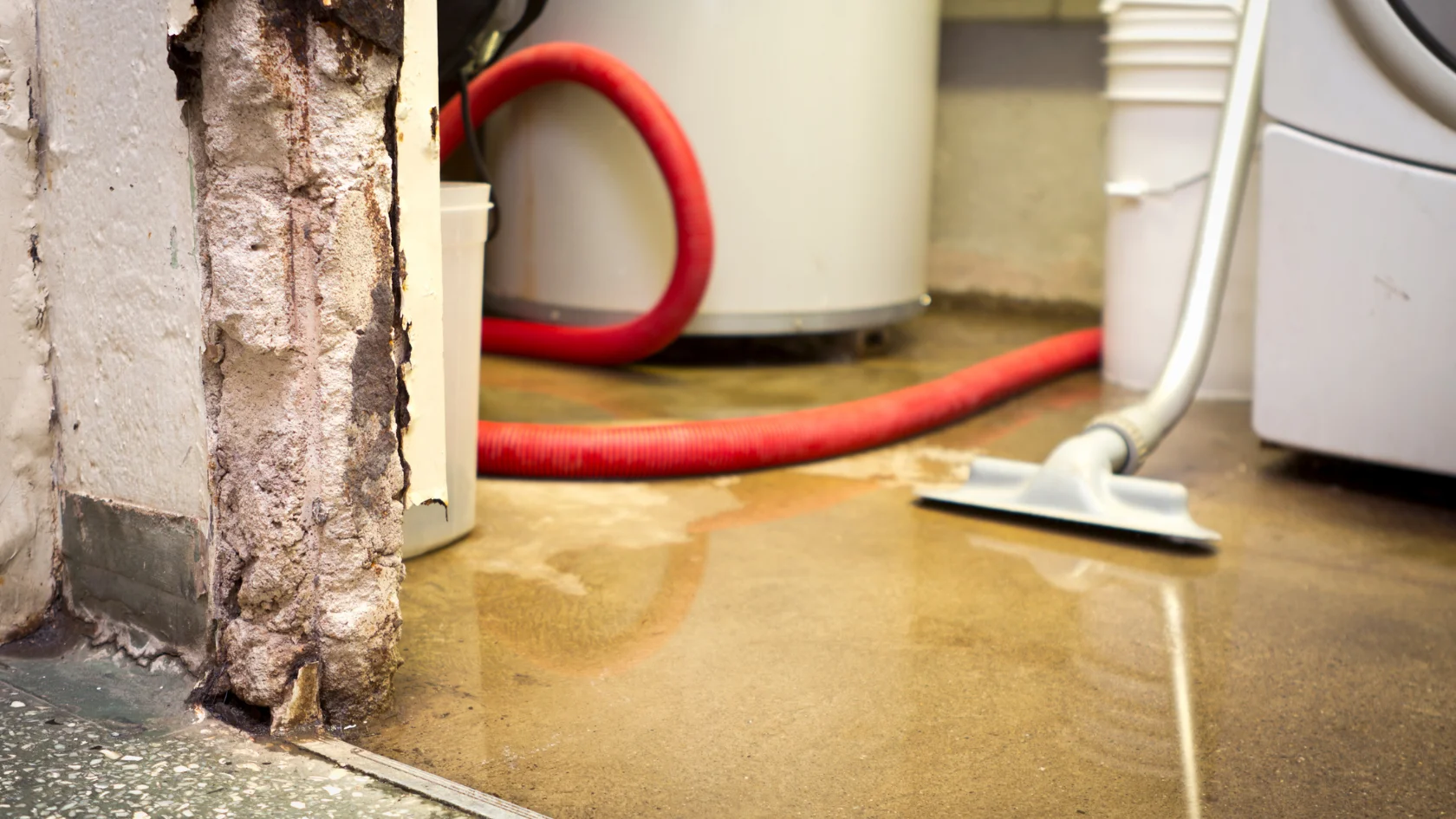
If you’ve ever walked into your basement after heavy rain and noticed damp walls, water stains, or that musty smell, you’ve probably wondered where all that water is coming from and how to stop it for good.
One of the best methods to control groundwater and prevent water damage to the foundation of your house is with a well-designed weeping tile system. But it’s also one of the most misunderstood drainage systems in Canadian homes, especially older houses across Toronto and the GTA.
Water doesn’t just appear in basements. It builds up slowly, putting pressure on foundation walls until it finds the easiest way in. That’s where weeping tiles come in. Quietly doing their job underground, collecting water and redirecting it away from the house before it becomes a serious problem.
In this blog, we’ll explain what a weeping tile is, how it functions, and why homeowners may better understand their drainage system with a simple weeping tile diagram. We’ll also discuss the differences between interior and exterior weeping tiles, typical failure indicators, the fundamentals of installation, and when to hire an expert. This tutorial is for you if you want to keep your basement dry.
Contact us today through our form or call +1 (416) 252-5557 for expert plumbing, drain, and related services in Toronto, Etobicoke, Mississauga, and across the GTA.
What Is a Weeping Tile System?
Despite the name, a weeping tile doesn’t “weep.” It drains.
A weeping tile system is a type of drainage system installed around a home’s foundation to collect groundwater and redirect it away from the structure. It is commonly referred to as perimeter drain, drain tile, or French drain, which all terms refer to the same basic concept of a weeping tile system. Originally, weeping tiles were made from terracotta tiles laid end to end. Modern systems now use plastic pipe, typically PVC pipe or perforated pipe, which is far more durable and resistant to collapse.
In addition, the pipe is buried in a trench that surrounds the foundation walls and is filled with rock or gravel. The pipe collects groundwater that builds up in the soil through microscopic perforations and moves it away from the foundation to a sump pit, storm sewer, or dry well. Pressure relief and proper drainage are the main purposes of a weeping tile system. Water control at ground level helps prevent long-term foundation damage, flooding, and basement leaks.
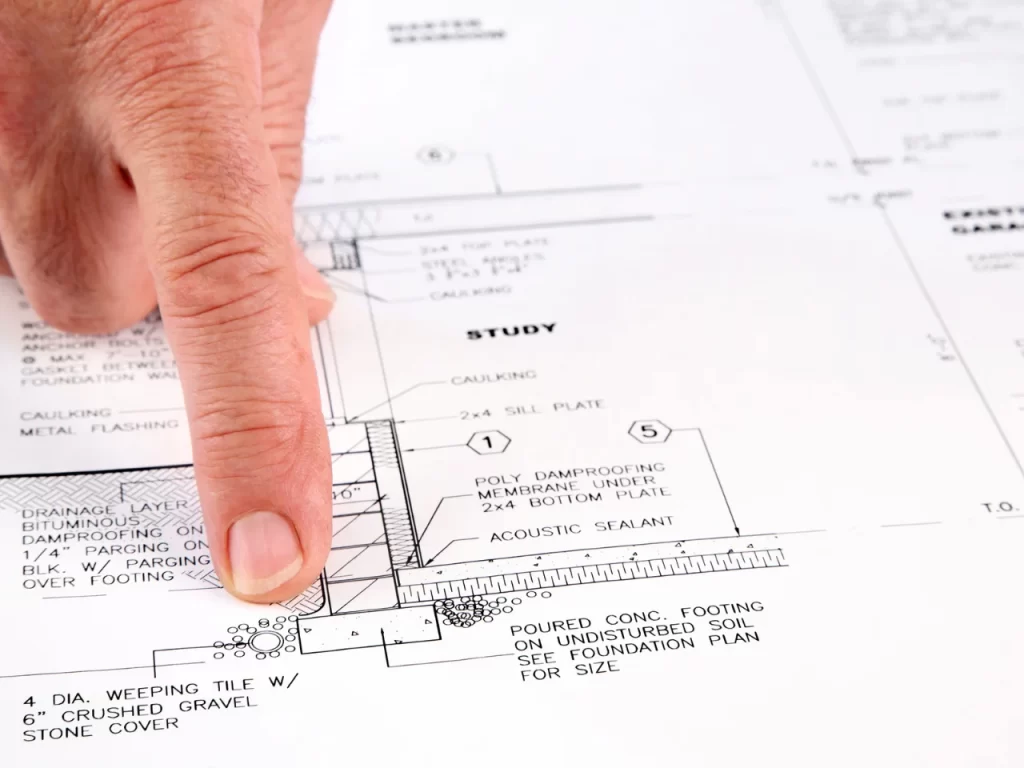
Why a Weeping Tile Diagram Matters
Until anything goes wrong, many homeowners are unaware that they even have weeping tiles. A leaking tile diagram is quite helpful in this situation.
A clear diagram shows:
- Where the drainage pipe is located
- How water flows around the foundation
- Where the pipe directs water
- How slope and gravity affect drainage
When you look at a weeping tile diagram, it becomes obvious that water isn’t being “blocked.” Instead, it’s being collected and redirected away from the foundation before hydrostatic pressure can build up.
Without this system, water can pool around basement walls, seep through cracks, and cause structural damage over time. Understanding the layout helps homeowners make better decisions about maintenance, landscaping, and repairs.
How Does a Weeping Tile Work?
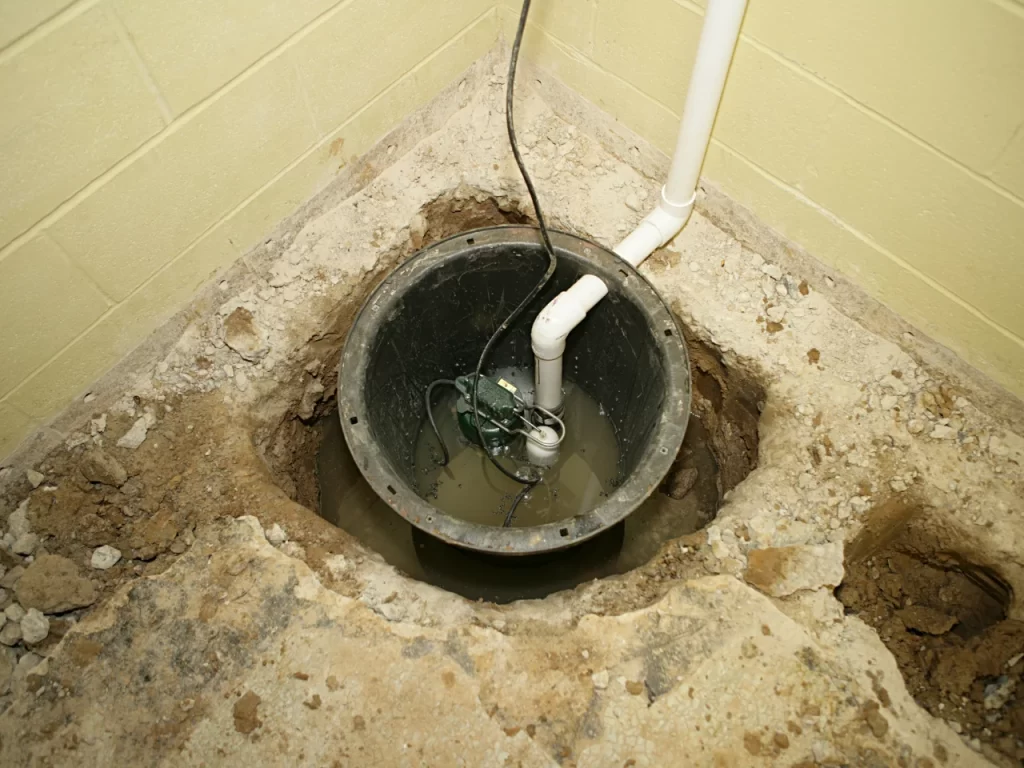
To really understand how weeping tiles protect your home, it helps to think about how water behaves underground.
When it rains or snow melts, surface water and groundwater soak into the soil. That water doesn’t disappear — it moves downward and outward, following gravity. If your soil has poor drainage or your property has a low slope, water collects around the foundation.
Here’s how a weeping tile system handles that:
- A trench is dug around the foundation. The trench is typically dug down to the footing level, right beside the foundation walls.
- Perforated pipe is installed. A 4-inch perforated pipe is laid at the bottom of the trench, with the perforation holes facing downward so water can enter easily.
- Gravel fills the trench. Because the pipe is encircled by gritty rock or gravel, soil cannot clog it and water can flow freely.
- Filter fabric may be added. A filter fabric helps prevent soil and debris from entering the drainage pipe.
- Water is redirected away. The pipe collects groundwater and directs it toward a sump pump, storm sewer, or dry well, safely away from the house.
Gravity is crucial in this situation. Instead of water lingering in the pipe, a correct slope guarantees that water flows through the system regularly.
Main Types of Weeping Tile Systems
Exterior and interior weeping tile systems are the two primary varieties utilized in Toronto residences. Although they operate differently, both can be useful.
Exterior Weeping Tile
An exterior weeping tile is installed outside the foundation walls.
How it works:
- A trench is dug around the outside perimeter of the home
- The drainage pipe is buried beside the foundation
- Water is collected before it reaches the basement wall
- Water is redirected to a storm sewer, dry well, or sump pit
Pros:
- Stops water before it touches the foundation
- Reduces long-term foundation damage
- Often paired with exterior waterproofing
Cons:
- Requires excavation
- Landscaping, walkways, or driveways may need removal
This is the most effective solution for preventing water from ever entering the foundation system.
Interior Weeping Tile System
Beneath the basement floor, an interior weeping tile system is placed along the inside perimeter.
How it works:
- A trench is cut into the basement floor
- Drain tile is installed along the interior perimeter
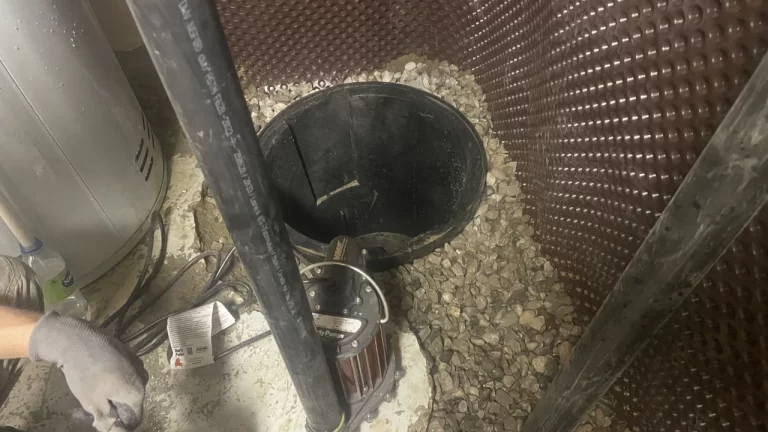
- Water flows into a sump pit
- A sump pump directs water away from the house
Pros:
- Less exterior excavation
- Faster installation in some homes
- Effective for active basement leaks
Cons:
- Water has already entered the foundation
- Relies heavily on a functioning sump pump
Interior systems manage water after it enters, while exterior systems prevent water entry altogether.
Contact us today through our form or call +1 (416) 252-5557 for expert plumbing, drain, and related services in Toronto, Etobicoke, Mississauga, and across the GTA.
How Weeping Tiles Protect Your Home’s Foundation
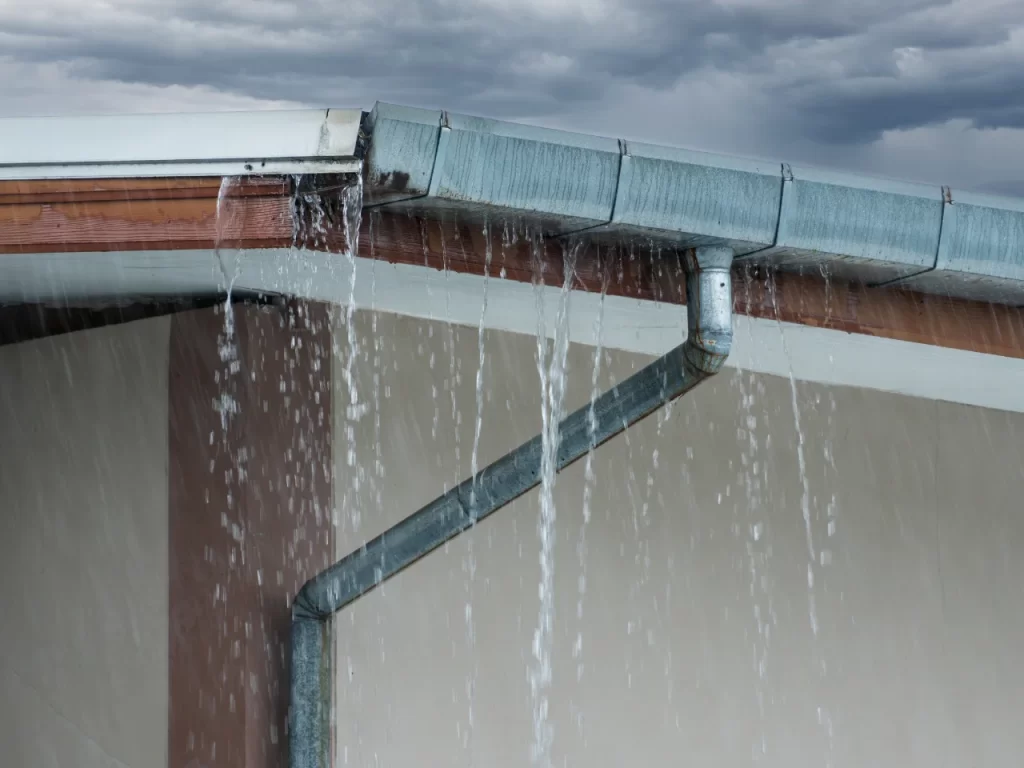
Water is one of the most destructive forces affecting a home’s foundation.
Hydrostatic pressure is created against foundation walls as groundwater accumulates. With time, this pressure may:
- Push water through tiny cracks
- Cause seepage at wall joints
- Lead to basement flooding
- Contribute to structural damage
A properly installed weeping tile system:
- Gathers groundwater prior to the development of pressure.
- Redirects water away from the foundation
- Reduces soil saturation around basement walls
- Protects against long-term foundation damage
This type of drainage system doesn’t just keep your basement dry — it protects the entire structure of your home.
Signs Your Weeping Tile May Be Failing
Because weeping tiles are buried, problems often go unnoticed until damage appears inside the home.
Watch for these warning signs:
- Water stains on the floors or walls of the basement
- Musty smells or visible mould
- Basement leaks after heavy rain
- Pooling water around the foundation
- Cracks in foundation walls
- Frequent sump pump activity
Common causes of failure include:
- Clogged perforated pipe from soil or debris
- Pipe collapse in older terracotta tiles
- Poor slope or settling over time
- Tree roots are invading the drain
- Poor drainage or improper backfill
If you notice these issues, it’s best to have a professional inspect the system using a drain camera.
How Weeping Tile Is Installed: Step-by-Step Process
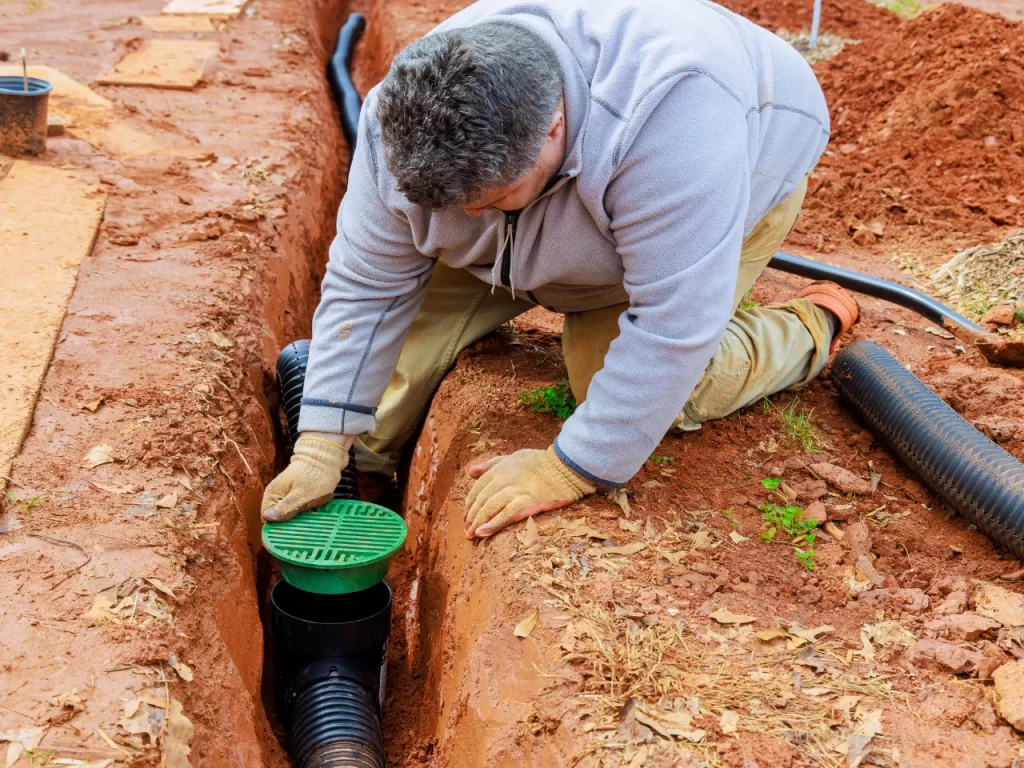
The majority of weeping tile installations follow a similar procedure, while the installation details differ according on the site.
- A trench is dug around the foundation. Excavation reaches the footing level around the home.
- Foundation walls are inspected and waterproofed. Cracks are sealed, and waterproof membranes may be applied.
- The drainage pipe is laid. A perforated PVC pipe is placed with a proper slope.
- Pipe is wrapped or protected. Filter fabric may be added to prevent clogging.
- Gravel is added. The trench is filled with coarse gravel to improve permeability.
- Backfill and restoration. Soil is replaced, and landscaping is restored.
Proper installation ensures water flows freely and consistently away from the home.
Can a Weeping Tile System Fail?
Indeed, if a system isn’t maintained, even a well-installed system may eventually malfunction.
Common issues include:
- Soil infiltration clogs the pipe
- Settling that disrupts the slope
- Aging materials in older homes
- Connection issues with storm sewer systems
Moreover, inspection and upkeep are therefore crucial, particularly in older Toronto homes that can still retain their original drain tile systems.
Can Weeping Tile Prevent Basement Flooding Completely?
A weeping tile system is extremely effective, but no system is 100% foolproof.
It works best when combined with:
- Proper grading around the home
- Functional sump pump and backup
- Clean eavestroughs and downspouts
- Basement waterproofing where needed
Also, weeping tiles greatly lower the danger of water damage and basement flooding when placed and maintained properly.
When to Call a Professional Plumber in Toronto

Weeping tile inspection, repair, and installation are not DIY projects. These systems are buried deep around your home’s foundation, and getting them wrong can lead to serious water damage, not just surface-level leaks.
You should call a professional plumber if:
- You notice recurring basement leaks or water stains
- Water pressure is building around the foundation walls
- Rainwater pools near your home due to poor drainage
- You’re planning basement waterproofing
- Your sump pump runs constantly or struggles to keep up
Due to the fact that weeping tiles are a component of larger drain tiles or perimeter drain systems, accurate diagnosis frequently necessitates camera examinations and, perhaps, excavation. A qualified plumber is aware of how groundwater, permeable backfill, and porous soil impact drainage. When water can seep through the ground, the goal is to collect it efficiently and divert groundwater away from the foundation.
Modern weeping tiles, based on the original Henry Flagg French drain concept, use a pipe buried around the foundation to redirect water either away from the home or to a sump pump. When these systems clog, shift, or fail, proper installation and repair are essential for effective water management.
We at Absolute Draining & Plumbing have been serving Toronto and the GTA for more than 20 years. We provide long-term drainage solutions with clear, flat-rate pricing and thorough explanations, ranging from inspections and targeted repairs to full weeping tile excavation and replacement.
Contacting a professional as soon as possible will assist avoid future, expensive foundation damage if you’re experiencing persistent moisture or drainage problems.
Protect Your Home Before Water Damage Starts
Water damage is costly and frustrating at the same time. One of the best investments you can make to safeguard the foundation of your house and keep your basement dry is a well-maintained weeping tile system.
Don’t wait for the next significant downpour if you observe symptoms of poor drainage, basement leaks, or foundation problems. For a competent evaluation and frank advice on the best solution for your house, get in touch with Absolute Draining & Plumbing.
Keeping water away from your foundation today can save you tens of thousands in repairs tomorrow.
Contact us today through our form or call +1 (416) 252-5557 for expert plumbing, drain, and related services in Toronto, Etobicoke, Mississauga, and across the GTA.