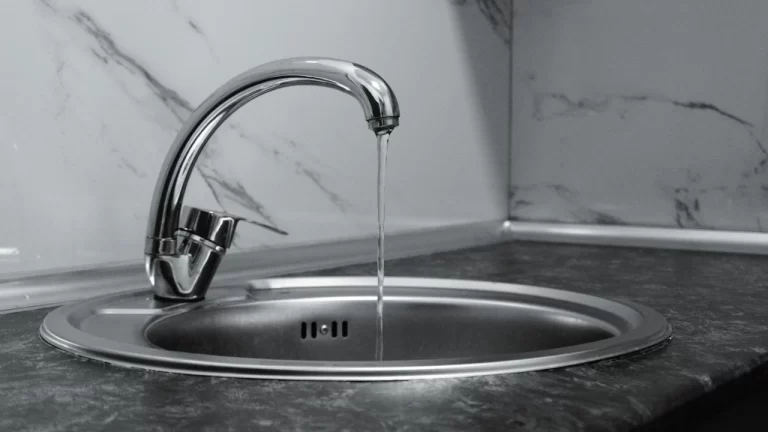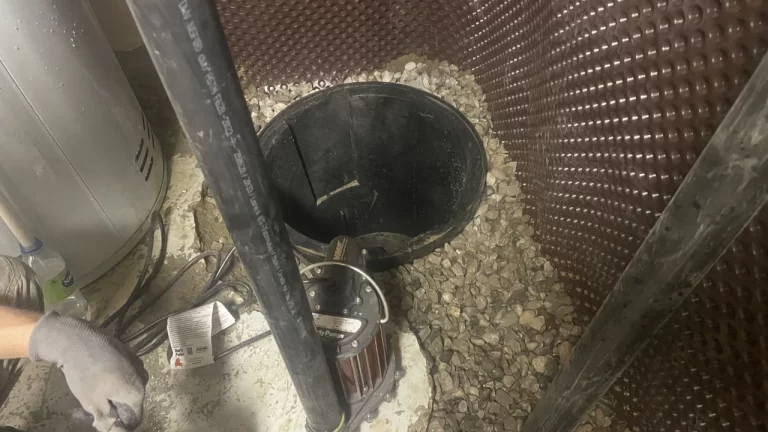
Relaxing in your living room after a long day, and a sudden, foul scent, something like rotten eggs, starts wafting from your kitchen or bathroom. You tried to check the trash and the fridge, but the smell is clearly coming from the sink drain, leaving you wondering how sewer smells could possibly find their way into your living space.
This common household mystery is almost always solved by looking at a small, curved piece of pipe located directly under your plumbing fixtures. In the world of professional plumbing, we call this the p-trap. While it might look like a simple plumbing accidental bend, this U-shaped portion of pipe is actually one of the hardest-working and most essential components of your entire drainage system. Without it, your home wouldn’t just be smelly; it would be potentially unsafe.
In this blog, we are going to break down everything a homeowner needs to know about this vital fitting. We are going to cover as well the primary purpose of the p-trap, how it creates a water seal to block sewer gas, the key differences between p-traps and s-traps, and how to maintain them to prevent a clog or a leak. Whether you are looking at a kitchen sink, a bathroom sink, or even a bathtub, understanding how these plumbing traps work will help you keep your home sanitary and functional.
Contact us today through our form or call +1 (416) 252-5557 for expert plumbing, drain, and related services in Toronto, Etobicoke, Mississauga, and across the GTA.
What is a P-Trap and Why is it Essential?
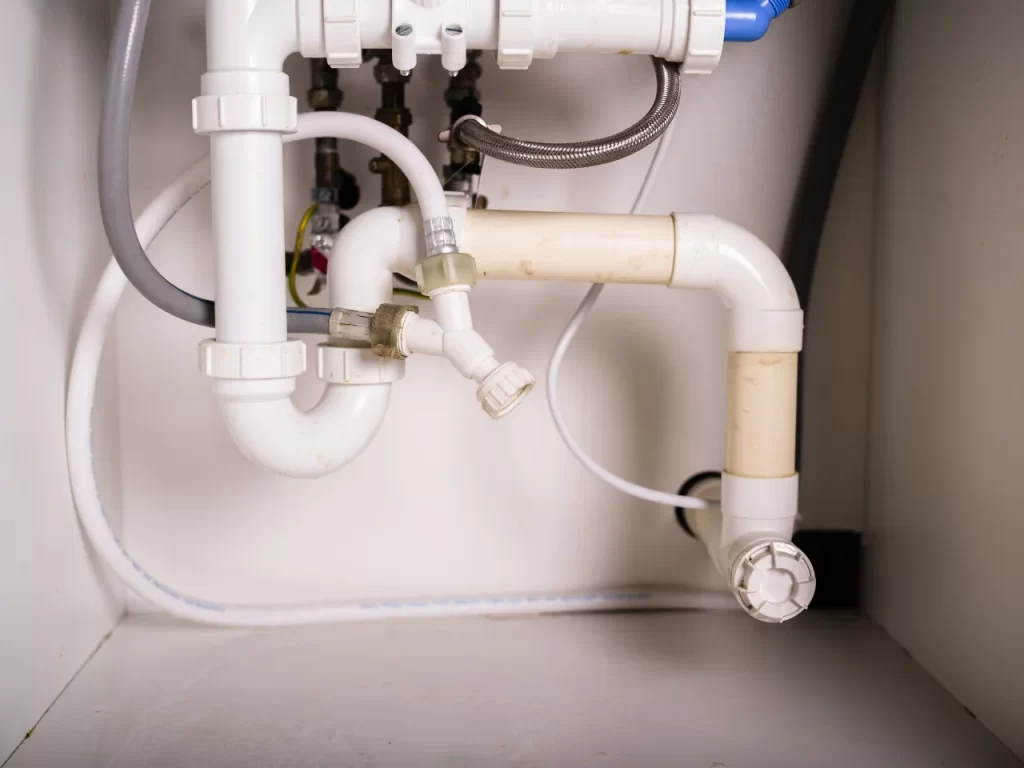
A p-trap is a U-shaped bend in the drainpipe that connects your sink drain to the rest of the waste line leading to the main sewer. The name comes from its physical appearance; when you look at the u-bend combined with the horizontal tailpiece that connects to the wall, it resembles the letter “P” laid on its side. You will find these under almost every fixture in a modern plumbing system, from the kitchen to the laundry room.
The fundamental job of the p-trap is to hold a small amount of fresh water at all times. This standing water creates what we call a water seal. Because the water fills the bottom of the “U,” it creates an airtight seal that prevents sewer gas—such as methane, nitrogen oxides, and hydrogen sulphide—from travelling back up the drain line and into your home. These gases aren’t just an unpleasant odour; they can be hazardous to your health and, in high concentrations, even flammable.
Beyond the safety aspect and its primary function, p-traps also serve a very practical secondary purpose. A P trap acts as a catch-all for heavy objects. If you’ve ever had a wedding ring or a small earring slip down the bathroom sink, the p-trap is usually where that item stops. Because the water has to travel upward after the bend to exit through the wall, heavy metal objects settle at the bottom of the U-shaped pipe rather than being swept away into the deep plumbing system.
The Anatomy of Modern Plumbing Traps
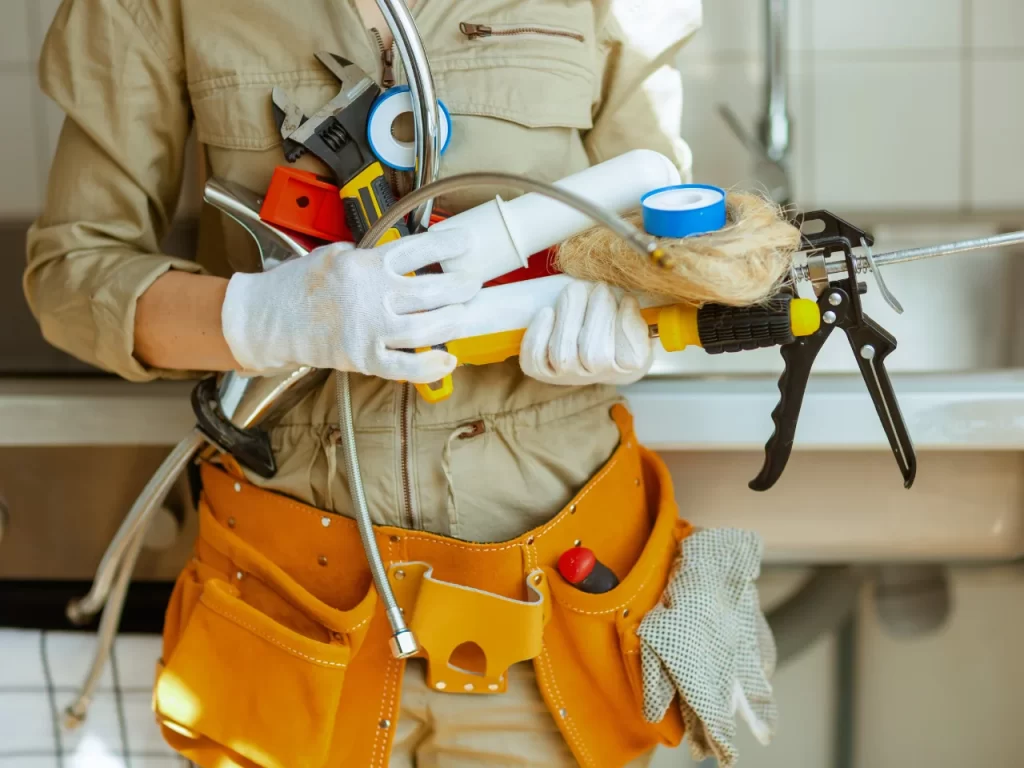
When you look under your sink, you aren’t just seeing one solid piece of pipe. A standard p-trap assembly is made up of several parts that work together to ensure wastewater moves out while keeping odours trapped. Most residential p-traps today are made of PVC (polyvinyl chloride) or polypropylene, though older homes in Toronto might still have metal versions like chrome-plated brass.
- The Tailpiece: This is the straight vertical pipe that comes down directly from the sink drain.
- The U-Bend: This is the actual U-shaped portion of pipe that holds the water seal.
- The Trap Arm: This is the horizontal section that connects the bend of the p-trap to the vented pipe inside your wall.
- Slip Nuts and Washers: These are the rubber seals and threaded fasteners that let you manually disassemble the trap or use a tool to remove obstructions.
In some high-quality setups, plumbing professionals use some certified brands. These parts are made to adhere to stringent building regulations and guarantee that the seals stay tight for many years. Certain p-traps even have a special cleanout, which is a little threaded plug at the bottom of the “U” that allows you to empty the water and debris without removing the pipe entirely.
Key Differences Between P-Traps and S-Traps
If you live in an older Toronto home, you might notice a pipe that looks like an “S” instead of a “P.” This is known as an s-trap. Although they were widespread decades ago, they are essentially extinct in today’s architectural codes. It’s critical to comprehend the distinctions between p-traps and s-traps, particularly if you’re trying to pass a house inspection or are planning a remodel.
The main issue with s-traps is that they are prone to a phenomenon called suction or siphoning. Because the pipe goes up and then immediately dives back down vertically, a large rush of wastewater can create a vacuum. This suction pulls all the water out of the trap, leaving the pipe dry. When the trap is dry, there is no longer a water seal, and sewer gas can flow freely into the room.
A p-trap avoids this by connecting to a horizontal vented pipe. This ventilation, also known as an air admittance valve or a vent stack, lets air into the system, preventing any possible vacuum and guaranteeing that the water remains in the u-bend. To bring homes up to date with modern plumbing rules and guarantee long-term safety, we frequently replace an S-trap with a P-trap.
How the Water Seal Protects Your Home
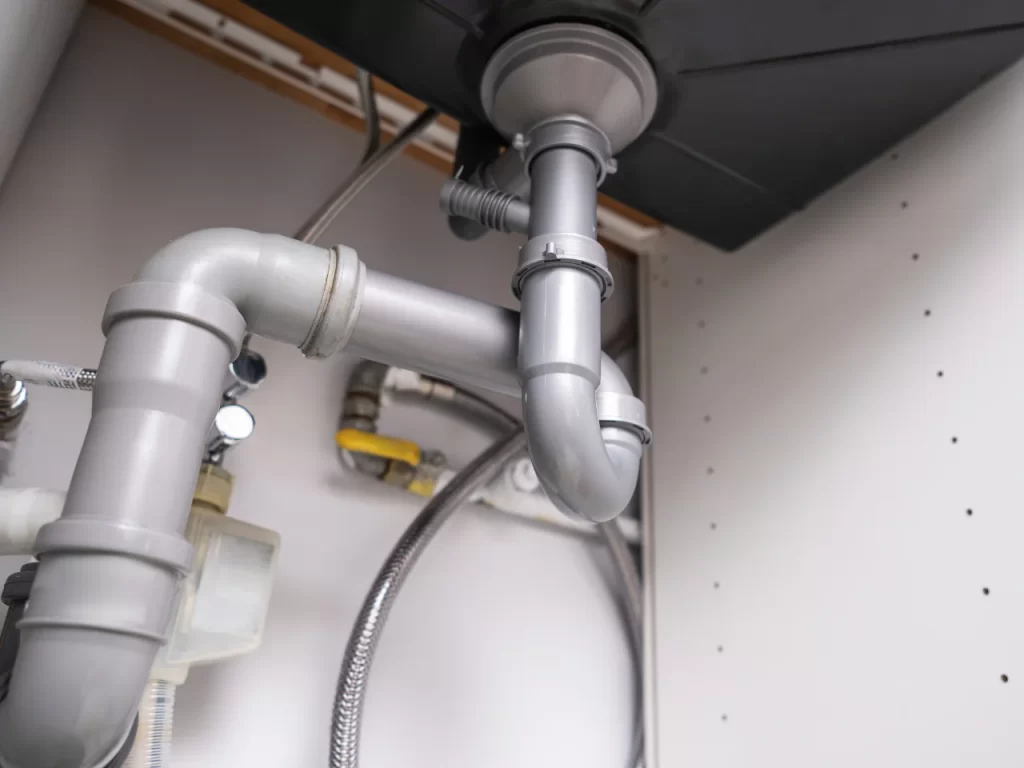
The “magic” of the p-trap lies in its simplicity. Every time you run the faucet, the old water in the trap is flushed out and replaced with a fresh supply. Once the water stops running, the last bit of water settles in the bottom of the bend. This creates a physical barrier of liquid that is impenetrable by air coming from the sewer side of the pipe.
However, this seal can fail under certain conditions:
- Evaporation: If a guest bathroom sink or a basement floor drain isn’t used for weeks or months, the water in the trap will eventually evaporate. This is why you might smell an unpleasant odour in a room you rarely use. The fix is simple: run the water for 30 seconds to refill the trap.
- Siphoning: As mentioned with s-traps, if the plumbing system isn’t properly vented, the water can be sucked out.
- Capillary Action: Sometimes a string, a clump of hair, or a piece of fabric can get caught in the trap and hang over the edge into the drain line. This can “wick” the water out of the trap over time, eventually breaking the seal.
The easiest approach to preserve this protective barrier is to use your plumbing fixtures on a regular basis and make sure they are properly vented to the outside through a vent stack.
Contact us today through our form or call +1 (416) 252-5557 for expert plumbing, drain, and related services in Toronto, Etobicoke, Mississauga, and across the GTA.
Common P-Trap Issues: Clogs and Leaks
Because the p-trap is designed to catch things, it is also the most likely place for a clog to form. Particles like grease, food waste, soap scum, and hair tend to build up in the U-shaped bend, which eventually results in clogging later on. The trap is probably partially clogged if your sink drains slowly or if you hear a “glug-glug” sound.
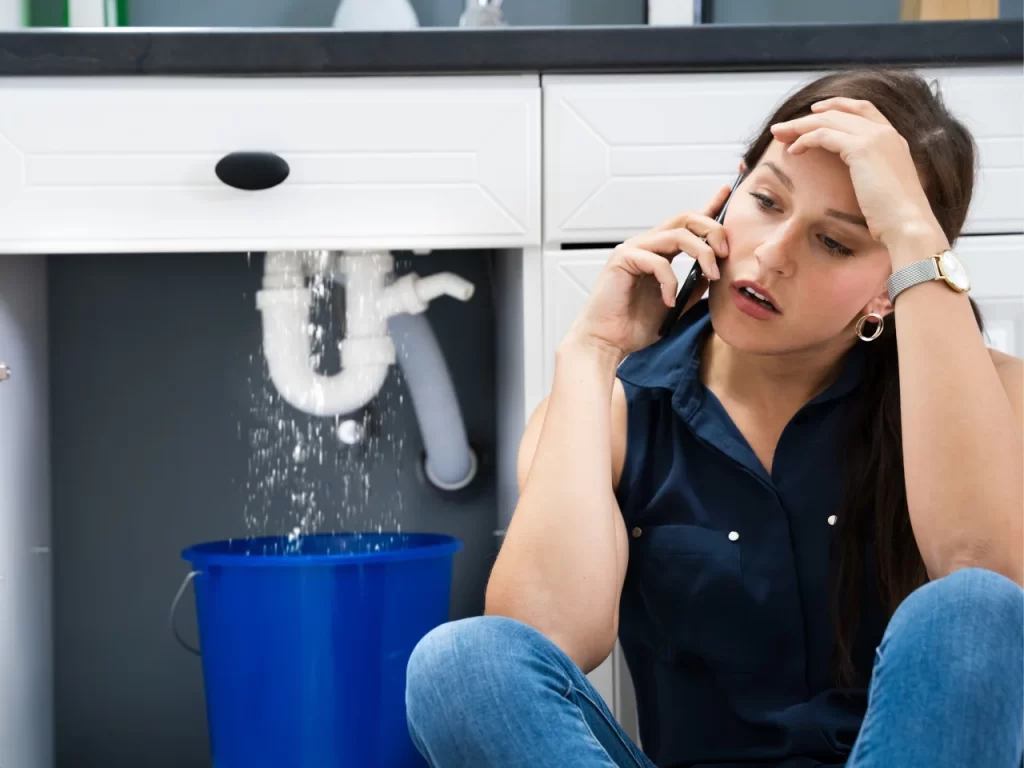
Another common issue is a leak. Since the p-trap is a series of joined pipes, the connections can loosen over time due to vibrations or accidental bumps from items stored under the sink. If you notice moisture on the floor of your cabinet, it is usually because a washer has worn out or a thread has become loose.
Fortunately, most modern PVC p-traps are designed to be “hand-tight.” This means you can often fix a small leak by simply tightening the slip nuts by hand. If the leak persists, you may need to disassemble the trap and replace the plastic or rubber washers. It is a messy job, but it’s a standard part of maintaining functional plumbing.
Maintaining Your Sink P-Traps for Long-Term Health
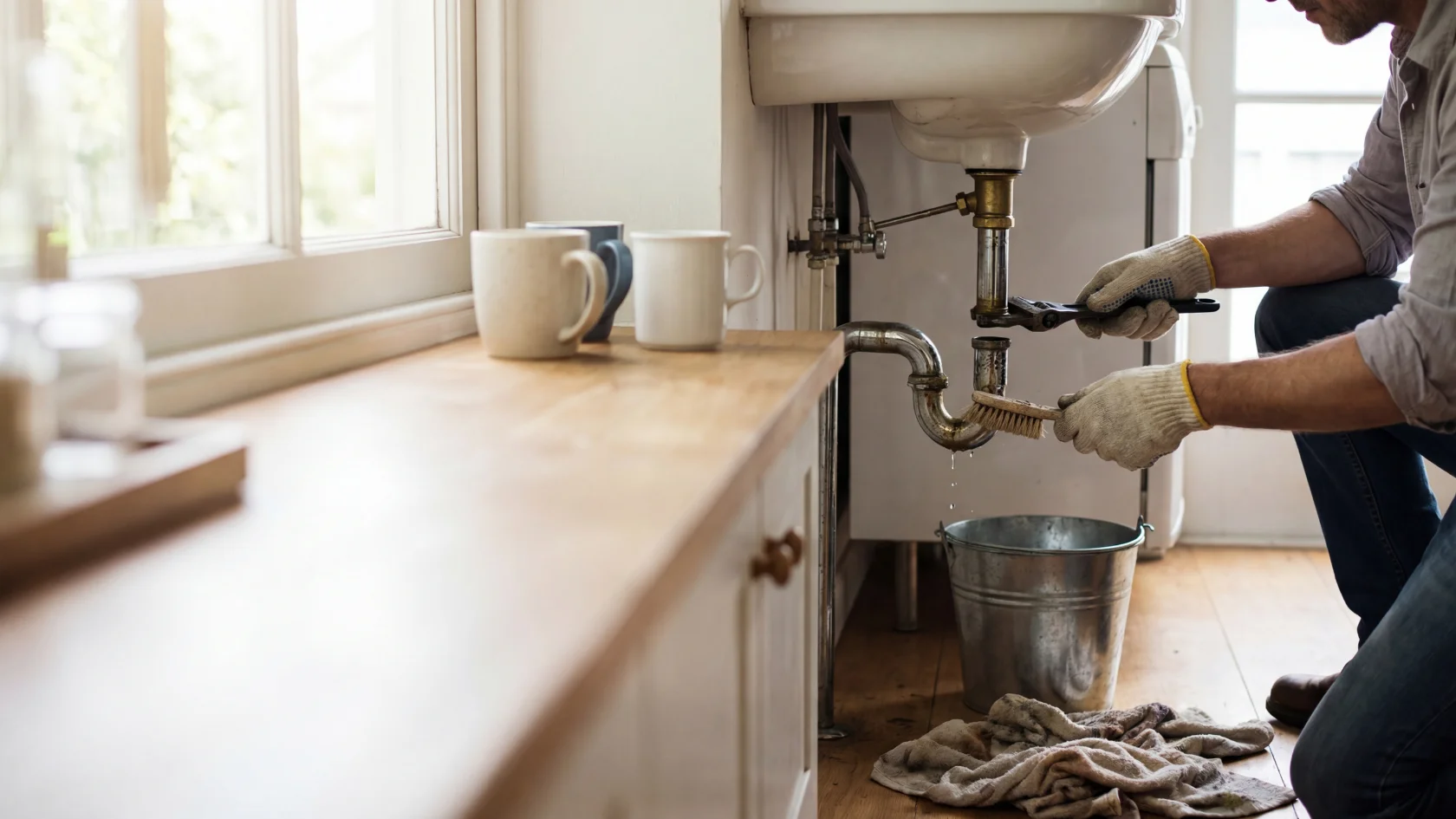
You don’t have to wait for a disaster to take care of your plumbing. A small amount of preventative maintenance makes a big difference. Once or twice a year, it’s a good idea to put a bucket under your sink and manually remove the P-trap to give it a thorough cleaning.
To do this, unscrew the slip nuts on either side of the U-bend. Be prepared for some smelly water to drop into the bucket—this is normal wastewater. You can then remove any hair or dirt that has gathered. This guarantees that the pipe won’t corrode or acquire a lingering smell in addition to preventing future obstructions.
If you are dealing with a bathtub or shower, the p-trap is usually located under the floor and is much harder to access. In these cases, using a zip tool or a small drain snake to pull hair out from the top of the drain is the best way to keep the trap clear without needing to tear into your ceiling or floor.
When to Call a Professional Plumber in Toronto
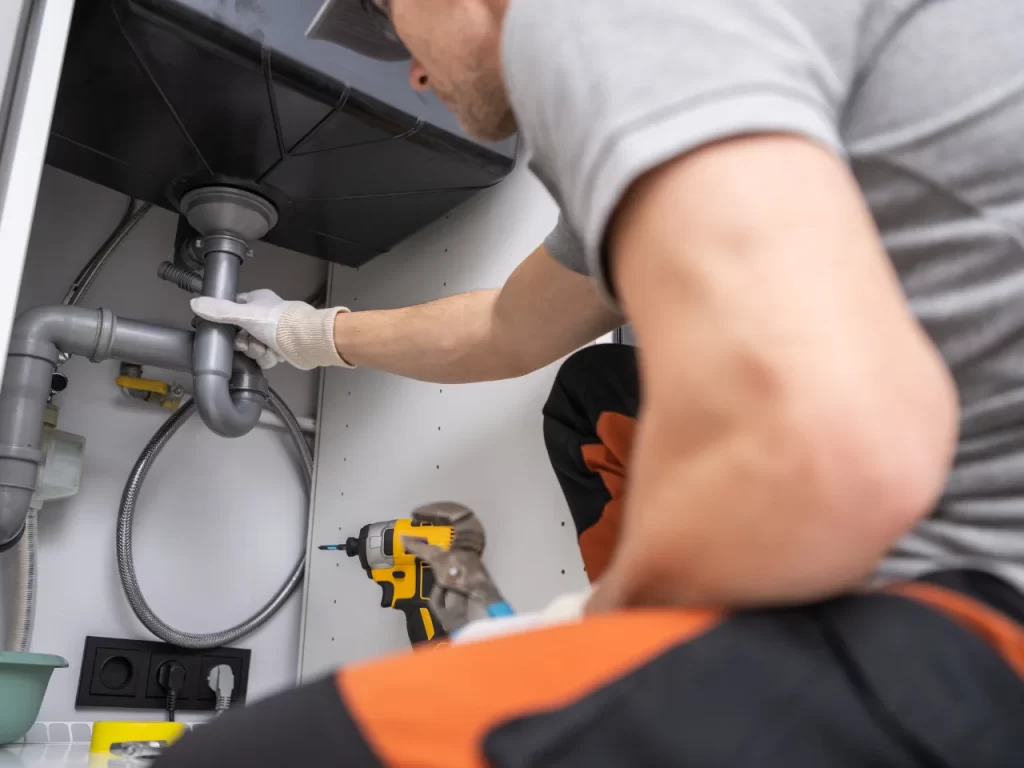
While cleaning a sink p-trap is a common DIY task, there are times when you need an expert. At Absolute Draining & Plumbing, we’ve seen plenty of “simple” repairs turn into major headaches because of stripped threads, cracked pipes, or underlying issues with the vent line.
You should consider calling a professional if:
- The foul odour persists even after you’ve refilled the trap with water.
- You find an s-trap that needs to be converted to a p-trap for code compliance.
- The leak is coming from the pipe where it enters the wall (the wall-to-drain connection).
- You have recurring clogs that won’t go away with a simple trap cleaning, which could indicate a problem deeper in the drain line.
- You are uncomfortable working with plumbing tools and want to ensure the job is done right the first time with a 25-year warranty on drain work.
Serving the Greater Toronto Area, our team has more than 20 years of expertise. We are aware of the unique difficulties faced by Toronto’s older residences as well as the complexities of contemporary building regulations. We provide flat-rate pricing, so you won’t ever have to worry about the price going up in the middle of a project.
Keeping Your Home Safe and Odour-Free
The p-trap may be a little, low-cost component of your house, but it plays a huge part in your everyday security and comfort. It is a masterwork of straightforward engineering that can do everything from save your misplaced jewelry to stop hazardous sewer gas from entering. Most significant drainage issues may be avoided by keeping a watch out for leaks, clearing up clogs when things slow down, and making sure your system is properly vented.
If you’ve noticed a persistent smell, a slow-draining sink, or if you simply haven’t had your plumbing inspected in years, it might be time for a professional look. Absolute Draining & Plumbing can assist you whether you’re in downtown Toronto, North York, or Etobicoke. We take great satisfaction in being Toronto’s top plumbers, offering top-notch work and no-BS service.
Do you suspect your P-traps are outdated or failing? Don’t let a small leak turn into a major water damage restoration project. Contact Absolute Draining & Plumbing today for a free estimate or to schedule a professional drain inspection. We are available 24/7 to ensure your Toronto home stays dry, safe, and smelling fresh!
Contact us today through our form or call +1 (416) 252-5557 for expert plumbing, drain, and related services in Toronto, Etobicoke, Mississauga, and across the GTA.