After a heavy Toronto rainstorm, you noticed a massive puddle spanning around your driveway or, worse, water creeping towards your house foundation. This kind of situation is a common headache for GTA homeowners, but it is one that a properly installed drainage system can solve.
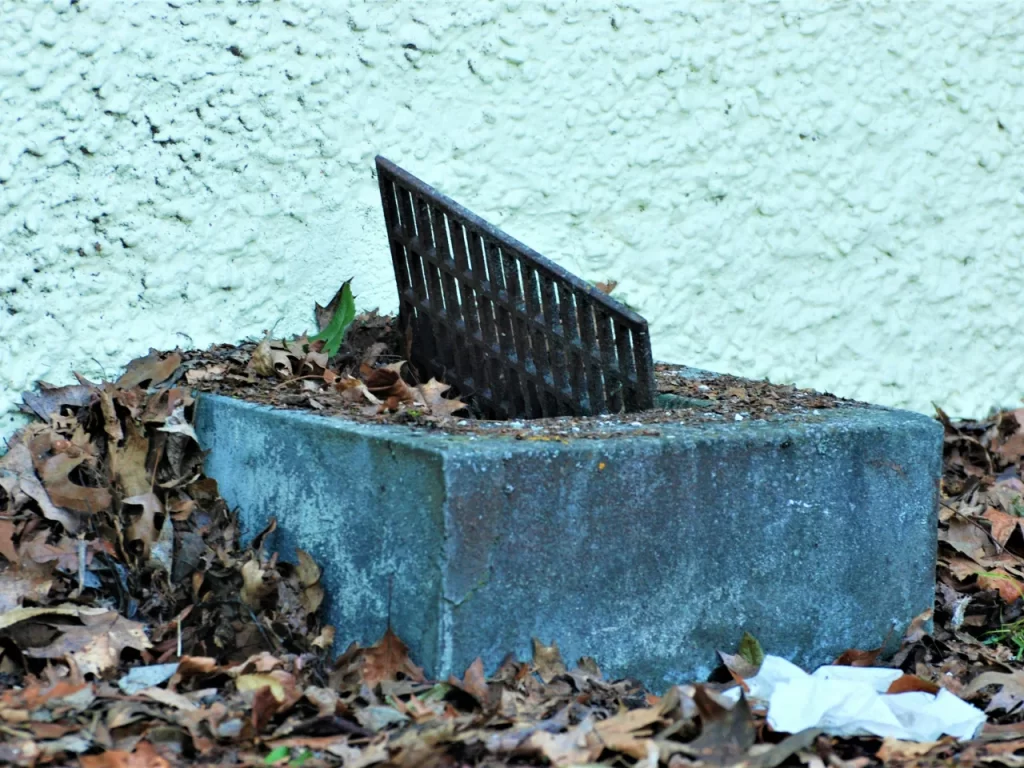
A catch basin is an essential component of any effective residential or commercial drainage system. Essentially, it is an underground structure (often a box or cylinder) topped with a grate, located at a low point on your property. Its job is to collect runoff water and trap debris, such as leaves and sediment, prior nteringto to enteringyour pipes and causing a clog. Acting as the first line of defence for your underground drainage ensures that stormwater is channelled safely away from your home’s foundation and into the city sewer or a designated sump.
In this blog, we will tackle important topics on how to build a drainage catch basin, including the materials you’ll need, the step-by-step installation process, and why choosing the right load class for vehicle traffic is important. We will also explore the advantages of different materials, such as plastic, concrete, and cast iron, as well as maintenance tips to prevent flooding and keep your system flowing freely year-round.
Contact us today through our form or call +1 (416) 252-5557 for expert plumbing, drain, and related services in Toronto, Etobicoke, Mississauga, and across the GTA.
Why Every Toronto Home Needs a Drainage Catch Basin
Living in the Greater Toronto Area means dealing with diverse weather patterns, from rapid spring thaws to intense summer downpours. Without a dedicated catch basin, excess water has nowhere to go. It puts tremendous strain on your basement walls, pools in your garden, and makes a muddy mess.
The primary function of a drainage catch basin is to manage stormwater runoff. It features an inlet (the grate) and an outlet (the connection to the drainage pipe). Because the outlet is positioned slightly above the bottom of the basin, the “sump” area at the bottom catches heavy sediment and trash. This prevents your pipes from becoming a clogged mess, which is much more expensive to fix than simply cleaning out a basin.
The Benefits of a Professional Setup
- Prevent Flooding: Directs stormwater away from window wells and foundations.
- Landscape Preservation: Stops erosion and protects expensive gardens from becoming waterlogged.
- Property Value: A dry, well-drained property is a significant asset in the Toronto real estate market.
- Versatility: Whether it’s for a driveway, backyard, or commercial parking lot, there is a catch basin kit designed for every application.
Choosing the Right Materials: Plastic vs. Concrete
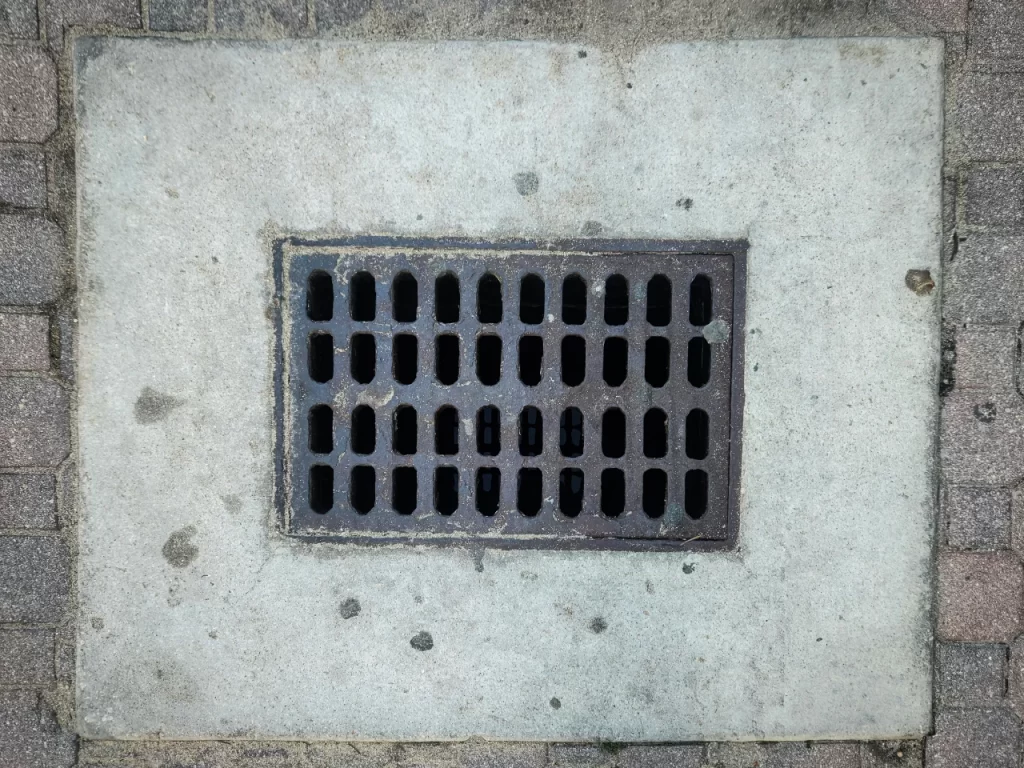
When you start looking at how to install a basin, you’ll find two main contenders: plastic (high-density polyethylene or polypropylene) and precast concrete.
Plastic Catch Basins
For most residential projects in Canada, a plastic catch basin is the ideal solution. Brands like Vodaland Canada and Reln offer lightweight options that are easy to install without heavy machinery. These units are durable, resistant to the salt used on Toronto roads, and often come as an inline catch basin that fits perfectly into a trench drain system.
Concrete and Cast Iron
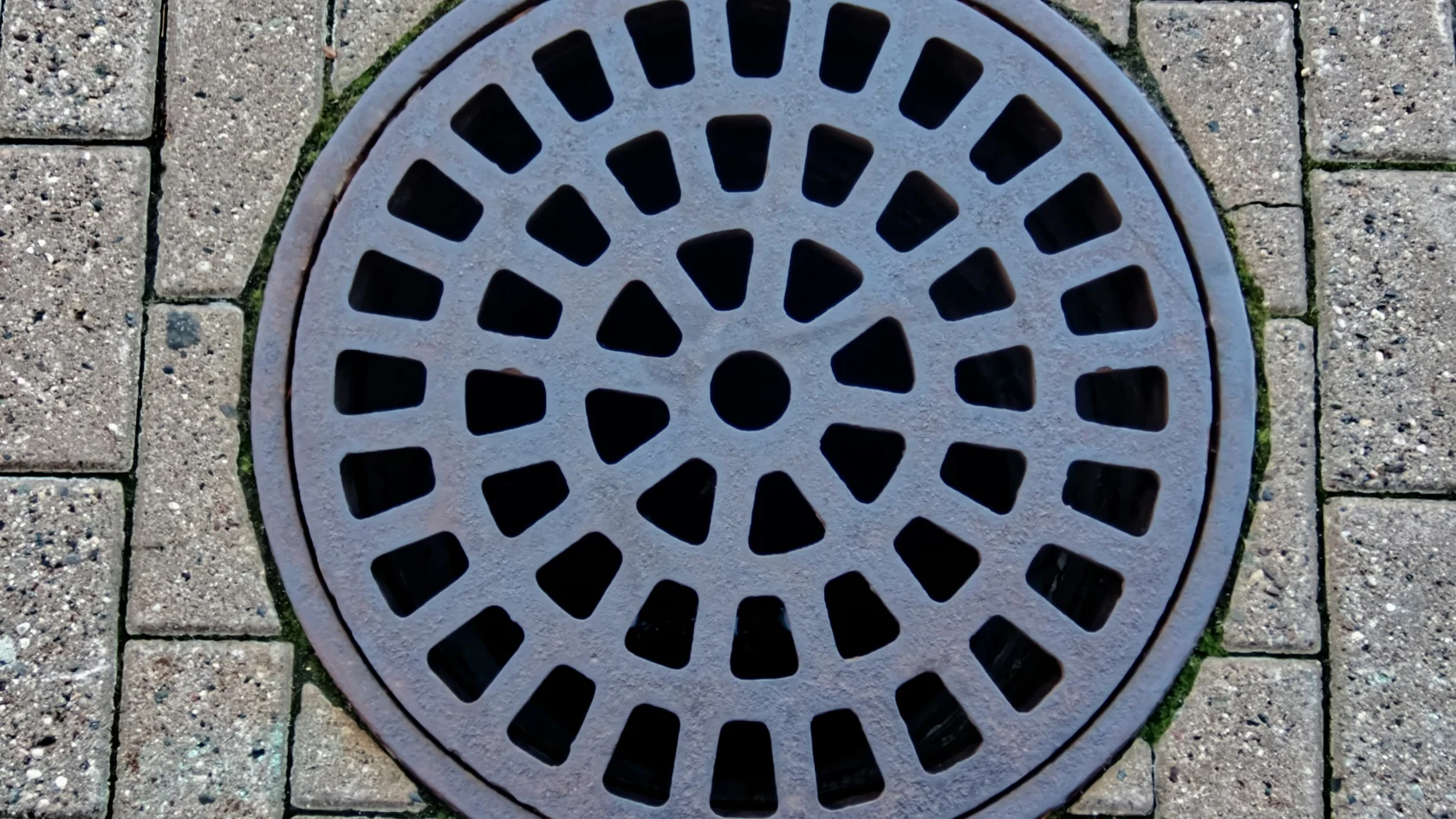
Commercial properties or areas with heavy vehicle traffic often require concrete basins. These are heavy-duty and can withstand significant load requirements. The grate used for these is typically cast iron or galvanized steel to ensure it doesn’t crack under the weight of a cart or truck.
Step-by-Step Guide: How to Install a Drainage Catch Basin

Before you dig, always remember to call before you dig to locate underground utilities. Once you are cleared, follow these steps to plumb your new system correctly.
1. Plan the Location and Flow
Identify the lowest point of your yard or driveway where water naturally collects. You need to plan the path for your underground drainage pipes. The water must flow “downhill” toward the sewer or storm drain. A common rule of thumb is a 1% to 2% slope for the drainage pipe.
2. Excavation and Depth
Make a hole that is somewhat deeper and wider than the actual catch basin structure. The depth should allow for a base of gravel (about 2-4 inches) to provide stability and drainage.
3. Prepare the Basin
Most modern kits come with additional accessories like an adapter to connect PVC or corrugated pipe.
- Equip your basin with debris baskets. These debris baskets for sediment removal make maintenance much easier later on.
- Decide which outlet ports you will use. Most plastic basins have multiple knockout points for different pipe sizes.
4. Setting the Basin and Connecting Pipes
Place the basin in the hole. Use a level to ensure the grate will be flush with the surrounding landscape or pavement. Connect your PVC or corrugated pipe to the outlet using a secure connection. If you are using an inline system, you will connect pipes to both sides of the basin.
5. Backfilling
Tamping it down to prevent future settling, fill the space around the basin with crushed stone or soil. If the basin is in a high-traffic area, pour a concrete collar around the grate to lock it in place.
Contact us today through our form or call +1 (416) 252-5557 for expert plumbing, drain, and related services in Toronto, Etobicoke, Mississauga, and across the GTA.
Understanding Load Classes for Grates
Not all grates are created equal. If you install a pedestrian-rated grate on a driveway, it will fail under the weight of a car. It is also important to choose a load class that matches the expected traffic when choosing a catch basin kit.
- Load Class A: Best for pedestrian traffic, such as walkways, patios, and residential landscapes. These are typically made of plastic or aesthetic steel.
- Load Class B: This is designed for residential driveways and areas with light vehicle traffic. Class often features reinforced plastic cast-iron grates to handle the weight of a standard car.
- Load Class C: Required for commercial parking lots and delivery zones. To withstand heavy trucks and frequent use, these are supported by sturdy iron grates and precast concrete basins.
Advanced Drainage: Integrating Sump Pumps and Atrium Grates
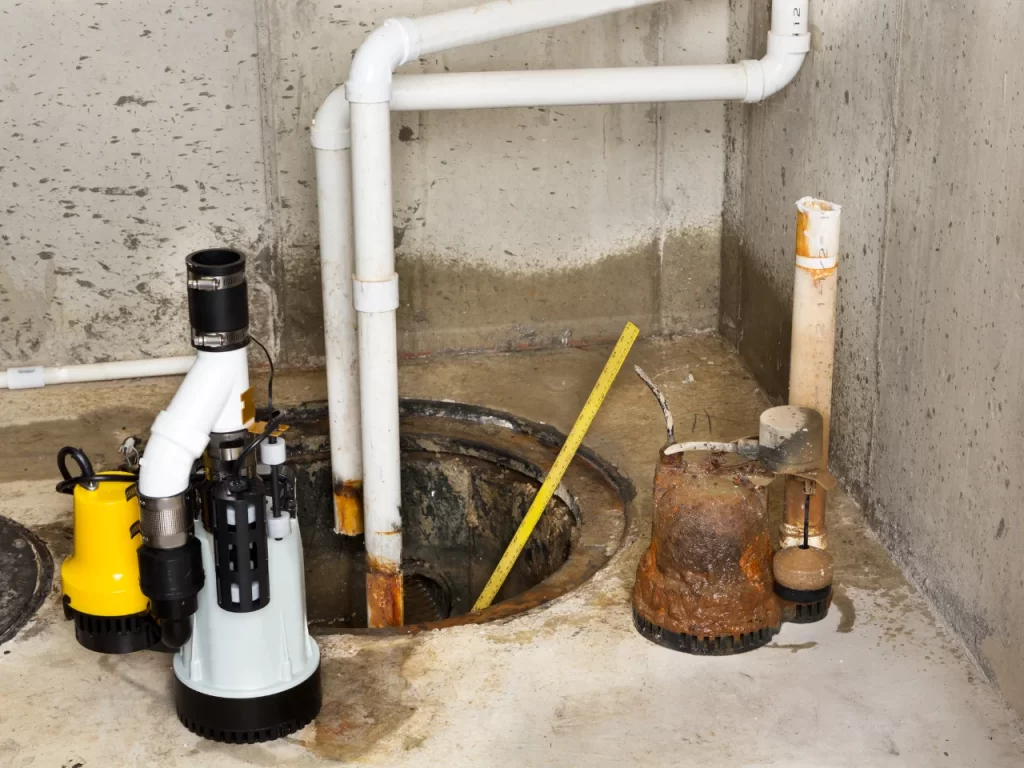
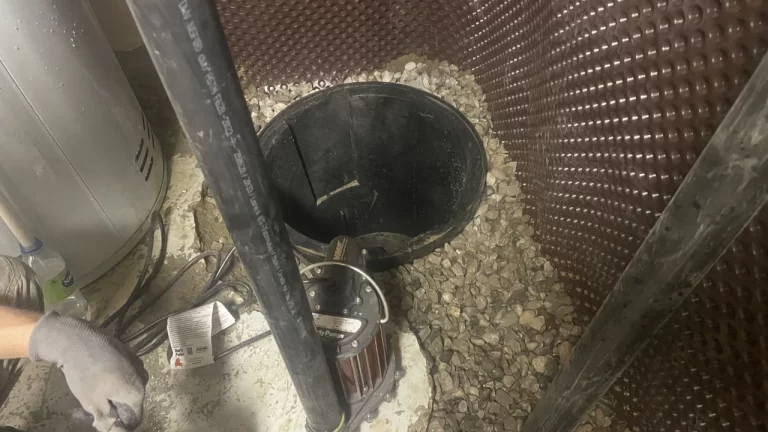
In some parts of Toronto, the soil is so dense (clay-heavy) that gravity isn’t enough to move the excess water. In these cases, you might install a sump pump inside a larger catch basin structure. This sump system actively pumps runoff water to a higher elevation or a street-side storm drain.
For garden areas where leaves are a constant issue, consider an atrium grate. Unlike a flat grate, an atrium grate is domed. An additional layer of protection against clogs is provided by this form, which permits water to enter the drain even in the event that debris builds up around the base.
Maintenance: Keeping Your System Clog-Free
A drainage catch basin is not a “set it and forget it” tool. Because it is designed to catch debris, it will eventually fill up.
- Seasonal Cleanouts: At least twice a year (spring and fall), remove the grate and scoop out the accumulated soil and leaves.
- Inspect the Pipes: Use a garden hose to flush the outlet pipe and ensure there is a clear flow to the sewer.
- Check the Basket: If your unit is equipped with debris baskets, empty them after any major storm.
If you notice foul odours or water lingering in the basin for more than 24 hours, you may have a blockage further down the drainage pipe. This is when it is time to call a professional Toronto plumbing company to perform a camera inspection.
Common Mistakes to Avoid During Installation
Even a lightweight and easy-to-install system can fail if the basics are ignored. Avoid these common pitfalls:
- Wrong Height: Setting the grate too high means water will pool around the basin instead of going into it.
- Poor Compaction: Failing to tamp the soil around the trench can cause the pipe to shift or the basin to sink.
- Incompatible Pipes: Always ensure you have the right adapter to connect your basin to your specific drainage pipe type.
- Ignoring Local Codes: In many parts of the GTA, there are specific regulations about where you can discharge stormwater. Never connect your storm drains directly to a sanitary sewer without checking local bylaws.
How Absolute Draining & Plumbing Can Help

While a DIY catch basin project is possible for a handy homeowner, the complexity of underground drainage in Toronto often requires an expert touch. At Absolute Draining & Plumbing, we have over 20 years of experience protecting GTA homes from flooding and water damage.
Our team of plumbing professionals are always ready to help and assist you with your plumbing needs, whether you need a new manhole installation, a backwater valve to prevent sewer backups, or a custom-designed commercial drainage system. We provide flat-rate pricing so you never have to worry about unstated expenses because we recognize the particular difficulties posed by Toronto’s infrastructure.
Our technicians are certified experts who can handle everything from trench digging to high-tech drain repair using no-dig technology. We even assist with plumbing rebate paperwork to help you save money on flood protection upgrades.
Protect Your Foundation Today
Don’t wait for the next major Toronto storm to find out your drainage is insufficient. A properly installed catch basin is a small investment that prevents thousands of dollars in water damage. From selecting the right polyethylene unit to ensuring a perfect connection to your sewer line, we are the #1 plumbers in Toronto for a reason.
Are you sick of having standing water on your land? For a free consultation, get in touch with Absolute Draining & Plumbing right now. We will evaluate your landscape, choose the optimum drainage option, and deliver a long-lasting, expert installation.
Contact us today through our form or call +1 (416) 252-5557 for expert plumbing, drain, and related services in Toronto, Etobicoke, Mississauga, and across the GTA.