
On a chilly Toronto morning, you get up and go to the kitchen to fill the kettle and turn the handle, but nothing occurs. Instead of a steady stream of water, your kitchen and bathroom fixtures give a weak trickle or, worse, no flow at all.
Frozen pipes are a potential time bomb for your property, not just a morning annoyance. Water inside a pipe expands when it freezes, producing tremendous pressure that can shatter plastic or metal.
In this blog, we will go over how to determine whether your pipes are frozen, how to properly thaw them, important mistakes to avoid, and long-term ways to keep your pipes from freezing during the next cold snap in the Greater Toronto Area.
Contact us today through our form or call +1 (416) 252-5557 for expert plumbing, drain, and related services in Toronto, Etobicoke, Mississauga, and across the GTA.
How to Identify Frozen Pipes Before They Burst
The most immediate sign that you are dealing with a frozen pipe is a sudden water outage or a significant drop in water pressure when it is sub-zero outside. If you turn on a faucet and only a pencil-thin stream of water comes out, there is a high chance of a pipe being obstructed by ice somewhere in your plumbing system.
Other signs that your pipes could be frozen include:
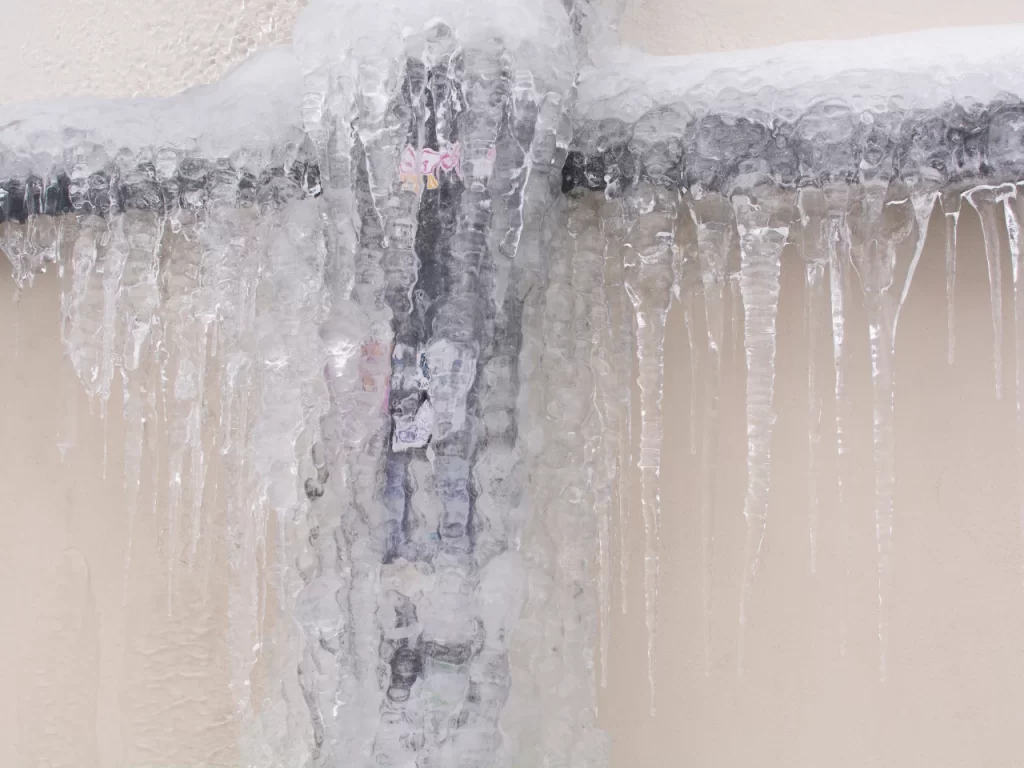
- Frost on the Pipe: If you can see the exposed pipes (like in a basement or crawl space), you might see visible frost on the exterior of the frozen section.
- Odd Smells: If a drain pipe is frozen, it can prevent sewer gases from escaping, leading to strange odours coming from your faucet served by exposed pipes.
- Bulging Pipes: A water pipe is at a high risk of freezing to the point of bursting if it appears somewhat enlarged or deformed. This is because the ice inside has already expanded.
Step 1: Locate the Frozen Area and Act Quickly
Before you can thaw the pipe, you need to find the frozen section. Likely places for frozen pipes include crawl spaces, attics, or areas where water supply lines run along exterior walls with poor insulation.
Oftentimes, the frozen water pipes are located near the water meter or at the point where the water line enters your home. Check the water meter at the point where the water line first enters your home through the foundation. If the water pipe enters your home in a particularly drafty area, that is almost certainly where the ice block has formed. Once you locate the frozen area, you can begin the thawing process, but you must first prepare the system to handle the melting ice.
Step 2: Open Your Faucets and Turn Off the Main Water
Before you apply heat to thaw a frozen line, go through your home and open the faucets. This is crucial because, as the ice melts and water flows, the resulting steam and pressure need an escape route. If the faucets are closed, the pressure buildup could cause a burst pipe even while you are trying to fix it.
Next, you should locate the frozen pipe’s shut-off valve. If you suspect the pipe has already cracked, you must turn off the water at the main water shut-off immediately. This valve is often located near the water meter. By cutting off the water supply at the water main, you ensure that once the ice melts, you won’t have an uncontrolled flood in your basement. If you aren’t sure where your main water valve is, look near the water meter or where the water service pipe enters the building.
Step 3: How to Safely Thaw Frozen Pipes
When you are ready to thaw the pipe, you must do so slowly and safely. Never use a blowtorch, kerosene or propane heater, or any open flame. These are fire hazards and can damage your pipes or the surrounding structure.
Using Controlled Heat Sources
Instead of dangerous flames, use these safer methods to apply heat to the frozen section:
- Hair Dryer: One of the best tools is this one. Starting from the section next to the faucet and working your way toward the colder end, direct the warm air toward the frozen area.
- Electric Heating Pad: You can use an electric heating pad wrapped around the pipe to provide consistent, gentle heat.
- Space Heater: Use space heaters to warm the general area, such as a small bathroom or a utility closet. Ensure you never leave a space heater unattended.
- Heat Tape: For exposed pipes, you can apply electric pipe heat tape, which provides a controlled heater element directly to the water pipe.
Keep the faucet open. As you begin to thaw the pipe, you will notice a pencil-thin stream of water start to flow. Keep the water running; the movement of water will help melt the remaining ice inside the pipe.
Step 4: Dealing with Hidden Frozen Pipes
Sometimes the pipes freeze inside a wall or ceiling where you cannot reach them. If the pipes are frozen behind drywall, you have a few options:
- Turn up the Thermostat: Increase the heat in the house and wait.
- Infrared Lamps: You can place an infrared lamp in front of the wall where the pipes run. The heat may penetrate the wall enough to thaw the pipe.
- Open Cabinet Doors: To let warmer air travel around the pipes, open the cabinet doors in the kitchen and bathroom. This little procedure facilitates the transfer of ambient heat from the house to the water supply lines.
If these methods don’t work, you may need to cut a small section of the wall to access the frozen water directly. If you aren’t comfortable doing this, it is time to call a professional plumber.
Why You Should Never Use Kerosene or Propane Heaters
It might be tempting to use a heavy-duty kerosene or propane heater to warm up a freezing basement quickly, but this is extremely dangerous. These heaters produce carbon monoxide and pose a massive fire risk in confined crawl spaces. Stick to products made to insulate water or UL-approved electric space heaters.
Additionally, boiling water within a sealed part of a frozen pipe with an open flame, such as a blowtorch, can result in an explosion. Additionally, it can burn the insulation surrounding the water line or melt the solder on copper pipes. Professional Toronto plumbing experts like Absolute Draining & Plumbing always prioritize safety over speed.
Checking for Additional Frozen Pipes and Damage
Once you have successfully restored running water through the pipe, don’t stop there. If one pipe froze, there is a high probability that additional frozen pipes exist in other cold areas of your home.
Check every faucet in the house. Inspect the water meter to see if it is spinning even when all faucets are off; this is a sign of a hidden burst pipe. Look for signs of water damage on your ceilings or floors. Even a small hairline crack in a water line can lead to thousands of dollars in repairs if left unaddressed. If you suspect a leak, shut off the water at the main water line immediately and call for a water service repair.
Contact us today through our form or call +1 (416) 252-5557 for expert plumbing, drain, and related services in Toronto, Etobicoke, Mississauga, and across the GTA.
How to Prevent Your Pipes from Freezing in the Future
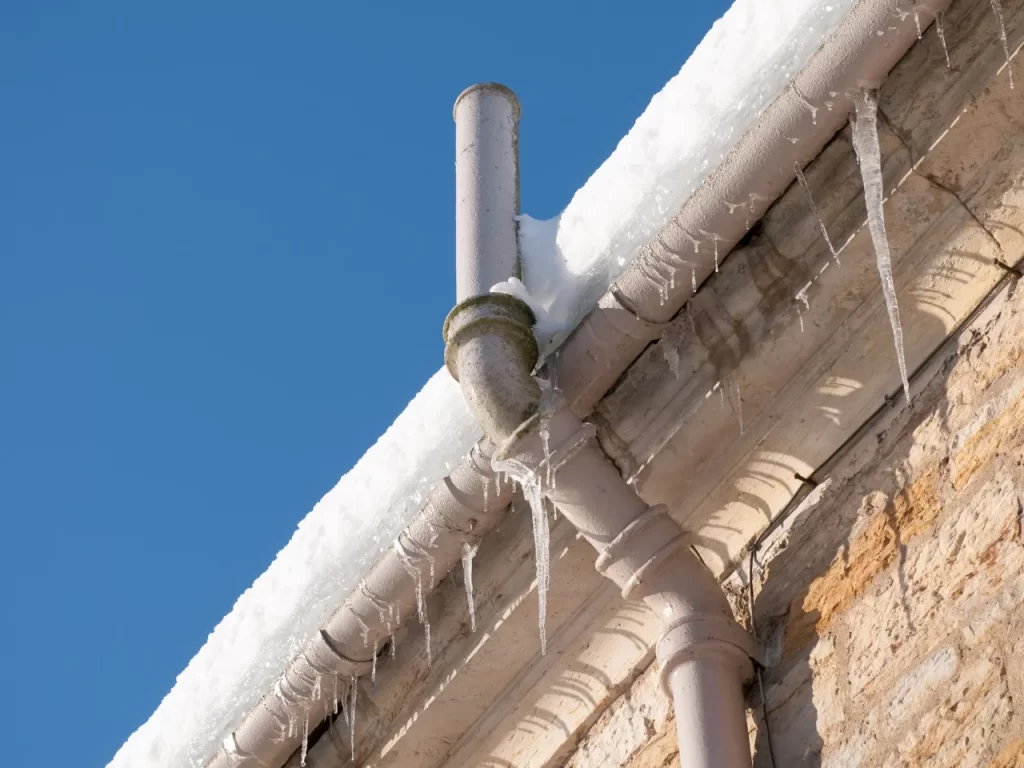
Prevention is always cheaper than a 2 AM emergency plumber visit. To protect your pipes from freezing, you need to address both the temperature and the insulation of your home.
Practical Tips to Prevent Frozen Pipes
- Insulate Your Pipes: Use products made to insulate water pipes, such as foam sleeves or fibreglass wrap. Focus on exposed pipes in unheated areas like the garage or basement.
- Seal Air Leaks: In your house, look for air leaks close to the water line entry. Gaps where cold air blows straight onto your water supply can be sealed with caulk or spray foam.
- Let the Cold Water Drip: On nights when the temperature drops below -15°C, let the cold water drip from the faucet furthest from the water main. Even a tiny drip keeps the movement of water constant, which makes it much harder for ice to form.
- Maintain Consistent Heat: Keep the thermostat set to the same temperature during the day and night. If you are going away for the winter, ensure the temperature is set to the same temperature—no lower than 55° Fahrenheit (roughly 13°C).
- Open Cabinet Doors: Keep the cabinets in your kitchen and bathroom open to let warm air circulate during periods of extreme cold.
Winterizing Outdoor Water Features and Faucets
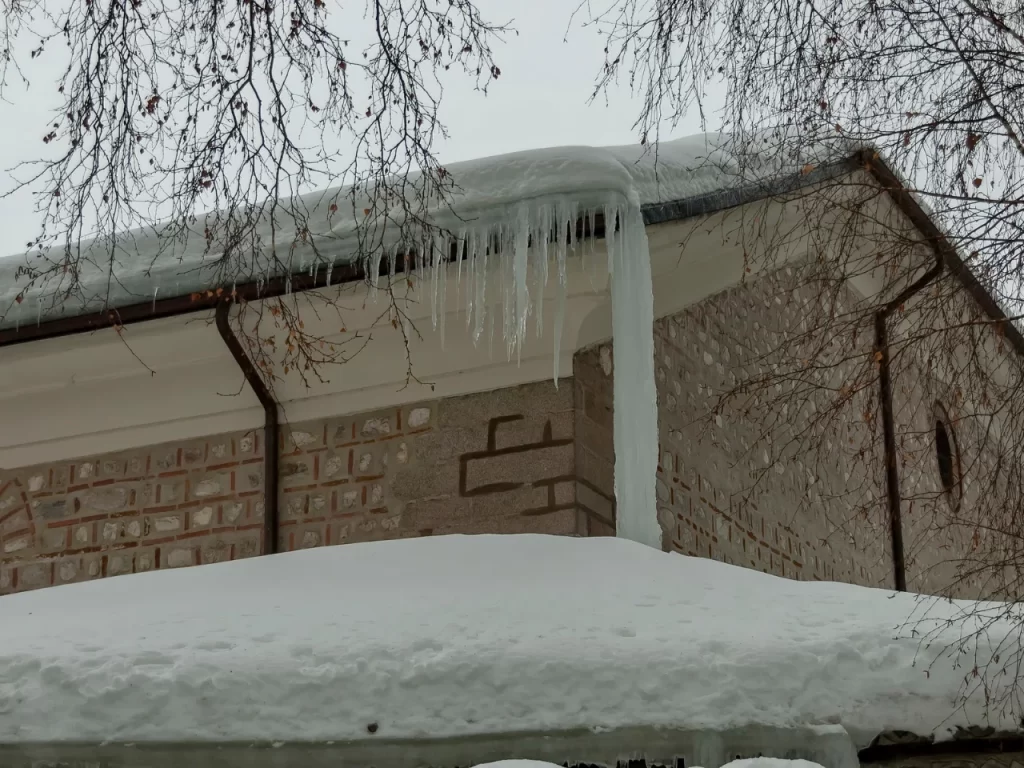
Don’t forget your outdoor water sources. Before the first frost, you should always:
- Disconnect all garden hoses.
- Close the indoor valve that leads to the outdoor faucet.
- To let any leftover water out, open the exterior faucet.
If you have water features or irrigation systems, ensure they are fully blown out with compressed air to prevent pipes from freezing and cracking underground.
When to Call a Professional Toronto Plumber
While many homeowners can thaw a frozen pipe on their own, there are times when you need an expert. At Absolute Draining & Plumbing, we have seen the devastating effects of water damage caused by DIY attempts gone wrong.
You should call a plumber if:
- You cannot locate the frozen area.
- The frozen section is completely inaccessible behind a structural wall.
- The pipe has already burst (you see water spraying or leaking).
- You are uncomfortable using heating tools near your plumbing.
Our team uses advanced leak detection and “no-dig” technology to handle even the toughest drain repair or water line issues. With over 20 years of experience in the GTA, we know exactly where pipes run in Toronto’s unique older homes and how to keep your pipes safe all winter long.
Upgrading Your Water Service for Better Protection
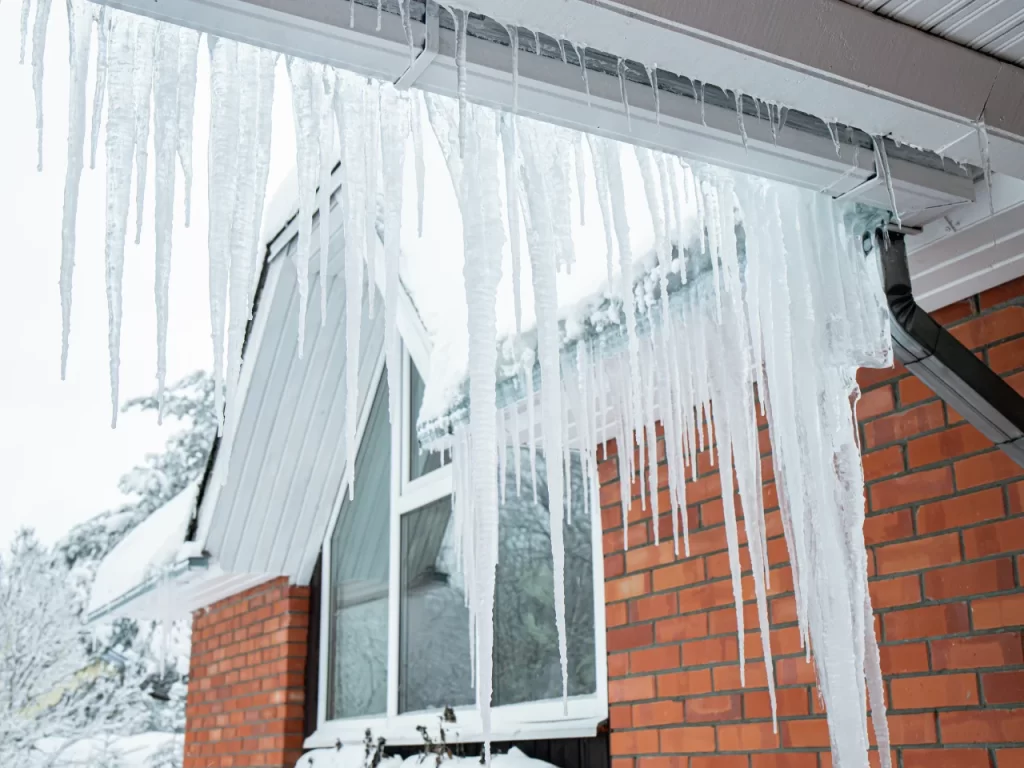
Your water line enters your home through outdated lead or galvanized pipes if you reside in an older Toronto property. These pipes are more prone to leaks and temperature variations. A water service upgrade can not only improve your water pressure but also allow us to insulate pipes properly as they enter the foundation.
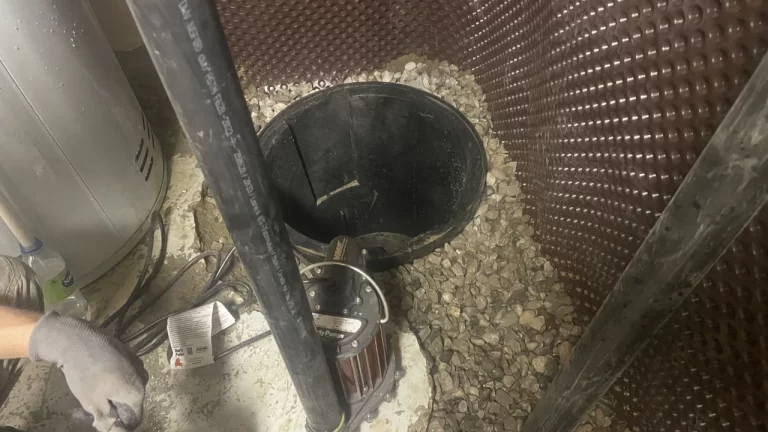
In order to shield your basement from the “spring thaw” flooding that frequently occurs after a hard winter, we may additionally install a sump pump and a backwater valve. By taking these actions now, you can raise the value of your property and help avoid future emergencies.
Don’t Let a Frozen Pipe Turn Into a Flood
Dealing with frozen pipes is a race against time. The chance of freezing the entire line and creating a disastrous burst pipe increases with the length of time the water is frozen. You may frequently fix the problem before harm happens by following the above instructions, shutting off the main water supply, opening your taps, and using mild heat.
However, if you are currently facing a water outage, suspect a leak, or simply want to prevent your pipes from freezing before the next big storm, Absolute Draining & Plumbing is here to help.
Contact us today through our form or call +1 (416) 252-5557 for expert plumbing, drain, and related services in Toronto, Etobicoke, Mississauga, and across the GTA.