If your home was built or renovated between the late ’90s and mid-2000s, there’s a chance you may have Kitec plumbing hiding behind the walls—something many homeowners only discover after a leak or a burst pipe.
Kitec plumbing became popular in Canada because it was affordable, flexible, and easier to install than copper. But over time, homeowners and plumbing experts began seeing major issues like corrosion, leaks, and premature pipe failures. Today, knowing how to identify Kitec plumbing is essential for protecting your home and avoiding costly water damage.
In this blog, we’ll explain what Kitec plumbing is, how to spot it, why it fails, what you need to know about the class action lawsuit, and what steps to take if your home is affected. You’ll learn the common signs, where to look, what fittings to check, how it impacts insurance, and why the safest solution is usually to replace Kitec plumbing entirely.
Contact us today through our form or call +1 (416) 252-5557 for expert plumbing, drain, and related services in Toronto, Etobicoke, Mississauga, and across the GTA.
What Is Kitec Plumbing?
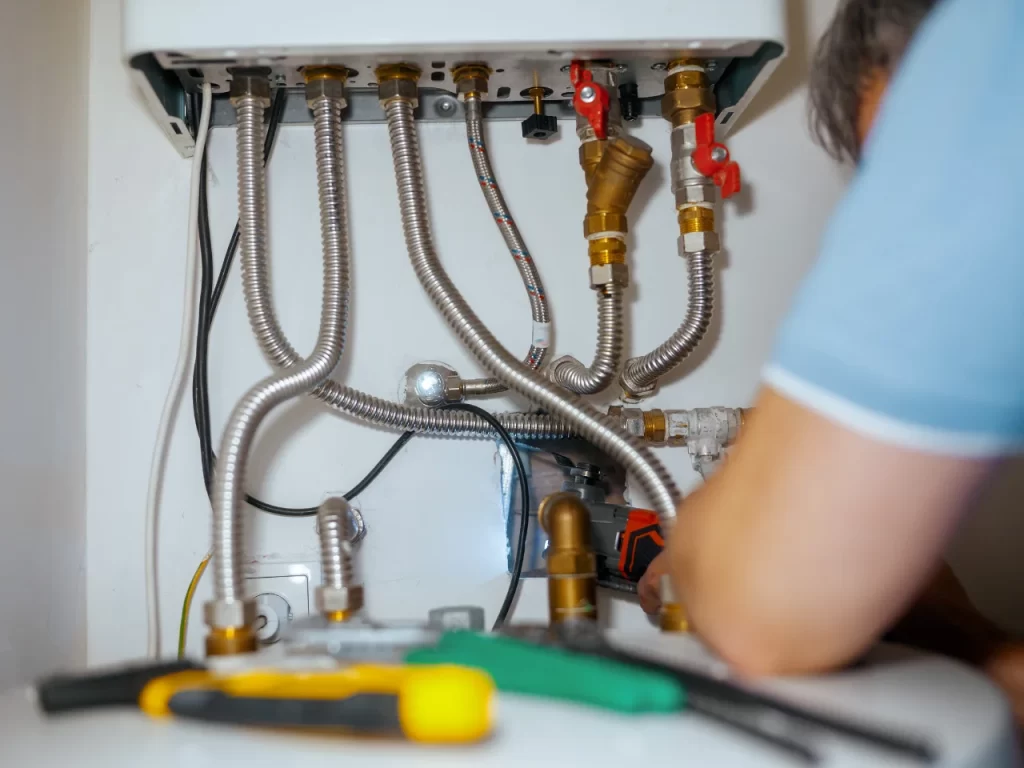
Kitec is a type of water pipe commonly installed in homes across Canada and the United States between 1995 and 2007. Many homeowners were told it was a great alternative to copper—cheaper, easy to install, flexible, and certified for hot and cold water use.
The system usually consists of:
- Blue pipes for cold water
- Orange pipes for hot water
- A layer of aluminum sandwiched between two layers of polyethylene
- Brass fittings connecting the pipes
Kitec pipes were also used in various heating systems, including in-floor radiant heating, hot water baseboard heaters, and under-floor heating systems.
On paper, it looked like a solid material. In reality, it wasn’t durable enough to withstand the demands of typical plumbing use—especially near the hot water tank and water heater where temperatures ran high.
Why Did Kitec Plumbing Fail?
The biggest issue was the brass fittings, which were made from an alloy of copper and zinc. Over time, dezincification occurred—meaning the zinc separated from the fittings when exposed to oxygen and moisture. This caused:
- Corrosion
- Blockages in the pipes
- Restrictions in water flow
- Leaks
- Burst pipes
Many failures occurred as early as 2005, which led to widespread water damage across North America.
Because of the severe deterioration of Kitec plumbing, a $125 million settlement fund was created through a class action lawsuit for affected homeowners in Canada and the United States. If you own a home with Kitec, you may have heard of the Kitec settlement, but those funds have since reached final allocation of settlement funds—and many homeowners today are left paying out of pocket for replacement.
How to Identify Kitec Plumbing in Your Home
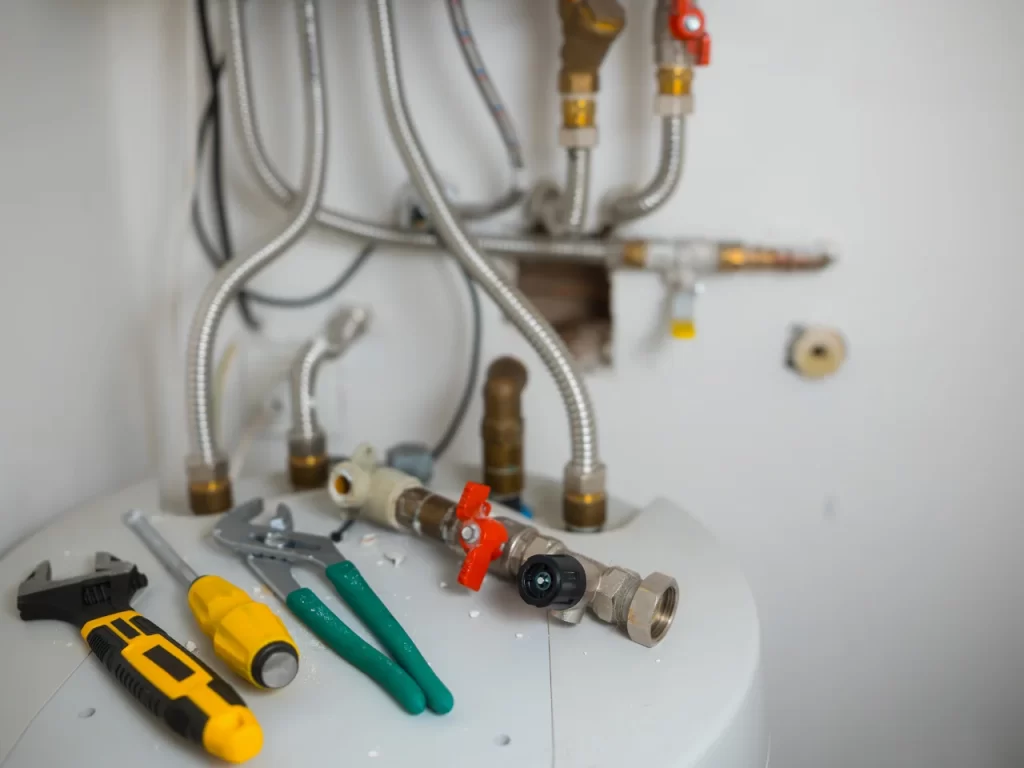
If you’re buying a home, selling a home, or simply want peace of mind, it’s important to know how to identify Kitec plumbing accurately. Homeowners, potential buyers, and even some insurance companies look for clear evidence of whether a property is fitted with Kitec plumbing.
Below are the most reliable signs to check.
1. Look for Blue and Orange Pipes
The most common way to identify Kitec plumbing is by colour. The system usually consists of:
- Blue pipes – These carry cold water.
- Orange pipes – These carry hot water and were only certified to run at a maximum temperature of 82 degrees Celsius.
If you find these colours around your water heater, hot water tank, or main water supply line, there’s a strong chance you have Kitec pipes.
Check around:
- Basement ceiling joists
- Utility rooms
- Near the water heater
- Around the hot water tank
- Exposed pipes under kitchen or bathroom sinks
- Furnace rooms
- Mechanical rooms
Kitec pipes were often installed in homes between 1995 and 2007, so houses built or renovated during that time should be inspected closely.
2. Look for the Kitec Brand Stamping or Codes
Even if the pipes are not bright blue or orange anymore, you can still identify the system by the markings on the pipe.
Common labels include:
- Kitec
- KTC
- IPEX
- XPA
- CSA B137.9/10
- ASTM F1974
- ASTM 1281
- Kitex XP
- AmbioComfort
- AQUA
- PlumbBetter
- WarmRite
If any of these words appear on your plumbing, it’s a strong signal that your home is fitted with Kitec plumbing.
3. Check for Brass Fittings Showing Corrosion
The brass fitting is where most failures occur. These fittings often:
- Turn white or chalky
- Show visible corrosion
- Form blockages inside the pipe
- Restrict water flow
- Lead to small leaks or sudden burst pipe events
Because the fittings used an alloy of copper and zinc, they corroded quickly when exposed to oxygen and moisture—especially in areas where hot water ran frequently.
If your fittings show signs of deterioration, the Kitec plumbing system may already be failing.
4. Look for a Yellow Sticker Inside the Electrical Panel
Many homeowners don’t expect to check the electrical panel, but it’s actually one of the most common indicators.
If your home has Kitec plumbing, you may find a yellow sticker saying:
“Caution: This building has non-metallic interior water piping.”
Kitec pipes cannot serve as grounding for electrical systems because they’re made from polyethylene, not metal. Builders added this sticker to warn electricians during inspections or repairs.
5. Check for Issues With Your Water Flow or Hot Water System
Homes affected by Kitec plumbing often experience:
- Reduced water flow
- Tap water taking longer to heat
- Inconsistent pressure
- Unexplained leaks
- Hot water problems
- Frequent repairs around the sink, kitchen or bathroom
These problems happen because corrosion forms blockages inside the pipes and fittings, especially in areas close to the water heater or hot water tank.
If you notice these symptoms, a plumber or certified home inspector should take a look at your system.
6. Ask What Type of Plumbing Is in the Home (If You’re Buying or Selling)
Buying a home with Kitec plumbing is a major decision—not just for cost reasons, but because:
- Some insurance companies may refuse to insure your home.
- Others may require you to replace Kitec plumbing immediately.
- You cannot lie to your insurance broker about pipe types.
- Mortgage lenders may raise concerns.
- A future buyer may walk away from the deal.
If you’re buying a home, always ask:
- “Is this home fitted with Kitec plumbing?”
- “Has the seller disclosed any issues with the plumbing system?”
- “Was the home built or renovated between 1995 and 2007?”
A certified home inspector should identify Kitec plumbing during the home inspection, but it’s still wise to know what kind of plumbing is in place before finalizing the purchase.
Contact us today through our form or call +1 (416) 252-5557 for expert plumbing, drain, and related services in Toronto, Etobicoke, Mississauga, and across the GTA.
Is Your Home Affected by Kitec Plumbing? Here’s What You Need to Know

Kitec systems can last for years without symptoms, but once deterioration starts, the risk of leaks or a burst pipe increases quickly. That’s why homeowners are advised to take action early.
Why Insurance Companies Don’t Like Kitec Plumbing
Insurance companies are cautious because:
- Kitec systems have a known history of failure.
- A burst pipe can cause severe water damage.
- Claims related to Kitec plumbing are expensive.
Some insurers may increase premiums, require full replacement, or deny coverage entirely unless you upgrade your system.
Understanding the Kitec Class Action Settlement
A class action lawsuit was filed because of widespread failures in Kitec pipes and fittings. The settlement fund, worth $125 million, covered damages for affected homeowners.
Key details:
- Claims involved homes in Canada and the United States.
- Failures often occurred around 2005.
- The final allocation of settlement funds has already happened.
- Many homeowners today are not eligible for compensation.
Even if your home qualifies, the settlement never guaranteed full reimbursement.
Should You Replace Kitec Plumbing?
If your home still has Kitec plumbing, most plumbing experts agree that the safest solution is to replace your plumbing completely. Leaving it in place puts your home at ongoing risk.
Why replacement is recommended?
- Prevents costly water damage
- Avoids the risk of a pipe bursts
- Protects your home’s value
- Helps secure home insurance
- Provides long-term peace of mind
The cost of replacing Kitec plumbing varies depending on:
- Size of your home
- Length of piping
- How much drywall must be removed
- Number of bathrooms and fixtures
A typical range is $2,000 and up, depending on the full scope of the work. Though it’s an investment, it’s far cheaper than dealing with flooding or major repairs from Kitec pipe failure.
Why You Should Get a Professional Inspection
A professional plumber or certified home inspector can:
- Confirm the existence of Kitec plumbing
- Check for corrosion or blockages
- Assess the condition of fittings
- Inspect areas near the hot water tank
- Review your under-floor heating systems
- Provide a replacement estimate
- Offer plumbing solutions tailored to your home
If you suspect your home is fitted with Kitec plumbing, don’t wait until a malfunction in your plumbing system causes damage. A professional inspection gives you clarity and helps you plan next steps.
Protect Your Home by Knowing How to Identify Kitec Plumbing
Whether you’re a homeowner, a potential buyer, or someone maintaining an older Toronto property, knowing how to identify Kitec plumbing is essential. This system may look harmless at first, but deterioration can happen quietly behind the walls—leading to leaks, reduced water flow, or burst pipes that damage your home and belongings.
If your home has blue or orange pipes, brass fittings with corrosion, markings like Kitec or ASTM 1281, or a sticker inside the electrical panel, it’s worth getting the system inspected. And if you discover Kitec plumbing, the safest long-term solution is to replace it with modern materials that protect your home.
Absolute Draining & Plumbing has over 20 years of experience helping Toronto homeowners replace aging systems, avoid water damage, and restore their plumbing to a safe and reliable condition. If you want a professional inspection or need advice about replacing Kitec plumbing, our plumbing experts are here to help.
Contact us today through our form or call +1 (416) 252-5557 for expert plumbing, drain, and related services in Toronto, Etobicoke, Mississauga, and across the GTA.