When your shower suddenly turns cold in the middle of winter, it’s a quick reminder of just how important and reliable hot water is. Like any major household equipment, a tankless water heater may provide hot water on demand, but it only functions at its best when properly maintained.
A tankless water heater (also known as an on-demand or instantaneous water heater) is a high-efficiency appliance designed to give you an endless supply of hot water. But over time, mineral buildup, sediment, and scaling can slow it down, reduce water flow, and shorten its lifespan. That’s why tankless water heater maintenance is essential for every Toronto homeowner, especially in areas with hard water.
In this blog, we’ll walk you through everything you need to know about maintaining a tankless water heater. You’ll learn why routine maintenance matters, how often to flush your tankless unit, how to clean filters and valves, what equipment to use, and when it’s best to call a professional.
Contact us today through our form or call +1 (416) 252-5557 for expert plumbing, drain, and related services in Toronto, Etobicoke, Mississauga, and across the GTA.
Why Tankless Water Heater Maintenance Matters
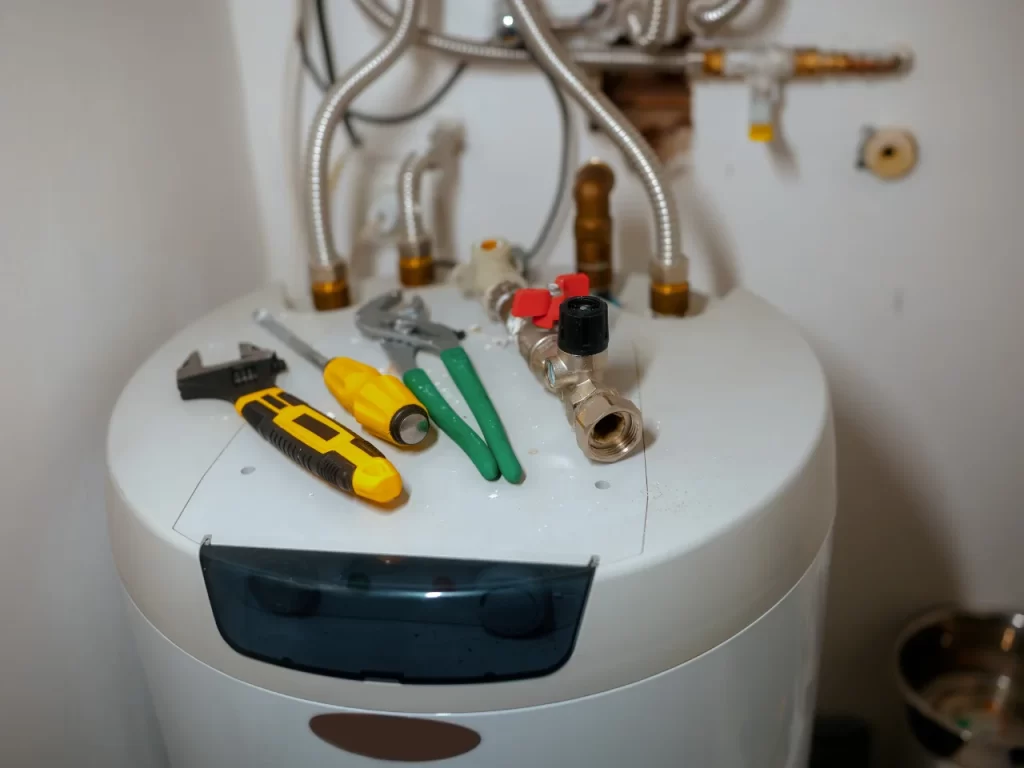
Tankless water heaters typically offer many advantages over traditional tank-style systems: better efficiency, lower operating costs, and hot water on demand. But these benefits only last when the unit is properly maintained. Regular maintenance protects the heat exchanger, keeps your water flow steady, and prevents sediment or limescale from wearing down the system.
How Hard Water Affects Your Tankless System
Toronto and many nearby communities have hard water, meaning the water supply contains a high concentration of minerals such as calcium and magnesium. When hard water passes through your tankless heater:
- Minerals turn into scale inside the heat exchanger
- Deposits build up along the water flow path
- Valves start to clog
- Heat transfer becomes less efficient
Over time, this mineral buildup can restrict water flow and make the heater work harder than it should. If you don’t remove the buildup, you may eventually face overheating, error codes, water pressure issues, or even premature breakdown.
Tankless Water Heaters Require Routine Maintenance
Properly maintaining a tankless water heater is not optional — it’s necessary to ensure your appliance runs efficiently and safely. Routine maintenance prolongs the life of your water heater and safeguards your investment, frequently extending its service life by several years.
Most manufacturers recommend annual maintenance, although homes with very hard water may require flushing every six months. Without routine maintenance, your warranty may also be voided, especially if the manufacturer’s recommendations are ignored.
Understanding How a Tankless Water Heater Works
Before diving into maintenance tips, it’s helpful to know how these systems work. A tankless heater warms water only when needed, using either gas burners or electricity. Instead of holding tank water like a traditional water heater tank, the system activates when you turn on the hot water valve.
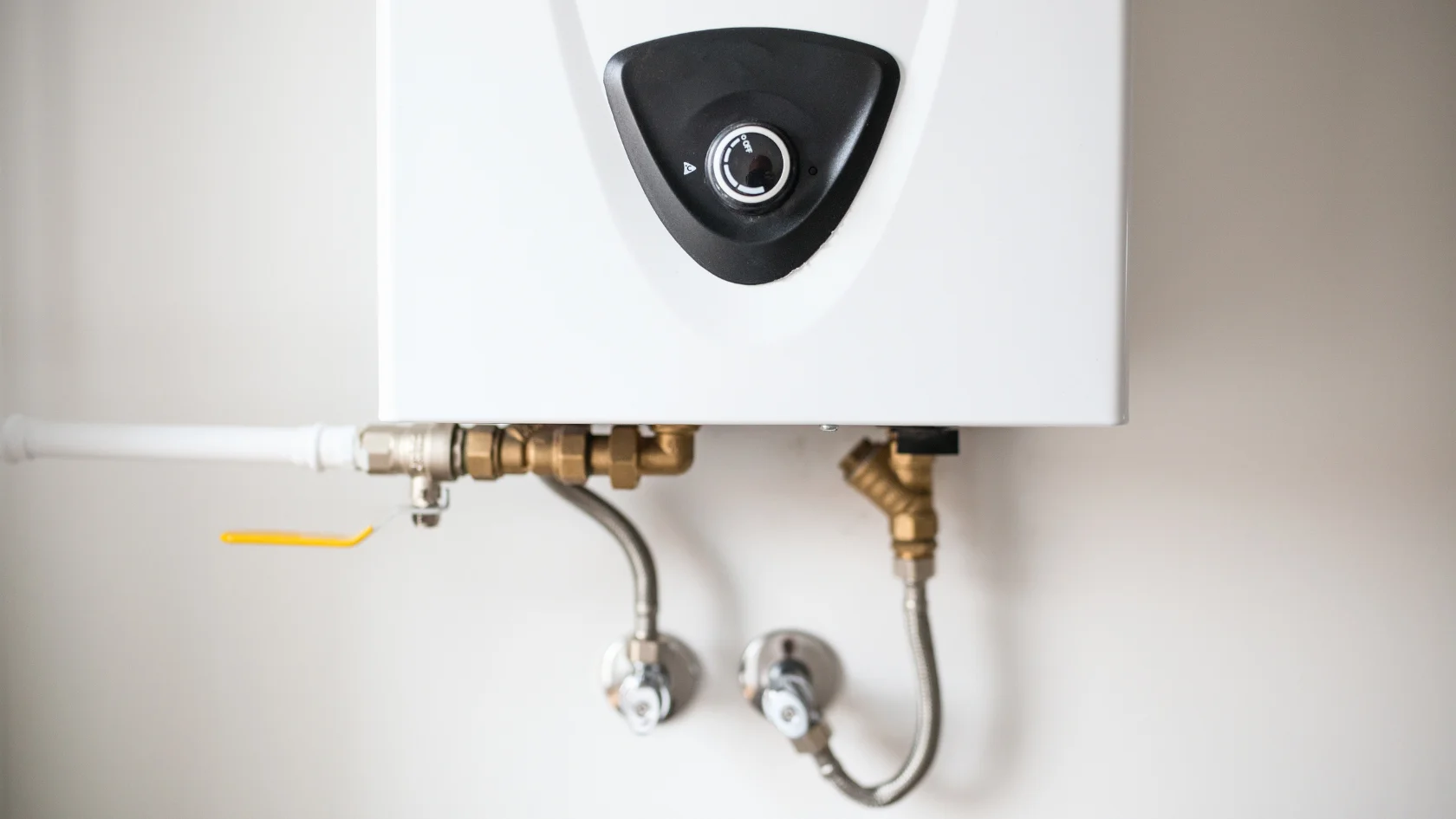
Key Components That Require Maintenance
Tankless units include several critical parts that must stay clean:
- Heat exchanger – Transfers heat to your water; mineral deposits form here most often
- Cold water valve / hot water valve – Allow water supply control
- Service valves – Used during flushing
- Water filter – Traps debris and sediment
- Purge valves / port valves – Allow isolation of the heater during maintenance
- Recirculation pump – Helps circulate water in some systems
If any of these components get blocked or coated with limescale, the performance drops and the heater may not function properly.
Signs Your Tankless Water Heater Needs Maintenance
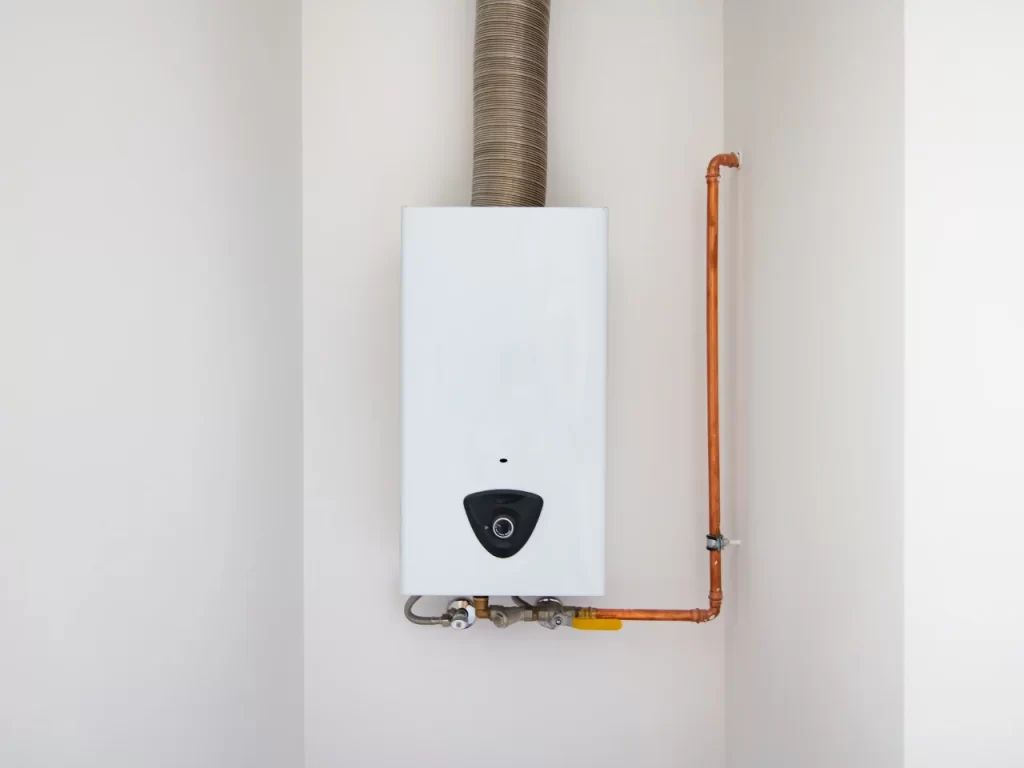
Most homeowners notice subtle clues that their tankless hot water heater needs attention. If you see any of these signs, it’s likely time for routine maintenance:
- Reduced water flow. Mineral buildup restricts pipes and valves, slowing the water pressure and making it harder to get a steady supply of hot water.
- Water temperature fluctuations. If the heater is struggling to keep water hot, there may be scale buildup in the heat exchanger.
- Strange noises. A boiling or rumbling sound can indicate trapped deposits inside the unit.
- Error codes on the display. Most modern tankless systems will notify you when a maintenance issue arises.
- Slower delivery of hot water. If hot water takes longer to reach your tap, your heater may not be operating efficiently.
- Cloudy or odourous water. Sediment buildup or bacteria in the pipes can cause discolouration or smell.
When you spot these signs, flushing or descaling the tankless system is often the solution.
How Do You Know It’s Time for Tankless Water Heater Maintenance?
The ideal maintenance schedule depends on:
- The hardness of your water
- The frequency of use
- The manufacturer’s recommendations
- Whether you have a water softener
General Guidelines:
- Every 12 months – Most Toronto homes should flush their tankless heater annually
- Every 6 months – For homes with very hard water or no water softener
- Every 2 years – If your water is naturally soft or if you have an installed water softener
Even if you have soft water, filters still need cleaning, and valves still need inspection. Annual maintenance is the safest bet to ensure your tankless heater is working at its best.
Supplies You Need to Flush a Tankless Water Heater
Before you flush your tankless water heater, gather the right materials. For safe and effective descaling, you’ll need:
- A submersible pump (often called a sump pump)
- A 20-litre bucket
- Two hoses (0.6–1.2 metres in length)
- Distilled white vinegar (about 11 litres)
- A screwdriver to remove the access panel
- Service valves or port valves
- A drain access point
These are the same basic supplies professionals use when performing tankless water heater maintenance.
Step-by-Step Guide: How to Flush a Tankless Water Heater
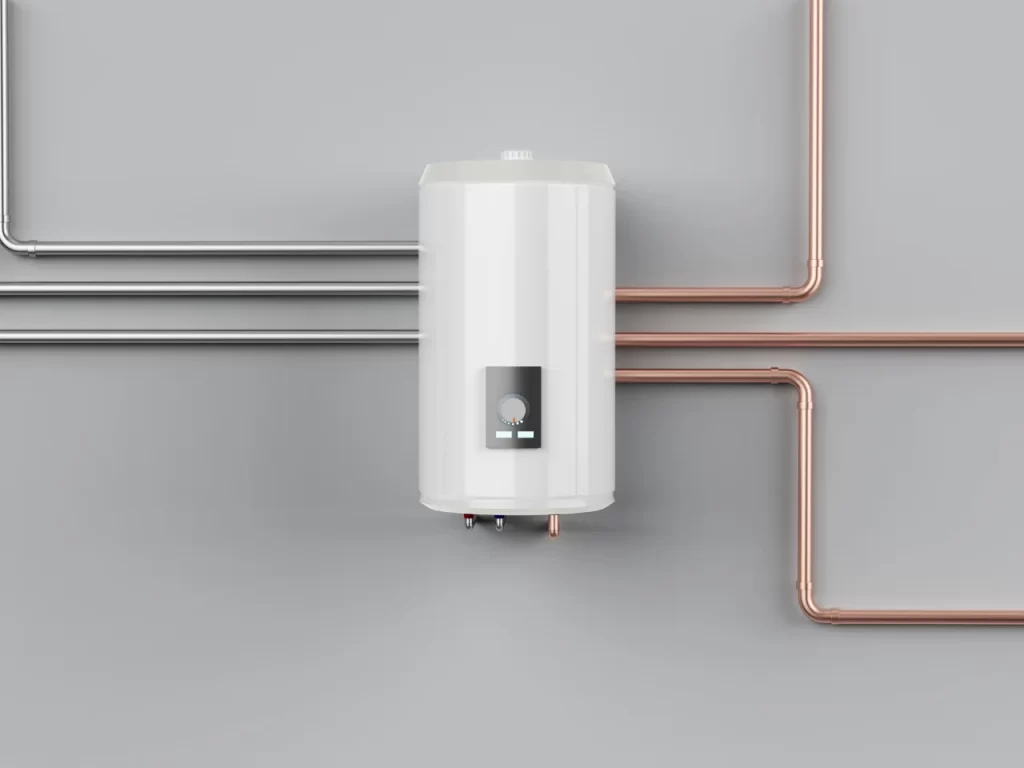
Flushing (or descaling) is the most important part of maintaining a tankless water heater. This process removes mineral deposits and helps maintain a healthy water flow.
Here’s a simplified walkthrough to help you understand how flushing works. While many homeowners can do this themselves, others prefer hiring professionals to ensure everything is done correctly.
Step 1: Turn Off the Power and Water Supply
Before starting any maintenance:
- Turn off the gas supply for gas tankless water heaters
- Trip the breaker for electric water heaters
- Shut off the cold water valve and hot water valve
- Allow the system to cool down if it has been recently used
This prevents water from entering the system while you’re flushing it.
Step 2: Connect the Hoses to the Service Valves
Most tankless heaters come with built-in service valves specifically designed for routine maintenance.
- Connect one hose to the cold water service valve
- Connect the other hose to the hot water service valve
- Attach one hose to your submersible pump
- Place the pump inside the bucket
Make sure the hoses are secure and there are no leaks before moving to the next step.
Step 3: Add White Vinegar
Pour approximately 11 litres of white vinegar into the bucket. Vinegar is mild enough to prevent internal component harm while being acidic enough to dissolve mineral deposits.
Step 4: Circulate the Vinegar
Turn on the pump to circulate vinegar through the tankless heater.
- Let the pump run for 45–60 minutes
- The vinegar will move through the cold water inlet, heat exchanger, and hot water outlet
- This process removes sediment and mineral buildup
If the water turns cloudy quickly, your heater may have heavy scale buildup. In such cases, a longer flush or a second cycle may be needed.
Step 5: Drain and Rinse
Once descaling is complete:
- Turn off the pump
- Drain the vinegar
- Fill the bucket with clean water
- Run the pump again for 5–10 minutes to rinse the system
This clears any leftover vinegar and ensures your water system is ready for use.
Step 6: Disconnect and Restore the System
After the rinse cycle:
- Turn off the cold and hot water service valves
- Remove the hoses
- Turn the water supply back on
- Restore electricity or gas
- Check for leaks
Now that it has been flushed, your tankless water heater is prepared to provide hot water whenever you need it.
Contact us today through our form or call +1 (416) 252-5557 for expert plumbing, drain, and related services in Toronto, Etobicoke, Mississauga, and across the GTA.
Additional Steps for Tankless Water Heater Maintenance
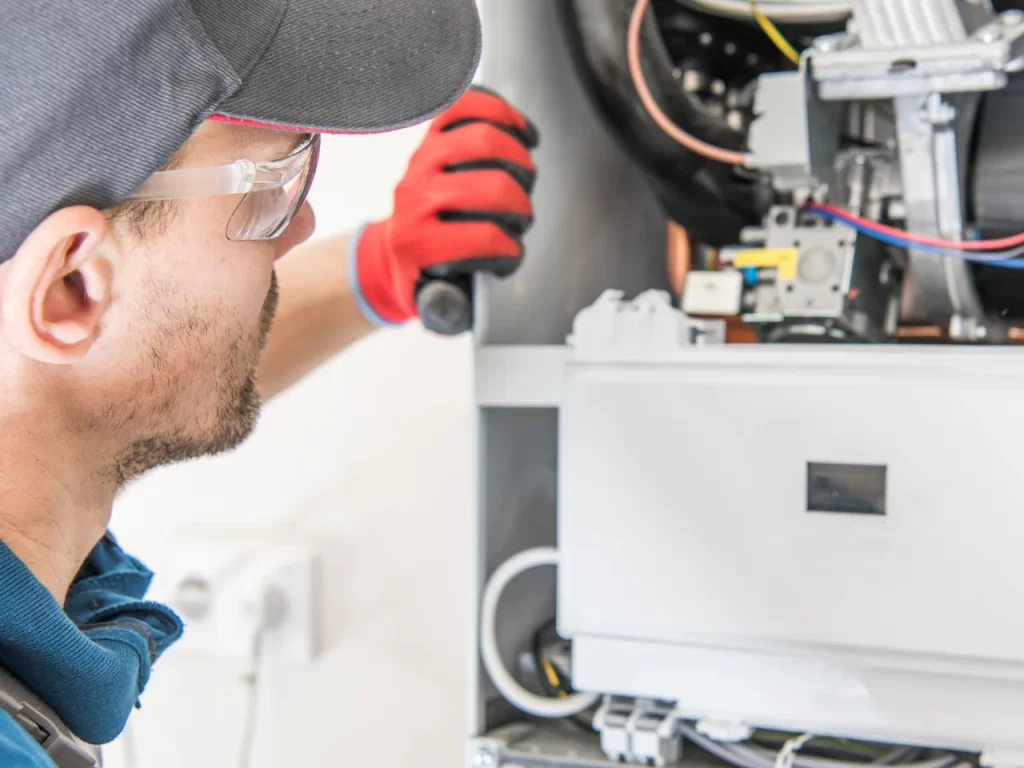
While flushing your tankless heater is essential, there are other tasks that should be part of your regular maintenance routine.
1. Clean the Water Filter
Tankless heaters usually have a small filter near the cold water inlet. It traps debris, sediment, and particles.
To clean it:
- Shut off the cold water valve
- Remove the filter
- Rinse it under running water
- Reinstall it securely
If the filter becomes clogged, your water pressure may drop significantly.
2. Inspect the Pressure Relief Valve
The valve plays a critical safety role by releasing excess pressure. Make sure it opens and shuts properly and isn’t blocked by scale or corrosion.
3. Check the Recirculation Pump (If Installed)
A recirculation pump is included in some systems to expedite the delivery of hot water. Keep an ear out for strange noises, make sure the wiring is intact, and check that the pump is circulating water correctly.
4. Examine the Venting System
For safety hazards, gas tankless water heaters must have adequate venting. Check the vent pipes for corrosion, disconnections, or cracks.
4. Inspect Water Valves and Connections
Look for:
- Loose fittings
- Drips
- Corrosion
- Slow leaks around valves
Even a small leak can grow over time and damage other components.
Water Softener Benefits for Tankless Heaters
Installing a water softener dramatically reduces mineral buildup and lengthens your heater’s service life. A softener removes hardness minerals, slows scaling, and reduces the frequency of maintenance required.
You may need fewer maintenance cycles per year if you have a water softener, but you should still inspect your tankless heater regularly.
When to Call a Professional for Tankless Water Heater Maintenance
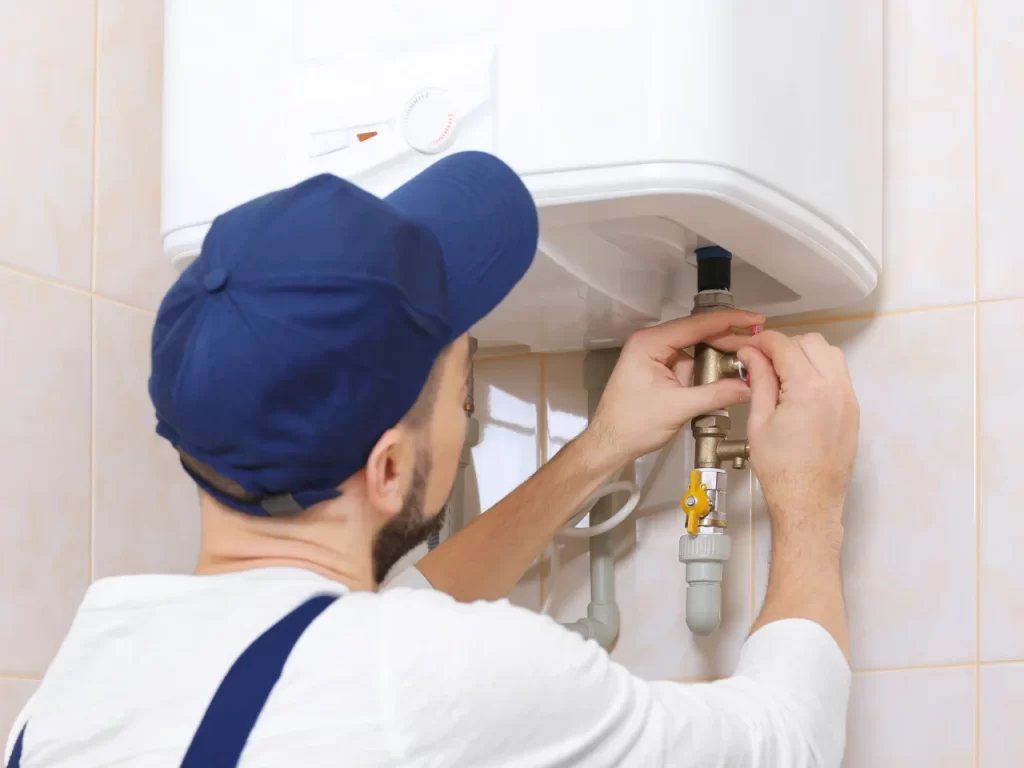
While many homeowners can flush a tankless unit themselves, there are times when it’s best to call a trained plumber. Call a professional if:
- Your heater shows repeated error codes
- You have very hard water and heavy scale buildup
- Your unit hasn’t been serviced in over 2 years
- You’re uncomfortable handling gas or electrical components
- The heater is leaking
- Water temperature continues to fluctuate after flushing
Professional tankless water heater maintenance includes a full inspection, descaling, cleaning, and performance testing to ensure your unit is working efficiently and safely.
How Absolute Draining & Plumbing Helps Toronto Homeowners
Absolute Draining & Plumbing has been serving Toronto and the GTA for more than 20 years. With a team of licensed, insured, and highly experienced plumbers, we provide tailored tankless water heater maintenance and full plumbing services for both residential and commercial clients.
What sets Absolute Draining & Plumbing apart?
- 20+ years of hands-on experience across Toronto
- Flat-rate pricing with no surprises
- Backflow and drain specialists
- 25-year warranty on many drain repair services
- Assistance with rebates
- Emergency service available 24/7
- Detailed, step-by-step explanations for every job
- Local Toronto expertise and fast response times
Our team of professionals makes sure your system remains effective, secure, and prepared to provide hot water throughout the year, whether you require a normal yearly cleanse, troubleshooting, or full tankless water heater repair.
Protect Your Tankless System With Routine Maintenance
Your tankless water heater is one of the hardest-working systems in your home, and keeping it in good condition is essential for reliable hot water.
If you’re in Toronto or the surrounding GTA and want to ensure your tankless heater is working safely and efficiently, reach out to Absolute Draining & Plumbing. Their licensed professionals are ready to help with annual maintenance, repairs, installation, and full plumbing support — so you always have clean, reliable hot water when you need it.
Contact us today through our form or call +1 (416) 252-5557 for expert plumbing, drain, and related services in Toronto, Etobicoke, Mississauga, and across the GTA.