Imagine discovering an unpleasant odour emanating from your basement floor drain following a significant downpour. Sewage is backing up into your house as you dash downstairs. You start to feel anxious and ask yourself, “Could this have been prevented?” The backwater valve, a straightforward but crucial plumbing component, may hold the key to the solution.
Backwater valves are a critical component of a home’s plumbing system, designed to prevent sewage from flowing back into your basement or lower-level drains. In older homes, during heavy rainfall, or when municipal sewer systems are prone to flooding, a backwater valve could be the difference between a dry basement and costly water damage.
In this blog, we’ll go over how to find out whether you have a backwater valve, what they do, and why Toronto homeowners need them so much. To assist you in safeguarding your house against flooding and sewer backups, we’ll also go over installation advice and maintenance recommendations.
Contact us today through our form or call +1 (416) 252-5557 for expert plumbing, drain, and related services in Toronto, Etobicoke, Mississauga, and across the GTA.
What Is a Backwater Valve and Why Does It Matter
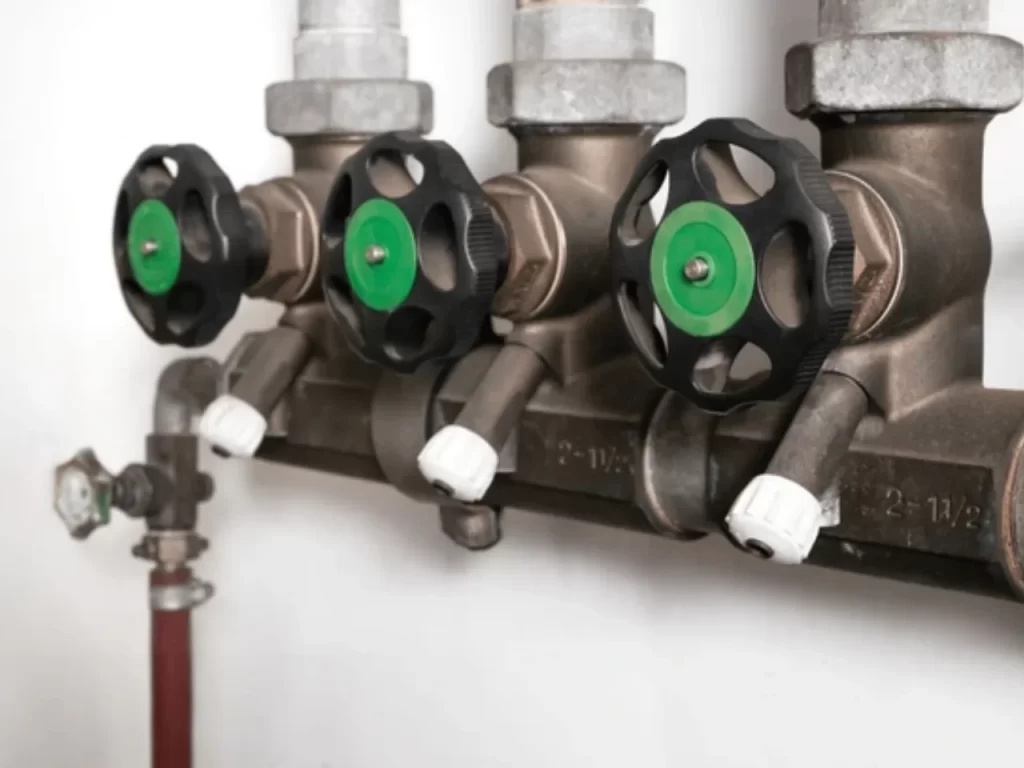
A backwater valve, sometimes called a backflow valve or sewage backup valve, is a plumbing device designed to prevent wastewater and sewage from flowing back into your home. This one-way valve keeps your house from flooding by allowing waste and water to flow out of it into the municipal sewer, but automatically closing if the flow reverses.
Backwater valves are particularly important for homes with basements, as the main sewer line is often below the foundation. Without a backwater valve, heavy rainfall, clogged sewer lines, or municipal sewer backups can lead to sewage entering your home, causing structural damage, health hazards, and costly repairs. Proper installation and maintenance of a backwater valve can save homeowners significant stress and expense.
How Do I Know If I Have a Backwater Valve?
Many homeowners aren’t sure whether their home has a backwater valve. In most residential settings, especially in Toronto, backwater valves are installed in the basement or close to the main sewer line. Here’s how you can check:
1. Look for the Valve in Your Basement
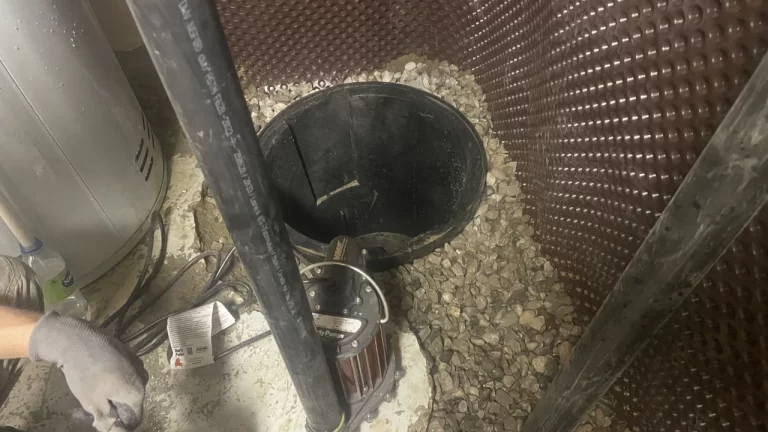
Most backwater valves are installed at the lowest point in the sewer line, often near a floor drain or sump pit. They typically have a simple cover—round or rectangular—that can be removed for maintenance. If you have a sump pump in your basement, the backwater valve may be nearby, connected to the plumbing system.
2. Inspect Your Plumbing System
Trace the sewer line from your home to the municipal sewer connection. A backwater valve installed in your home will usually be located on the building side of the clean-out tee or cap. Look for a small flap or mechanical device inside the pipe; this is the valve flap that prevents backflow.
3. Check Your Home Records or Ask a Licensed Plumber
If you can’t locate the valve yourself, review your home inspection report or plumbing records. Many homes will note if a backwater valve has been installed, especially if it was done during renovations or as part of a flood prevention upgrade. When in doubt, contact a licensed plumber in Toronto to inspect your system and confirm if a backwater valve is installed in your home.
How Does a Backwater Valve Work?
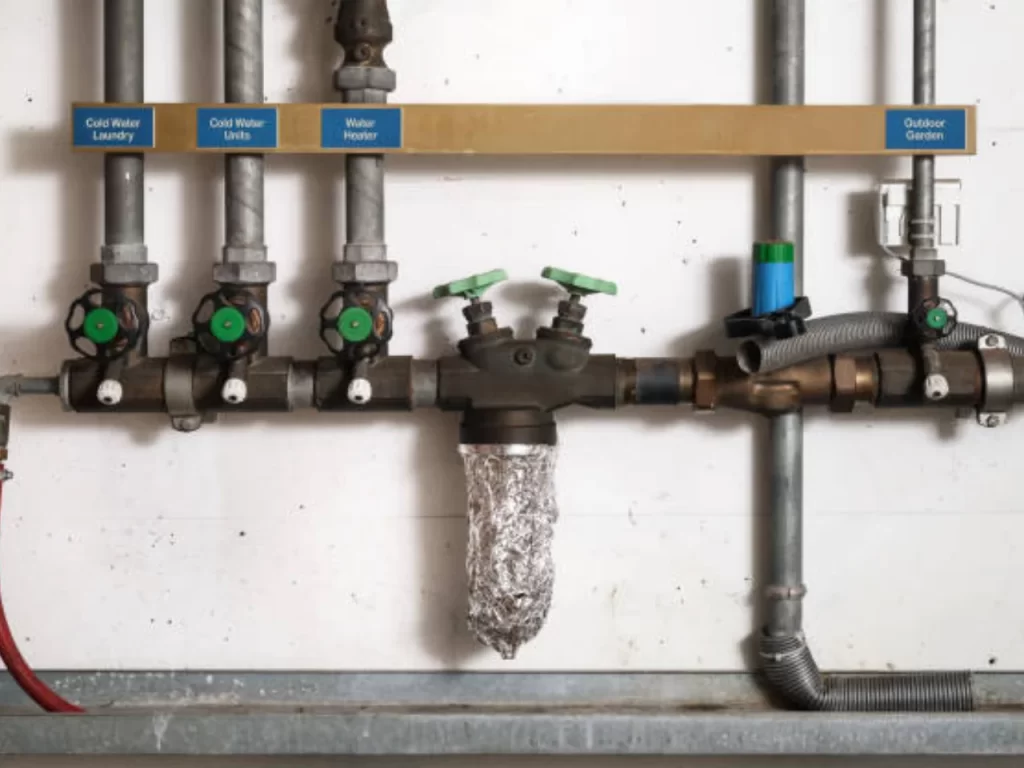
You will be able to see the value of a backwater valve in protecting your home if you understand how it works.
Regular Operation
Wastewater flows freely from your home’s plumbing system to the main sewage line during regular use. The backwater valve remains open, allowing this flow without interruption. Most homeowners never notice the valve at work during normal operation because it functions silently in the background.
During a Sewer Backup or Flood
If the main sewer line becomes overloaded, due to heavy rainfall, debris buildup, or municipal flooding, the flow can reverse and enter your home. A properly installed backwater valve automatically closes its flap, blocking sewage and wastewater from entering your basement or floor drains.
This also means that while the valve is closed, wastewater cannot flow out of your home. During this time, it’s important to avoid using toilets, sinks, or other drains until the backflow is resolved.
Key Components of a Backwater Valve
- Valve Flap – The internal flap closes to stop backflow.
- Cover – Provides access for inspection and maintenance.
- Arrow Indicator – Displays the direction of the sewage flow to ensure proper installation.
Advantages of Installing a Backwater Valve
A backwater valve offers numerous advantages for homeowners.
1. Prevents Basement Flooding
The first line of defense against sewage seeping into your basement is a backwater valve. In locations with municipal sewer lines that are vulnerable to floods, low-lying houses, and older homes, this protection is extremely important.
2. Protects Health and Safety
More than just a hassle, sewage backups present major health dangers due to germs and other toxins. This dangerous water is kept out of your house by a backwater valve.
3. Saves Money
Practically, installing a backwater valve is significantly less expensive. Replacing flooring or furniture, fixing water damage, and doing emergency plumbing repairs can all be very costly.
Backwater Valve Installation
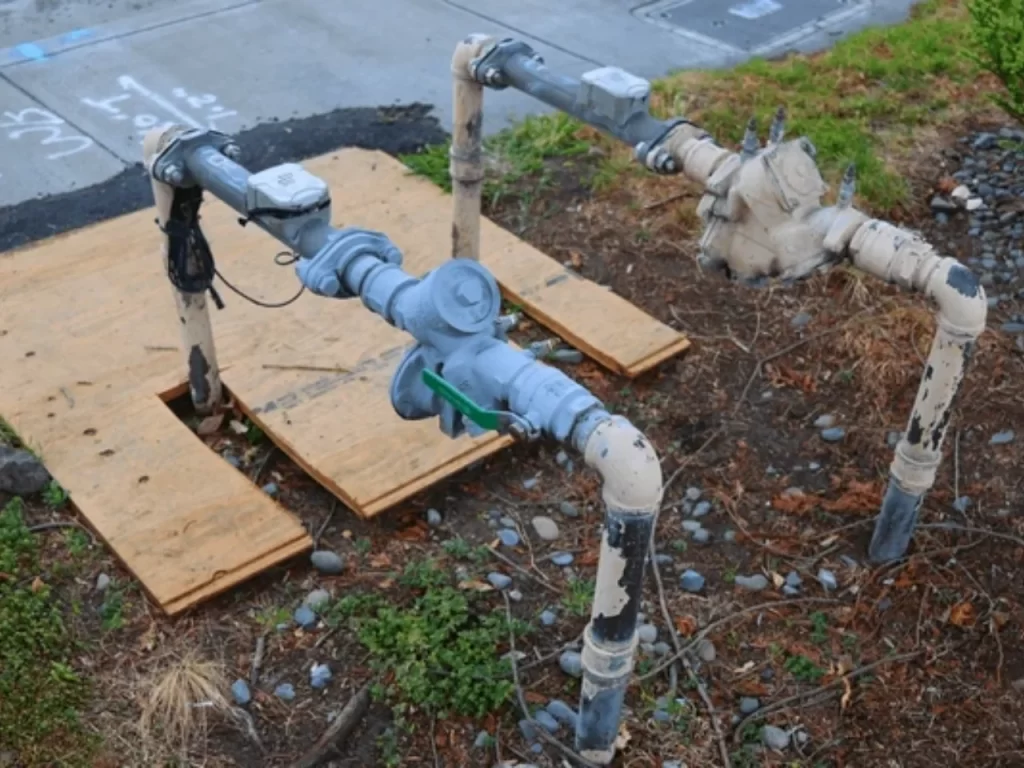
If you’ve decided that installing a backwater valve is right for your home, it’s essential to understand the process.
Backwater valves are typically installed at the lowest point in the sewer line, before the line exits to the municipal sewer. This allows the valve to protect your basement and other lower-level areas from sewage backup.
Installation Process
- Assessment: A licensed plumber will inspect your home’s plumbing and identify the optimal location for the valve.
- Plumbing Permit: Depending on your municipality, a plumbing permit may be required before installation.
- Pipe Cutting and Valve Placement: The backwater valve will be installed and the sewer line will be cut by the plumber. For the valve to operate correctly, its arrow must point in the direction of flow.
- Testing: Once installed, the valve is tested to ensure it closes correctly during backflow events.
- Maintenance Instructions: The plumber will provide guidance on inspecting and cleaning the valve periodically.
Retrofitting Older Homes
Backwater valves can be retrofitted into existing homes, even if they weren’t included in the original plumbing system. This may involve more extensive work, but it’s a worthwhile investment to protect against basement flooding.
Contact us today through our form or call +1 (416) 252-5557 for expert plumbing, drain, and related services in Toronto, Etobicoke, Mississauga, and across the GTA.
Maintaining Your Backwater Valve
Proper backwater valve maintenance is essential to ensure it functions correctly when needed.
Regular Maintenance Checklist
- Annual Inspection – Check the valve at least once a year for proper operation.
- After Heavy Rainfall – Inspect the valve following storms or sewer backups to ensure the flap is clear.
- Clean the Valve – Remove debris from the valve’s screen and flap. This prevents clogs and ensures smooth operation.
- Test the Flap – Close the valve manually and observe if it reopens correctly.
What Happens If a Backwater Valve Fails?
A poorly maintained backwater valve can lead to basement flooding, water damage, and potential health hazards. Regular maintenance prevents failure and prolongs the life of your valve, which can last for several decades when properly cared for.
Combining with a Sump Pump
For homes at higher risk of flooding, installing a sump pump alongside your backwater valve adds an extra layer of protection. While the valve prevents sewer backflow, the sump pump removes excess water from your basement during heavy rainfall.
Do You Need a Backwater Valve in Your Home?
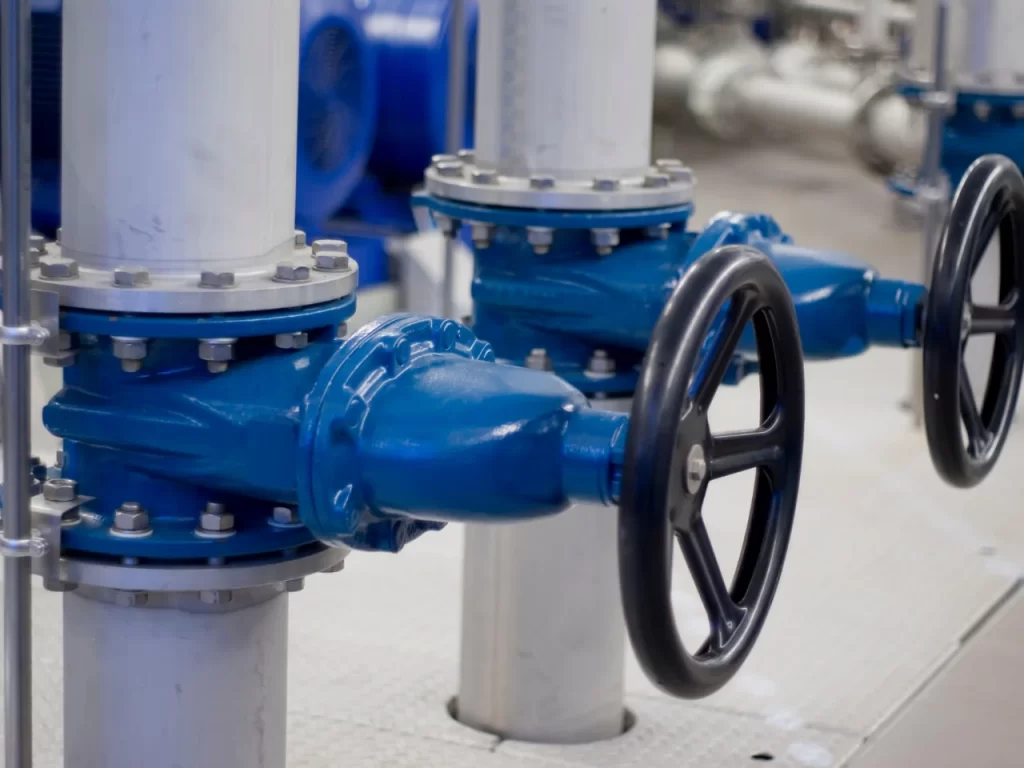
Understanding whether your home requires a backwater valve is essential for preventing sewage backup and protecting your basement during heavy rainfall or overwhelmed sewer lines. A backwater valve prevents sewage from flowing back into your home, keeping your plumbing system safe and sanitary.
Many homeowners need to know about backwater protection, especially if their property is connected to a municipal sanitary sewer or older sewer lines. In fact, in some areas, backwater valves are required under local or national plumbing codes. The national plumbing code requires the installation of a backwater valve in certain situations, and some municipalities’ plumbing code requires a backwater valve for new or renovated homes. Be sure to check with your municipality to see if your home is affected.
Signs you may need a backwater valve include:
- History of sewer backups in your basement or nearby homes
- Older homes with plumbing systems below the main sewer line
- Homes with frequent flooding or heavy rainfall affecting the flow out of the house
A new backwater valve is a small, one-way device—the valve is a small flap—that closes automatically to prevent sewage from entering your home. Backwater valves can be installed during new construction or retrofitted into existing homes, sometimes alongside the installation of a sump pit. With proper maintenance, these valves can last for years, providing continuous protection.
Even if your home already has a backwater valve, routine inspection is important. Even with a backwater valve, clogged or poorly maintained valves may fail to close when needed, increasing the risk of damage. Homeowners should also check whether their home insurance provides coverage for sewer backup events.
Why Absolute Draining & Plumbing Is Your Go-To for Backwater Valve Installation
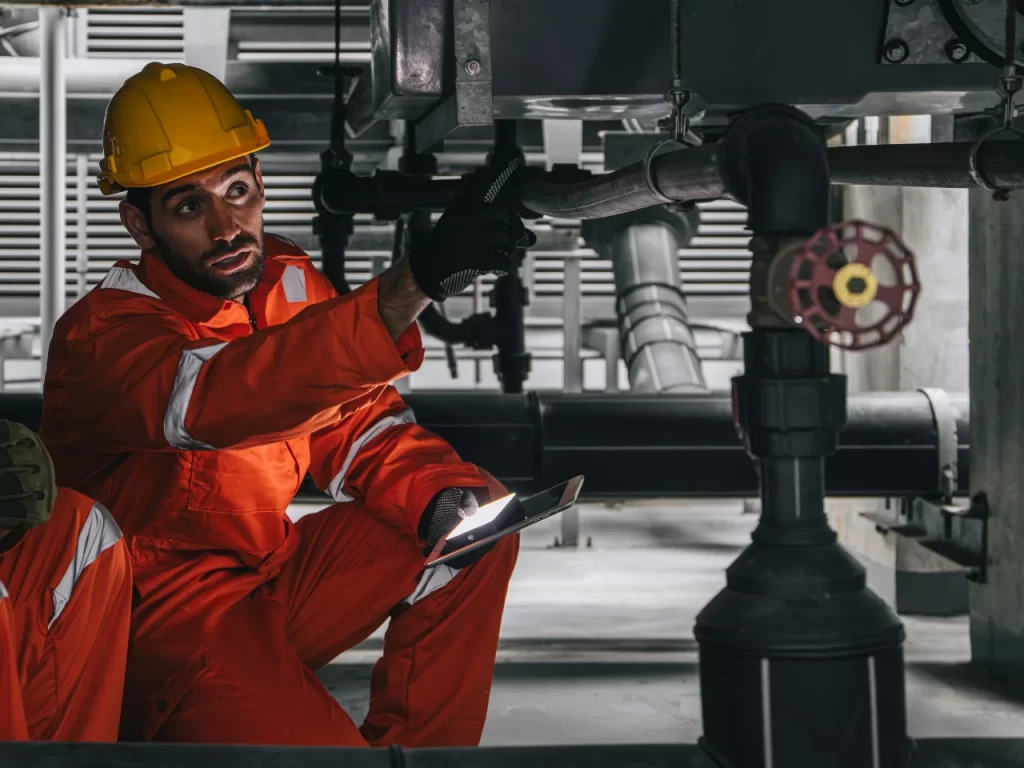
Protecting your home from basement flooding and sewer backups starts with understanding your plumbing system. If you’re wondering how to know if I have a backwater valve or are considering installing one, Absolute Draining & Plumbing has the experience and expertise to guide you.
With over 20 years of experience serving homeowners and businesses across the Greater Toronto Area, our licensed plumbers specialize in backwater valve installation and maintenance, helping you safeguard your home and comply with the plumbing code. Whether you’re retrofitting a backwater valve in an older home or installing a new valve in a modern system, we ensure it’s properly connected to your sanitary sewer and functioning to prevent sewage from entering your basement.
Our services include:
- Backwater valve installation: Ensuring the valve with a flap is positioned correctly to stop flow back.
- Sump pump and backwater valve systems: Combining drainage solutions to reduce the risk of water backup.
- Maintenance and inspections: Teaching homeowners how to scrub the valve, check proper operation, and extend valve lifespan.
- Assistance with rebates: Guidance on Toronto’s backwater valve rebates and subsidy programs.
Even if your home already has a backwater valve, proper inspection and regular maintenance are essential to ensure it closes correctly and protects your home during heavy rainfall or sewer line backups.
At Absolute Draining & Plumbing, we help homeowners know about backwater valves, consider installing one, and keep their basements dry with professional, code-compliant service.
Protect Your Home with a Backwater Valve
Installing a backwater valve is one of the most effective ways to protect your basement from sewage backup and flooding. With proper installation and regular maintenance, you can safeguard your home, prevent costly repairs, and ensure your plumbing system functions reliably.
Contact Absolute Draining & Plumbing today to inspect your home, determine if you already have a backwater valve, or schedule professional installation of a backwater valve. Take the first step toward preventing sewer backups and keeping your home safe and dry.
Contact us today through our form or call +1 (416) 252-5557 for expert plumbing, drain, and related services in Toronto, Etobicoke, Mississauga, and across the GTA.