Let’s say you were surprised by your most recent water bill, or you’ve discovered that your home is consuming more water than normal. When examining their monthly utility statement, many Toronto households encounter the same dilemma.
On the surface, using water in Toronto may seem straightforward, but there is a whole system of meters, city infrastructure, seasonal patterns, and possible leaks that can affect how much you actually pay for every litre that passes through your taps. The first step to controlling your water use, cutting waste, and avoiding expensive bills is to understand these elements.
In this blog, we’ll break down everything you need to know about water usage in Toronto, how your water meter works, why water consumption fluctuates, and how to spot potential leaks early. We’ll also cover the average water usage for Toronto households, how the City of Toronto calculates your water bill, and practical steps to help you save water throughout the year. Whether you’re managing a home or a commercial property, this guide will help you take control of your water use and avoid costly surprises.
Contact us today through our form or call +1 (416) 252-5557 for expert plumbing, drain, and related services in Toronto, Etobicoke, Mississauga, and across the GTA.
Understanding Water Usage in Toronto Homes
Every home in the City of Toronto relies on a municipal water system that tracks how much water you use in cubic metres (m³). One cubic metre equals 1,000 litres, making it easier for the city to measure large amounts of water passing through residential and commercial plumbing systems.
Your water bill is based on your total monthly consumption, which includes:
- all indoor plumbing usage,
- outdoor water use,
- utility charges,
- and wastewater fees.
Tracking your water usage is important because it helps you understand how your household behaves, identify unexpected spikes, and detect problems such as underground leaks or faulty fixtures. When something changes suddenly, it’s often a sign that something in your plumbing system isn’t working as it should.
How Toronto Water Metering Works
Every Toronto home is equipped with an automated water meter, meaning your usage is logged and transmitted electronically to the City. This provides accurate monthly readings without manual meter checks.
How the Water Meter Tracks Usage
Your meter records:
- total accumulation of water (in cubic metres),
- real-time usage behaviour,
- daily and hourly water consumption,
- unusual patterns like continuous flow.
If your water usage looks high without explanation, the meter is often the first place to start.
Accessing MyWaterToronto
The City’s online tool, MyWaterToronto, allows residents to view:
- water use by day,
- water use by month or year,
- graphical charts showing spikes,
- historical water usage data.
This data helps you identify:
- leaks,
- seasonal changes,
- appliance issues,
- and wasteful habits.
For example, a continuous flow graph overnight is often a sign of a running toilet or a hidden pipe leak.
Average Water Usage in Toronto Homes
The average household in Toronto uses about:
- 600–700 litres per day, or
- 180–220 m3 annually, depending on the number of residents and lifestyle habits.
Here’s a general breakdown of water use per person:
- Toilet: 30%
- Showering and bathing: 35%
- Laundry: 20%
- Kitchen and drinking water: 10%
- Leaks and waste: 5%
Households that “use a lot of water” may have:
- larger families,
- frequent laundry loads,
- multiple bathrooms used daily,
- outdoor watering during summer,
- or leaks they haven’t identified.
Understanding your numbers helps you compare your consumption with the Toronto average and determine if something seems off.
Why Your Water Usage Changes Throughout the Year
Even without leaks, it’s normal to see your water bill fluctuate month to month. Here are the following reasons that Toronto residents frequently observe.
1. Seasonal Water Use
Water consumption typically rises in the summer as people engage in outdoor activities such as lawn watering and pool filling. On the other hand, usage usually decreases during the winter, unless issues like frozen pipes or dripping faucets lead to unexpected increases.
2. Guests and Household Changes
Any temporary or permanent increase in household occupants leads to more flushing, showering, dishwashing, and laundry — all of which quickly raise your monthly water consumption.
3. Appliances That Use More Water
Older or inefficient appliances, such as top-loading washers, old dishwashers, and outdated toilets, use significantly more water and can cause noticeable jumps in your overall usage.
Common Causes of High Water Usage Toronto Homeowners Should Watch For
If your bill suddenly increases, there are a few common issues to check before calling for help.
1. Leaks — The #1 Cause of Unexplained High Water Bills
Leaks waste water silently. Even small leaks can lead to big charges over a month.
Signs You May Have a Leak
- Your water meter shows usage even when water isn’t running
- Your MyWaterToronto graph shows continuous usage overnight
- Toilets make noise when not in use
- Soft spots on walls or floors
- Higher humidity or unusual mould growth
- Unexpectedly high water bills
Where Leaks Usually Occur
- Toilets (running toilets can waste up to 750 litres per day)
- Faucets
- Shower valves
- Underground water lines
- Humidifiers connected to furnaces
- Outdoor taps
A leaking toilet flapper is often the most common cause — and the easiest to miss.
2. Hidden Underground Leaks
Some leaks happen outside the house, especially in older Toronto properties with aging plumbing infrastructure. Potential underground leaks include:
- damaged main water lines,
- cracks in pipes caused by shifting soil,
- old clay or galvanized pipes,
- tree root intrusion.
These leaks waste large amounts of water and may show up as:
- sudden jumps in water usage,
- damp soil patches outside,
- reduced water pressure,
- or extremely high bills.
Professional leak detection is usually required to identify and fix them.
3. Faulty or Old Plumbing Fixtures
Fixtures that aren’t functioning correctly can cause consistent waste, including:
- dripping taps,
- malfunctioning water softeners,
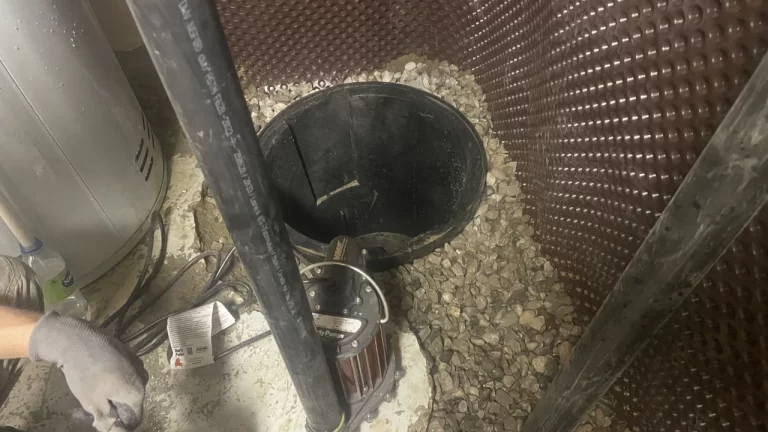
- sump pumps with water-powered backup systems,
- older toilets without modern water-saving features.
Water waste can be drastically decreased by removing obsolete fixtures and verifying the manufacturer’s date.
4. Misread or Faulty Water Meter (Rare but Possible)
Although Toronto’s automated meters are generally accurate, issues can still occur. Meter errors may happen when:
- The meter hasn’t transmitted data properly,
- The system estimates usage,
- The reading is delayed,
- There’s a malfunction in the device.
If readings look unusual, contacting Toronto Water Customer Service is the best step. But more often than not, high usage comes from within the home — not the meter.
Contact us today through our form or call +1 (416) 252-5557 for expert plumbing, drain, and related services in Toronto, Etobicoke, Mississauga, and across the GTA.
How the City of Toronto Calculates Your Water Bill
Your water bill includes:
- Water consumption charge
- Sewage (wastewater) charge
- Water service charge
Both water and wastewater rates are measured in cubic metres, and the City of Toronto adjusts these rates annually through City Council.
The more water you use, the higher your combined charges. Commercial properties may also have different rate structures and additional infrastructure fees.
How to Check for Potential Leaks in Your Home
If you suspect something is off, here are reliable steps to investigate the issue before calling a plumber.
1. Check Your Water Meter for Continuous Flow
Check your water meter first if you think there may be a leak. Focus on the small indicator dial and if it continues moving even when no water is being used, there is a strong chance that water is leaking somewhere in your home.
2. Perform a Toilet Dye Test
Toilet leaks are common. Add a few drops of dye to the toilet tank and wait 10–15 minutes; coloured water in the bowl signals a leak.
3. Inspect Faucets and Showerheads
Even slow drops can waste a lot of water, so check all showerheads and faucets. Look for signs of moisture, mineral buildup, or worn-out fittings.
4. Examine Outdoor Fixtures
Check outdoor taps, hoses, and irrigation systems for leaks, especially after winter, as unnoticed leaks can waste significant water.
5. Check Other Appliances
Examine water-using equipment for indications of leakage or malfunction. This covers dishwashers, water softeners, humidifiers, and backup sump pumps that run on water. A problem could be indicated by puddles, moisture, strange noises, or uneven performance.
6. Use MyWaterToronto to Review Your Usage Graph
Lastly, sign in to MyWaterToronto and check your water usage graph. Keep an eye out for any strange usage patterns, continuous nocturnal flow, or abrupt surges in consumption. If the data seems confusing or difficult to interpret, a licensed plumber can help identify potential issues.
How to Reduce Water Usage in Your Toronto Home
Reducing your household water consumption not only lowers your monthly bill — it also helps preserve water resources and protect city infrastructure.
- Install Water-Efficient Fixtures. Upgrading to WaterSense-labelled toilets, faucets, and low-flow showerheads can significantly reduce your water use. High-efficiency washing machines also help cut consumption by up to 30%.
- Fix Leaks Immediately. Even small or minor leaks can waste litres of water every day, so repairing them right away helps lower your bill and prevents damage.
- Use MyWaterToronto Regularly. Checking your online usage report each month helps you spot unusual spikes and track seasonal changes before they become costly.
- Change Your Daily Habits. Simple routines—like shorter showers, turning off the tap while brushing, and running full loads—quickly add up to meaningful water savings.
- Manage Outdoor Water Wisely. Watering during cooler hours, fixing hose leaks, reducing sprinkler time, and using rain barrels can dramatically cut outdoor water usage.
- Insulate Pipes in Winter. Proper insulation prevents pipes from freezing or bursting, helping avoid unexpected leaks during cold Toronto winters.
- Schedule Regular Plumbing Inspections. Annual or semi-annual inspections catch hidden issues early, which is especially important for older homes and aging plumbing systems.
Why Professional Plumbers Matter in Managing Your Water Usage
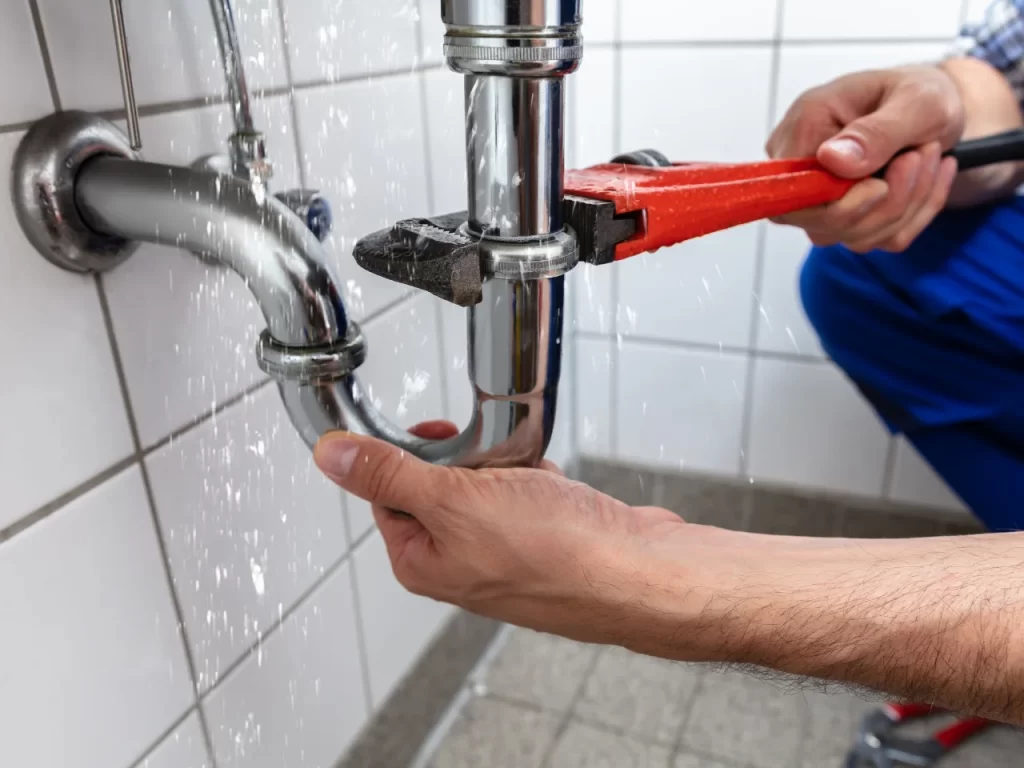
Even with careful monitoring of your water meter readings, some issues are too complex for homeowners to diagnose alone — especially hidden leaks behind walls, underground line problems, or sudden spikes in Toronto’s average water consumption that don’t match your total and average water use shown in MyWaterToronto.
For more than 20 years, Absolute Draining & Plumbing has helped Toronto homeowners and businesses understand their water use data, identify irregular patterns, and address plumbing issues that affect both daily average water use and annual water consumption. Their team specializes in resolving high water usage concerns, repairing leaking toilets and faucets, detecting underground water line leaks, upgrading outdated systems, and replacing inefficient fixtures that can increase your cost of water per year.
It might be time to consult an expert if you observe odd changes in your MyWaterToronto graph or chart format, such as unexpected cubic meter surges or continuous overnight flow. Compared to do-it-yourself techniques, a qualified plumber can detect leaks, evaluate the effectiveness of your system, and identify problems much more precisely. Absolute Draining & Plumbing uses advanced diagnostics to locate hidden problems, restore optimal performance, and provide practical tips to help Canadian and Ontario homeowners reduce overall water consumption.
Take Control of Your Water Usage for a More Efficient Toronto Home
Knowing how water usage functions in Toronto enables homeowners to cut waste, avoid unforeseen expenses, and make educated decisions. Over time, little actions like checking your water meter, keeping an eye on MyWaterToronto, and replacing fixtures can add up to big savings. Staying proactive with plumbing inspections and repairs ensures your system works efficiently and protects your home from hidden leaks and damage.
If you’re dealing with high water bills, unexplained spikes in usage, or potential leaks, Absolute Draining & Plumbing is here to help. Our licensed Toronto plumbers provide reliable inspections, leak detection, and water-saving plumbing solutions tailored to your home.
Contact us today through our form or call +1 (416) 252-5557 for expert plumbing, drain, and related services in Toronto, Etobicoke, Mississauga, and across the GTA.