
Imagine discovering that your basement floor is covered with a foot of murky, foul-smelling wastewater when you wake up after a big downpour in Toronto because the municipal sewer system was unable to handle the amount. It’s a nightmare scenario that thousands of GTA homeowners face every year when sewage starts to flow backward from the public sewer system into their private drains.
A backwater valve, also frequently called a backflow valve or sewer backup valve. is your home’s primary line of defence against this type of disaster. In this blog, we will break down everything you need to know about backwater valves, from how the internal flapper works to prevent sewage backup, to the critical importance of regular maintenance and how you can take advantage of the City of Toronto’s backwater valve subsidy program.
Contact us today through our form or call +1 (416) 252-5557 for expert plumbing, drain, and related services in Toronto, Etobicoke, Mississauga, and across the GTA.
What Exactly Is a Backwater Valve?
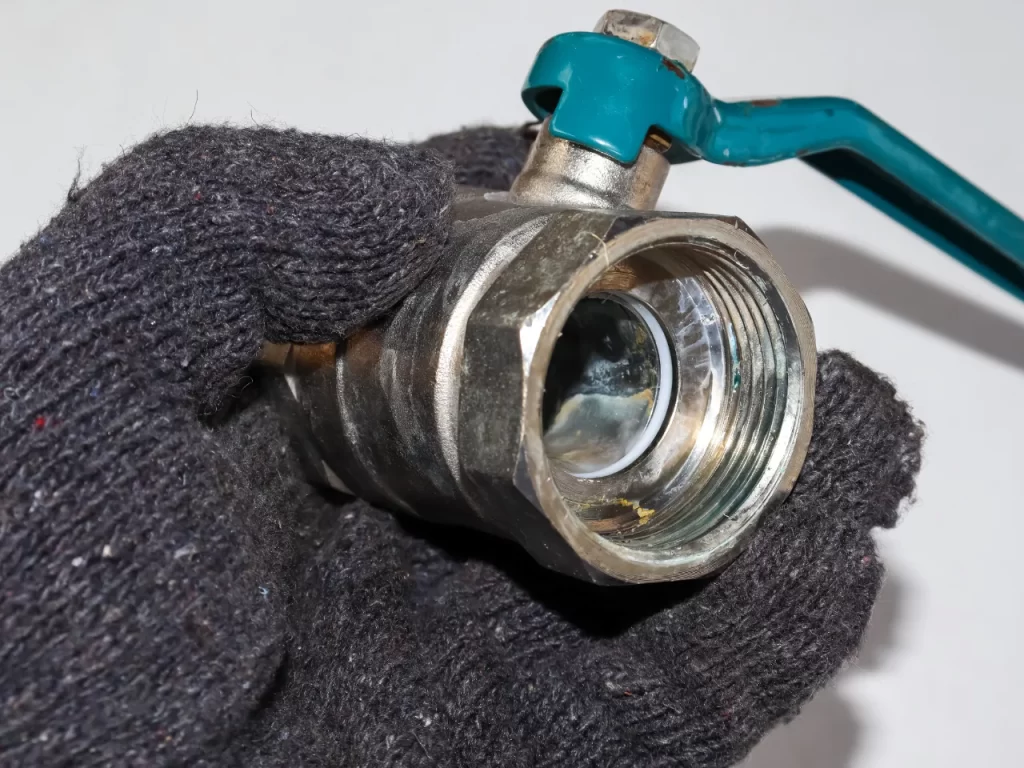
A backwater valve is one of the great technologies in your main sewer line. Its only function is to make sure that wastewater only flows out of your home and into the public sewer. Wastewater can easily run from your sinks, showers, and toilets toward the city pipes when the valve is left open.
However, the city’s sanitary sewer may overflow during periods of intense precipitation. When this occurs, water is forced back toward your house by the pressure. Here’s where the backflow valve comes in handy. A tiny flap or flapper inside the device senses the reverse pressure and swings shut to create a watertight seal that stops sewage from entering your basement.
Why Backwater Valve Maintenance Is Essential for Toronto Homes
Owning the device is just half the battle; backwater valve maintenance is necessary to make sure it functions during a storm. Since this type of valve is located inside your sewer system, it is constantly in contact with solid waste, grease, and hair. Over time, debris may build up around the flapper or gate, preventing it from fully closing during a sewage backup.
Furthermore, keeping backwater valves is essential for property safety and is not merely advised. If the flapper is stuck open by a clump of debris, the valve is useless. We recommend that homeowners check the area of the valve at least once or twice a year. Regular maintenance ensures that the rubber seals are in good condition and that no obstructions will damage the valve when it tries to engage during a downpour.
How Does a Backwater Valve Work During a Flood?
To understand how a backwater valve works, you have to visualize the flow of water. Inside the valve body, there is a floating flap. During daily use, gravity and the exit of water and sewage keep this flap open. It’s designed to flow only one way.
When a sanitary backup occurs, perhaps because of a massive, heavy rainfall or flooding event, the water level in the public sewer system rises above your home’s drainage system. As that water pushes back towards your home, it enters the valve chamber. The rising backflow lifts the floating flapper and presses it up against the valve’s top, sealing the pipe. This straightforward mechanical process protects the plumbing in your house from contaminants and water damage.
Importance of Professional Backwater Valve Installation in Your Home
While some DIY projects are great for a weekend, backwater valve installation is not one of them. This process involves breaking through your concrete basement floor to reach the main sewer line, usually near the cleanout. Because the National Plumbing Code and local plumbing code have strict requirements for where and how these are placed, you must hire a licensed plumber.
A professional plumber from Absolute Draining & Plumbing ensures the valve is placed on the building side of the sanitary sewer line and that the arrow on the valve points in the correct direction. Furthermore, an expert knows how to retrofit these valves into older Toronto homes where the drainage layout might be complicated. The difference between a dry basement and the complete loss of your house can be avoided by installing a backwater valve correctly.
Backwater Valve Maintenance: A Step-by-Step Guide for Homeowners
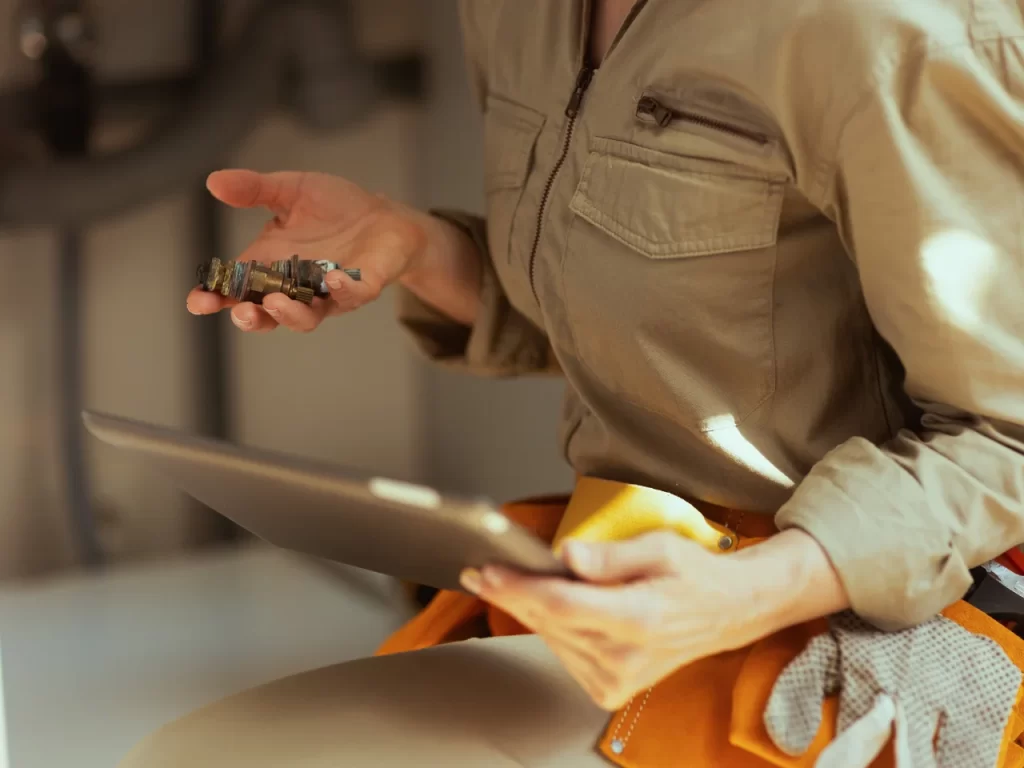
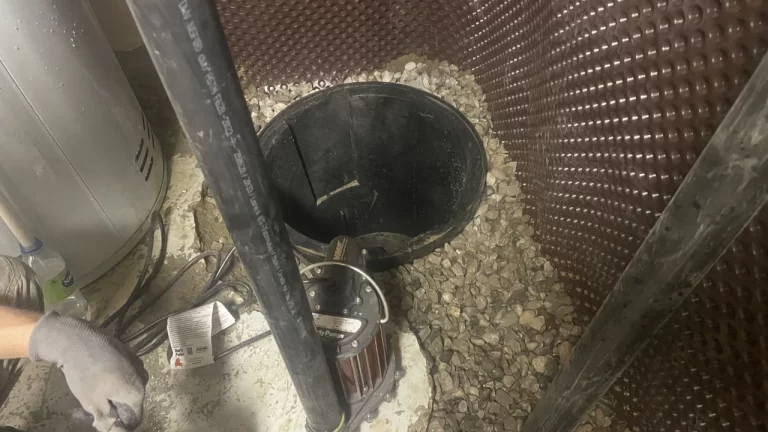
Many people who are not squeamish may perform backwater valve maintenance on their own. First, locate the valve. It is often located in your basement floor, usually next to the sump pit or floor drain, under a round or rectangular metal cover.
- Safety First: Put on rubber gloves and eye protection. You are dealing with a sewer line, after all.
- Remove the Cover: Unscrew the bolts on the access housing to reveal the backwater valve.
- Inspect the Flapper: Check and look for any grease accumulation, moist wipes, or debris on the flap. If you notice something, remove it by hand or flush it away.
- Check the Seal: Ensure the rubber gasket on the flapper is still soft and creating a good seal. If it’s cracked or brittle, it needs to be replaced.
- Test the Movement: Ensure the flapper moves freely on its hinge. It should swing up and down without resistance.
- Clean the Tank: Scrub the bottom of the valve cleanout area to ensure no sediment is sitting where the flap needs to rest.
Backwater valve maintenance should always be done before the spring thaw and again in the late fall. If you aren’t comfortable doing this yourself, Absolute Draining & Plumbing offers professional maintenance and backwater valve services to give you total peace of mind.
Understanding Backwater Valve Costs and Repairs in Toronto
When considering costs and repairs, it is helpful to look at the big picture. The cost of a backwater valve ranges between $600 and $1,200 for the unit itself, with a total backwater valve installation cost typically landing between $2,000 and $4,000. At the same time, that might seem like a significant investment, compare it to the $40,000+ price tag of a finished basement restoration after a sewage flood.
The good news for Toronto residents is the backwater valve subsidy program. The City of Toronto offers rebates to help residents protect their homes from flooding. In many cases, you can recover a significant portion of the installation and maintenance costs through these city-funded incentives. At Absolute Draining & Plumbing, we even help our customers with the rebate paperwork to ensure they get the maximum amount back.
Common Signs Your Backwater Valve Needs Professional Attention
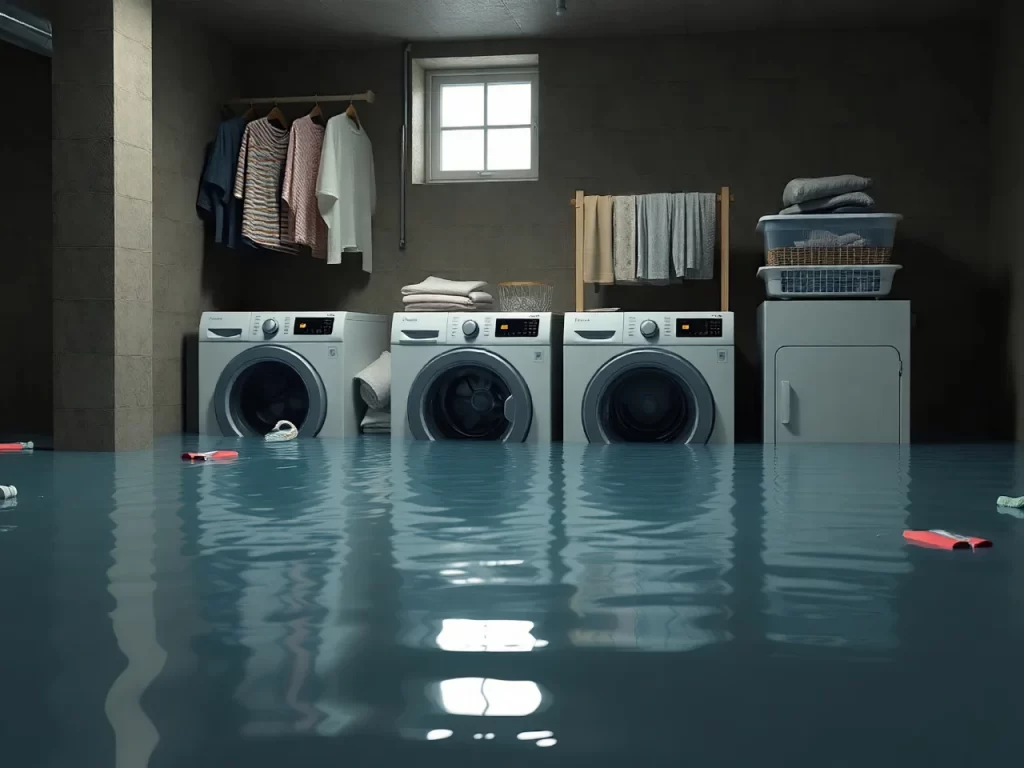
Even if you maintain a backwater valve regularly, certain signs indicate it’s time to call a licensed plumber. If you notice that your floor drain is gurgling or if water or sewage starts to move slowly through your plumbing system, there could be an issue with the valve’s flapper or a blockage in the main sewer line.
Another sign is if you hear a clicking sound coming from the valve housing. This could mean the flap is loose or damaged. The seal has probably failed if you discover that water is freely returning to the house even if the valve is closed. Keep in mind that a backwater valve is crucial for your safety, so pay attention to these warning signs.
Contact us today through our form or call +1 (416) 252-5557 for expert plumbing, drain, and related services in Toronto, Etobicoke, Mississauga, and across the GTA.
How Backwater Valves and Sump Pumps Work
Many homeowners ask if they need both a sump pump and a backwater valve. The answer is almost always yes. While the backwater valve prevents sewage from coming in through the sewer line, a sump pump handles groundwater that accumulates around your foundation.
If your downspouts and foundation drains are connected to a weeping tile system, the sump pump is what pushes that groundwater away from your home. In older Toronto homes, it was common for downspouts to be connected to the weeping tiles, which then connected directly to the sanitary sewer. Modern standards require the installation of a system where downspouts are not connected to the sewer to prevent overloading the public sewer system. Together, these two systems provide the ultimate protection against flooding and water damage.
The Role of Insurance and the National Plumbing Code
Did you know that many insurance providers may offer discounts or even require you to install a backwater valve in your home to maintain coverage? Because the risk of water damage is so high in the GTA, insurance companies view the installation of backwater valves as a massive risk mitigator.
Furthermore, the National Plumbing Code now mandates these valves in most new constructions where the fixtures are below the level of the upstream manhole. For owners of older homes, a retrofit is one of the smartest upgrades you can make to increase your property value and ensure your home is fully protected from sewage backups.
Long-Term Benefits of Maintaining Your Drainage System
Backwater valves play a critical role, but they are just one part of your home’s drainage system. To truly protect your home, you should also ensure your downspouts are clear and directed away from the foundation. Wastewater must have a free route out of your house. Any obstructions in the main sewer line, such as grease or tree roots, can cause the backwater valve to engage needlessly, which could result in a self-inflicted backup if you keep running water inside.
By maintaining backwater valves and your overall plumbing, you extend the life of your pipes and avoid the “emergency” calls that happen at 3:00 AM on a Sunday. Regular maintenance is much cheaper than an emergency drain cleaning or sewer backwater repair.
Is Your Home Ready to Protect Against the Next Storm?
Toronto’s weather is becoming increasingly unpredictable. Recently, “100-year storms” that drop enormous amounts of water in a short period of time are becoming more common. Your house is almost an open door for the city’s wastewater if you don’t have a backwater valve installed.
Ensuring your backwater valve is essential to your home’s health. Every action you take, from the first backwater valve installation to the yearly maintenance, is an investment in the future of your home. You want to be the homeowner who can rest easy knowing that your flapper is prepared to keep sewage out of your basement during the next significant downpour.
Don’t Wait for a Backup to Call Absolute Draining & Plumbing

Whether you need a new backwater valve installed or you need a professional to handle your regular maintenance, the team at Absolute Draining & Plumbing is here to help. With over 20 years of experience serving the Greater Toronto Area, we know the unique challenges of Toronto’s sewer system and plumbing code. We are always ready to assist and help you with your plumbing needs!
Moreover, we guarantee the lowest price, provide flat-rate pricing, and even guide you through the backwater valve subsidy program to ensure you receive your rebate. Make sure your sump pump and backwater valve are in excellent condition by hiring a qualified plumber instead of leaving your basement to chance.
Protect Your Home Today!
If you are worried about the risk of water damage or haven’t had your backwater valve inspected in over a year, now is the time to act. Contact Absolute Draining & Plumbing for a free consultation. Our expert team will inspect your main sewer line, check your backflow preventers, and ensure your home is fully equipped to handle whatever the Toronto weather throws at it. Give us a call at 416-252-5557 and let’s keep your basement dry.
Contact us today through our form or call +1 (416) 252-5557 for expert plumbing, drain, and related services in Toronto, Etobicoke, Mississauga, and across the GTA.