Imagine discovering your socks drenched in several inches of raw sewage as you go down to your basement to get a coffee mug after a torrential downpour in Toronto. It is a nightmare scenario that thousands of homeowners in the Greater Toronto Area face every year when the municipal sewer system becomes overwhelmed.
In professional plumbing, we often hear people use the terms backwater valve vs backflow preventer interchangeably, but they are actually two very different tools designed to protect different parts of your plumbing system. Both are essential for safety, but one prevents waste from the city from entering your house, while the other prevents wasted water from contaminating the public water supply. To ensure your family has access to clean water and to floodproof your property, you must first understand these disparities.
In this blog, we are going to break down the technical and practical differences between backwater valves and backflow prevention devices. We will discuss how a backwater valve works, why the national plumbing code requires certain installations, and how you can take advantage of Toronto plumbing rebates to protect your investment. Whether you are dealing with a risk of water backup or just want to ensure your water supplies are safe, this guide has you covered.
Contact us today through our form or call +1 (416) 252-5557 for expert plumbing, drain, and related services in Toronto, Etobicoke, Mississauga, and across the GTA.
What is a Backwater Valve and How Does it Protect Your Home?
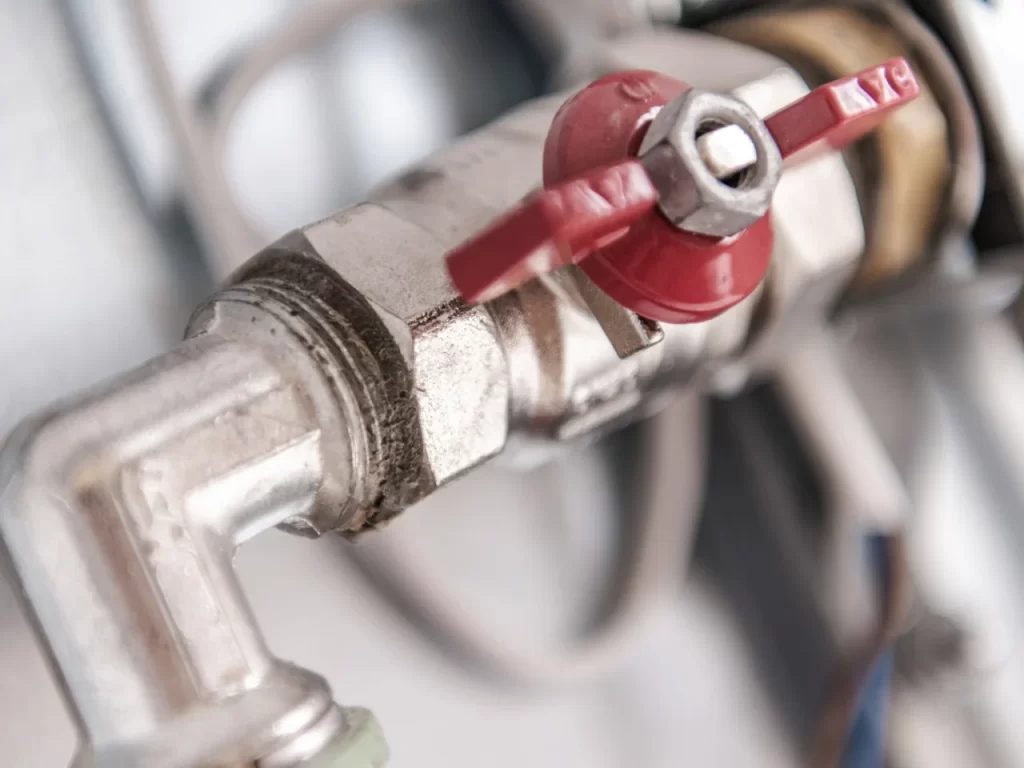
A backwater valve, sometimes called a sewer backup valve or a backup valve, is a specialized device installed on your main sewer line. Its primary job is simple but critical: a backwater valve prevents sewage from flowing back into your home. Under normal conditions, the valve allows water to flow out of your house and into the city sewer. However, if the city sewers overflow due to heavy rain or a blockage, the backwater valve prevents that sewage from flowing back up your pipes and out of your basement drains.
How a Backwater Valve Works
Think of it as a one-way gate. Inside the device, a backwater valve is a small flap that usually sits open to let water and sewage exit your home. If water or sewage starts to flow in the wrong direction, towards your home, the flap floats up and seals the pipe shut. This mechanical action is what saves your basement from a catastrophic sewage system failure.
In many parts of the GTA, particularly in older neighbourhoods with aging infrastructure, the plumbing code requires a backwater valve for new builds and major renovations. Because our weather patterns are changing and we see more “flash floods,” the municipal systems often can’t keep up. When you install a backwater valve, you are essentially putting a security guard at the entrance of your home’s drainage system.
Understanding the Backflow Preventer and Clean Water Safety
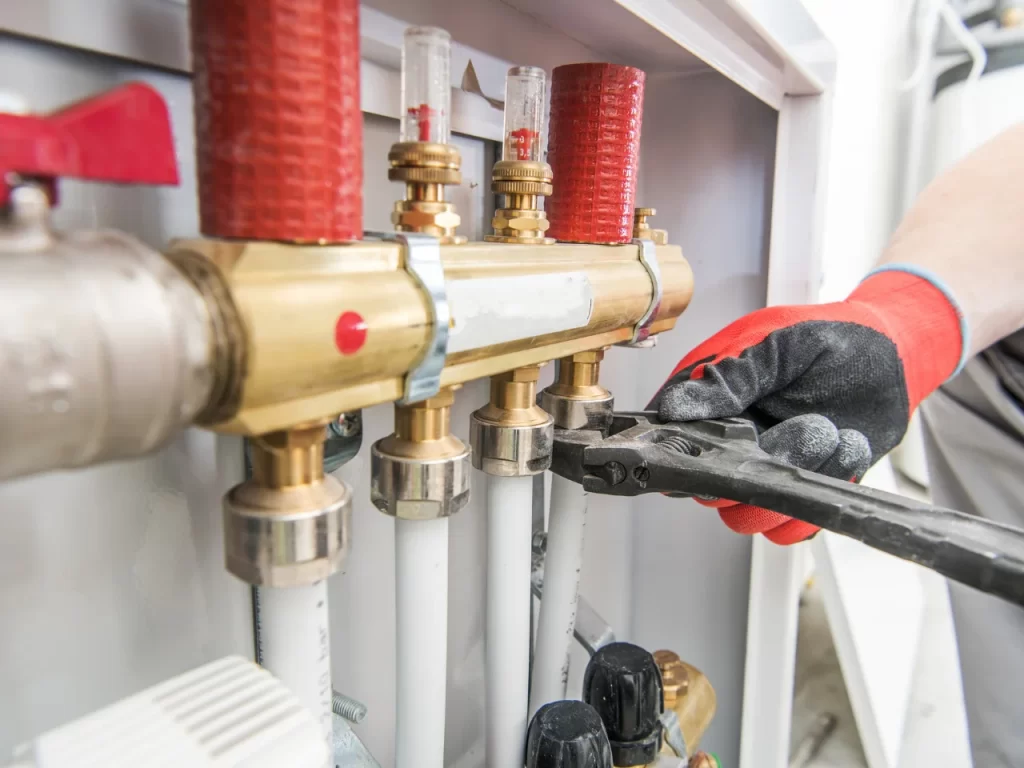
While the backwater valve deals with the “exit” of waste, a backflow preventer (also called a backflow prevention device) is all about the “entrance” of clean water. This device is typically installed on the main water line where your home or business connects to the public water supply. Its purpose is to prevent backflow of contaminated water into the potable water (drinking water) system.
The Risk of Cross-Contamination
An abrupt drop in pressure in the municipal water main, such as when a neighbouring fire hydrant is opened or a water main breaks, might cause backflow. If this happens, water can be “sucked” backward. Without a backflow prevention device, a non-potable water supply (like water from a swimming pool, a sprinkler system, or a boiler) could flow back into the pipes that provide your drinking water.
Common Types of Backflow Prevention
For residential homes, you might see a simple check valve or a vacuum breaker on your outdoor hose bib. However, the installation of a backflow protection system is even more stringent for commercial or apartment structures. These characteristics frequently call for a reduced-pressure zone (RPZ) device or a double-check valve assembly. The entire community is protected by these valves and backflow preventers, which stop tainted water from entering the city’s clean water supply.
Key Differences Between a Backwater Valve vs Backflow Preventer
To help you decide what your property needs, it’s best to look at these two devices side-by-side. While both are check valves in a sense (meaning they allow flow in only one direction), their applications are distinct.
1) Backwater Valve
- Primary Goal: Prevent sewage from entering your basement.
- Location: Main sewer line, which is often located beneath the basement
- Material Handled: Water and sewage (waste)
- Maintenance: Cleaning out debris that might clog the valve
- Other Names: Sewer backup valve, backflow valve
3) Backflow Preventer
- Primary Goal: Prevent contaminated water from entering the clean water supply
- Location: Main water line (next to the water meter)
- Material Handled: Potable water (drinking water)
- Maintenance: Annual testing by a certified backflow specialist
- Other Names: Backflow prevention device, RPZ valve.
It is a common mistake to ask for a backflow valve when you actually mean you want a sewer backup valve for your basement. In the plumbing industry, accuracy matters because installing the wrong device won’t solve your specific risk of water backup.
Why the Plumbing Code Requires a Backwater Valve
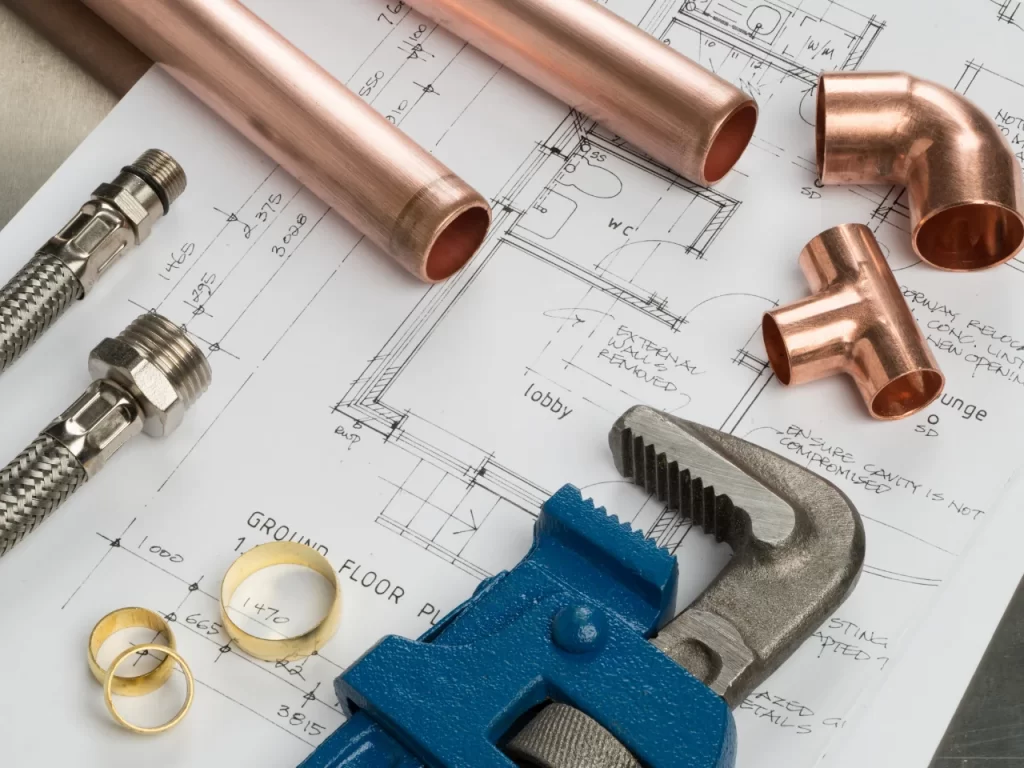
If you are renovating a basement in Toronto or building a new home, you will likely find that the code requires a backwater valve. This isn’t just a suggestion; the National Plumbing Code requires these protections because of the high cost and health risks associated with basement flooding.
Preventing Structural and Health Hazards
Sewage doesn’t merely destroy the carpet when it gets into a house. It seeps into the studs and drywall, causing mould to grow, which may be challenging and costly to remove. You are following current safety regulations that acknowledge the limitations of the local sewer system by adding a backwater valve.
Rebates and Financial Incentives
The City of Toronto understands that installing these devices is a win-win for everyone. That is why they offer the Basement Flooding Protection Subsidy Program. If you have a backwater valve installed by a licensed Toronto plumbing professional like Absolute Draining & Plumbing, you could be eligible for a rebate of up to 80% of the cost (up to a maximum of $1,250). We even help our clients with the paperwork to ensure they get the money they deserve.
Common Myths: Does a Backwater Valve Stop All Flooding?
We often hear homeowners say, “I have an installed backwater valve, so my basement is 100% waterproof.” While these are incredible tools, there are a few things you should know about backwater valves to avoid a false sense of security.
- Internal Flooding: If the backwater valve is installed and closed because the city sewer is full, you cannot use your own water supplies. If you run the dishwasher or take a shower while the valve is closed, that water is flowing from your fixtures but has nowhere to go. It will eventually flow back out of your own basement floor drain.
- Maintenance Matters: Over time, hair, grease, or debris can clog the valve or damage the valve flap. If the flap can’t close all the way, sewage will seep past it. You should check the installed backwater device at least once a year to ensure the water is flowing freely and the flap isn’t stuck.
- Even with a Backwater Valve: You still need to manage surface water. A backwater valve prevents sewer backup, but it doesn’t stop water from seeping through your foundation walls. For that, you might need a sump pit and pump or weeping tile repairs.
The Role of Sump Pumps and Sump Pits
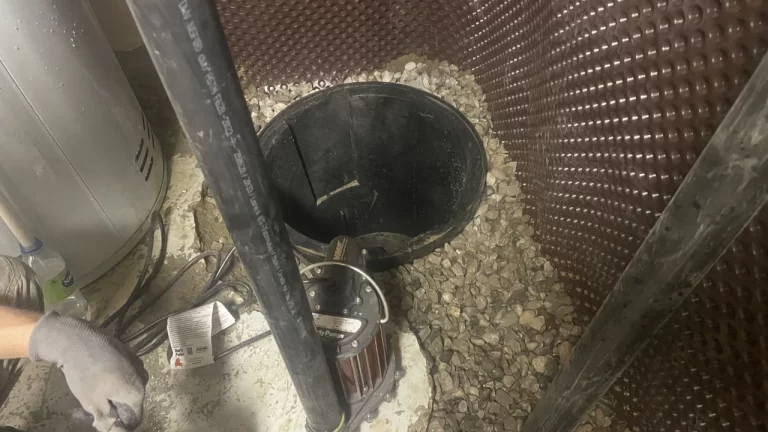
In many Toronto homes, installing a backwater valve goes hand-in-hand with installing a sump pit and pump. While the backwater valve prevents sewage from the city from entering, the sump pit and pump handle the water that collects around your foundation.
If you already have a backwater valve, adding a sump pit and pump provides a second layer of defence. The pump collects water from the sump pit and pumps it out and away from your house, ensuring that even during a heavy “spring thaw,” your basement remains dry. At Absolute Draining & Plumbing, we often recommend this “dual-protection” approach for maximum peace of mind.
Contact us today through our form or call +1 (416) 252-5557 for expert plumbing, drain, and related services in Toronto, Etobicoke, Mississauga, and across the GTA.
When Do You Need a Backflow Prevention Device?
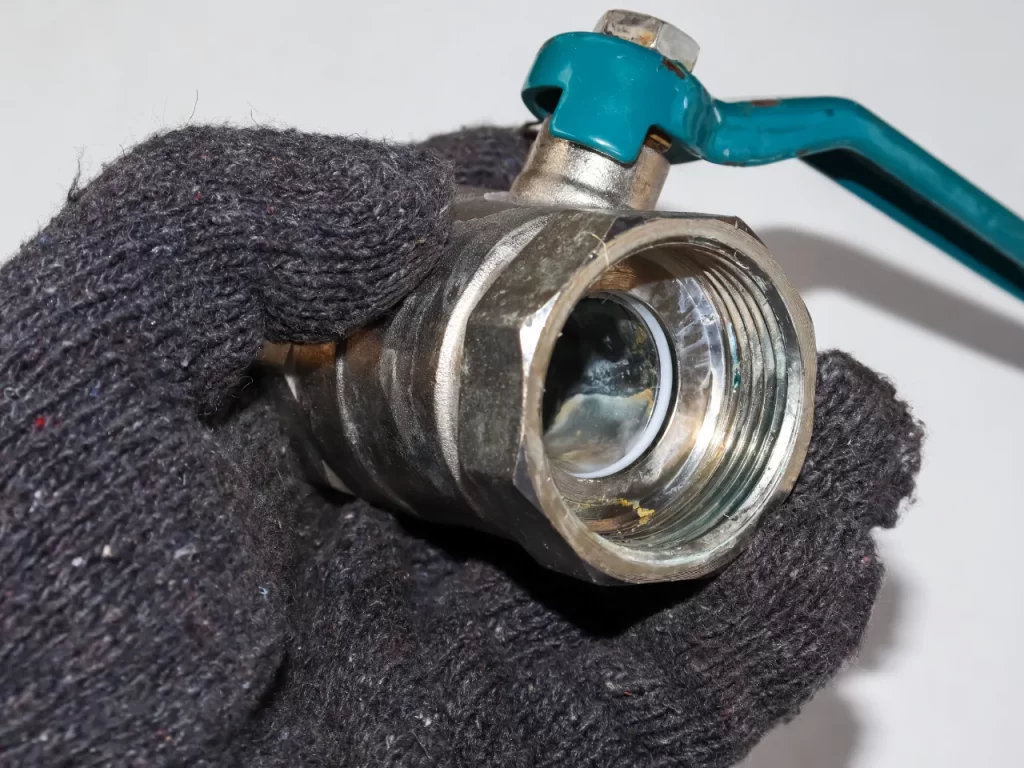
Although a backwater valve is beneficial for practically every home in Toronto, residences with high-risk connections or business settings are more likely to require a backflow prevention system.
Commercial and Multi-Family Buildings
In the City of Toronto, commercial properties are required to have their backflow prevention devices positioned and installed correctly to prevent chemical or biological contaminants from entering the public water supply. These buildings must have their valves and backflow preventers tested annually by a certified backflow technician to ensure they continue to protect the clean water supply.
Residential High-Risk Scenarios
You might need a backflow prevention device in your home if you have:
- An underground lawn irrigation system.
- A swimming pool with a permanent fill line.
- A hydronic heating system (boiler).
- A darkroom or a home laboratory.
In these cases, mixing with potable water would be a significant health violation. By installing a backflow valve (preventer), pollutants are guaranteed to remain in the “non-potable” side of the system even in the case of a pressure decrease.
Installation and Maintenance: Why Professional Help is Non-Negotiable
You might be a handy DIYer, but installing a backwater valve or a backflow preventer is not a weekend project. It requires cutting into your main sewer line or your main water supply, which involves permits, inspections, and a deep understanding of the plumbing code.
A drain inspection camera is first used to locate the ideal location for a backwater valve. We search for a site that is accessible for upcoming maintenance and, if applicable, upstream of the sump pit. For backflow prevention, we ensure the new valve is rated for the specific level of hazard your property presents.
Routine Maintenance Checklist
Once you have a valve installed, you should perform a quick check twice a year (spring and fall are best):
- Open the cover: Most backwater valves are required to have an accessible cover.
- Inspect the flap: Make sure the valve is a little flap that moves freely and isn’t burdened by grease.
- Flush the area: Use a hose to wash away any debris that might damage the valve or prevent a seal.
- Check the seals: Check the rubber gaskets for any signs of deterioration.
If you are uncomfortable doing this yourself, our team at Absolute Draining & Plumbing offers maintenance plans to ensure your valves and backwater valves are always ready for the next big storm.
Why Choose Absolute Draining & Plumbing?

With over 20 years of experience serving the Greater Toronto Area, we have seen the damage that a lack of proper valves and backflow protection can cause. We pride ourselves on:
- Expert Knowledge: We know the National Plumbing Code inside and out.
- Advanced Technology: To reduce the mess in your yard or cellar, we employ “no-dig” technology and “torpedo machines” whenever we can.
- Rebate Assistance: We don’t just plumb your house; we help you get your money back from the city.
- Flat-Rate Pricing: You will know exactly what the installation of a backwater valve will cost before we start.
Choosing the Right Protection for Your Toronto Home
Deciding between a backwater valve vs backflow preventer isn’t about choosing one over the other, it’s about identifying the specific risks your property faces. Most residential homeowners in the GTA are looking for a backwater valve to stop sewage backups. However, if you are a business owner or have complex water systems, you likely need both.
Contact us today through our form or call +1 (416) 252-5557 for expert plumbing, drain, and related services in Toronto, Etobicoke, Mississauga, and across the GTA.