You wake up on a Saturday morning to find a damp yellow stain spreading across your ceiling, or worse, you get a frantic knock from your downstairs neighbour reporting a water leak coming from your unit. In a traditional detached home, the answer is simple: you own it, you fix it; but in terms of high-rise living, the question of who is responsible for pipes in condo walls in Ontario is often a source of confusion and stress.
Understanding the boundary between your private property and the shared infrastructure of the building is important, particularly for every condo owner. In this blog, we will tackle the complexities of condominium plumbing, define the difference between a unit owner’s responsibility and the condo corporation’s duties, and explore how to determine who is responsible when a pipe bursts or a fixture fails.
Contact us today through our form or call +1 (416) 252-5557 for expert plumbing, drain, and related services in Toronto, Etobicoke, Mississauga, and across the GTA.
The Basics of Condo Plumbing Systems
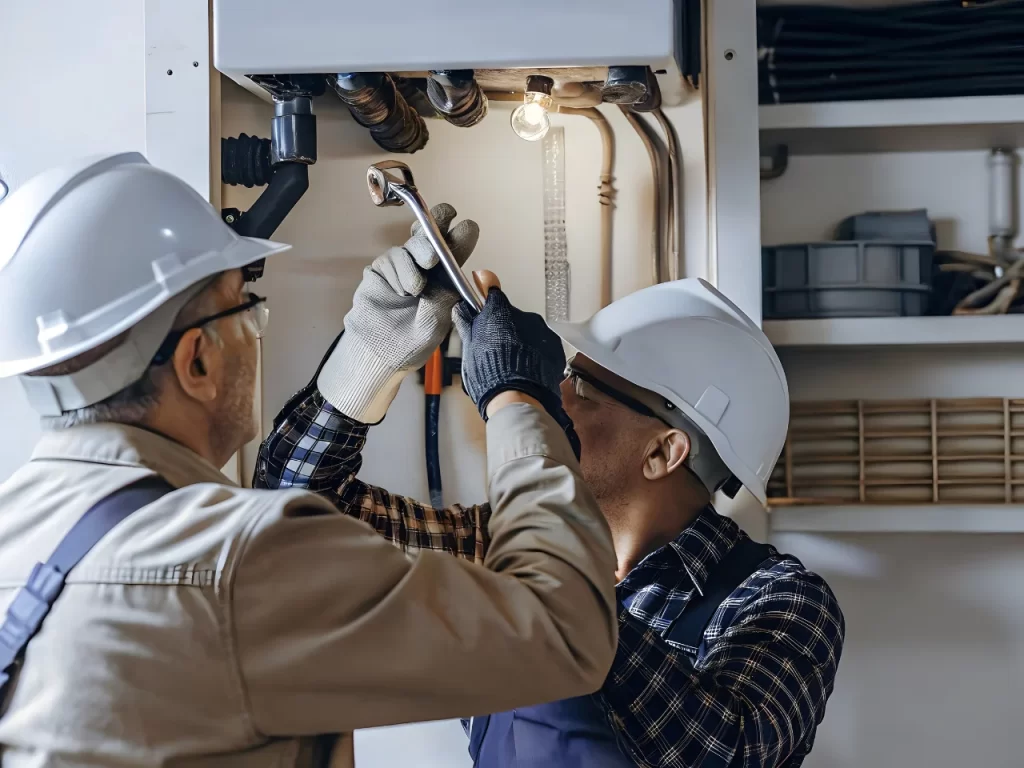
Living in a condo means your plumbing isn’t completely independent. Water supply lines and drainage pipes run through the building, linking multiple units and shared spaces, so understanding who is responsible for what is important.
How the System Functions
A condo employs a number of risers, as opposed to a single main shut-off valve in a house. These are big pipes that supply water to several units by moving it up through the floors. Smaller branches branch off of these main lines inside the unit to supply your toilet, dishwasher, and kitchen sink, among other fixtures or appliances.
Potable Water vs. Wastewater
Clean, potable water enters your unit under pressure, while wastewater relies on gravity to flow out through the drainage system. Because these systems are interconnected throughout the condominium community, a clog in one unit can sometimes cause a backup in a lower condo. Because of this interdependence, condo boards and management have stringent regulations on what may and cannot be dumped down the drain or flushed.
Who Is Responsible for Pipes in Condo Walls in Ontario?
The most common question we hear at Absolute Draining & Plumbing is: “Who is responsible for pipes in condo walls in Ontario?” The answer generally depends on the location of the damage and the governing documents of your specific condominium.
The General Rule of Thumb
In the majority of Ontario condos, the condo corporation is responsible for the common element portions of the plumbing. These are the pipes that serve more than one unit or are located in common areas. This typically includes:
- Main water risers.
- Vertical sewage stacks.
- Pipes located within exterior walls.
- The main water supply lines before they reach the individual shut-off valve for your unit.
Unit Owner Responsibility
Conversely, the unit owner is responsible for the plumbing that exclusively serves their unit. If a leaking pipe occurs under your kitchen sink or the supply line to your toilet cracks, that is within the unit and is the owner’s responsibility.
Limited Common Elements
Sometimes, certain sections of plumbing fall under a “grey area” known as a limited common element. This might include a pipe that is technically outside the physical boundaries of your unit but only serves your unit (like a dedicated HVAC line or a specific drain). In these cases, the condo’s bylaw or declaration will determine who is responsible for the cost of repairs.
The Standard Unit Definition and Why It Matters

To avoid disputes over unexpected costs, most condos in Ontario have a standard unit definition. This document is a blueprint that describes exactly what the condo corporation is required to maintain and repair, and what the unit owner must look after.
Interior Walls vs. Common Elements
If a burst pipe occurs inside one of your interior walls, you might assume the building covers it. However, the standard unit definition may specify that you are in charge of replacing or fixing the damaged part if that wall is not a load-bearing “common” wall and the pipe exclusively feeds your shower.
Fixtures and Finishes
Typically, the standard unit includes the basic “bones” of the unit. However, if you have upgraded your fixture to a luxury high-flow showerhead or a high-end dishwasher and it causes a leak, you are usually responsible for the property damage to your own unit and potentially the damage to another unit below you.
Common Causes of Water Damage in Ontario Condos
You may stay proactive and prevent a large insurance claim by being aware of the typical causes of water damage.
- Old Appliance Hoses: Rubber hoses on washing machines are a leading cause of floods.
- Clogged Drains: Hair, grease, and “flushable” wipes can create a water leak by causing a backup.
- Worn Out Wax Rings: The seal at the base of your toilet can fail, leading to slow leaks into the floor.
- Frozen Pipes: In older Toronto buildings, pipes near exterior walls can freeze during extreme winters.
- Negligence: Leaving a tap running or failing to report a small drip can lead to significant water damage in your condo.
Who’s Responsible for the Costs After a Leak?
When damage can happen due to a leaking pipe, the financial fallout can be overwhelming. Who’s responsible for the bill depends on the source of the water and whether negligence was involved.
1) When the Condo Corporation Pays
If the source of the water is a common element pipe (like a main riser) and there was no negligence on your part, the condo corporation is responsible for repairing the pipe and returning your unit to the state defined in the standard unit definition. This often means they will repair the drywall and basic flooring, but they may not be responsible for the costs of your high-end hardwood upgrades.
2) When the Unit Owner Pays
You are in charge of fixing any repairs if the leak originated from your appliance or a fixture in your apartment. Also, the condo association may “charge back” the building’s insurance deductible to you if your carelessness (such as neglecting to address a known drip) results in damage to another unit.
Insurance and Maintenance
Personal condo insurance becomes essential in this situation. Your personal goods, any upgrades you’ve made to the apartment, and your culpability for neighbour damage should all be covered by your insurance coverage. Usually, only damage to the building’s common areas and core structure is covered by the condo corporation’s insurance.
Contact us today through our form or call +1 (416) 252-5557 for expert plumbing, drain, and related services in Toronto, Etobicoke, Mississauga, and across the GTA.
Step-by-Step: What to Do If You Find a Leak
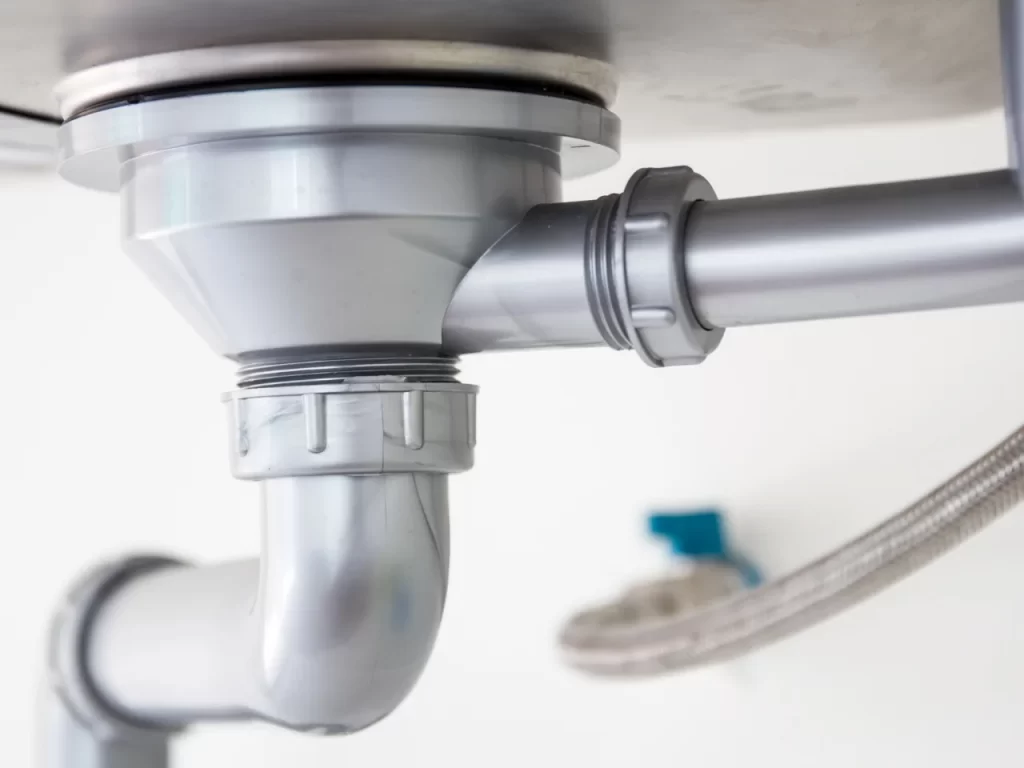
If you discover condo water where it shouldn’t be, you need to act fast to minimize property damage.
- Shut Off the Water: If the leak is coming from a sink or toilet, turn the local shut-off valve. If it’s in the wall, contact condo management immediately to shut off the floor’s water supply.
- Contact the Property Manager: They need to determine who is responsible and see if the common areas are affected.
- Document Everything: Take photos of the source of the water, the damaged area, and any personal property affected.
- Call a Professional: Contact a licensed plumbing expert like Absolute Draining & Plumbing to perform a drain inspection or repair.
- Notify Your Insurance: In order to understand your insurance coverage, it’s advisable to file a claim or, at the very least, contact your provider, even if the damage appears minor.
Why Professional Plumbing Repairs are Vital for Condos
Attempting a DIY repair on shared plumbing is a recipe for disaster. Because your plumbing repairs affect the entire condo community, a mistake could lead to a building-wide flood, resulting in massive liability.
1) Expert Diagnosis
At Absolute Draining & Plumbing, we use advanced technology like thermal imaging and CCTV cameras to find a leak without tearing down every drywall panel in your home. This helps us pinpoint if the issue is inside the unit or outside the unit in a common element pipe.
2) Compliance with Ontario Codes
We ensure all condo plumbing systems we service meet the current Ontario building codes. In order to maintain the cleanliness and safety of your water supply, backflow prevention devices must be installed.
How to Prevent Plumbing Issues in Your Unit
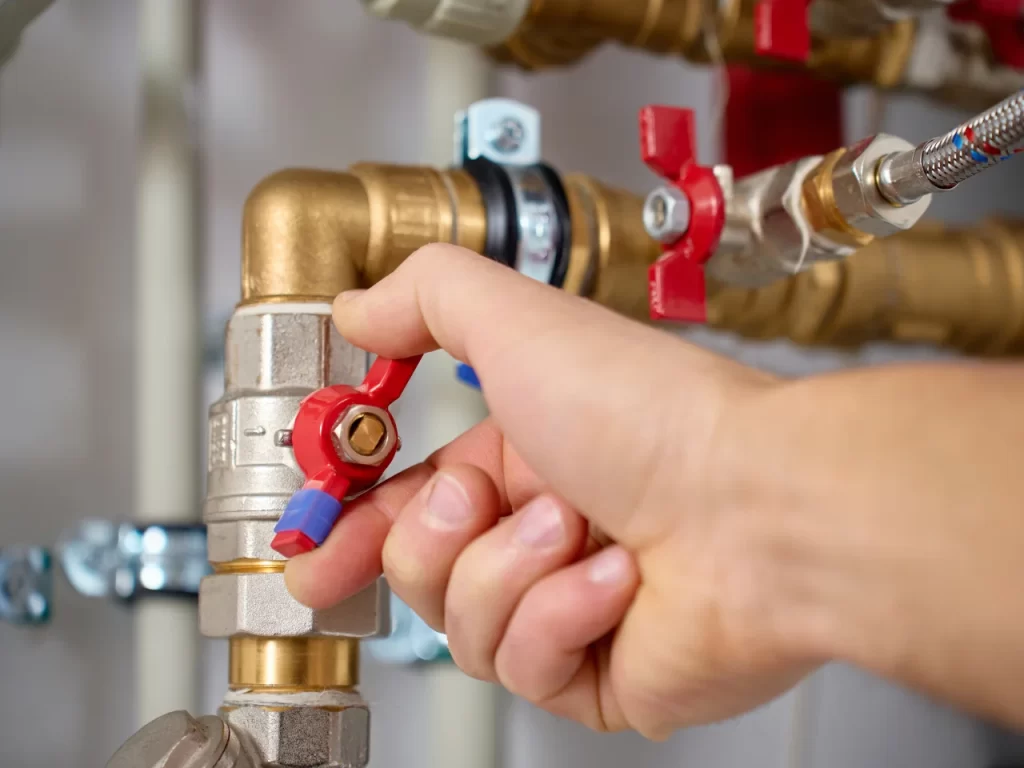
While you can’t control the building’s main pipes, you can take steps to ensure you aren’t the cause of the next insurance claim.
- Inspect Your Appliance Hoses: Replace rubber washing machine hoses with braided stainless steel ones.
- Check Under Sinks: Look for signs of moisture or corrosion on sections of plumbing twice a year.
- Don’t Use Chemical Drain Cleaners: These can corrode pipe materials over time, especially in older condos.
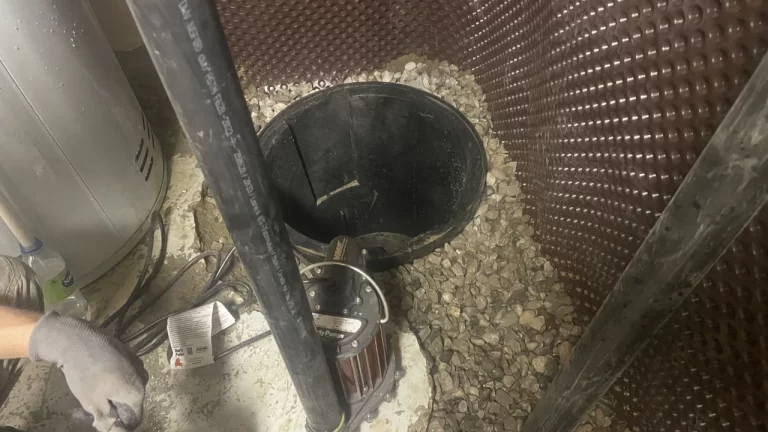
- Maintain Your Sump Pump: If you live in a ground-floor or basement unit, ensure your pump is tested regularly.
- Know Your Documents: Review your condo’s by-law so you know exactly where your responsibilities of condo ownership begin and end.
Navigating Insurance and Claims in Ontario
The safety net that protects you from unforeseen expenses is insurance. However, many owners find it difficult to understand how owners and condo corporations split the bill.
The Deductible Challenge
In Ontario, if a leak from your unit damages a common element, the condo corporation might make a claim on its insurance. However, if the damage is $20,000 and the corporation’s deductible is $50,000, they may demand that the owner cover the expense by charging it back to their condo fees or ledger. For this reason, it’s essential to have “Deductible Assessment Coverage” on your personal condo insurance.
Dealing with Multiple Units
A water leak that affects several apartments may get complicated legally. The property manager will usually lead the restoration efforts for the building, but each unit owner will need to work with their own insurance for the inside of the unit’s finishes and belongings.
Absolute Draining & Plumbing: Your Toronto Condo Experts
Absolute Draining & Plumbing has been serving the Greater Toronto Area for more than 20 years, so we are familiar with the particular difficulties faced by high-rise structures. In Toronto, Etobicoke, and Mississauga, we have collaborated with hundreds of condo boards and property managers.
- 24/7 Emergency Services: Because a burst pipe doesn’t wait for business hours.
- Flat-Rate Pricing: You will know the cost of repairs before we start, with no hidden fees.
- No-Dig Technology: We can often repair condo plumbing systems with minimal disruption to your drywall or floors.
- Expert Knowledge: We know who is responsible for pipes in condo walls in Ontario and can help provide the documentation you need for your insurance claim.
Protecting Your Investment
Living in a condominium offers a convenient, low-maintenance lifestyle, but it also requires a clear understanding of your legal and financial responsibility for damage. By knowing the difference between a common element and your standard unit, you can protect yourself from legal disputes and costly repairs.
If you are currently dealing with a leaking pipe or if you want an inspection to ensure your unit is flood-proof, don’t wait for the damage to spread. Regular maintenance is the best way to ensure your condo community remains a safe and dry place to live.
Are you concerned about a potential leak or need professional advice on your condo’s plumbing? Contact Absolute Draining & Plumbing today for a free consultation and let our expert Toronto plumbers give you peace of mind.
Contact us today through our form or call +1 (416) 252-5557 for expert plumbing, drain, and related services in Toronto, Etobicoke, Mississauga, and across the GTA.