Until a bad smell in the basement indicates a problem, many homeowners are unaware of “running traps.” Understanding this particular component of your drainage system is essential to addressing typical household odours, even though it’s a technical issue that’s frequently left to the experts.
By preventing sewage gas and safeguarding the indoor air quality of your house, a running trap is a crucial component of your plumbing system. By knowing what it is and how it operates, you can prevent drainage problems and any unpleasant surprises in your home. For residents in Toronto, where older homes and changing building code regulations frequently bring up running traps, this is particularly crucial.
In this helpful article, we’ll walk you through the about the running trap plumbing, highlighting how it differs from P-traps and why it’s important for your home. We also provide a roadmap for maintenance and tell you when to seek help from Absolute Draining & Plumbing.
Contact us today through our form or call +1 (416) 252-5557 for expert plumbing, drain, and related services in Toronto, Etobicoke, Mississauga, and across the GTA.
What Is a Running Trap in Plumbing?
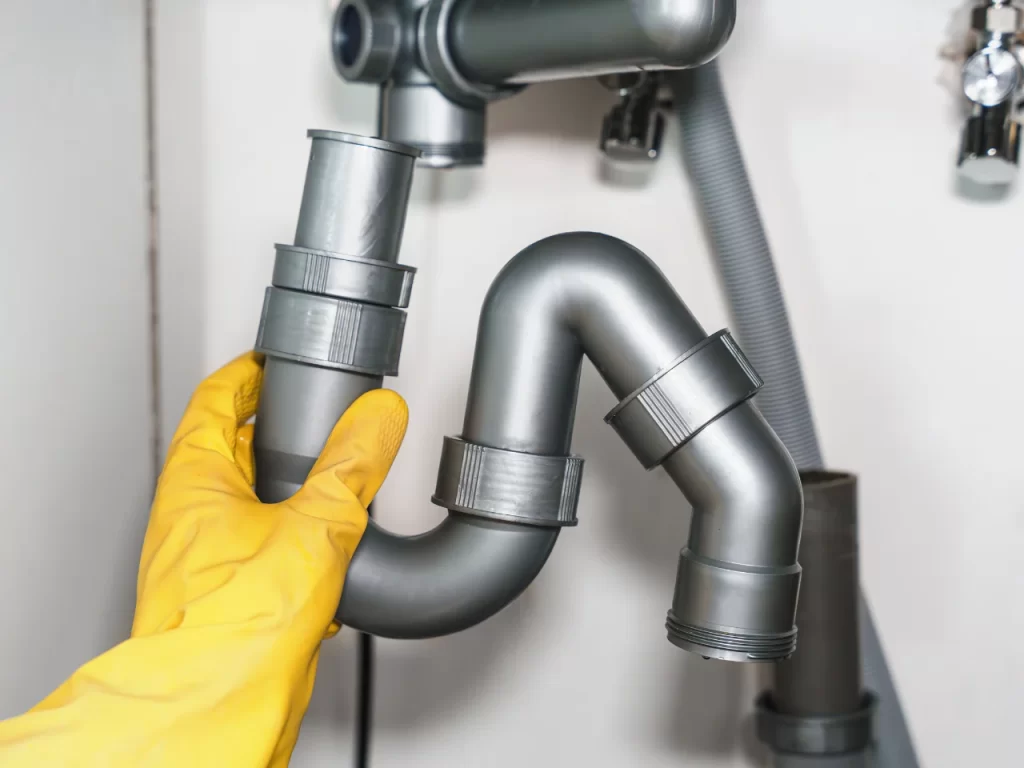
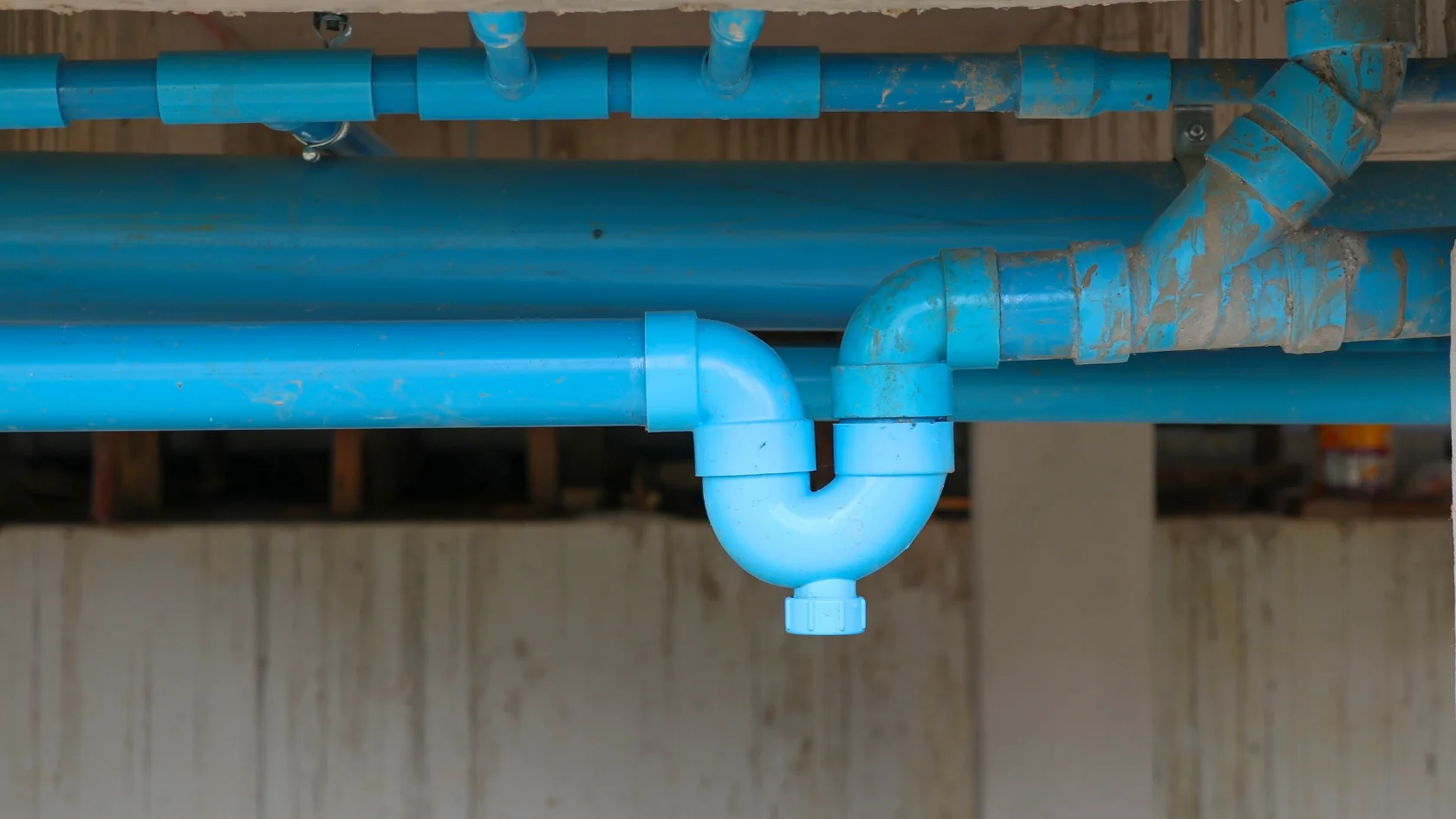
A running trap is a type of plumbing trap installed on a horizontal waste pipe, usually downstream of multiple fixtures, rather than directly under a single sink or fixture. A running trap is usually found further along the drain line, frequently close to the location where the building drain leaves the house, in contrast to a traditional P-trap, which is situated just beneath a sink, bathtub, or shower.
In simple terms, a running trap creates a water seal inside the pipe to prevent sewer gas from travelling back into the plumbing system and entering the building. Traps are used to prevent foul odours, harmful gases, and even pests from rising through the drainage system.
Running traps are sometimes referred to as house traps, especially when they serve the entire home rather than a single fixture.
Why Traps Are Used in Plumbing Systems
Before diving deeper into running trap plumbing, it helps to understand why traps exist at all.
Traps are used to prevent:
- Sewer gas from entering the home
- Unpleasant odours from drain lines
- Potential health risks associated with methane and other gases
- Insects or rodents from entering through the waste pipe
Every plumbing fixture, such as a sink, shower, bathtub, or floor drain, must have a trap. This is a basic requirement under modern building code standards. The water seal held inside the trap blocks gases while still allowing waste and water to flow freely through the drainage system.
A trap must maintain this water seal at all times. If the water evaporates or is siphoned out, sewer gas can enter the building.
Running Trap Plumbing vs. Standard P-Trap
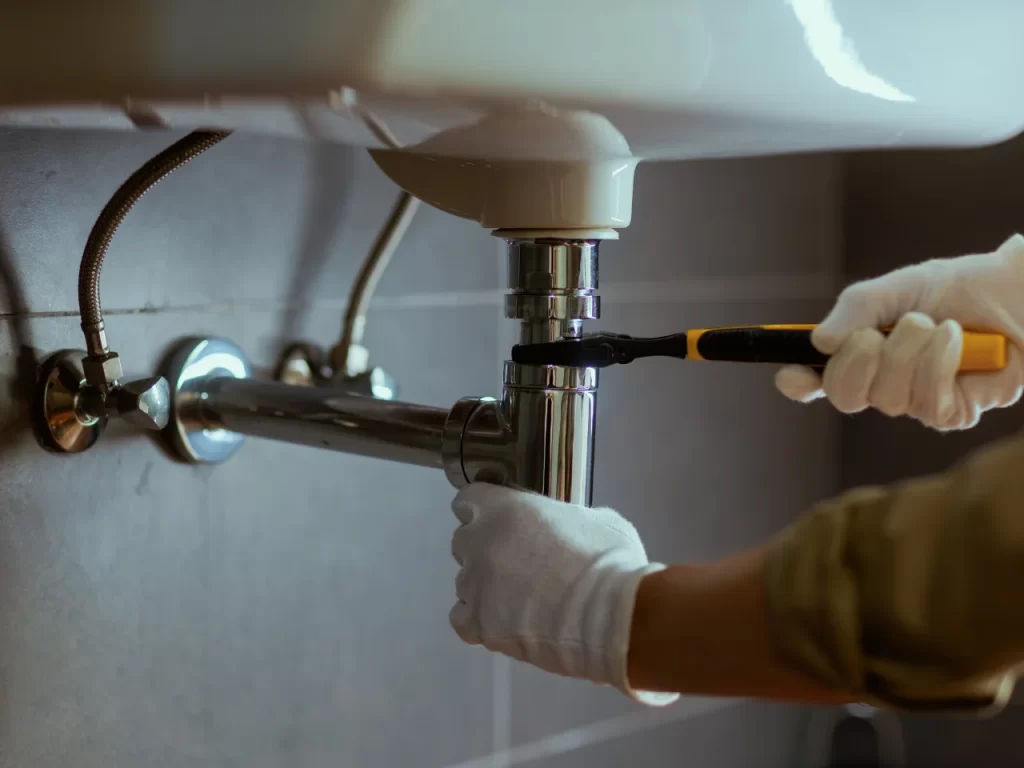
What Is a Standard P-Trap?
A standard P-trap is the curved section of pipe you typically see under a sink. It’s shaped like the letter “P” on its side and is installed directly below a plumbing fixture. P-traps are commonly used for sinks, bathtubs, showers, and washing machines.
A standard P-trap:
- Serves one fixture
- Is easily accessible
- Is usually made of PVC, ABS, thermoplastic, or sometimes stainless steel
- Is designed to be self-scouring, meaning normal water flow helps keep it clean
How a Running Trap Is Different
Running trap plumbing is different in both location and application.
A running trap:
- Is installed on a horizontal waste pipe
- Often serves multiple fixtures
- Is located downstream of the trap arm and drain lines
- May be installed near the floor or where the building drain exits the foundation
- Is less accessible than a standard P-trap
Because of its location, a running trap may require a cleanout fitting to allow maintenance and inspection.
When Are Running Traps Used?
Not all plumbing systems employ running traps. Importantly, a running trap is only employed depending on the design of the drainage system, the age of the building, and the local building code requirements.
Running traps are mostly seen in older homes with a house trap near the main drainage line and in commercial buildings that handle chemical or specialized waste. Also, they are utilized in specialized sanitary or mechanical joint configurations where additional protection against sewage gas is needed, as well as in some industrial or laboratory plumbing systems and basement drainage designs.
In older Toronto homes, a house trap was commonly installed to protect against sewer gas when municipal sewer systems were less reliable. Modern plumbing systems rely more on vent stacks and individual fixture traps, making running traps less common in new residential construction.
What Does the Building Code Say About Running Traps?
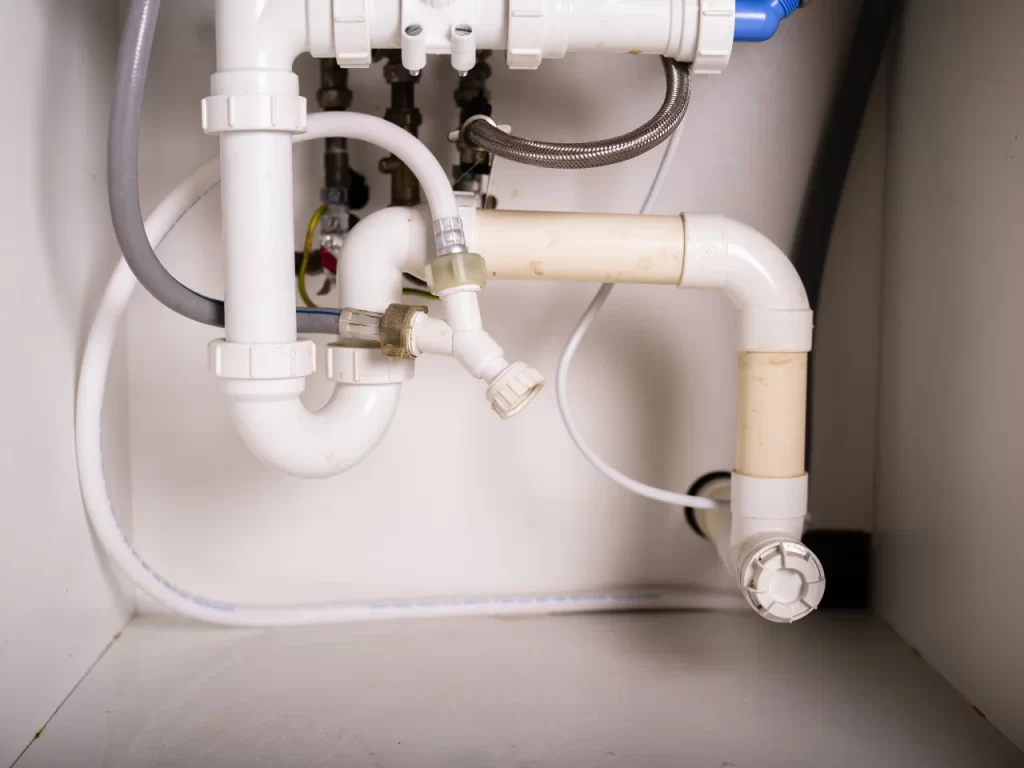
The building code plays a major role in determining whether a running trap shall be installed.
Under modern plumbing standards:
- Every fixture must have a trap
- Traps must be vented properly
- The trap must maintain a water seal
- Traps must be accessible for cleaning and inspection
In many cases, the current building code discourages the use of running traps in residential plumbing systems because they can:
- Restrict flow
- Collect debris
- Be harder to clean
- Cause frequent blockages
Nevertheless, running traps may still be permitted or required in particular system applications, such as chemical waste systems or where an inspector determines that it is necessary to have one based on the building design. If you’re unsure whether your running trap meets current code, a licensed plumber can inspect it and advise on compliance.
How a Running Trap Works Inside the Plumbing System
If you are curious about how a running trap works inside the plumbing system, a tiny amount of water is held in a curved part of the pipe to operate a running trap. Waste can pass through this water seal when sewer gas is blocked.
Here’s how it fits into the plumbing system:
- Wastewater flows from fixtures into drain lines
- The waste pipe carries water horizontally
- The running trap creates a low point where water remains
- Sewer gas is blocked at this point
- Water continues toward the outlet and sewer connection
The running trap is installed downstream of the trap arm and upstream of the building sewer connection.
Contact us today through our form or call +1 (416) 252-5557 for expert plumbing, drain, and related services in Toronto, Etobicoke, Mississauga, and across the GTA.
Common Problems with Running Trap Plumbing
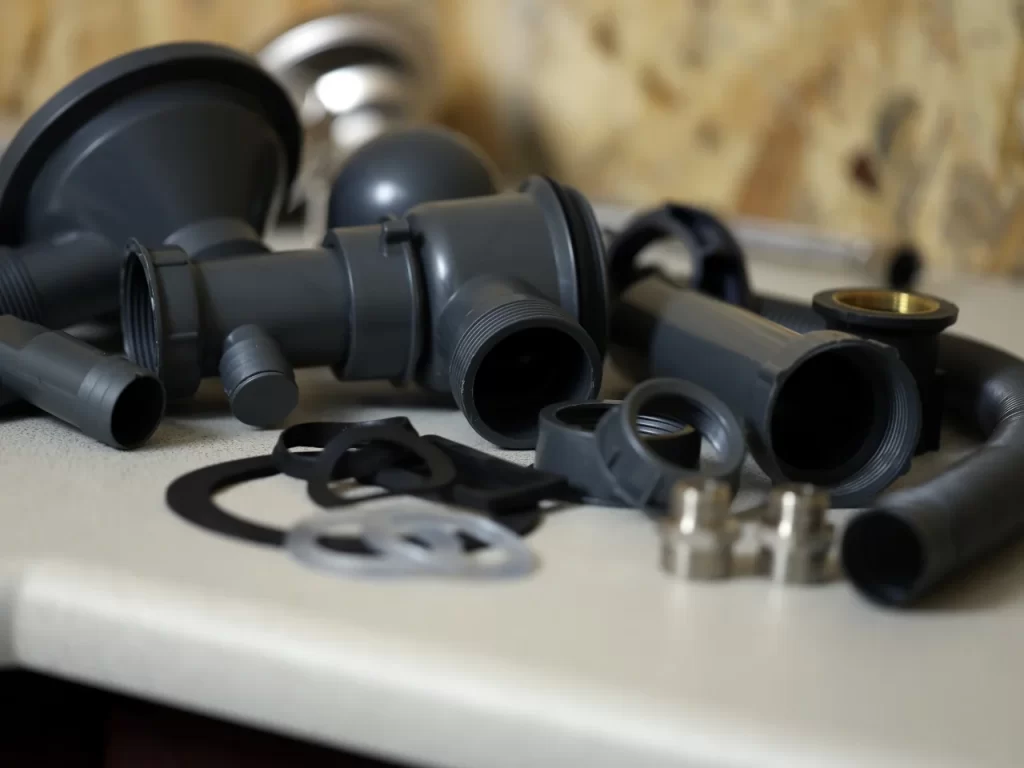
Running traps have their uses, but they can also be problematic, particularly in residential homes.
1) Frequent Clogs
Because running traps are installed horizontally and often serve multiple fixtures, they’re more likely to collect debris such as hair, grease, soap residue, food particles, and other chemical buildup. This makes them more prone to clogs compared to a standard P-trap.
2) Difficult Access and Maintenance
Another issue with a running trap is that it has difficult access and maintenance due to the fact that it is frequently hidden beneath the floor or behind walls, unlike a sink P-trap, which is visible and simple to remove. Without a cleanout, maintenance becomes challenging and can call for certain equipment or even a licensed plumber to handle it.
3) Reduced Flow and Poor Drainage
Reduced flow is caused by a pipe’s diameter or slope being off. Slow drains, backups, or repeated service visits might result from poor design or incorrect installation.
4) Sewer Gas Odours
Sewer gas may get past the trap and into the building if the water seal dries out or if the trap is not correctly ventilated.
To learn more about what happens when drainage problems occur deeper in the system, you may find this guide about a clogged drain deep in the pipe and also check its corresponding expert tips.
Running Trap vs. House Trap: Are They the Same?
The terms are often used interchangeably, but there is a subtle difference.
A house trap is a specific type of running trap installed on the main building drain, usually just before it connects to the municipal sewer. It’s designed to protect the entire house from sewer gas.
Not all running traps are house traps, but all house traps are a form of running trap.
In Toronto, many older homes still have house traps installed. These often include a cleanout and are located near the basement floor.
Importance of Cleanouts in Running Trap Plumbing
Because running traps are harder to access, a cleanout is essential.
A cleanout:
- Allows plumbers to inspect the pipe
- Makes it possible to remove debris
- Helps clear blockages without breaking floors or walls
- Is often required by building code
If your running trap doesn’t have an accessible cleanout, maintenance becomes more expensive and disruptive.
If you’re experiencing frequent drain backups, this guide on common causes of drain backups in Toronto homes explains what’s often happening behind the scenes.
Can a Running Trap Be Removed?
In many residential cases, yes, but only if done properly. If a running trap is removed:
- Individual fixtures must have properly installed P-traps
- The vent stack must be correctly designed
- The plumbing system must meet the current building code
- An inspector may need to approve the modification
Removing a running trap without proper planning can lead to sewer gas issues or failed inspections. Hence, a licensed plumber is highly suggested, who can assess whether removal is appropriate and ensure the system is redesigned correctly.
Signs You May Have a Running Trap Issue
You may have a problem with your running trap if you notice:
- Frequent clogs in multiple fixtures
- Slow drainage throughout the house
- Gurgling sounds from drains
- Sewer smells in the basement
- Repeated need to clean drains
When clogs happen again and again, the problem is usually further down the drain line. Learn more about why drains keep clogging and what homeowners can do to prevent it.
Maintenance Tips for Running Trap Plumbing
Even while homeowners may not always have easy access to a running trap, there are still things you can do to lessen issues.
- Grease and chemical waste should not be poured down drains.
- Use strainers in showers and sinks at all times.
- To keep the water seal intact, run water through the floor drains on a regular basis.
- Plan on doing routine drain checks.
- Address slow drains immediately before they become backups.
And more importantly, professional drain cleaning service is often the safest and most effective way to maintain a running trap without damaging the pipe.
When to Call a Professional Plumber
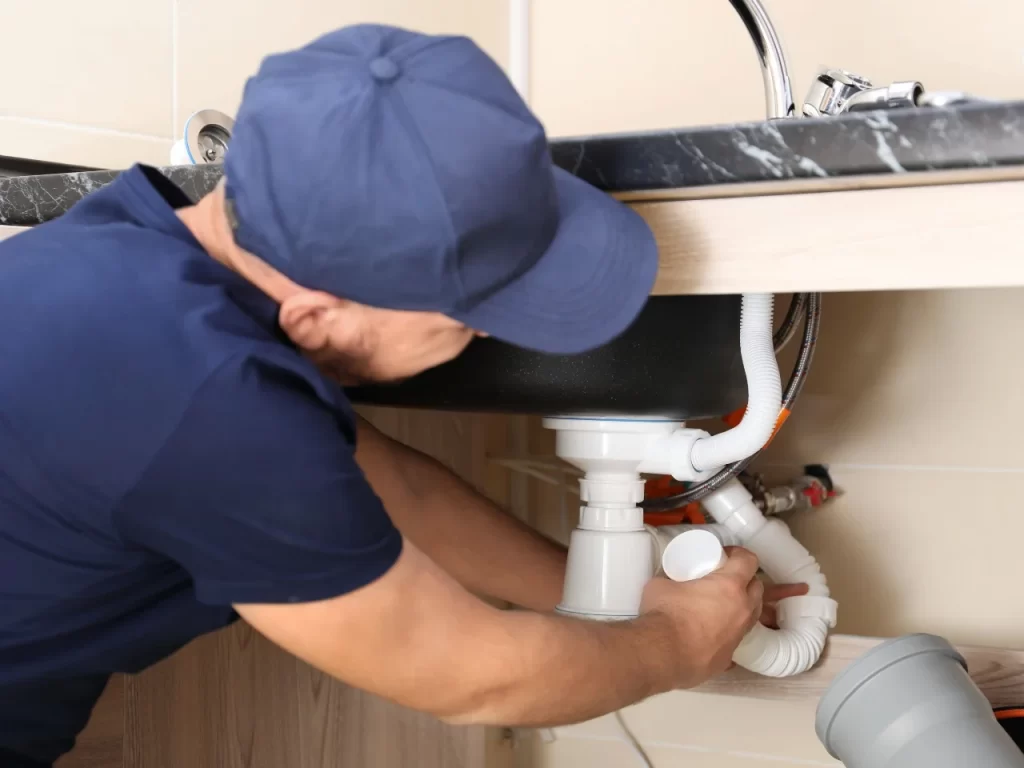
Running trap plumbing isn’t a DIY-friendly area of the system. You should call a professional plumber if:
- You think there may be a blocked running trap.
- The strange smell of sewer gas is persistent.
- Floor drains cause water to back up.
- You’re remodelling, but you’re not sure if it complies with the code.
- Your drainage system is flagged by an inspector.
For homeowners planning upgrades or dealing with urgent issues, this guide to priority plumbing and drain services outlines when it’s best to bring in a professional.
At Absolute Draining & Plumbing, our team has over 20 years of experience working with older Toronto homes and modern plumbing systems. With the knowledge and expertise of our team, we understand local building code regulations and know when a running trap is helping or hurting your drainage.
How Running Trap Plumbing Keeps Your Home Safe
Running trap plumbing is an essential but often disregarded component that protects your house, especially older Toronto homes, from sewer fumes and drainage failure. You can make more informed choices about required repairs or modern upgrades if you are aware of how these traps work and their place in local building codes. A professional inspection is the best method to make sure your system is safe and compliant if you observe slow drains, chronic clogs, or unpleasant odours.
Absolute Draining & Plumbing helps Toronto and GTA homeowners resolve house and running trap issues with reliable service and long-term solutions. Contact us for a free consultation!
Contact us today through our form or call +1 (416) 252-5557 for expert plumbing, drain, and related services in Toronto, Etobicoke, Mississauga, and across the GTA.