If you own an older home in Toronto, Etobicoke, Mississauga, or Oakville, your drainage system may include a building trap—sometimes called a house trap. Unlike a small sink or floor drain P-trap, a building trap sits on the main sewer line leaving your property.
Because it is hidden below ground or beneath a basement floor, many homeowners don’t know it exists until slow drains, gurgling pipes, or sewer odours show up. Knowing how a building trap works—and when to service or consider building trap removal—helps you protect your plumbing system.
How a Building Trap Works
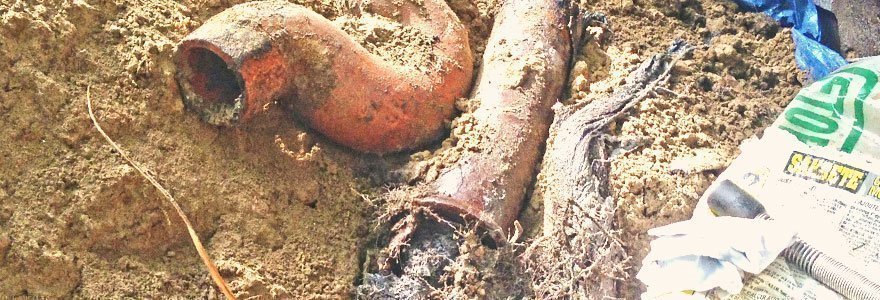
A building trap is a large U-shaped or curved section of pipe installed along the main outgoing drain before it connects to the municipal sewer lateral. Like other traps, it holds a pocket of standing water designed to block sewer gases from travelling back into your home’s drainage piping.
Older municipal sewer systems were often designed around building traps, with a fresh-air inlet pipe near the front of the house to help vent and balance airflow in the system. While that setup was standard for decades, modern plumbing codes and practices often handle venting and backflow protection differently.
Signs Your Building Trap Is Causing Trouble
Because a building trap holds water at the lowest point of your main drain line, heavy solids, grease, scale, or debris can settle inside the bend over time. Watch for these warning signs:
- Recurring main-line slowdowns: Multiple fixtures or basement drains backing up or draining slowly at the same time.
- Gurgling sounds: Bubbling or gurgling in floor drains, tubs, or sinks when water is discharged.
- Lingering odours: Foul smells near floor drains or in the basement when the water seal is disrupted or sludge builds up.
- Snaking hang-ups: A drain cable catching or struggling to pass through the tight curve of an older trap.
Servicing vs. Removing a Building Trap
When a building trap becomes restricted, clearing it is only part of the picture. A technician can evaluate whether the trap itself is structurally sound, properly vented, and worth keeping—or if building trap removal and reconnecting straight to the main line makes more sense.
Before deciding on repairs or removal, a thorough sewer camera inspection or drain inspection helps check the condition of the trap, cleanouts, and surrounding sewer line repair and replacement needs. Heavy buildup inside lines can also be addressed with hydro jetting or drain cleaning.
Related Protection for Older Homes
Depending on your property’s layout and municipal rules, a licensed plumber can also check related components during an inspection:
- Backwater valve installation to help guard against municipal sewer backups.
- Backflow prevention to protect water supplies from reverse flow.
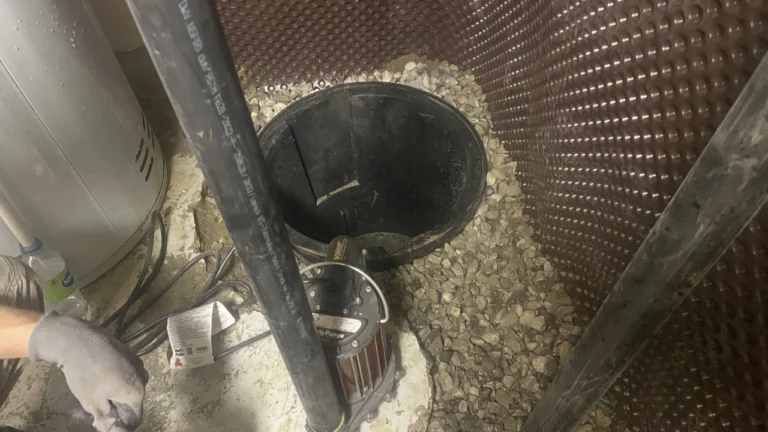
- Sump pump installation and weeping tile installation for below-grade moisture and groundwater management.
Need Help With Main Drain or Trap Issues?
If you suspect a sluggish main drain or want an honest assessment of an older building trap, Absolute Draining & Plumbing provides residential plumbing, drain service, and 24/7 plumbing across Toronto and the GTA.